

A Beginner’s Guide to the solo albums of Graham Coxon

Y’know there’s that rock ‘n’ roll myth about musicians making their best, most artistically adventurous work when they’re fucked up? Yeah it’s bullshit. Not only is it bullshit, it’s a dangerous myth, one that perpetuates the idea that creatives need to be living on the edge in order to make proper art. Tom Waits got sober in the early ’80s and put out tons of great albums afterwards. Modest Mouse’s Isaac Brock sorted his shit out and his recent records feature some of his sweetest, most emotionally resonant work. Trent Reznor got clean and won not just one but two goddamn Oscars.
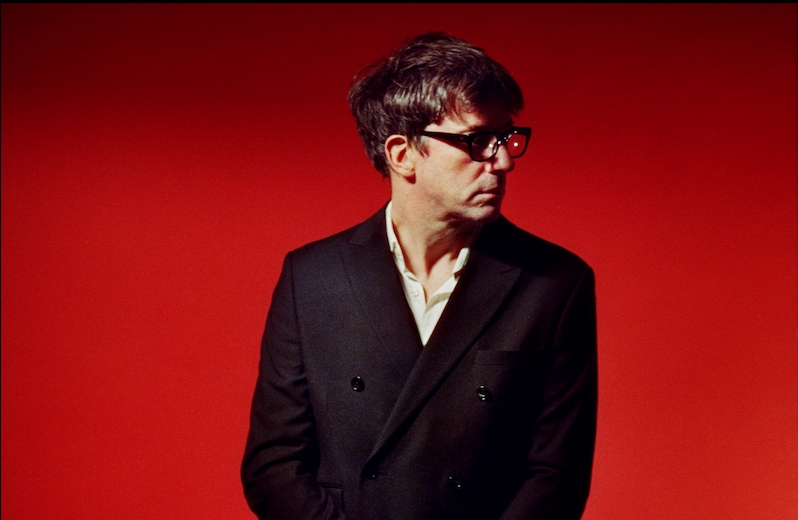
You can add Blur’s Graham Coxon to this canon. The acclaimed guitarist and vocalist struggled with his band’s enormous fame in the 1990s and developed a serious alcohol addiction. To illustrate; at a party celebrating the band’s victory in 1995’s Battle of Britpop, Damon Albarn had to talk him down from jumping out of a six-story window. By the time of the recording sessions for their 2003 album Think Tank, Coxon was in rehab, barely featured on the album and left the band soon after.
However, by that point, Coxon had already put out a string of solo albums. Once you know of his personal battles, charting these album’s changing tone and moods makes for a fascinating and rather heartening journey. Around the time of his sobriety, his albums became increasingly more melodic, focused and simply better, whilst retaining his signature anxieties and emotional intelligence. This isn’t to say Coxon’s pre-sobriety albums aren’t worth a look at (one abrasive album is a notably interesting curiosity), it’s just that his post-sobriety works are demonstrably his best.
So, to coincide with the release of Coxon’s new solo album Castle Park, abandon all your pre-existing notions of rock ‘n’ roll mythology and dive into the stellar back catalogue of a reserved and low-key genius musician who sorted himself out and, thus, greatly expanded his artistic vocabulary.
The Best One
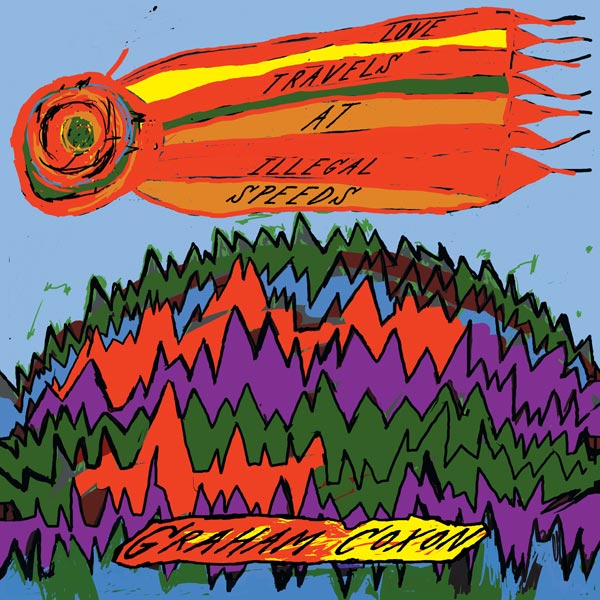
Love Travels At Illegal Speeds (2006)
Coming at the comet’s-tail end of a succession of releases progressing from intentional abrasion toward pop accessibility (plenty more on that soon), Coxon’s sixth solo effort is his finest hour; a laser-focused collection of such consistently high quality each of these 13 tracks could have been a hit single. In the UK, two of its most effervescent anthems did chart (“Standing On My Own Again” and “You And I”), but it’s the array of genre-hopping deeper gems on Love Travels At Illegal Speeds that make it such a joyous and rewarding listen. “Gimme Some Love” is ripping ‘77-style punk, “I Don’t Wanna Go Out” recalls Jon Spencer’s fiery garage rock, while album highlight “Flights To The Sea (Lovely Rain)” channels gorgeous 60s folk rock. Throughout, Coxon remains in total control of both these upbeat musical shifts and lyrical melancholia, a juxtaposition encapsulated by the major key “You & I”: “you and I gotta think for a while, look to the sky/gotta decide if we’re gonna see tomorrow.”
Listen: Spotify
The Sad One
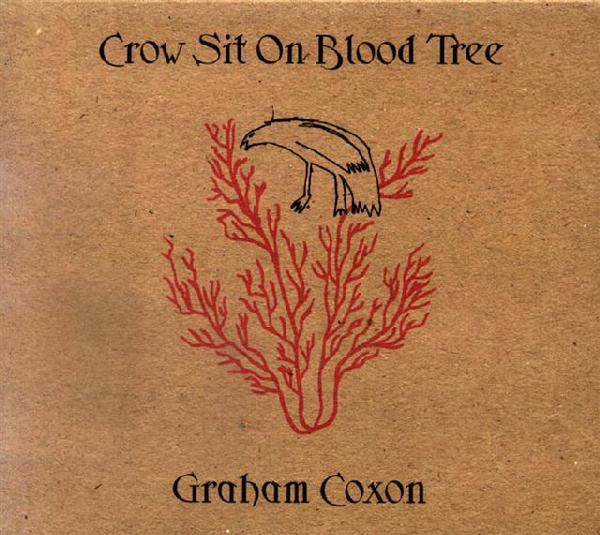
Crow Sit On Blood Tree (2001)
As an illustration of the reverence with which Coxon has been held, a contemporaneous review of his downbeat third album by UK magazine Uncut, described him as “very much the equal of Radiohead’s Johnny Greenwood in terms of versatility and sheer invention.” Coxon’s a generationally great songwriter but, two decades later, it’s rare to hear a similar, overt equivalence outside of among die-hard fans. Regardless, it was the bold ambition of Coxon’s early albums like Crow Sit On Blood Tree that helped people take him seriously as an artist. Made in the midst of his period of alcoholism and personal strife, this blend of doom-laden folk peppered with several lo-fi garage punk tracks is far from perfect, but the fusion reasonably surprisingly well, with the highlight being “Big Bird,” a singular slab of distorted noise-pop. Parts of it are a bit too overly miserabilist (see the album’s slightly silly title) but, broadly, this is an interesting experiment that feels raw, honest and typically accomplished.
Listen: Spotify
The Abrasive One
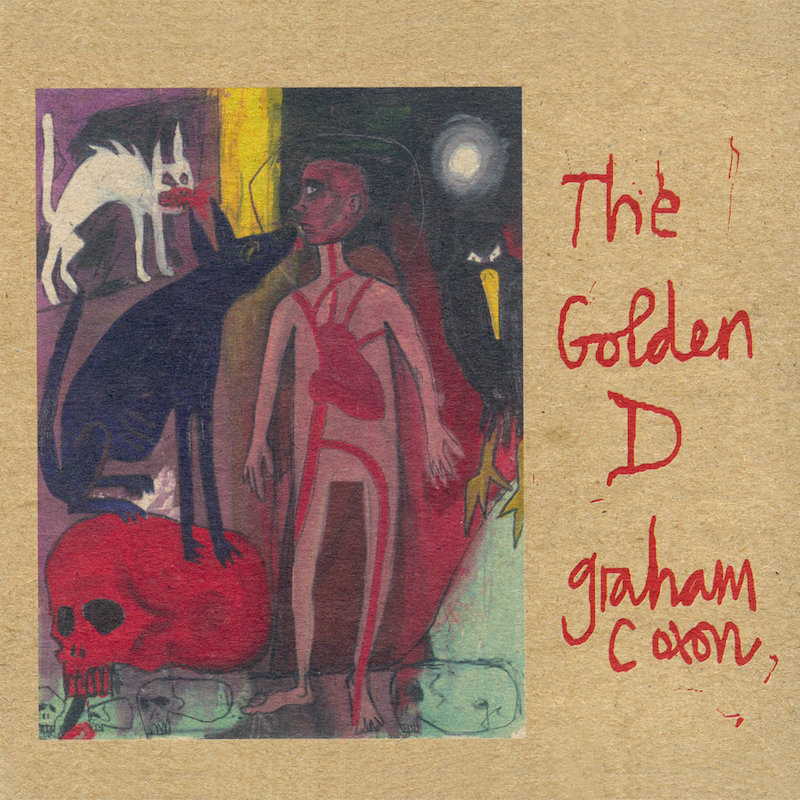
The Golden D (2000)
Recorded around the aforementioned period when Coxon was dealing with a host of personal demons, his aggro second solo effort The Golden D is very much the sound of him working through some issues/clearly trying to be as provocative as possible. In fairness, sections of it are shockingly heavy, such as “My Idea Of Hell,” whose cranked snare and downtuned guitar sound, believe-it-or-not, a lot like the era’s dominant nu- and alternative-metal bands. There’s also opener “Jamie Thomas”, which is surely inspired by the Amphetamine Reptile brand of noise rock, while the rapid-fire octave shifts and howls of anger on “Leave Me Alone” resemble the harsh expressionism of screamo. It gets even weirder; check out “Oochy Goochy,” which is a bad (possibly deliberately so) attempt at late-nineties downtempo. Oh yeah, there’s also an amazing cover of Mission Of Burma’s “That’s When In Reach For My Revolver” that plays to Coxon’s melodic strengths. A proper head-scratcher of a record, one definitely recorded with the intention of being as unpalatable as possible, it’s also undeniably intriguing and sometimes quite entertaining.
Listen/Buy: Bandcamp
The Mellow One
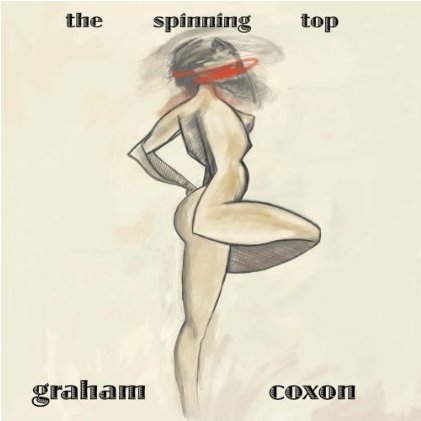
The Spinning Top (2009)
Off the back of the career high power pop effort Love Travels At Illegal Speeds, Coxon took another left-turn, although a considerably more gentle one than several previous diversions. This delightful excursion into traditional British folk rock flips the acoustic vibe of Crow Sit On Blood Tree on its head; dejected gloom to rapturous joy. In terms of guitar playing, these 15 tracks offer some of Coxon’s finest moments, seeing him absolutely shred some intricate finger-picking whilst singing lyrics that follow a conceptual narrative about a man’s journey from birth to death. Many tracks open as stripped-back Coxon-and-guitar but gradually bloom, like unfurling flowers, into something more elaborate and even more beautiful, such as “Perfect Love”, which turns into a percussive groove monster at its midpoint. The whole record is a total pleasure, rife with Coxon’s usual emotions but delivered in a thoughtful, serene and immensely satisfying manner.
Listen: Spotify

The Collaborative One
The WAEVE (2023)
So this isn’t strictly one of Coxon’s solo albums, but its context (both musical and personal) make it a nice place to end. The WAEVE (Coxon and former Pipettes member Rose Elinor Dougall) first came together in 2021 at a charity gig, then released their self-titled debut in early 2023. In the context of his solo discography, these tonally ambiguous 10 tracks are perhaps Coxon’s most complex works to date. He’s long had his finger on the pulse of guitar rock and The WAEVE seems him incorporate some recent art-indie signifiers (eg. krautrock influences and saxophones) into this solid collection of elegant art rock. Also, rather sweetly, Coxon and Dougall fell in love during the making of the album and he’s cited several lyrics, such as opener “Can I Call You”’s “I’m sick of being in pain/won’t you just kiss me” as referring to his emerging feelings for Dougall. The duo (who now have a child together) possess palpable chemistry and will hopefully continue to make beautiful music together.
Listen/Buy: Bandcamp
Next Steps: Your next step should immediately be 2004’s Happiness In Magazines. A power pop precursor to Love Travels At Illegal Speeds, it’s almost as good as its big older brother of a record and only missed out being included here due to a need for a more varied overview. Another record from that era, 2002’s The Kiss Of Morning (Coxon was super productive throughout the 2000s), is a fun psych-rock album, his first after getting sober and the beginning of that more upbeat run of albums. The WAEVE’s second album City Lights is also pretty good, channeling synth-pop more than any other Coxon album in service of a solid, late-night-beneath-the-disco-ball effort.
Advanced Listening: Coxon’s 2012 effort A+E is an odd album, a collection of obtuse, hard-to-connect-with garage-rock that feels similar in tone to Blur’s peculiar comeback album a few years later. Then there’s his debut solo record, 1998’s The Sky Is Too High, is a surprisingly straightforward, mostly acoustic album that lacks memorable moments, although the lo-fi fuzz of “I Wish” is a high point. Then there’s the soundtrack work Coxon contributed on for the show The End Of The F***ing World. These boast plenty of fully-fleshed out tracks, alongside the more typical, instrumental soundtrack fare. However, given the breadth of the rest of his discography, these are for die-hard completists only.
Treble is supported by its patrons. Become a member of our Patreon, get access to subscriber benefits, and help an independent media outlet continue delivering articles like these.
