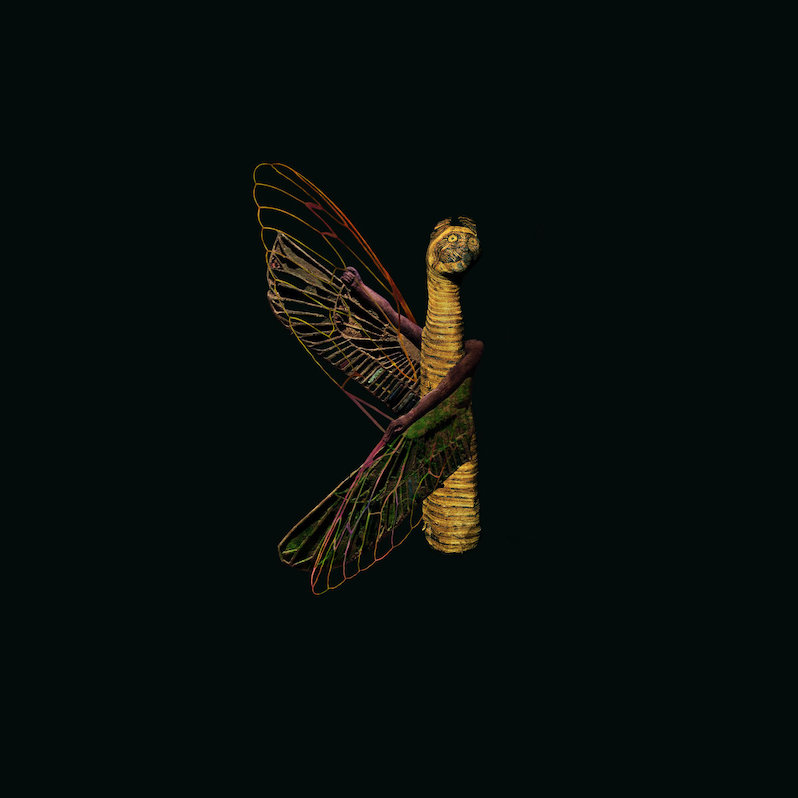

Toni Geitani – Wahj

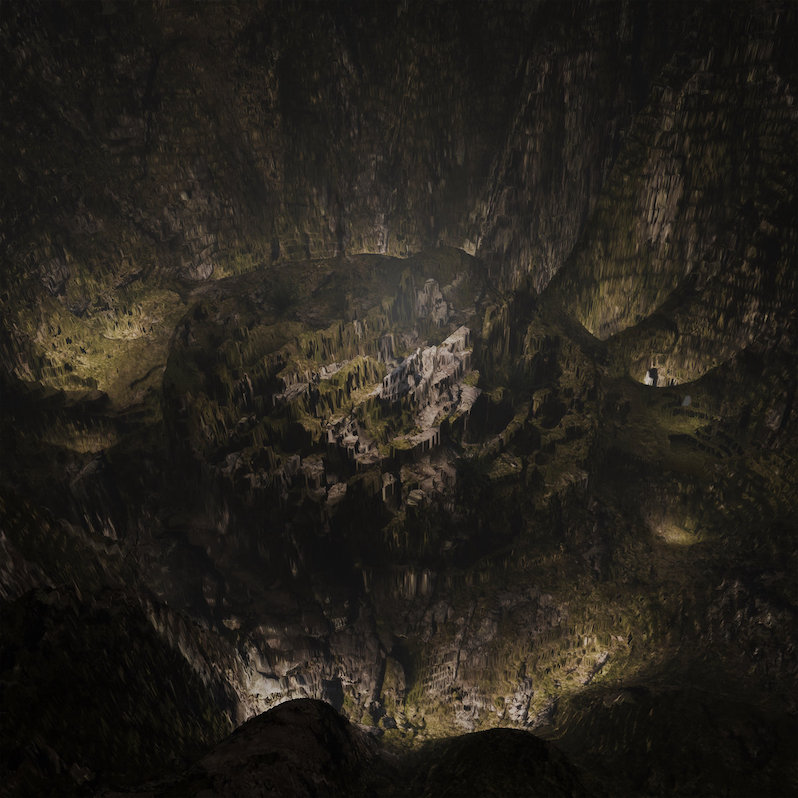
To hear Toni Geitani’s Wahj, it might not come as a surprise to learn that the Amsterdam-based, Beirut-born composer has a background in filmmaking and sound design in addition to his work as a performer and songwriter. His music often unfolds gradually and gracefully as if panning over a sprawling landscape. Yet it’s just as likely to erupt into climactic moments of harrowing tension, like breathtaking slow cinema erupting with chaos and violence, immersive and disruptive in equal measure.
A 17-track work that explores the idea of collapse through dark ambient textures, percussive industrial noise, and Arabic maqām and layālī vocal modalities, Wahj navigates an overwhelming yet invigorating labyrinth of sound and menace. Rooted as much in noise and experimental sounds as it is Arabic pop, Wahj never lingers in one place too long, never remains too comfortable in place, walking a zig-zagged path through crumbling structures and unsteady foundations. An arresting moment like “Ya Aman” blares with war drums and siren-like synths, Geitani constructing a kind of anxious industrial-scape reminiscent of Ben Frost, even as his vocals are vulnerable, impassioned, and above all human.
The terrain Geitani navigates is ever-shifting, breathtakingly beautiful against the mournful chords of “Hal,” urgent and intense on the mesmerizing “Ya Sah,” and dizzying in its array of elevated BPMs on “La.” The layer of effects he adds to his vocals on “Fajr Al Khamees” only serves to enhance its raw emotional core rather than create more distance, while the dark jazz of “Ruwaydan Ruwaydan” carries an unexpected swing. And “Fawqa Al Ghaym” is awash in corrosive electronics and jagged textures, among the harshest sounds to be found throughout the record’s 75 minutes.
Wahj, in Arabic, translates to “radiance,” which during the album’s heaviest and most excoriating moments might feel like something of a contradiction. But Wahj carries the subtle suggestion of radiance, and even the explicit embodiment of it, throughout, the faith and determination, perhaps, of seeing that the sun will once again rise over this pitch-dark landscape we inhabit. Indeed, the darkness in Wahj can feel just as much a reflection of a dying world as it does the dystopian landscape of science fiction. In the album’s most awe-inspiring moment, on closing track “Madda Mudadda,” Geitani slowly builds from barely-there ambience to a breathtaking wall of synths, the immense heat it radiates seemingly brilliant and destructive alike but with a grace and gentleness just beneath its inferno. A cleansing fire so that something new and beautiful can grow in its place.
Label: Self-released
Year: 2026
Similar Albums: