
DOUR : AGORA

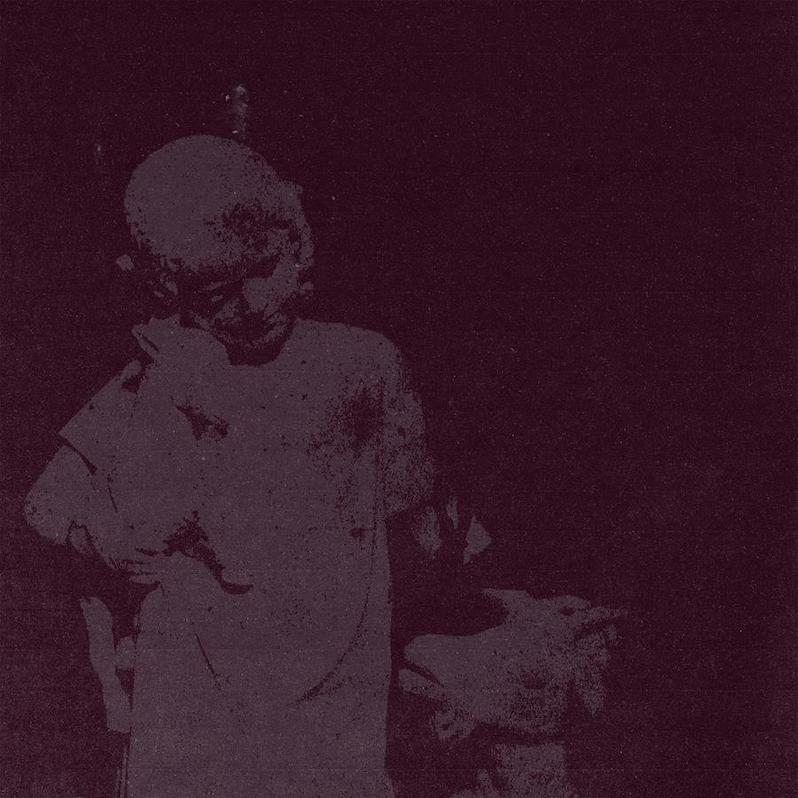
Vancouver post-punk band DOUR’s debut album, AGORA, is a succinct offering of catharsis both valiant and encumbered by personal tragedy. On one hand, the young musicians offer a dreary view of contemporary life dominated by the internet’s information overload, which leads to social erosion and societal manipulation when left in the wrong hands. The band’s propulsive, tenebrous Preoccupations-like gothic rock is the perfect sonic language to convey their disaffection—urgent sprints of deep despair accompanied by forlorn narration. A thoughtful band who live up to their name. On the other hand, AGORA is tragically heavier than the criticisms they deliver—the entire record was written by an earlier three-piece lineup that included co-writer and bassist Gabe Jacob Ferman, who unfortunately passed away in January.
The final album has been left as is, even though DOUR have since re-emerged as a four-piece still helmed by original frontperson Zak Salehian. AGORA then becomes a tale of what to do with a dearest someone’s art when they’re gone: you immortalize, preserve, and celebrate their legacy beyond the space where it was created. The commentary on AGORA could, when viewed extremely, be the root causes of agoraphobia and the like. Yet the new DOUR’s purpose in this music and its context rather displays collective grieving as healing and music’s powerful role in so.
AGORA is built on truth, so what was once merely a critique of modern disillusionment is an earnest fight into mental health crises, also likely in the name of their beloved friend Ferman, who was sadly embroiled in his own battle from a young age. The scorching, reverberant guitars on “Neophiliac” match the suffocating insularity that comes with living consumed “screen to screen.” “Towers” has an immediate post-punk throb and speaks to the imprisoning endless entertainment at our fingertips. “Laugh” features freewheeling, frenzied riffs that convey the brutal saving face when hurting and feeling afraid to open up. AGORA ends on a more minimalist note—the penultimate track “Call” starkly outlines the desperation to hear back from a significant other and “need[ing] [their] smile,” where that wait “eats you away.”
DOUR advocate for a world where the repercussions of immediate interconnectedness are further fought against, in the hopes that others will follow suit and can save themselves and others. The material DOUR wrote is now to be taken in a different light by honoring Ferman, and it’s a beautifully emotional purge for that reason: His legacy will endure, and as the lineup is reinvented, theirs will too.
Label: Tuna Records
Year: 2026
Similar Albums: