

Geese : Getting Killed

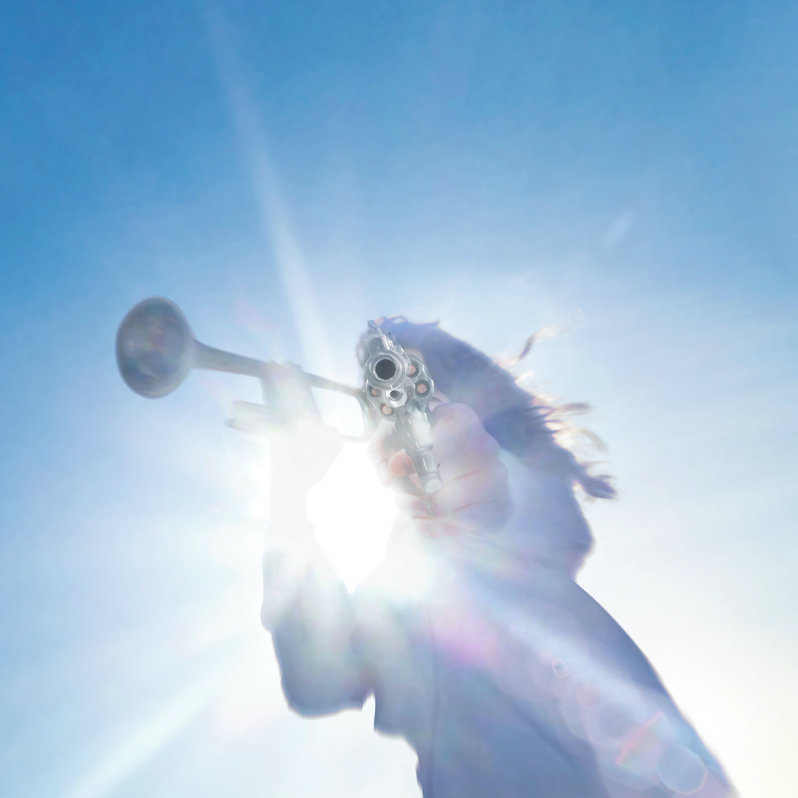
Geese’s sensationalism is deserved. Here are four early 20-somethings from Brooklyn, gearing up for rock ‘n’ roll reinvention, and their unconventional emergence explains it all. Geese could’ve been written off as another wacky offshoot of the Windmill scene with their formal 2021 debut album, Projector, despite being on the other side of the world. Yet, its wonderfully zany and beguiling 2023 follow-up, 3D Country, proved otherwise: Stretching the essence of Ween and the Rolling Stones into a refreshing rock sound. Then, there was the left turn—frontman Cameron Winter’s mesmerizing 2024 solo debut, Heavy Metal, an unsuspecting success placing him as more than his elastic voice, but a shrewd singer/songwriter in his own right.
That Winter can stand on his own without his compatriots could be a cause for worry. It’s unprecedented for a frontman’s solo effort to be in the place of a band’s next evolutionary step, when their prowess is still being unveiled. Instead, Geese’s enthralling rhythm section of guitarist Emily Green, bassist Dominic DiGesu, and drummer Max Bassin has put themselves on an equal footing with Winter. Across Getting Killed, the athletic pace and curious eccentricity never let up; the mutant fusion of blues, roots, and good old golden indie rock stays wholly entrancing on everyone’s part.
One aspect is undeniable: Getting Killed is immaculately produced. 3D Country was already a spectacle, with Green’s witted guitar licks and Bassin’s dense percussion sprawling in each song, but the new partnership with producer Kenny Beats lends to unfolding arrangements pushed to the forefront. “Trinidad”’s eventual, volatile solos land like scratches on rusted metal. Every single clash and clang can be discerned amidst the title track’s calamitous chants and jangles. DiGesu’s low-slung, marching bass in “Islands of Men” readies the band to pounce into the song’s conclusive, percolating krautrock groove. “Bow Down”’s stop-start drums and riffage are blues music on edge. Overall, Bassin’s skittering pitter-patter is as important as that heard on Radiohead’s In Rainbows—it’s that which drives all these songs.
A necessary throughline that has the album’s admirers in a chokehold is its breezy, dreamy quality absent from much of modern indie. Likely a product of our precarious times, big indie bands of the minute cope with societal burdens, identity crises, and anticipatory anxiety solely with severity, rather than sometimes tending to all of that lightly. Think Broken Social Scene, Pavement, and even American Football—they’re all hopeful, reckoning with those same things, but it’s never naïve or contrived. With Geese as talented as they are, they all could lean into self-indulgence or cynicism, but they don’t. On the sprinting closer, “Long Island City Here I Come,” when Winter cries out, “I have no idea where I’m going / Here I come,” he’s telling the truth. He’s a mouthpiece for our desperate, disillusioned youth, but his howls for hope are anything but sappy.
Clearly, Getting Killed is of towering stature. The poignant chords in “Au Pays du Cocaine” are as devastating as the twinkly xylophones in Radiohead’s “No Surprises.” Winter’s forward pleading for companionship is felt, even if curtailed by his oblique absurdism: “Like a sailor in a big green coat, you can be free / You can be free, just come home, please.” Then, the sudden, powerful sense of release in the taut “Taxes” is as blisteringly optimistic as the switch-up in LCD Soundsystem’s “Dance Yrself Clean.” Winter’s crushing resignation takes Getting Killed’s bittersweet grandeur to another level, one that’s as moving as Pavement’s “Gold Soundz”: “I will break my own heart from now on.”
These two songs alone are strong enough to ensure their place in the upper echelon of indie music’s finest classics. That also applies to Getting Killed as an album. Geese know the playbook: Make the old sound feel fresh and new once again. Yet they’re living it, confronting the enduring upheaval of their generation and inviting their peers to face it as fearlessly as they are. Their urgency, then, paints the hype as so much more.
Label: Partisan
Year: 2025
Similar Albums:
Geese : Getting Killed
Note: When you buy something through our affiliate links, Treble receives a commission. All albums we cover are chosen by our editors and contributors.
