

9 Great Ambient Albums from Summer 2025

AI-generated slop is flooding today’s cultural waters, leaving behind a toxic bloom that suffocates artistic survival in its wake. While nearly all intellectual labor grapples with scammers eager to churn profits from cheaply produced mimicry, music—and ambient music especially—faces this crisis most profoundly.
Ambient-focused Reddit communities have erupted this past year over the growing flood of synthetic soundscapes polluting Spotify playlists, YouTube channels and countless other streaming hubs. Artists themselves have spoken forcefully against tech companies harvesting their work to churn out off-key knock-offs. The situation for artists reached such dire proportions that, last month, YouTube announced tighter restrictions on monetizing AI-generated filler content, a belated attempt to curb exploitation.
When even a giant like Google feels compelled to step in, acknowledging the erosion of trust caused by AI’s unchecked garbage, we’re beyond debating the role of artificial intelligence in creative spaces.
Such conversations are somewhat of a contradiction for me. Professionally, my work involves seeing the potential of technology to help us. Yet the music argument isn’t really about computers, per se. As Thom Holmes and others have documented, ambient music has thrived at the intersection of technology and expression for generations. Instead, it’s about respecting artistic intent and human storytelling. Cal Newport is among many who argue the detrimental effect AI can have on the irreplaceable nuances humans bring to intellectual and creative pursuits.
In this instance, ambient music isn’t synthesized white noise mindlessly assembled by a language model belching out damaged versions of your favorite classics. At its heart, ambient remains an art form anchored in personal narratives, lived experiences and genuine feelings. From Brian Eno’s pioneering songs to Aphex Twin, Stars of the Lid and Tim Hecker shaping what young artists make from bedrooms around the world, ambient reflects lives. At many turns, the music can also convey how technology intersects those lives. Thoughtfully used AI can, moreover, play a constructive role in certain projects. Take, for example, Asa Horvitz’s album GHOST, which brilliantly incorporates machine learning to tell a painful story of loss.
This roundup of fresh ambient, New Age and related works celebrates precisely those kinds of human stories. Music fans like you crave authentic reflections. These meaningful explorations make ambient music, and all music, timeless and essential.
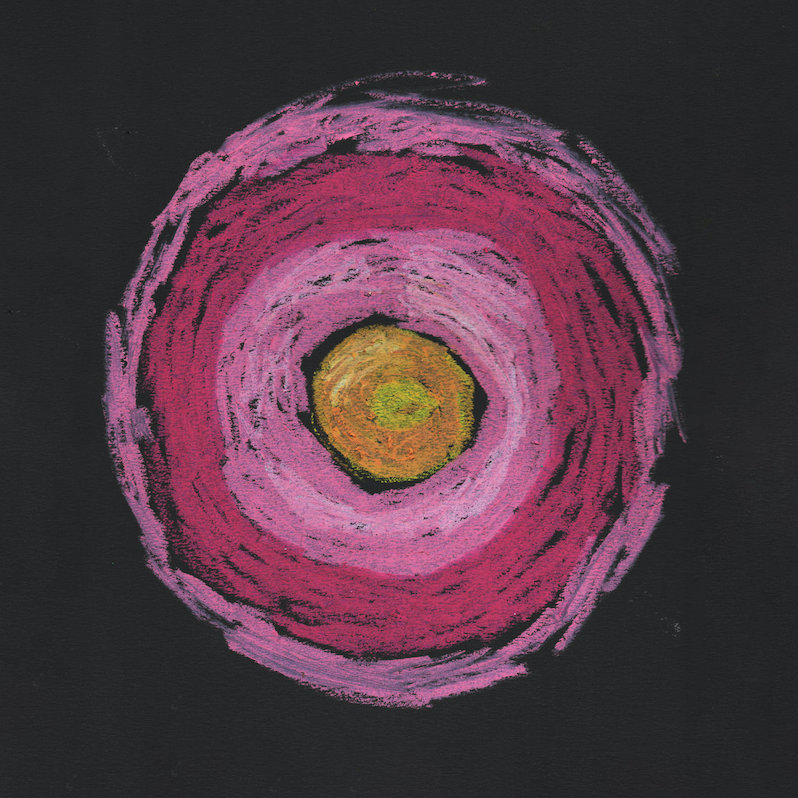
Willow Skye-Biggs – Elsewhere
Over the course of 70 minutes, Willow Skye-Biggs invites listeners into a sustained meditation on grief and memory. Elsewhere emerged from a year and a half of mourning the death of her uncle, a towering presence in her life. That personal weight lingers in every frequency. And though she has built a prolific catalog across genres for more than 15 years, this record feels uniquely charged with feeling.
What makes Elsewhere resonate deeply is its unpredictability. “The Spell” carries a fleeting rustle, like breezes tracing the edge of a structure half-remembered. “Interior Castle” unfolds with an almost tactile intimacy, as if the outdoors is gently pressing against the walls of your listening space. On “Pinkhal,” a low hum threads its way through the mix, grounding you while opening a door to somewhere out of reach. “Ring of Bone” pulses with irregular momentum, its rhythm slightly askew, suggesting a presence both alien and familiar.
Skye-Biggs’ background as a filmmaker and visual artist is evident in her ability to shape an environment through sound. Nothing feels accidental. The album breathes, recedes, approaches. It gives you room to notice. To sit with whatever rises. Elsewhere may be rooted in personal loss, but it unfolds into something generously communal. This is an invitation to linger, to listen closely, to drift and return.
Listen/Buy: Bandcamp

Madeleine Cocolas – Synthesis
Australian composer and producer Madeleine Cocolas is back this month with another memorable album, one that haltingly captures the essence of memory and place. Cocolas, whose innovative methods have earned praise from the likes of Pitchfork and NPR, draws upon her journey back to Greece, her ancestral homeland. This recording represents a journey that was 20 years after her first visit. Herein, she weaves field recordings from locations such as the peak of the Acropolis, the ancient gates of Mycenae, the imposing Bourtzi Fortress and Nafplio’s serene St. Georges Church into compositions rich with personal recollections.
The resulting album, Synthesis, is quietly arresting. From its opening track, “Where We Began,” Cocolas merges resonant keys and subtle atmospheres with vivid audio snapshots, creating a deeply immersive experience. The emotional intensity deepens in “Parthenon,” before easing into reflective tranquility with “The Lion’s Gate.” On “Theory of Divination,” floating vocals lift gracefully atop shimmering textures, guiding listeners upward.
Synthesis not only solidifies Cocolas’ position among ambient devotees, but also warmly connects with new listeners into her evocative world.
Listen/Buy: Bandcamp
William Tyler and collaborators – Across the Horizon: Drop 8
A project of Northern Spy Records and Bob Holmes of SUSS, Across the Horizon pairs a new track by one artist with original works from two others, drawing unexpected lines between genres and influences until they converge—across the horizon, so to speak. For its final installment, guitarist and composer William Tyler takes on the role of guest curator (see my April Treble review of his Time Indefinite for more on his work). His new piece, “Passport to Magonia,” is a luminous wash of guitar resonance, its spacious echoes born from recording inside an abandoned seven-story steel water tower in remote western Colorado. It’s a marvelous song.
Tyler’s collaborations here feature two distinctive voices in ambient and experimental music: claire rousay and Julianna Barwick. With rousay, “Covert Services” begins in a haze of retro, space-borne tones before opening into Tyler’s warm guitar lines. Processed vocals and delicate synths give it a quality that feels both welcoming and slightly alien. In “Drift of the Jenny,” inspired by the 19th-century ghost ship frozen near the Arctic, Barwick’s signature harmonies stretch over Tyler’s slow, deliberate chords, carrying the weight and stillness of a vessel adrift.
As Across the Horizon draws to a close, Northern Spy and Holmes have gathered eight editions’ worth of these cross-genre encounters, available together at a price far below their value, for those ready to explore the full arc of this inventive series.
Listen/Buy: Bandcamp
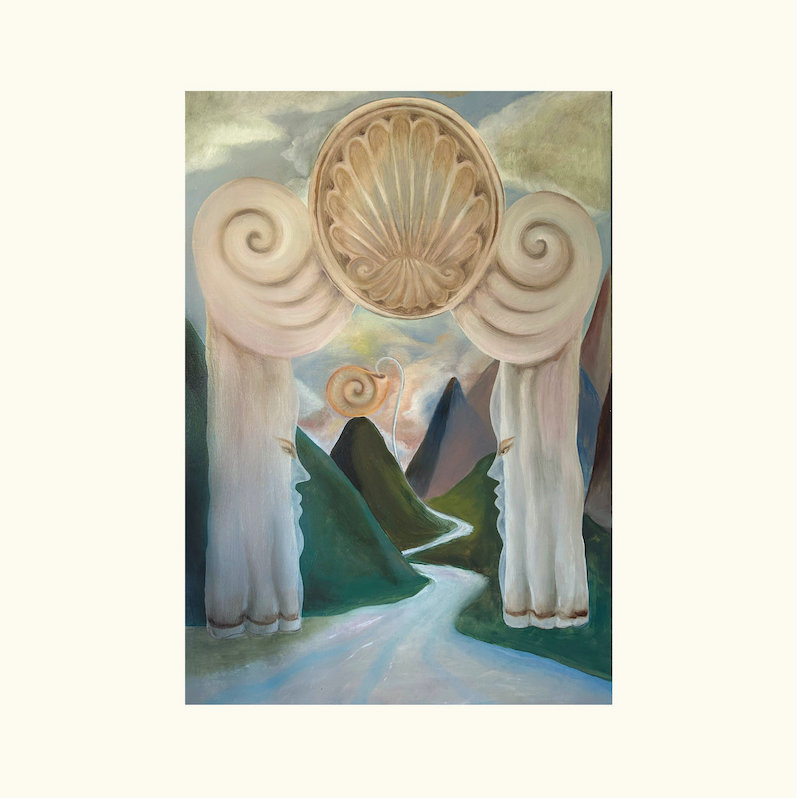
Sofie Birch and Antonina Nowacka – Hiraeth
Released July 18, Hiraeth from Sofie Birch and Antonina Nowacka is already stirring conversation as one of this year’s best ambient releases. And it earns every bit of that praise. Across 14 deeply textured tracks, the duo returns with a follow-up to 2022’s Languoria that feels more personal and somehow even more daring.
Recorded in the quiet of Sokołowsko, a small town in southern Poland, Hiraeth unspools and shifts in form the closer you listen. Birch and Nowacka started many of these compositions in the physical, utilizing analog instruments laid down first, before building into the liminal, with layered synths, field recordings, organs and uncanny tones.
Songs like “Love object” and “Comes with sunset” are dazzling in their ambition. From “Rabbit’s hole”’s backward masking that hums like a secret to tremulant textures in “Suosan” that shimmer and vanish to vocals that surface like memory, there’s very much something in Hiraeth. To me, it is like a kind of archaeology that rewards close, repeated listening.
Listen/Buy: Bandcamp
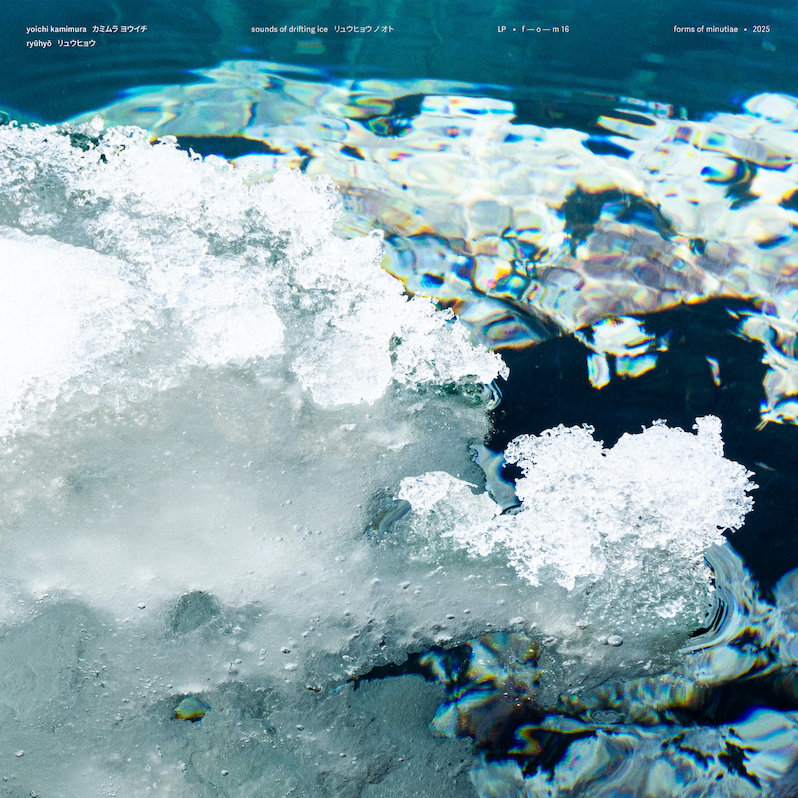
Yoichi Kamimura – Ryūhyō
Among this year’s ambient offerings, Yoichi Kamimura’s ryūhyō emerges as something entirely distinct. An acclaimed sound artist and meticulous field recordist, Kamimura spent four years documenting Japan’s drifting sea ice along the coast of Hokkaido in the Sea of Okhotsk. Released in conjunction with the United Nations’ 2025 International Year of Glaciers’ Preservation, the album underscores the pressing urgency of climate change. Over years of careful listening, Kamimura captured subtle, almost human murmurs from the ice. Yet, as time passed, these once-clear whistles faded into raw, weary groans, an audible reflection of an environmental crisis.
Throughout ryūhyō, listeners experience the friction of glacier against glacier, a remarkable chorus of gurgles and watery churns that wash out the lines between natural events and music. The opening track immediately situates you within this fragile ecosystem, filled with distant gull cries, trickling meltwater and the poignant cracking of thinning ice. “ibiki” resonates with deep vibrations of fissures shifting beneath the surface, while “shima-fukurou” delicately portrays an environment slowly dissolving, the gentle movements of water replacing what once stood firm.
Combining airborne and underwater recordings, Kamimura captures the contrast between tranquility and upheaval, as seals, owls and other creatures navigate habitats that grow increasingly tenuous. These recordings aren’t merely documentation. In reality, they are quiet pleas and urgent reminders of what stands to be lost. ryūhyō becomes a kind of somber archive, at once deeply personal and profoundly global. It’s an unforgettable narrative whose beauty and pain feel necessary and immediate.
Listen/Buy: Bandcamp
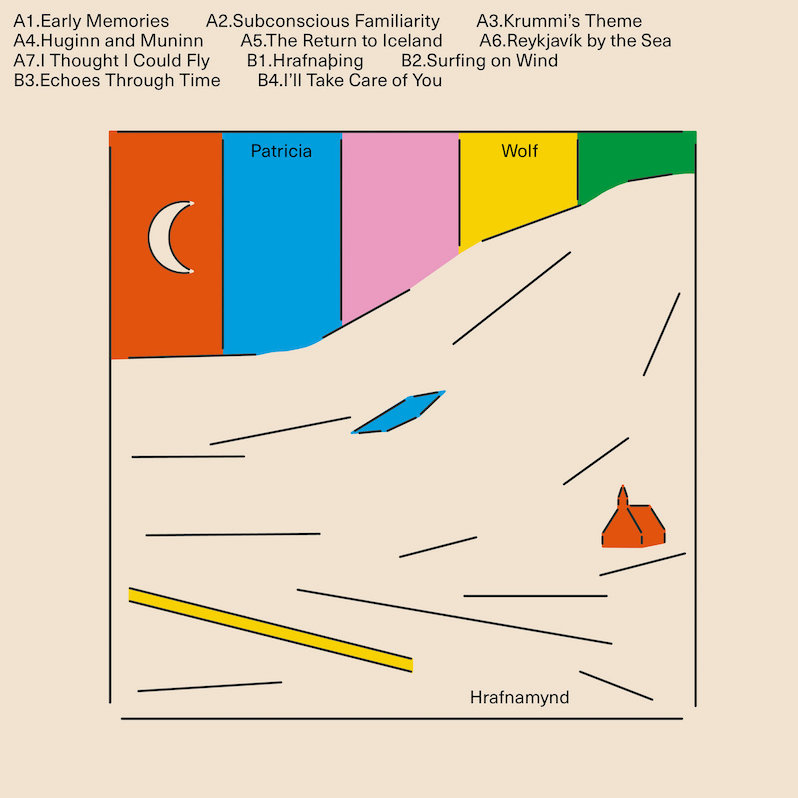
Patricia Wolf – Hrafnamynd
J. Scott, host of KCSB’s Lux Obscura, and I have traded many messages about Patricia Wolf’s Hrafnamynd, a release that’s quietly impressed us both since its arrival in July. Composed as the score to Edward Pack Davee’s experimental film of the same name, Hrafnamynd washes away the boundary between sound and image. Its weight comes in weaving silvery ambient passages with intricately layered field recordings that feel as exacting as they are instinctual.
Wolf has always had a gift for evoking interior worlds, but this work feels like an expansion, not just in scale, but in emotional nuance. Tracks like “Subconscious Familiarity” may recall the spacious terrain of See Through, her 2022 release on Balmat, yet here the ideas feel more deeply rooted, more restless in their searching. “Krummi’s Theme” moves with delicate restraint, its bowed strings sweeping past like memories barely surfaced. And then there’s “Reykjavík by the Sea,” whose elegant title mirrors the music’s sense of tidal movement. This album stays with you because of songs like this, where the music feels moored in place, yet always shifting.
The centerpiece, “Echoes Through Time,” clocks in at 12 minutes, but for the listener certainly moves outside of time altogether. Its layered pulses and textures build both toward a climax, and also into a kind of gravity. It’s not the only time you’ll be pulled back again and again. In truth, this is the kind of album that lives with you, insistently and long after it ends.
Listen/Buy: Bandcamp
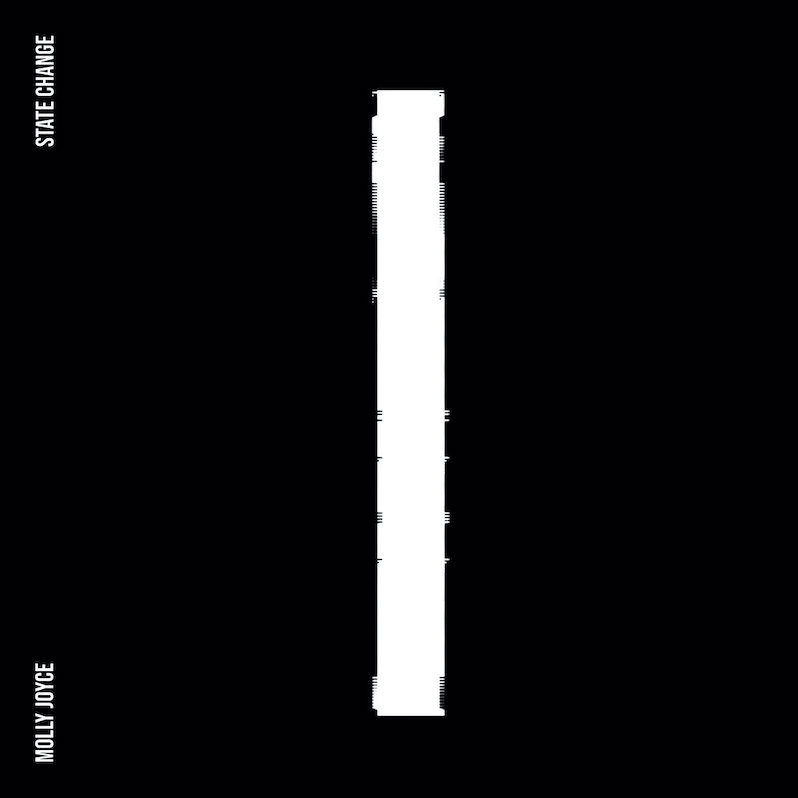
Molly Joyce – State Change
The resonant drone that opens into hovering vocals on “August 6, 1999” immediately sets the contemplative tone of Molly Joyce’s latest, State Change, released last month via FatCat Records’ 130701 imprint. Throughout the album, Joyce explores memories rooted in childhood trauma, using sustained notes to anchor stories of personal struggle. At age seven, Joyce survived a car crash that nearly severed her left hand, a formative moment that still shapes her life today. Each track title corresponds to pivotal surgical dates in her ongoing recovery.
Across seven evocative pieces, sparse yet purposeful notes frame Joyce’s poetry and recollections. Tracks such as “August 9, 1999” drift softly, like distant lights, while the rhythmic pulses and charged tension of “August 13 + 16, 1999,” featuring the dynamic presence of Fire-Toolz, offer a visceral intensity. Embedded within the textures are intimate, and at times clinical, narratives of uncertainty and healing. “Bone saw / reset / closure / softness” goes one line. Employing adaptive technologies, including motion-capture systems and touch-sensitive instruments, Joyce’s gestures become part of the music itself, making State Change both a composition and physical experience. The resulting journey feels like defiant resilience.
For listeners accustomed to ambient’s quietude, the urgent currents of “November 24, 1999” reveal an underlying tension rarely explored in the genre. Joyce, who has garnered acclaim since her compelling 2020 debut Breaking and Entering and the inventive 2022 release Perspective, has crafted State Change from what began as doctoral research. Ultimately, the project transformed into something deeper, a testament to her own profound transformation.
Listen/Buy: Bandcamp
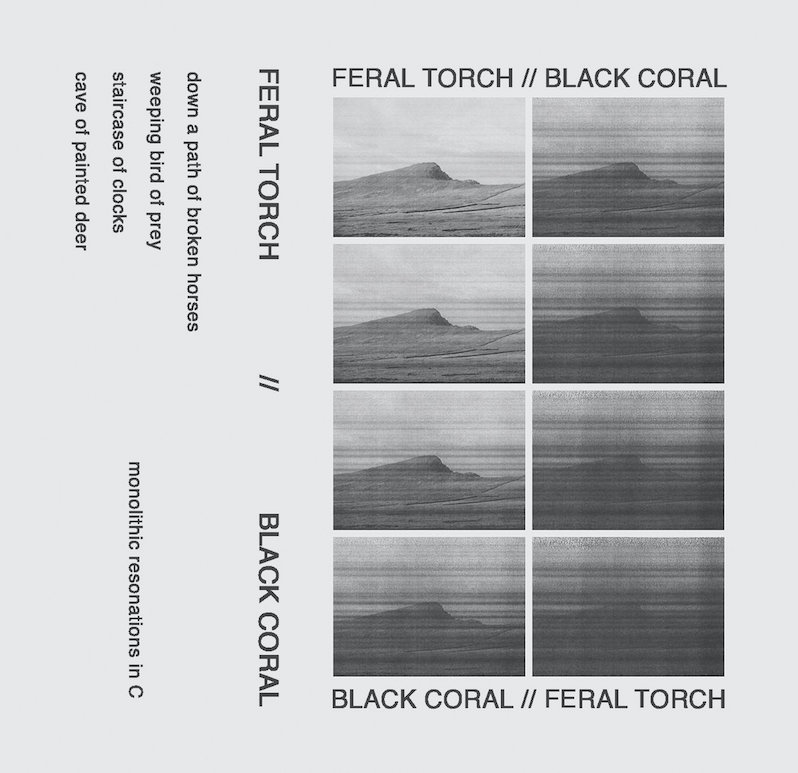
Feral Torch and Black Coral – split
Lovers of noise-tinged ambient (as I sometimes play on CAMP Radio’s Ghost Frequency) will find much to stew themselves in on this independent split. Feral Torch guides the experience, contributing four of the five tracks, beginning with “Down A Path of Broken Horses,” where static-infused hums and complicated textures suggest the atmospheric depth of an artist like Atrium Carceri. The mood softens slightly on “Weeping Bird of Prey,” where lingering echoes and spectral tones create a mournful elegy reminiscent of early works by Kammarheit.
Black Coral contributes the 23-minute closer, “Monolithic Resonations in C,” the release’s most expansive journey. Electronics undulate slowly, building an ominous but restrained tension akin to Thomas Köner’s stark soundscapes. The piece breathes steadily, enveloping you in waves of unease that never fully resolve, inviting ponderance within its unsettling calm.
Listen/Buy: Bandcamp
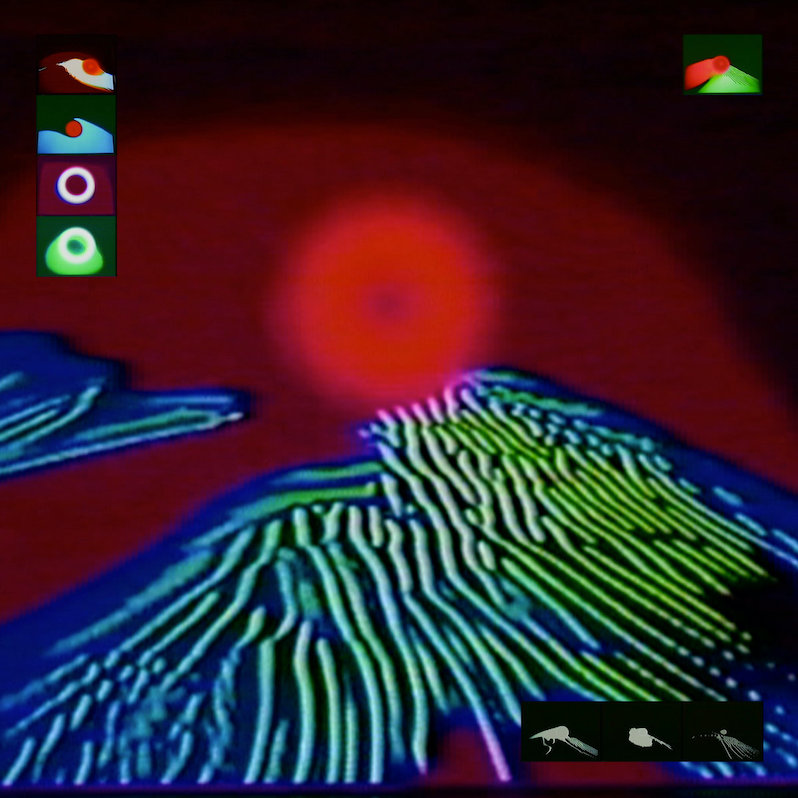
Blankfor.ms – After The Town Was Swept Away
And fans of ambient enriched by electronic textures have plenty to appreciate in the work of Brooklyn-based composer Tyler Gilmore, better known as Blankfor.ms. Gilmore returns following his striking 2023 album In Part with an expressive 12-song LP release in early September, titled After The Town Was Swept Away.
Throughout his discography, Blankfor.ms consistently finds fresh ways to blend ambient foundations with jazz-inflected rhythms and distinctive electronic experimentation. His 2019 release, Side A Feelings, remains notable for the imaginative interplay of abstract textures and found sounds woven into unusual arrangements.
This latest album emerges from two deeply personal milestones in Gilmore’s life: the arrival of his first child, juxtaposed with the loss of his mother to cancer. Yet, rather than focusing solely on grief, After The Town Was Swept Away becomes an affirmation of life’s vibrancy. Tracks like “Formed By The Slide” highlight this approach, with airy vocals gracefully floating atop radiant synthesizers. Elsewhere, on “A Fleet of Celebrants,” analog tape loops and rhythmic fragments from drum machines dissolve and reassemble, mirroring the continuous process of loss, renewal and hope that resonates throughout the album.
Listen/Buy: Bandcamp
All Things Considered
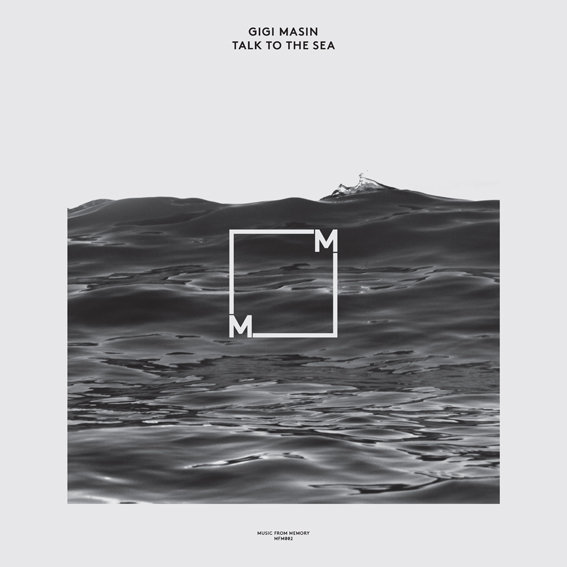
Gigi Masin – Talk to the Sea
Beyond referencing the legendary NPR show (friendly reminder: support local public radio, y’all), All Things Considered looks back at an underappreciated great within ambient music that deserves your attention. Gigi Masin’s masterful 2014 LP is the kind of ambient record that rewards that return.
The Venice-born composer, a revered figure in ambient circles for decades, has influenced everyone from Björk to Post Malone and introduced his gentle approach to countless new listeners. Collaborating with Jonny Nash and Young Marco as Gaussian Curve, Masin has consistently delivered unforgettable recordings since 1986. His output is in fact still capturing listeners with thoughtful compositions and refined musical worlds. Yet among his extensive catalog, Talk to the Sea shines especially bright, encapsulating many of the most affecting moments of his creative life.
Behind the beauty of Talk to the Sea lies a somber story. In 2007, a devastating flood in his hometown wiped out most of Masin’s equipment, recordings and musical archives. Heartbroken, Masin stepped away from music, eventually returning when he acquired a computer to rebuild his musical practice. Fearing further loss, Dutch label Music From Memory’s Jaime Tiller and Tako Reyenga reached out, partnering with Masin to preserve his remaining work in a thoughtfully curated retrospective. That collection became Talk to the Sea.
Across its generous runtime, the record reveals Masin’s gift for blending experimentation with emotional sincerity. Tracks like “The Word Love” astonish even now, by using unexpected reverb textures that dissolve gracefully into serene passages. On “The City Lights,” bell-like tones and subtle synth movements evoke a nocturnal stillness. The result is somehow calming yet vibrant. “The Kasparian Circle” begins with gentle mechanical murmurs before gracefully lifting into luminous harmonics. And with the digital edition’s five additional pieces, listeners receive even deeper glimpses into Masin’s artistry. Masin’s sound remains timeless and expressive, and Talk to the Sea is a special collection.
Listen/Buy: Bandcamp
Treble is supported by its patrons. Become a member of our Patreon, get access to subscriber benefits, and help an independent media outlet continue delivering articles like these.
