
Horse Lords – Demand to Be Taken to Heaven Alive!


That Horse Lords have gone this far without implementing vocals into their fluid, accessibly avant garde hybrid of sounds doesn’t mean the concept is all that hard to fathom. The Berlin-by-way-of-Baltimore band’s sound has roots in no wave and post-punk, krautrock and math rock, all forms in which vocals aren’t just welcome, but often provide a platform for a highly charismatic vocal presence at that (see: Damo Suzuki, James Chance, et al.). But Horse Lords still don’t have a lead singer, nor did they hand the mic to the likes of Gary Numan or Yes vocalist Jon Anderson as Battles once did. The first sounds on Demand to Be Taken to Heaven Alive!, rather, are those of Nina Guo and Evelyn Saylor, who engage in a brief choral interpretation of a 19th century harp piece, processed through Auto-Tune and made uncannily beautiful, though more than a little disorienting. In less than a minute, sampled fragments of their vocals become part of the series of repeating and gradually evolving patterns of groove in “Brain of the Firm,” an act of reanimating the archaic.
The juxtaposition of “Eureka 378-B” and “Brain of the Firm” are something of a microcosm of Horse Lords’ complex web of sonic elements, intertwining funk, post-punk and progressive rock with Sacred Harp music and minimalism—a stunning whole that on paper might be a lot to process but presented with a rhythmic immediacy. Horse Lords have, since their 2012 debut, maintained a balance of contrasting elements in a kind of equilibrium, the groove of Afrobeat underpinning forays into microtonalism or patterns inspired by gamelan incorporated into hypnotic math rock arrangements. All of which are present on Demand to Be Taken to Heaven Alive!, which throws a few new elements—like, for instance, vocals—into one of the most cohesive applications of their consistently evolving experimental groove session to date.
However challenging it might be to describe Horse Lords in simple terms, they’re nonetheless a proper band whose music is crafted from the act of four people playing in a room, using that physical, in-person presence in building harmony and rhythm. That hasn’t changed on Demand, at least not in terms of the bigger picture, though remarkably their parts were tracked separately in Berlin and Baltimore, despite the cohesion, fluidity and physicality of the music. The band has said that “trusting each other’s concepts and visions was more important than repeatedly playing a section to see if the music worked,” though paradoxically, that trust comes from, of course, playing together for many years. Whatever the method, the four members of the group still feel as if they’re physically riding the same wavelength, as evident in the playful robot funk of “First Galactic Utopia,” the tense layers of drone on “Before the Law,” or how an acoustic intro gives way to a call-and-response progressive no-wave funk in “After the Last Sky.”
While Demand to Be Taken to Heaven Alive! isn’t a suite in the strictest sense, there’s an interconnectedness among the tracks that holds together the greater whole. Voice interludes from Guo and Saylor provide a kind of adhesive between the more layered pieces, while recurrent motifs appear throughout the record, the individual tracks distinguishable and certainly outstanding on their own, but part of a greater ecosystem that’s more rewarding as a greater whole. You can listen to it out of order, and I did the first time by mistake, but the listening experience grows so much richer through the sequencing as the band presents it here, with stunning flashes of inspiration appearing through moments like when the arrangement of “Before the Law” seamlessly transitions into the sparse acoustic opening of “After the Last Sky.”
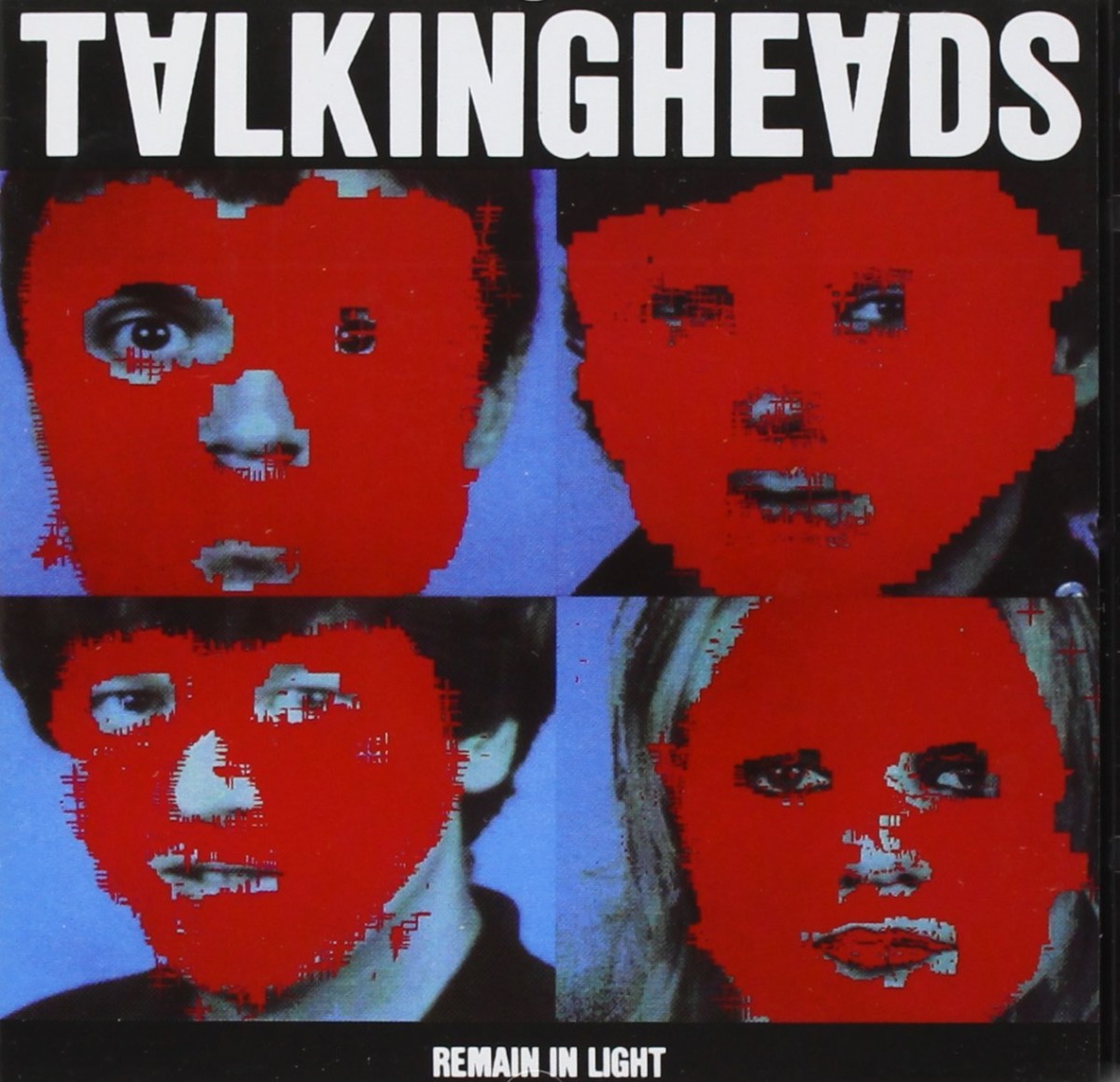
The album also yields some of its greater rewards in its final trio of tracks, lending added credence to the idea of its sequence not just being meticulous but ideal in how it builds to a climax. The first of this triptych, “A City Is Yet to Come,” is one of the most fascinatingly layered pieces here, with squelchy synth whooshes punctuating Madison Greenstone’s clarinet squiggles alongside Andrew Bernstein’s sax and Weston Olencki’s trombone, in addition to overlapping passages from the vocal duo—something like Einstein on the Beach by way of Remain in Light-era Talking Heads. The funk grows deeper, the groove more rubbery, and there’s more swagger in their strut on “Second Galactic Utopia,” ultimately dissolving into a series of croaking synths that sound a little like a chorus of amphibians. And though “straightforward” isn’t a word that typically applies to a band like Horse Lords, there’s an alignment of elements on the title track, a locked-in relationship between the fragments of voice and synth and the underlying groove that feels seamless even amid the subtle variations and shifts in its patterns.
In its invocation of the sacred in its minute-long opener and its recurrent language of utopia—its very title a cry to ask something better of humanity—Demand to Be Taken to Heaven Alive! is an ecstatic work. Even when operating strictly instrumentally, Horse Lords employ a language that speaks to the spiritual, the political and the creative as one interconnected body, because in a sense they are—all three threatened by a capitalist machine that would claim ownership of your soul in order to rent it back to you in gradually escalating amounts. As such, Horse Lords’ pursuit of liberation goes directly through the possibilities uncovered through their music, the interlocked threads of which only seem paradoxical until it’s all put into practice. In our review of the band’s 2022 album Comradely Objects, Langdon Hickman pondered, “Given that tautness, discipline and control … is their sonic calling card, one wonders how far down into the rabbit hole of more loose-limbed material they can possibly go.” Demand to Be Taken to Heaven Alive! only further suggests the sky’s the limit—expect nothing less.
Label: RVNG Intl.
Year: 2026
Similar Albums:
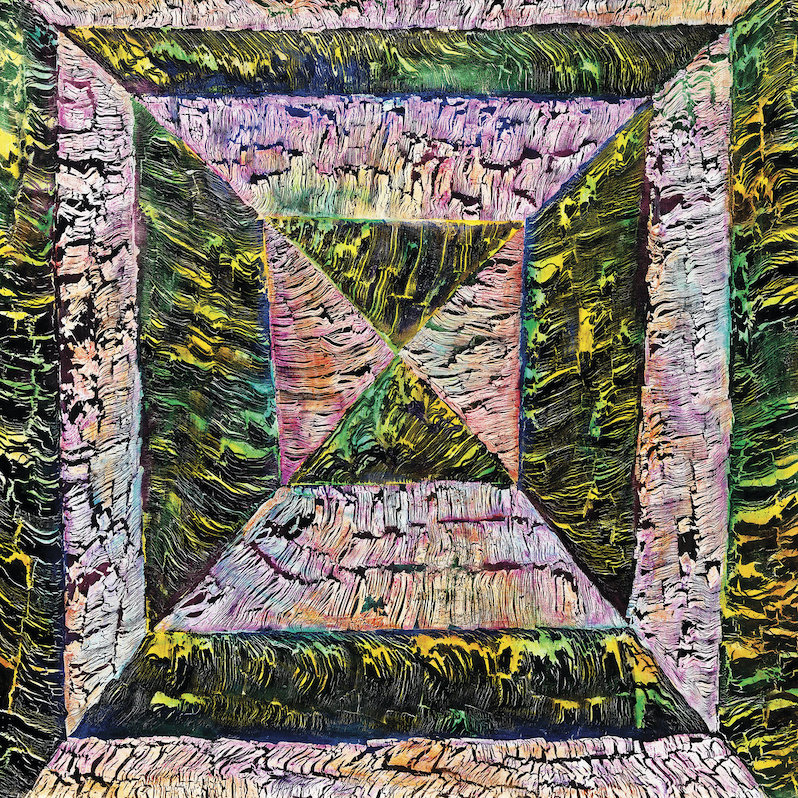
Horse Lords : Demand to Be Taken to Heaven Alive!
Note: When you buy something through our affiliate links, Treble receives a commission. All albums we cover are chosen by our editors and contributors.