A Beginner’s Guide to the music of David Eugene Edwards

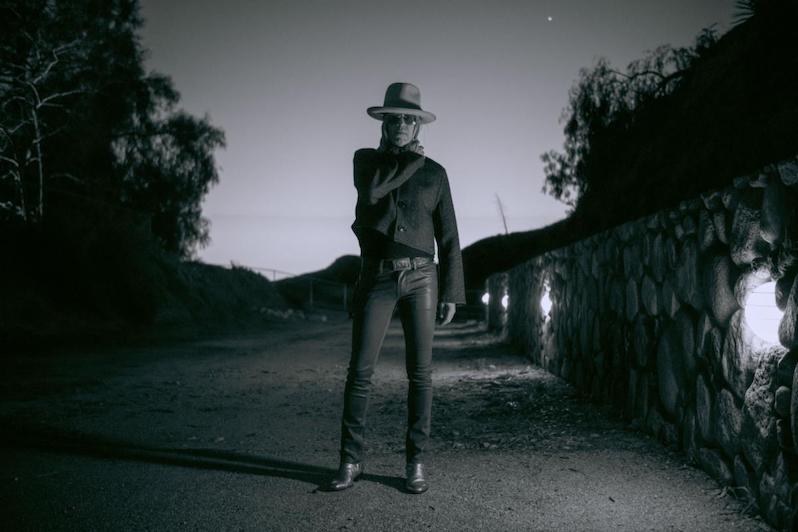
In a recent live video shot in Höganäs, Sweden, during 16 Horsepower‘s recent European reunion tour, frontman David Eugene Edwards cuts a mysterious figure. With shaggy long hair, and donning a hat and aviator sunglasses, he burns through slide guitar riffs on a vintage guitar in set closer “For Heaven’s Sake,” a sound too loud and abrasive to be traditional blues but carrying the spectral air of a time long past. His presence is somewhere between enigmatic mystic and genuine rock star, emblematic of the spiritually bound and frequently intense music he creates.
A prolific artist with a history in bands dating as far back as the ’80s, Edwards has a deep catalog of music with his two best-known outlets, the influential gothic-country band 16 Horsepower and his long-running, shape-shifting project Wovenhand, in addition to records he’s released under his own name. Yet while his sound has evolved over time, blending a foundation of traditional American folk music with gospel, post-punk and alt-country, it invariably carries a singular darkness, paired with a deep sense of spirituality. The grandson of a Nazarene preacher, that background, along with his own faith, has heavily informed his songwriting—though he admits to having never liked contemporary Christian music (and “CCM” audiences never particularly liked his music either). And in his youth, he found himself drawn to darker, secular music like Joy Division and The Gun Club (each of which has been covered by 16 Horsepower).
“I guess I grew up around a lot of sad things so it was really easy and comfortable for me listen to bands like Joy Division or Nick Cave And The Bad Seeds,” Edwards once said about his influences. “What I found beautiful in the music that I listened to was that people were being honest. I felt that Ian Curtis was being very honest to me when he was singing to me.”
With 16 Horsepower set to play their first U.S. show in two decades at the Fire in the Mountains festival, I’ve put together a guide to essential recordings in the David Eugene Edwards catalog, including 16 Horsepower, Wovenhand and solo material, all of which showcase different aspects of a singularly powerful sound.
Note: When you buy something through our affiliate links, Treble receives a commission. All albums we cover are chosen by our editors and contributors.
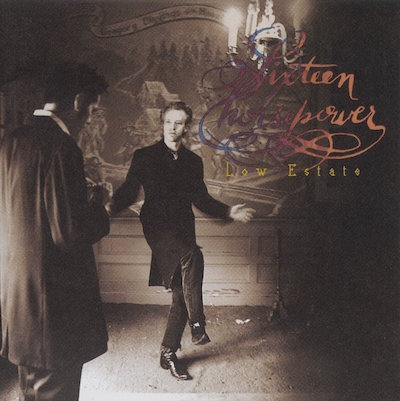
16 Horsepower – Low Estate (1998)
There isn’t anything less than a stellar album in the bunch, but 16 Horsepower’s sophomore album Low Estate is an uproarious introduction to the band, as it was for me back in 1998. Produced by longtime PJ Harvey collaborator John Parish, the album finds the group cranking the volume while continuing to traverse the uncanny portal between the modern and the archaic. “For Heaven’s Sake,” driven by furious riffs and a furious tension-and-release cycle, takes the gothic country aesthetic of their debut Sackcloth ‘n’ Ashes and dials up the distortion, while “Dead Run” kicks the tempo up to a sprint. And while there’s a charmingly rustic quality to the banjo-driven “Ditch Digger” or closing waltz “Hang My Teeth On Your Door,” the lighter moments are only a brief reprise from moments like the intense opener “Brimstone Rock” or the ghostly “Phyllis Ruth.” This is dark, at times harrowing music, but it’s also some of the band’s most exciting.
Listen/Buy: Spotify | Amazon (vinyl)
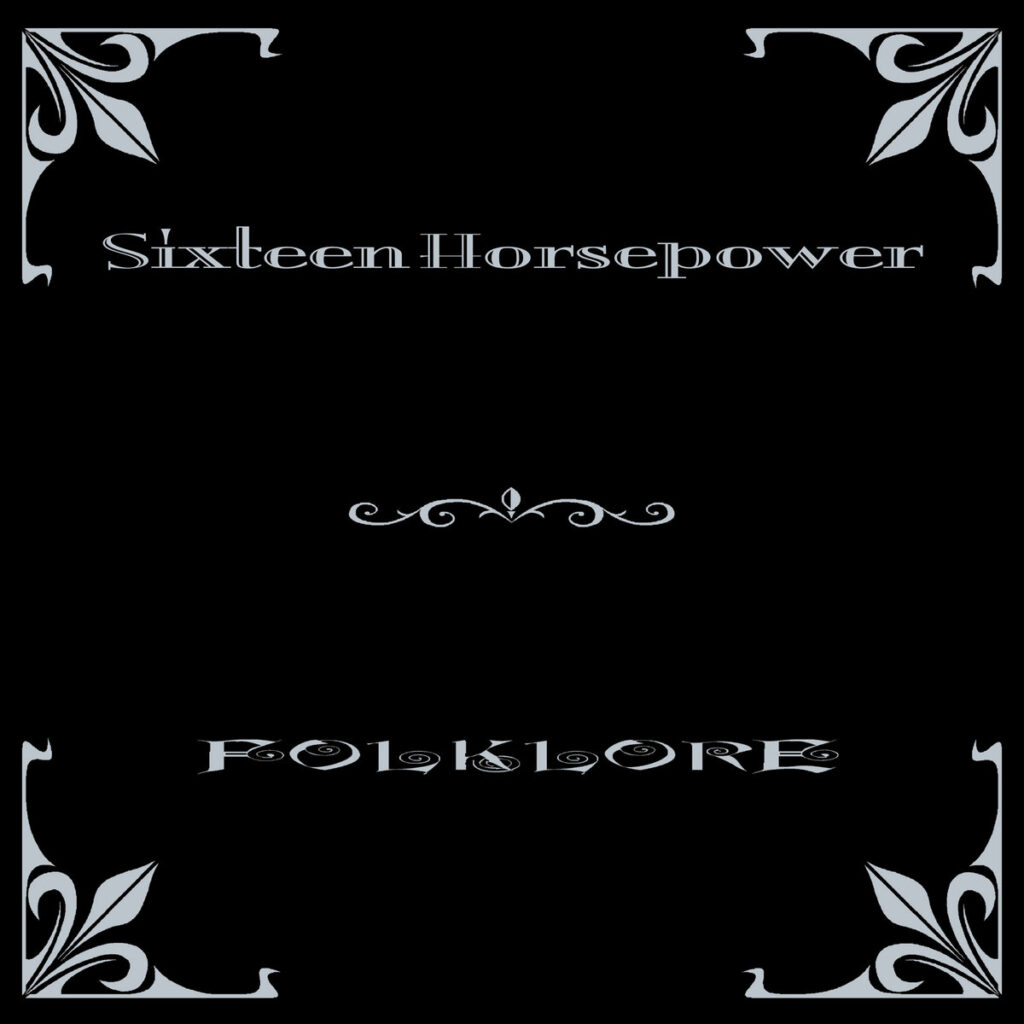
16 Horsepower – Folklore (2002)
The final studio album released by 16 Horsepower feels open ended from whichever end you view it. While it doesn’t sound like an intentional closing statement—few final albums ever do—it’s also more explicitly tied to music from an earlier era in a more concrete way. There’s a hint of sorts in the album’s title; while Folklore isn’t exclusively a set of traditional folk numbers, it features the fewest original songs of any 16 Horsepower record, heavily composed of both public domain folk songs, including “Horse Head Fiddle” and a particularly haunting “Sinnerman,” along with Hank Williams and Carter Family songs. The four 16HP originals seamlessly fit in alongside the covers, however, with highlights like “Blessed Persistence” and “Flutter” more subdued than the electrified standouts from Low Estate or Secret South but casting a similarly long shadow.
Listen/Buy: Bandcamp | Rough Trade (vinyl)
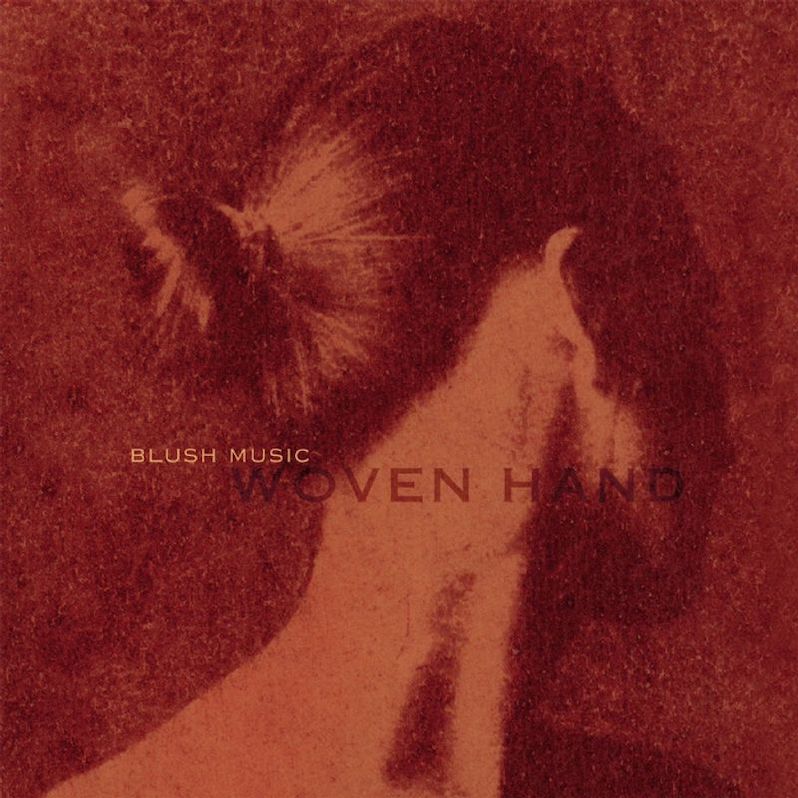
Wovenhand – Blush Music (2003)
The second album by Edwards’ Wovenhand project, launched around the same time 16 Horsepower released their last album, features some of his boldest musical experiments. While the mesmerizing opener “Cripplegate (Standing on Glass)” is streaked with the same cinders and ash as 16 Horsepower’s folk dirges, it doesn’t stay there for long. Just two tracks in, Edwards offers a reminder of his unique talent for singular covers, turning Bill Withers’ “Ain’t No Sunshine” into a 14-minute gothic drone odyssey. He explores textural feedback experiments on “Snake Bite” and delves into a pair of complementary standouts in “My Russia (Standing on Hands)” and “Your Russian (Without Hands)”, the former the eerie and subdued counterpart to the latter’s more climactic eruptions of riffs. Blush Music doesn’t so much leave the terrain that 16 Horsepower tread so much as expanding its footprint.
Listen/Buy: Bandcamp
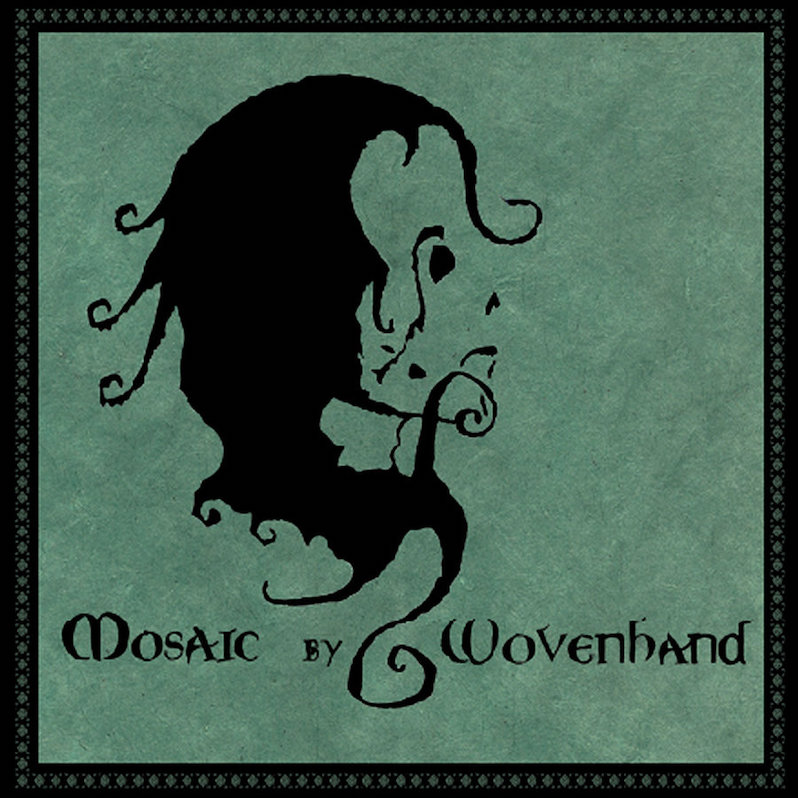
Wovenhand – Mosaic (2006)
The deeper into the Wovenhand project that Edwards has progressed, the more eclectic it’s become. Four albums in, with 2006’s Mosaic, Edwards casts a wider net, tapping into a distinctively spiritual psychedelia, incorporating medieval melodies, passages in Slavic languages, even a poem from St. Ambrose of Milan. Edwards takes a darkly atmospheric drone-folk approach to much of the record, which is particularly effective in standout moments such as “Swedish Purse” or the menacing “Slota Prow – Full Armour,” the likes of which make it even more evident how Wovenhand came to tour with a band like Swans. But the greatest moment here might very well be the eruption of “Hallelujah”s in the coda of “Winter Shaker,” demonstrating how a dark minimalist folk approach can nonetheless yield a powerful climax.
Listen/Buy: Bandcamp
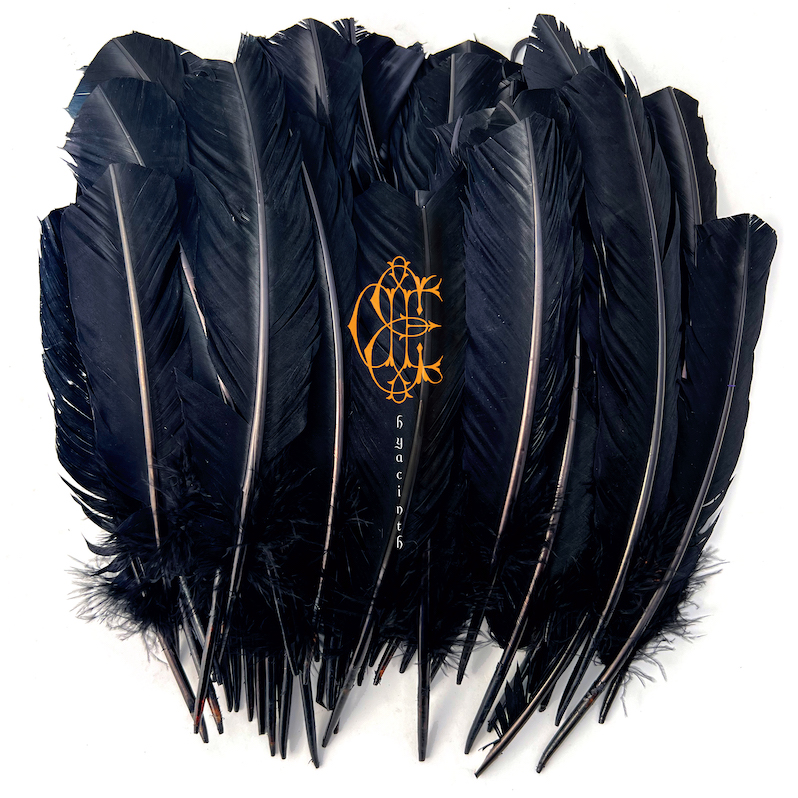
Hyacinth (2023)
Edwards’ debut solo album under his own name, Hyacinth doesn’t stray far from the haunted atmosphere of Wovenhand. But as that project grew more experimental and eclectic in its influences over time, Edwards likewise continues to explore more unconventional arrangements, drawing from a more pronounced electronic palette here. The ominous folk dirge “Howling Flower” extends from Wovenhand’s gothic drone ballads, whereas the buzzing atmosphere of “Seraph” pulls his songwriting deeper into darkwave and industrial, and the sputtering percussive breaks of “Bright Boy” split the earth beneath his melodies with IDM and glitch textures. It’s an unpredictable direction from an artist who’s never played it straight, maintaining a distinctive, core sound while reshaping the structures around it.
Listen/Buy: Bandcamp | Amazon (vinyl)
Next Steps: The 16 Horsepower catalog is relatively brief in terms of studio output, yet it’s consistently strong—1996 debut Sackcloth ‘n‘ Ashes is a primarily acoustic and thoroughly chilling first statement of gothic country, while Secret South continues the more muscular take on their sound that began with 1998’s Low Estate. Meanwhile, Wovenhand’s catalog is rife with standouts, among them the beautifully eerie Consider the Birds from 2004, and the harder rocking, charged-up Refractory Obdurate from 2014.
Advanced Listening: I’m always hesitant to put forth a live album as a first listening experience, but 16 Horsepower’s Live March 2001 captures a complete live set with highlights from throughout their four albums, performed with barnburning intensity, as on the punk-blues inferno “Dead Run,” and gothic majesty, as on their cover of “The Partisan,” a French anti-fascist anthem made famous stateside by Leonard Cohen. And while Edwards’ earlier band The Denver Gentlemen didn’t release any studio albums, their live document Introducing… (which is fairly hard to find in physical formats) captures a jazzier, dark cabaret version of an aesthetic that 16 Horsepower would eventually forge into a unique, new sound.
Treble is supported by its patrons. Become a member of our Patreon, get access to subscriber benefits, and help an independent media outlet continue delivering articles like these.