


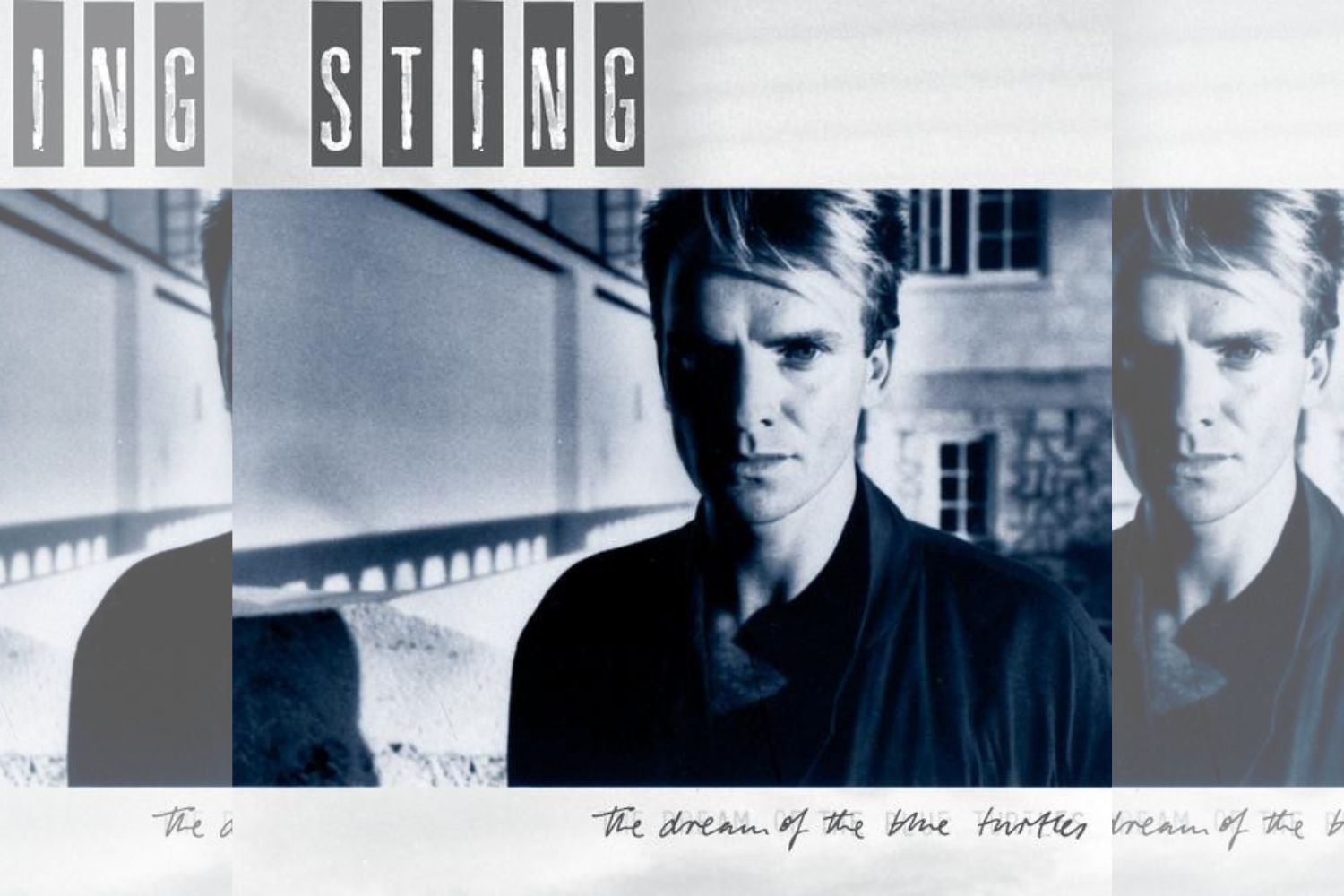
I always thought people got it wrong. When Sting put together his debut solo album, The Dream of the Blue Turtles, with jazz players, it was a glaring hat-tip and head nod to drummer Stewart Copeland and guitarist Andy Summers of The Police. Gordon Sumner, aka Sting, musician and looming vibe merchant of one of the two most famous power trios in the ’80s—Rush is the other—played bass and sang lead, and wanted more of that improvisational energy. Not less.
There is a rumor that on their final Synchronicity tour in 1983, where Talking Heads were opening for The Police, the addition of the late Bernie Worrell, P-Funk emeritus who played everything on “Flashlight,” had the Heads blowing The Police off stage as the opening band. No headliner wants that type of smoke. It’s disrespectful.
Being a petty kind of fellow, Sting kept those receipts. If you’ve seen Stop Making Sense, you’ve witnessed a different type of power and energy from the Heads once Bernie stepped in. As Bill Laswell told me over the phone in an interview about ten years ago, “Bernie is an intuitive musician. He’s spaced out. He doesn’t really know where he is most of the time, but when he sits down to play, it’s a whole different thing.” Despite all the Napoleonic behavior Sting portrayed in one of the most atypical and distinctive rock bands of the ’80s, The Police had hard-to-describe moxie. Not reggae, not quite post-punk, nary that big ’80s sound, they cruised around grooves in the orbit of rhythmic clamor, had elevated and stellar songwriting from a former substitute teacher, operated on the genius of one of the most underrated drummers in that decade, and had a lead guitarist, an elder statesman in a children’s arcade of the big, fast grizzly era of axemen. Summers stood out by crafting meticulous solos, kinda quiet, completely running away from Van Halen, Springsteen, and the in-style American rock band model.
When the arguing ceased about why, again, Sting had eight songs on each Police record, they’d put together exemplary arrangements that defied categorizations. First and foremost in my DJ mind comes “Voices Inside My Head” from Zenyatta Mondatta. A tone poem and demo Sting brought to the group, and they pushed the rhythmic, repetitive, and modal earthy ideas, making this a Larry Levan Paradise Garage all-timer and favorite by any B-Boy when the break dancers were working it out on the linoleum or cardboard.
In the travelogue of “Every Little Thing She Does Is Magic” from the album Ghost in the Machine, Sting delivers cheeky yet heartfelt verses. Asking, “Do I have to tell the story of the thousand rainy days since we first met? It’s a big enough umbrella, but it’s always me who ends up getting wet.” Those are the charm jets Sting could ink off like water.
He also, early in his career, had this fascination with writing from a deviant perspective, such as with a flip to the bane of existence that bears no color, just dreary methodical repetition from the sneaky genius of “Synchronicity II”: “Another Working day has ended/Only the rush hour hell to face/Packed like lemmings into shiny metal boxes/Contestants in a suicidal race.”
So while The Police are finishing their last album and tour, you may think Sting is watching Paul Weller, The Style Council, digging in on the looseness in sophisti-pop. All those button-down shirts, polos, and cycling shirts made them approachable, unlike the trash-chic outfits The Police performed in on that Synchronicity tour. Whew. Those fits? El stinko.
Nobody over there in Weller’s camp was penning math-rock dirges to driving home from work to see a family you don’t want to be around. Those bands, those smooth fits and European attitudes changed the lead singers, or as Weller stated: “The Style Council Taught Me To Not Be a Cunt,” a sentiment maybe the other members of The Police might have had about Sting.
So in January 1985, Sting assembled his backing band after holding auditions for jazz musicians in New York, including the likes of Omar Hakim, Branford Marsalis, Kenny Kirkland and Darryl Jones. Understand, these were young lions who backed Miles, Weather Report—heavyweight players who had to audition for a former substitute school teacher—who subsequently rehearsed his new material with this band for a week before three surprise concerts at The Ritz in New York in late February; Sting’s idea was for a “baptism of fire” to help consolidate the band’s identity before recording began in early March.
Sting has what the kids call these days, BDE.
Having Branford Marsalis in the band wasn’t just a coup; it was a flex. Branford, son of the esteemed Ellis Marsalis Jr., patriarch of the Marsalis musical family and the New Orleans jazz community in general, brought gravitas to Sting. While Branford’s brother Wynton Marsalis rose through the jazz ranks in the ’80s with rapid and impressive success, classical and jazz chops on display for everyone—challenging Miles Davis and questioning the authenticity of Coltrane’s spiritual jazz, he focused early on becoming the establishment, such as artistic director of Jazz at Lincoln Center, a position he still holds, and on shaping the next wave of jazz educators. Branford, the alto and tenor saxophone shape-shifter, explored modern music with curiosity, not rigidity. He appeared in Spike Lee films, choosing to engage with culture actively rather than merely educational pursuits. He played with The Grateful Dead, Bruce Hornsby, and various other bands alongside his jazz career and even helped start a jazz-centered hip-hop group called Buckshot LeFonque with DJ Premier, the legendary producer for GangStarr. In short, having Branford in his band gave Sting instant street cred in a way The Police never could. We’re talking a pre-Shaggy, pre-Mary J. Blige Sting.
Branford was the key to it all. A gateway. The weight on Sting’s shoulders was gone, and it was quite evident immediately in the first video and single from the album, “If You Love Somebody Set Them Free.” In the visual, he dances and moves energetically, surrounded by a vibrant group of young, hip Black musicians and vocalists, all seemingly delighted to be in his presence.
The video treatment was introducing graphics coloring called “rotoscoping,” drawing on the frames so all the shots were taken of each artist in a singular video by themselves and then the final edit had all those videos running as one, so the images are over one another, in and out, time stopped and just avant-garde which you best believe was the desired effect. There’s no trace of the dark energy or post-punk aesthetic that characterized his earlier work. Instead, Sting found his groove and rode that momentum throughout the world tour, performing to massive crowds.
The sounds on The Dream of the Blue Turtles range from the airy, ambient reggae-lite happening on “Love Is The Seventh Wave” to the why-so-seriousness of “Russians.” But when allowed to write, arrange and orchestrate, “Children’s Crusade” is the standout single for the penmanship and then the enigmatic sax solo that Branford doles out, wringing in triplets, accenting all those top notes, and then locking on with Darryl Jones on bass, Omar Hakim on bass and just delivering the goods for a solo too good for soft rock purposes.
Let’s also make a note of the live album from 1986, Bring On The Night, which is where we get how powerful this line-up was in front of a global, paying audience—that’s when Branford’s solo on “Children’s Crusade” leaps from good to great and then legendary.
Also peep the sweeping live version of “I Burn for You” as well—Branford packs that song with goodies Sting could never write. But those jazz chops push the song, the band, the concept of this group, and for my money makes The Dream of The Blue Turtles a much better than expected first solo album.
Prick or not, Sting knew how to choose players that would make him shine brighter. But again, that pedigree of musicianship he was used to goes back to the atypical power trio from the ’80s that really should not have worked, but broke rules and never fixed em.
Treble is supported by its patrons. Become a member of our Patreon, get access to subscriber benefits, and help an independent media outlet continue delivering articles like these.

