
Rosalía : LUX

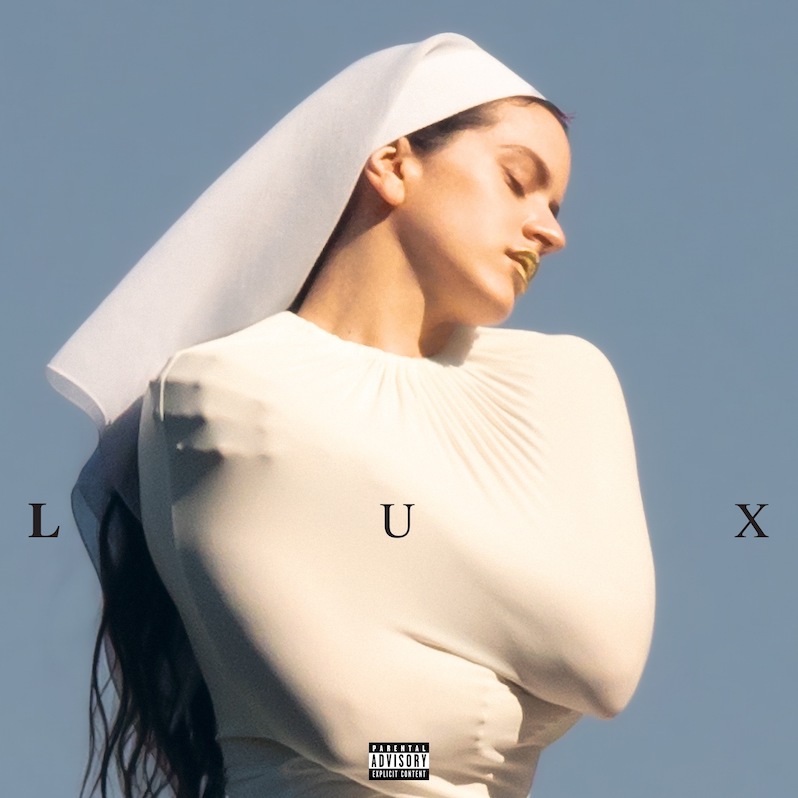
I never had anything against Rosalía. Her first two records were, for my money, some of the better pop around, with some great instrumentals bold enough to hybridize a great deal of styles, from dance pop to flamenco to hip-hop, over which sat a really great vocal. Her voice has always had a charisma and vulnerability to it that reminds me, in her class, of someone like Ariana Grande, another singer we all took for granted until she decided to take that glorious multi-record shot at proper critical respectability. Hell, I even liked Rosalía’s reggaeton record, despite being frankly a bit out of my element to mesh with the genre. (I’m owning that failing; we all have blind spots.) But despite this general positive view of her as an artist, I was far from adequately prepared for LUX.
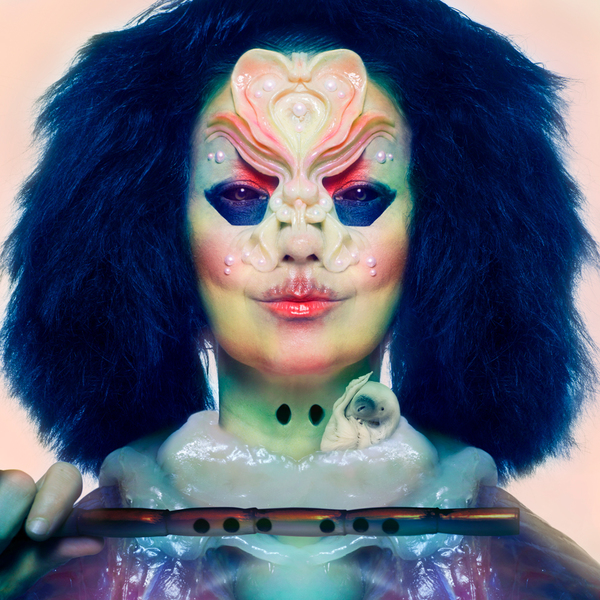
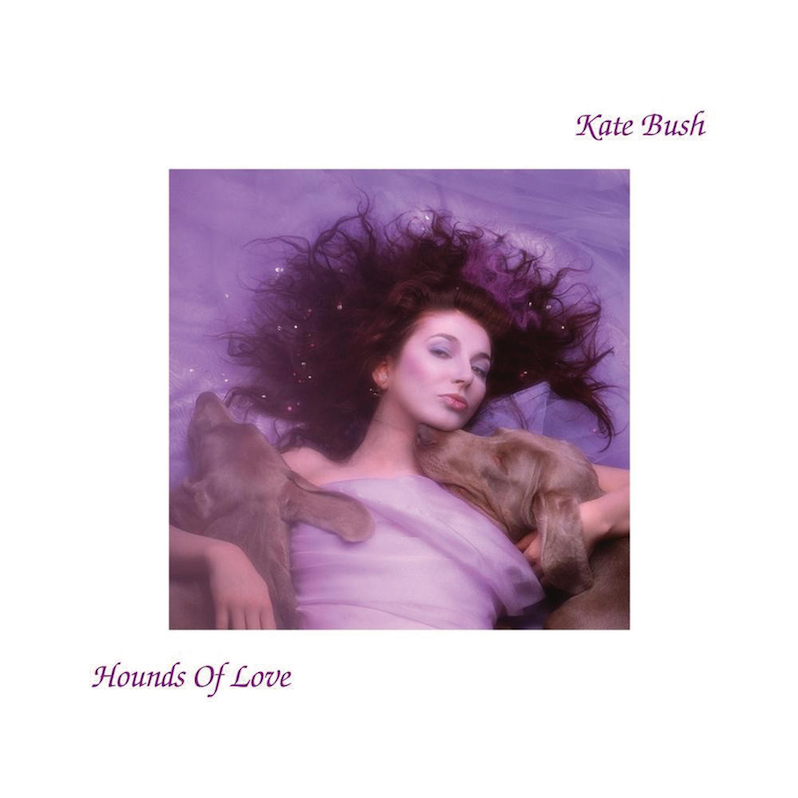
Someone must have placed Kate Bush and Björk records in her hand. Of course, we have many more patron saints, queens, and goddesses of the that general dramaturgically rich and progressive approach to pop, but it’s hard not to gesture to the two greatest. Hell, Björk even does the gesture herself, appearing as a brief guest vocal on “Berghain” in an act that feels more like mother offering her blessings than anything else. The album is a loose arrangement in four movements about female saints, nuns and mystics and their relationship with the divine and through that their relationship with the world, themselves, their peers. Like most great concepts, this largely exists to make sure the songs all hang together. But more so, it acts as an excuse for Rosalía to really push herself as a lyricist, firing an arrow at the eternal, often the first sign of a maturing artist.
It’s not unfair to say that, in terms of song-for-song quality, the album is frontloaded. That opening three song stretch of “Sexo, Violencia y Llantas,” “Reliquia” and “Divinize” is a hell of an opening statement, leaning on strings and horns, orchestral percussion and this suddenly ethereal and swanlike vocal from Rosalía. That her first words in English come in the pre chorus of the third track feel eruptive even when sung quietly; after a painfully literary song about being rendered into relics, the fragments of bone and nails and hair we collect of saints only after they die, to suddenly letting out in a near whisper, “The ghost’s still alive / I’m still alive,” feels like a seed cracking open. Later in the same song, she sings “Each vertebrae reveals a mystery / Pray on my spine, it’s a rosary,” a couplet that merges the sexual and the divine in a way that feels caught between black metal and Leonard Cohen. For those of us with Gender Feelings™, there’s something intoxicating in someone putting so clearly that liminal sense of slipping through the cracks of gender, feeling the pull both of the body and ineffable but finding no soil to extend a root.
The album certainly reaches an artistic and aesthetic peak with “Berghain,” a masterclass of polyglot lyricism and a fireworks show of vocal ability, shifting between styles like flipping through a magazine. It’s also one of several of the tracks here that interpolate electronica into the otherwise contemporary classical music bedding, a move that feels at once like a nod toward Björk’s own recent hybridization of the two as well as a subtle statement of artist intent from Rosalía. LUX doesn’t come across as self-contained and sequestered; instead, it feels like a conscious aesthetic development, adding elements be they musical, thematic, lyrical or purely vocal to be expanded and challenged later. Given its preceding record was grounded in reggaeton, there’s no guarantee her next will be a stylistic repeat either.
The album from a certain vantage begins to fade and drag near the end, due in large part to the incredible stylistic similarity between these pieces. Mentioning, say, “Sauvignon Blanc,” a lovely number, next to “Mundo Nuevo,” two tracks following “Berghain” which opens the second side of the record, can feel redundant. Were this a pop record at heart, I’d feel comfortable docking points for that. But given the higher aesthetic aims at play here, crafting suites and building on themes and images across the whole of the record, I feel it better to view those as inventions on a theme. The closing diptych of “Memória” and “Magnolias” certainly brings things to a tight conclusion, exploding out the ideas in a furious light. Approached like a song-driven piece, this is a satisfying if not superlative record. Approached like a macroscale suite, suddenly it opens up, blooming the heart like a flower. Rosalía always had the chops as a pop singer and songwriter to be taken seriously on those merits; now, she aims for the world of art music, delivering a record that seems to be most resonant against the chiming bells of queerness and questionable gender. Given the strength of this record, her first in the style, there is reason to expect a richly maturing artist with this album as the page turn.
Label: Columbia
Year: 2025
Similar Albums: