

Madonna : Confessions II

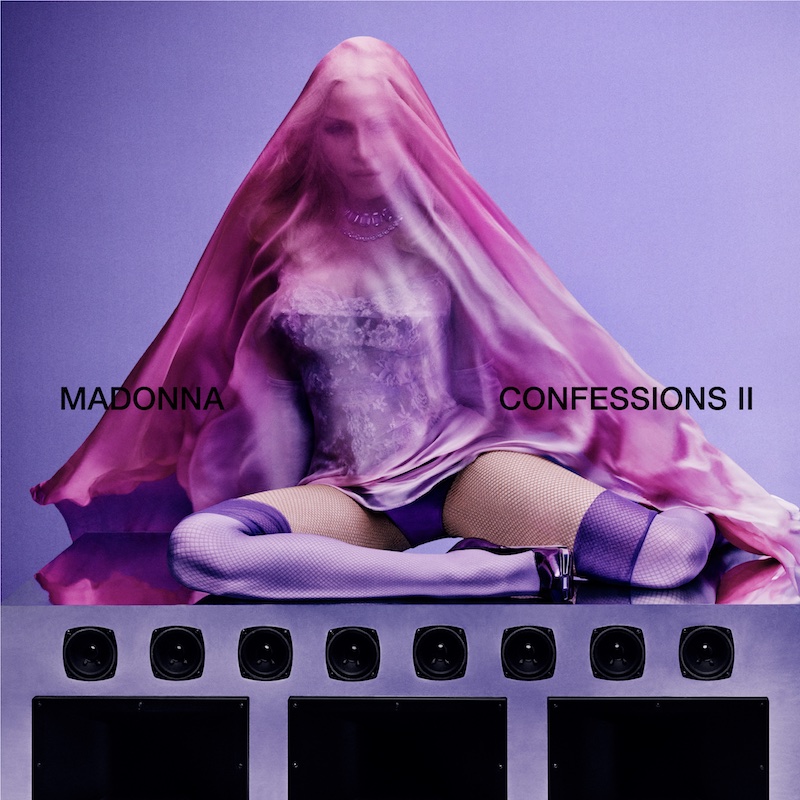
Madonna’s career is as mercurial as it is influential. From her early work emerging from the punk scene as a drummer and singer to her smash breakthrough establishing her as a pop icon and every shocking metamorphosis that followed, she’s produced a body of work, looks, shows and messages that provides strong ground to the argument that the critic knows less the true shape of an artist than the artist themselves. It is easy for us to look at albums like American Life or Rebel Heart as critical missteps that misapprehension her overall project, but the perpetuity of her variation challenges us on this fact. Madonna is in all ways an equal to Björk, often the other wing to the same butterfly, with the latter incorporating more dance and pop elements than is often discussed while the former shows a proactive auterist spirit unafraid of often bold experimentalism.
Nothing said above is debated, really. What has come under debate over the past twenty years is whether Madonna still possesses the might she certainly wielded in those brilliant first two decades of her career. While we could discuss certain underrated records of her body of work over this span, Confessions on a Dance Floor, this album’s predecessor, is widely considered her last fully unimpeachable record. Naming this Confessions II certainly places a heavy stone around its neck. It is a weight the album overcomes with aplomb.
While the albums of Madonna’s that often receive the most critical adoration (of a sort) are her atypical and artful ones like True Blue, Erotica and Bedtime Stories, the heart of her aesthetic project has always been her mastery of dance pop and its attendant forms, be they disco, feminine sexuality, pop art in the Warholian sense, camp, queening and the like. The spine of her career can perhaps best be described as being composed of Madonna, Like A Prayer, I’m Breathless, Ray of Light, Music and the aforementioned Confessions on a Dance Floor. Madonna attempted a return to this mode on her albums Hard Candy and MDNA to better success than she was credited at the time but otherwise the past two decades have comprised aesthetic experiments of varying quality.
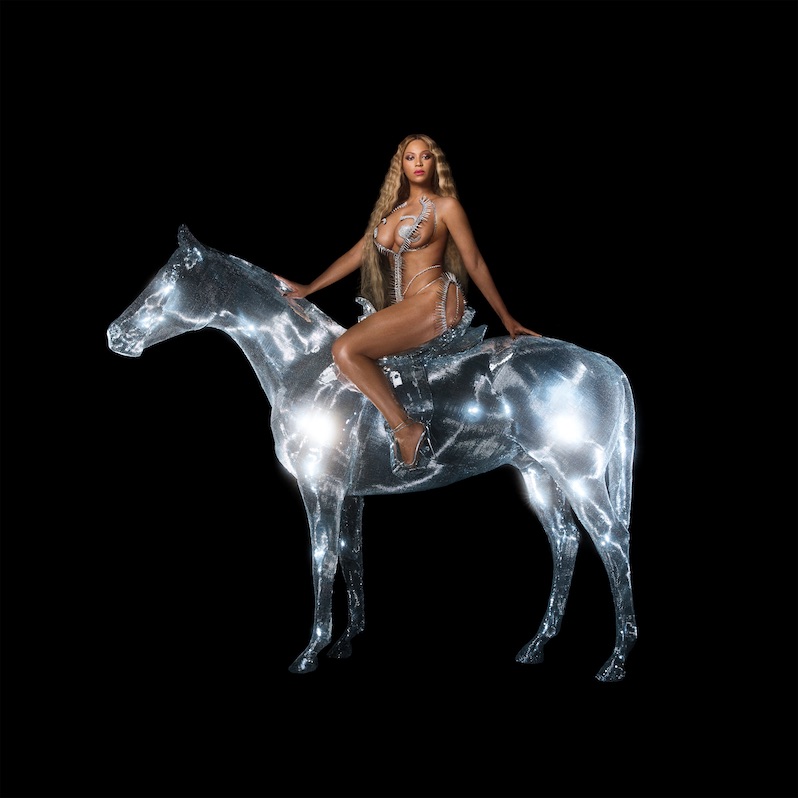
Confessions II is not just her best album in the past two decades, but it handily displaces its predecessor, landing itself in the vaunted company of her spectacular epochal debut and Ray of Light as arguably her very best. The record plays as a continuous mix dance record, an old style of course but one that only returned to the pop mainstream over the last rough decade or so, spearheaded by artists like Drake with More Life or, significantly more spectacularly, Beyoncé with Renaissance. It is to that latter record that this album seems most indebted. Both Madonna and Beyoncé grew up with disco and its offspring albeit from two very different vantages. Madonna to her credit no longer attempts to incorporate elements of blackness into her image and sound that always felt off-putting even when they came from sincere admiration of black art. Here, she takes Beyoncé’s masterclass of house music, footwork, disco, techno and more and creates a mirror image rooted in the long-standing record of Madonna’s own history in those styles.
“Everything,” for example, throbs and bristles with a trip-hop beat reminiscent of her similar Ray of Light before incorporating techno rhythmic stabs and a house build. “I Feel So Free” and “Good for the Soul” celebrate the euphoric self-redefinition that occurs on the dance floor, from people finding their genders and sexuality to people merely shedding the weight of their common days, all set to spacious Euro house fitting for a mix starter. She taps Sabrina Carpenter for the disco vamp “Bring Your Love,” giving one of many measured nods to a talented star cut from the same cloth. “Bizarre” however is the standout of the album, marrying an emotional dance music hook to synth play evocative of Kraftwerk, Max Martin, and the sophisticated strings of Giorgio Moroder’s work with Donna Summer before delivering a vintage 2007 synth break.
We should have anticipated another great album following the criminally underrated Madame X, which saw the recapitulation of her arthouse sensibilities to superb if not career-defining effect. It seemed to prime the ground for Confessions II, building her creative confidence given her rightful position as the queen of pop. Confessions II robes itself glamorously in the fruits of her career thus far, from the etheric sensuality and raw sex of her early ’90s work to the earworm mastery of her ’80s pop classics, from the interplay of religious iconography, transcendence and bliss from Like A Prayer and Ray of Light and more, the trip-hop and arthouse electronica and electroclash, the sophistication of her work on the soundtrack for Evita, even redeeming in retrospect the flawed attempts to return to dance perfection in the preceding two decades. It feels as though she saw the newest crop of superb young pop artists citing her, heard Beyoncé’s career-best Renaissance and felt the spark of inspiration to restate her plaudits. We are all the better for it. Confessions II bristles with queer euphoria, the kind found in cigarette smoke on wet concrete steps and study of the Qabbalah, in sweaty dance floors that smell like steaming bodies and the shapeless light of angels.
Label: Warner
Year: 2026
Similar Albums:

Madonna : Confessions II
Note: When you buy something through our affiliate links, Treble receives a commission. All albums we cover are chosen by our editors and contributors.

