

Broken Social Scene : Remember the Humans

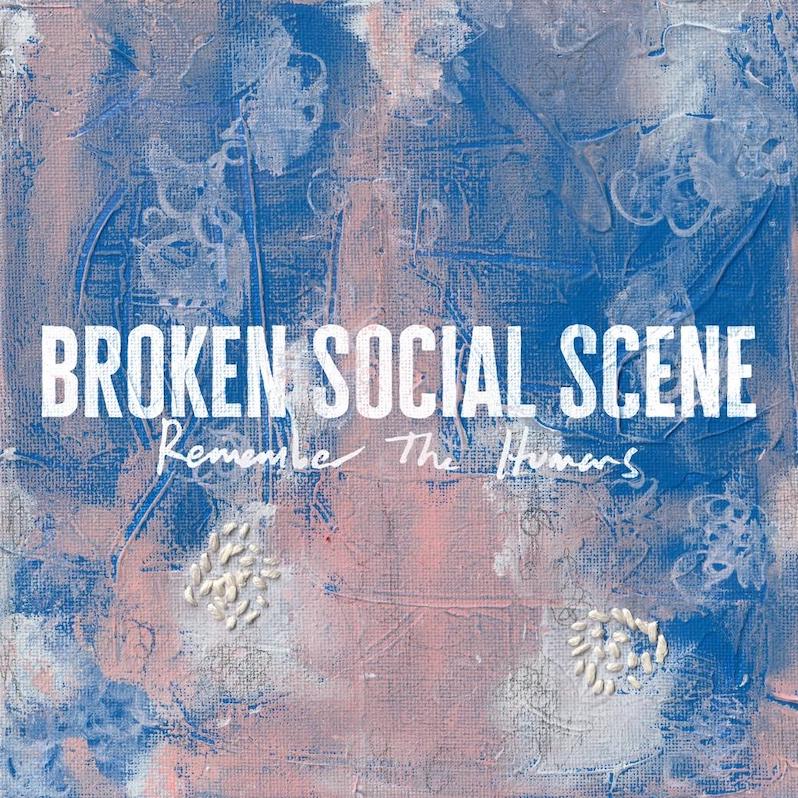
That Broken Social Scene has delivered another very good album shouldn’t be much of a shock to anyone. After all, between the slowly telescoping release windows and the absolutely unending role call, a who’s who of 2000s-era Toronto indie music, it would be far more shocking if it wasn’t good. What’s interesting instead is the relationship of the band to culture and time. When they started way back in 1999, they were part of the cresting wave of post-rock groups influenced by the work of foundational bands like Rachel’s and Bark Psychosis, only to evolve into the then-de rigeur hybrid of pop, folk, rock, progressive music, college rock and more. On Remember the Humans, they have survived both that sounds rise, its shifting tides, its inevitable death and the dethroning some of its established heroes like Arcade Fire and others, and emerge in a culture that feels almost antagonistic against an album like this. It works to their favor.
They’ve never been a tight band. They simply have too many instruments, too many melodies, too many ragged rhythms. That’s the charm, though. This is progressive music via accretion, the ultimate post-Beach Boys assemblage where, by dint of a mighty swell of musicians allowed enough articulation of their specific voice, the whole of the songs assembles to something genre agnostic when you look at the particulars. This absolute organicism feels utterly refreshing in a contemporary musical landscape that feels trapped between overly tightened production or the now-ubiquitous ethereal R&B sound that feels more non-committal and emotionally vapid than atmospheric. The musical interests of this collective have certainly evolved over time, showcasing glimmers of sequenced electronics and drum machines playing patches that feel comfortably retro-modern, but this is set against their now radically unhip retained set of strings, orchestral percussion and horns doodling over the songs, somethings with and sometimes against guitars that alternate between tight Nile Rodgers funk strums and more amorphous post-Neil Young guitarisms. In doing so, they’ve managed to thread a tricky needle, appealing both in a nostalgic sense as well as one that is once more counter-cultural.
Without relitigating too much, the ultimate failure of blog-driven independent music was that its eventual cultural ubiquity and subsequent total absorption into the McLuhanian/Adornoan capitalist machinery of advertisements and product placement was it robbed the music itself of that sense of spontaneity and self-discovery, of weirdos turning away from the mainstream toward something genuinely alternative and in doing so finding not just themselves but a community as well. It would be easy with worse ears to call BSS’ lack of more obvious sonic evolution after perfecting their sound on their self-titled third record as mere nostalgia bait, but the emotions are still here, the songs still causing the same sentiments of late nights, cheap beer, and the contradictory hearts of youths caught up in the whirlwind of optimism and cynicism building and upending their lives all around them. These feelings hit different 25 years after their debut, complicated by the way we all experience divorces, cancer, career changes, sudden witness of soulmates and the way life can produce and dismantle stability simultaneously in perpetuity. There is now no longer any hope for answers, which thankfully frees up the instruments to meander and amble as they will, unencumbered by the false burden of having to amount to anything in particular.
Remember the Humans also sees something of a number of reunions. Feist, for instance, has returned, as has Hannah Georgas, with the latter having not contributed in over 15 years. It’s hard not to sense that these returns might also be founded out of a desire for reconnection and the wide open horizon of a life. Days of fascism and perpetual war, the constancy of witness of suffering and the alienating sense that we can do nothing to change our world can induce ugly habits and changes in people, but a positive one that can come is a reminding and treasuring of the valuable things especially in witness to how quickly it can all be snatched away without reason. If their early music was revolutionary optimism in the wake of 9/11 and the sudden openly fascist turn the west took regarding state surveillance and the radical anti-immigration turn, then this is music of something similar during the days of open and obvious western fascist capitulation. Toi Derricotte’s “Joy is an Act of Resistance” wasn’t just a pithy ad slogan and Thich Nhat Hanh’s observation that joy and sorrow are at root indifferentiable wasn’t idle navel-gazing. Affirming life means affirming all of it and true joy is a serene place in the midst of the waste land.
Label: Arts & Crafts/City Slang
Year: 2026
Similar Albums:
Broken Social Scene : Remember the Humans
Note: When you buy something through our affiliate links, Treble receives a commission. All albums we cover are chosen by our editors and contributors.

