
Mulatu Astatke : Mulatu Plays Mulatu


A composition is never really finished. It will always be remixed or re-recorded, covered or transformed live, stripped down, stretched out and given a second life. Century-old folk songs are newly interpreted by musicians born generations after their original composers’ lifetimes, and jazz’s greatest players will always manage to bring out something new in a familiar piece. Sometimes in radical and revelatory ways, like Art Blakey transforming Dizzy Gillespie’s “A Night in Tunisia” into a manic frenzy just a few short years after having already recorded one of its definitive versions.
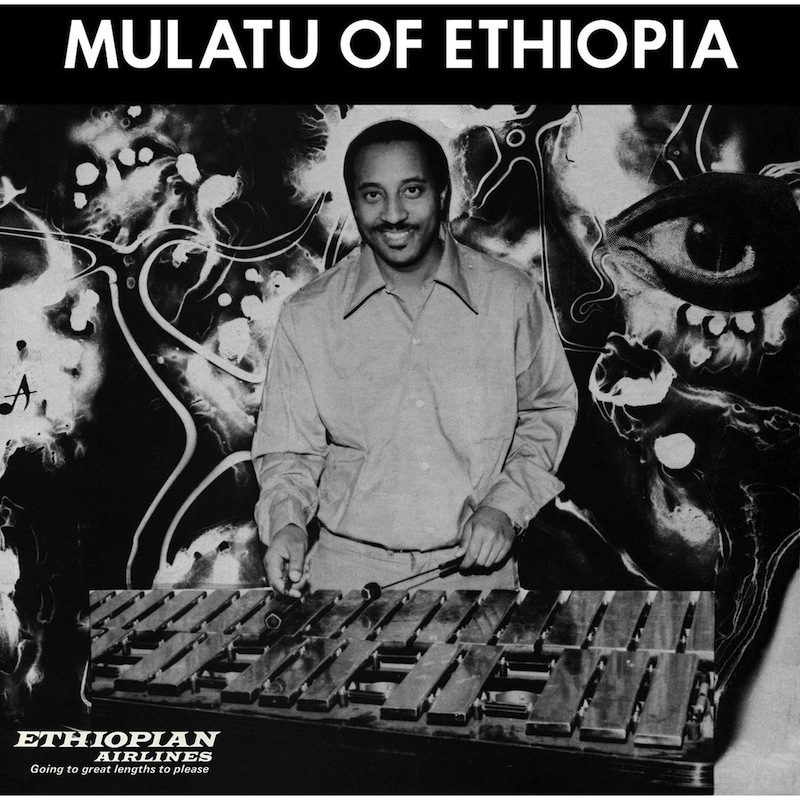
Reshaping and revisiting his songbook has been standard practice for Mulatu Astatke since the 1970s, when he transitioned from playing a more commercial if slightly unconventional take on Latin jazz toward the more hypnotic Ethio-jazz sound that he pioneered. The bridge between his 1966 debut Afro-Latin Soul and 1972’s pivotal Mulatu of Ethiopia is “Mascaram Setaba,” a short piece that seemed between worlds even in its earliest form, but which reappeared after six years more fleshed out, and with a denser groove. Yet as his influence in the decades since has grown, and his earlier records shaping the sound of an entire genre, Astatke has spent much of the 21st century giving renewed relevance to his Ethio-jazz standards with different collaborators and live ensembles.
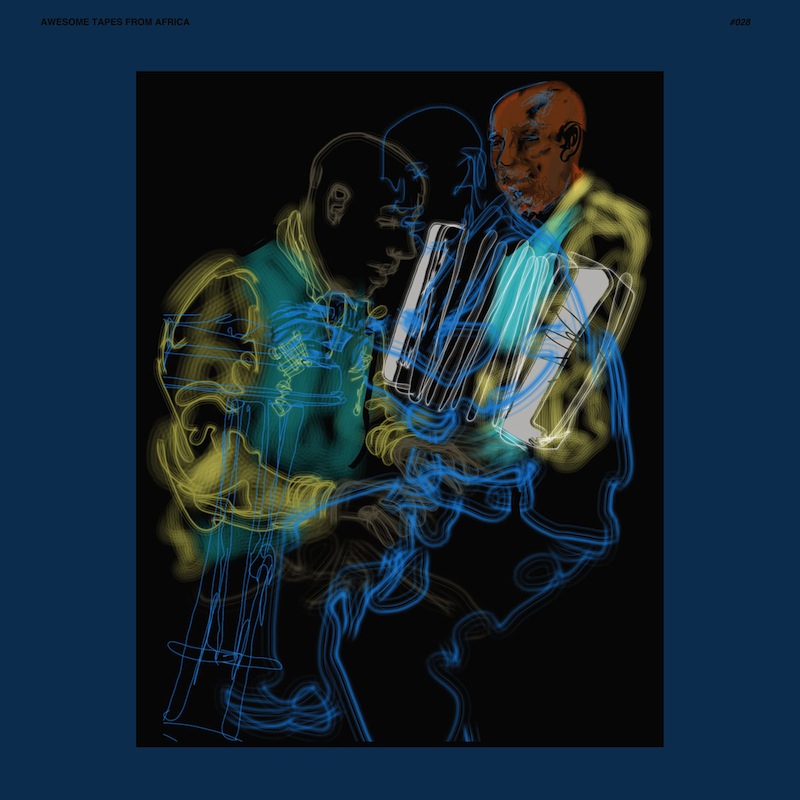
Mulatu Plays Mulatu is a testament to both the malleability of Astatke’s compositions as well as the rock solid foundation on which they’ve been built. Produced by Ethio-jazz acolyte Dexter Story and featuring contemporary players such as Carlos Niño and Kibrom Birhane, the album finds Astatke and his collaborators embarking on new avenues of exploration with many of the songs that shaped Ethio-jazz, including the spiraling trance of “Zèlèsènga Dèwèl” (often titled simply “Dèwèl”), the impossibly cool groove of “Nètsanèt” or the unmistakable mist and mystery of “Yèkèrmo Sèw.”
That these aren’t wholesale reinventions simply speaks to what a mesmerizing batch of material this is, Mulatu and company instead opening up and finding new space within them. The extended improvisations of “Yèkèrmo Sèw” emphasize its smoky ambience, while closer “Yekatit” further foregrounds the funk. And as “Chik Chikka” gets off the ground, it takes shape as more of an extended jam session than anything, fueled by a set of musicians that cook but allow each other enough space to retain its eerie allure. Each piece feels like an extension of Astatke’s live show, where one song can extend and reach for as long as it needs to, guided by feeling and instinct. That kind of psychic performance only happens with an intimate knowledge of the material and the comfort in letting it take you where it wants to go.
Label: Strut
Year: 2025
Similar Albums: