


There’s reinvention, and then there’s MF DOOM. A comic book supervillain of an emcee, Dumile Daniel Thompson established an astonishing second act as a mischievous character behind a tin mask whose antics both in song and on stage(which may or may not have involved impostor DOOMs at live shows) were fittingly strange and surreal as the persona he crafted for himself—one which yielded a long string of classic albums and collaborations.
Dumile introduced himself in the early ’90s as Zev Love X as a member of New York’s KMD, whose songs espoused a good-humored Black power consciousness that paralleled the likes of the Native Tongues. But after the death of his brother, DJ Subroc, and the subsequent end of KMD, Dumile disappeared from hip-hop for seven years, only to reappear as a newly christened villain with a Dr. Doom mask, a surrealist approach and reels upon reels of campy radio-drama samples.
Over the next two decades, MF DOOM changed aliases often and worked with various producers—as well as producing much of his own material and that of other emcees such as Ghostface Killah—while maintaining his signature sense of playful mischief, maintaining an old-school sensibility even when his boozed-up badguy persona never quite fit into any golden age hip-hop archetype.
DOOM died in 2020 at the age of 49, but the sound and persona he crafted still looms over through rap today—you can hear DOOM’s influence in records by the likes of billy woods, Open Mike Eagle, Earl Sweatshirt, Danny Brown and a long list of others. And as we kick Celebrate the Catalog back into gear this year, we get the ball rolling with an MF DOOM albums guide. Maybe he never went three-plat, but he left an undeniable impact on rap.
Note: When you buy something through our affiliate links, Treble receives a commission. All albums included are chosen by our editors and contributors.
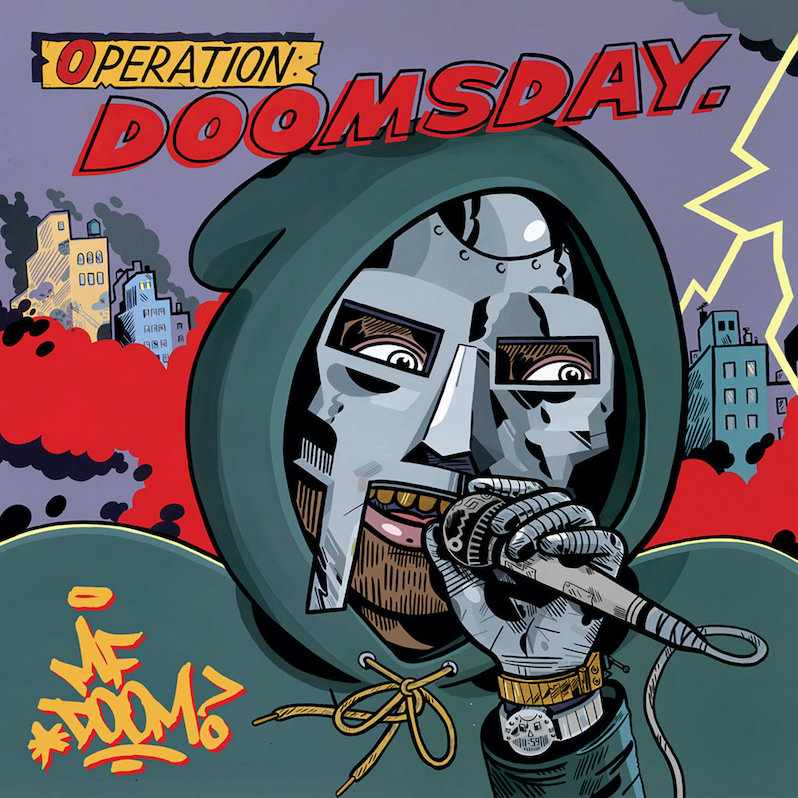
Operation: Doomsday (1999)
Treble’s induction of Operation: Doomsday into our canon of the best hip-hop debuts of all time comes with the implicit acknowledgement that DOOM actually has several debuts under different names, all of them great, including his first record with KMD back in 1991. But that record aside, most of those other “debuts” are simply DOOM by any other name, an outsize personality behind a tin mask, causing mischief through deft wordplay and blink-and-you’ll-miss-it hilarity. Operation: Doomsday is his mission statement, diabolical in its ambitions: “Bound to go three-plat/Came to destroy rap.” Suffice it to say, DOOM never went triple-platinum, or even platinum period, but he certainly wrecked whatever mic you put in front of him. Often charmingly lo-fi, crafted on a bed of quiet storm samples, Operation: Doomsday is among the best full-length showcases for MF DOOM as an emcee, turning standard-fare free-association boasts and trash talk into high art, sometimes punctuated with a silliness that’s infectious, as when Bobbito Garcia as “Cucumber Slice” goes hypeman wild on “Rhymes Like Dimes”: “Now what are you supposed to say at the end of records? I don’t know? Yeah! Woo! Yeah! Mashed potatoes! Apple sauce! Buttery… biscuits!” As reintroductions go, DOOM himself put it best: “What the devil? He on another level.”
Rating: 9.4
Listen/Buy: Bandcamp
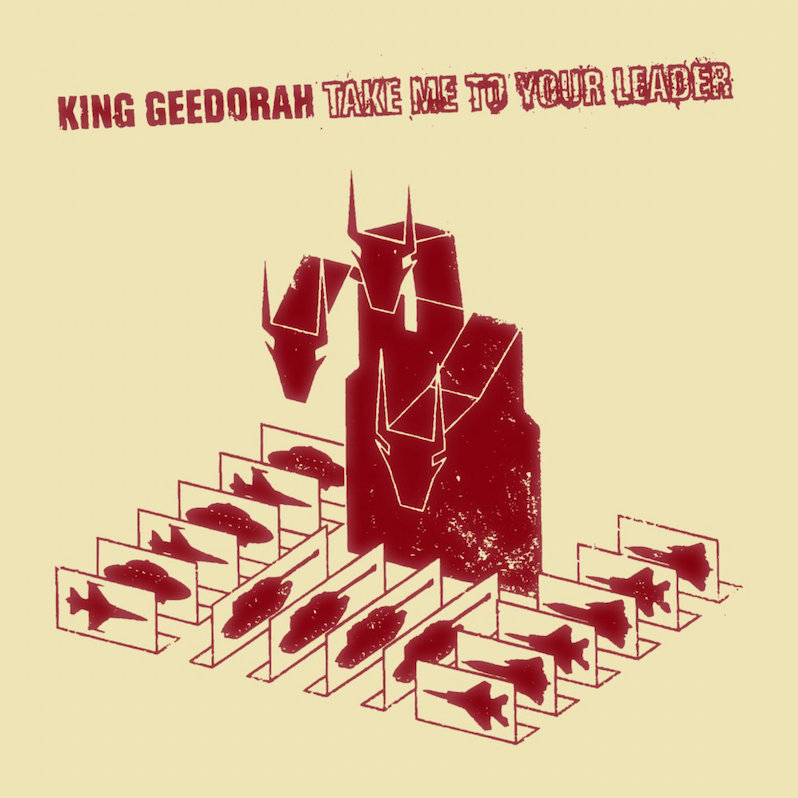
Take Me to Your Leader (2003)
In 2003, DOOM kicked off a three-year run that saw him delivering one classic album after another, after another, after another. Five of them absolutely essential, plus one inessential but enjoyable enough bonus helping. Almost all of them under a different name. King Geedorah is one of them, an alias he adopted as part of the underground hip-hop supercollective Monsta Island Czars (who also released an album in 2003, but as with KMD, I’ve decided not to include for the purposes of this feature). Where Take Me to Your Leader differs from the other releases during his unstoppable mid-’00s run is that, instead of Dumile being the featured emcee, he’s actually the producer providing a beats for a whole string of other emcees, which naturally includes MF DOOM. Delightfully stoned and rife with sound clips from kaiju films, King Geedorah’s one and only full-length release is expectedly fun and unserious in its subject matter, but overflowing with thrills, punchlines and an almost dangerous amount of fun. And while MF DOOM allows plenty of room for other rappers to shine, including all 69 seconds of Trunks showcase “Lockjaw,” it’s still DOOM’s own appearance on “Anti-Matter”—along with his occasional, mysterious collaborator Mr. Fantastik—that provides the highest point among many here.
Rating: 9.1
Listen/Buy: Bandcamp | Turntable Lab (vinyl)
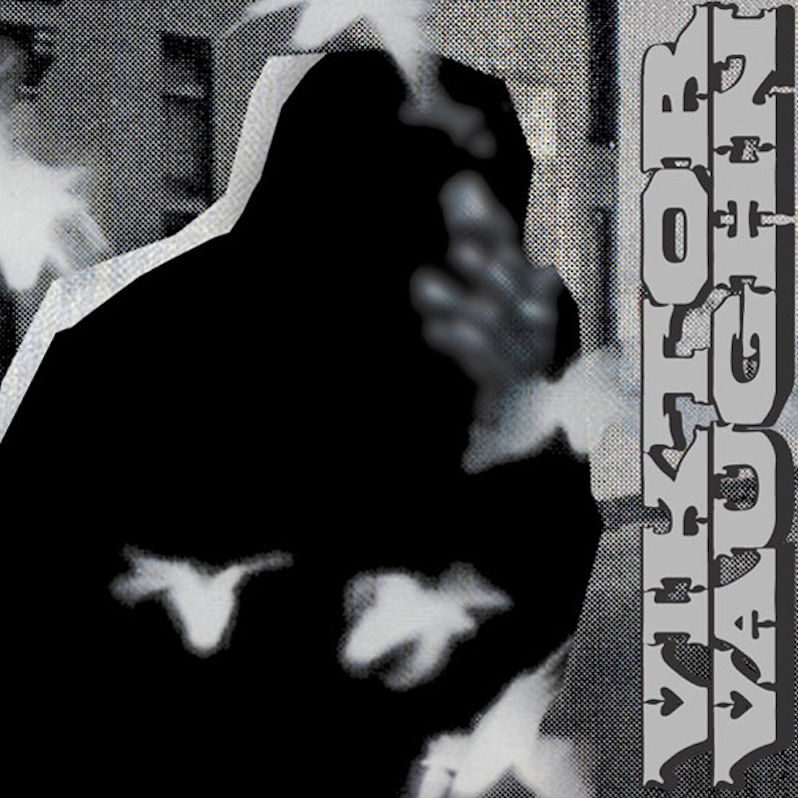
Vaudeville Villain (2003)
DOOM followed up his one and only album as King Geedorah with yet another alias, though one that Marvel heads know isn’t really much of an alias at all: Viktor Vaughn. Vaudeville Villain is at once sharper and weirder than his debut LP, reclaiming the mic with faster flows and a stellar array of beats from outside producers, including RJD2 who provides the outsize production on single “Saliva.” A few oddball skits are interspersed between songs, like the recurring “Open Mic Night” bit that lampoons various wannabe emcee archetypes (the slam poet, the corny white stoner). But Vaudeville Villain is primarily a showcase for DOOM’s endlessly entertaining lyrical mischief, rife with self-deprecation (“There’s four sides to every story/If these walls could talk, they’d probably still ignore me“) and nerdy references (“If I don’t study, I’m-a cheat off Peter Parker”, “Ensign, he shoulda asked his upperclassmen/Before he bust blast ’em, never trust no Cardassians“). That it’s end-to-end bangers and still only maybe the third best DOOM album says a lot about the creative streak he was on.
Rating: 9.3
Listen/Buy: Spotify | Turntable Lab (vinyl)
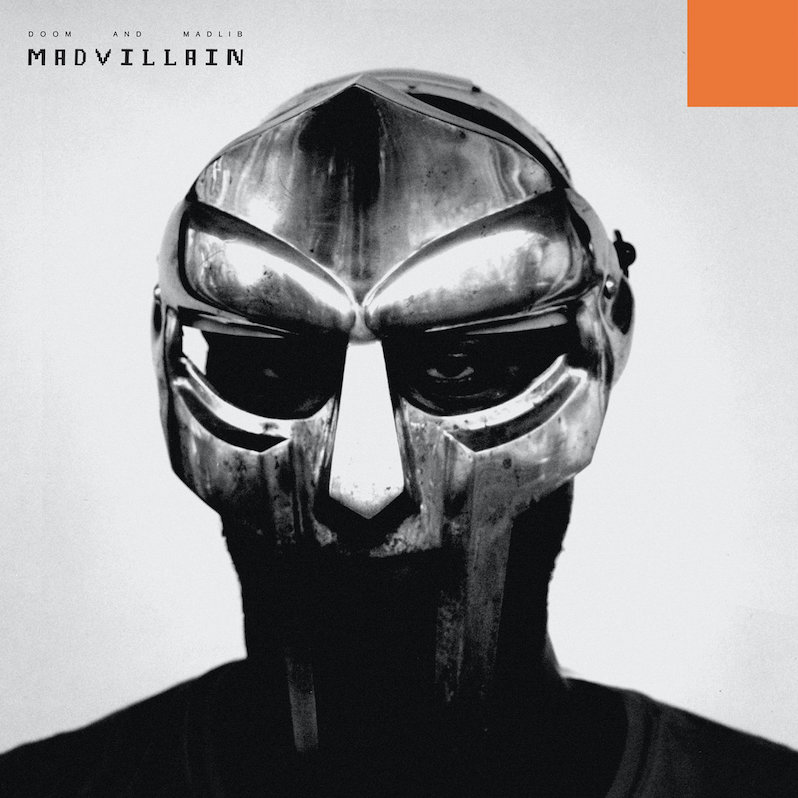
Madvillainy (2004)
I first heard “Curls,” a brief standout song from Madvillainy, in a neighborhood record shop in San Diego in 2004, not long after it was released, and within a matter of just a few seconds I absolutely had to know what I was hearing. Little did I know the depth of MF DOOM’s villainous brilliance. But here, the appeal is pretty easy to hear from first listen: DOOM paired up with L.A. producer Madlib, crafting something of an audio graphic novel through bright splashes of analog crate-digger hooks, zany comic book antics, and the best uninterrupted string of one-liners in MF DOOM’s career. It’s a match made in ink and paint, Madlib’s exclamation-addled analog beats providing the perfect backdrop for DOOM to unload plot after punchline, scheme after stemwinder. Go ahead, take your pick: “Got more lyrics than the church got ‘oh Lords’/And he holds the mic and your attention like two swords“; “They say ‘the Villain been spittin’ enough lightning to rock shock the boogie down to Brighton’/Aight then“; “All bets off! The villain got the dice rigged/And they say he accosted the man in the sliced wig/Allegedly; the investigation is still ongoing/In this pesky nation he’s got the best con flowin’.” There’s good reason why we included it in our Treble 100 series: It’s simply one of the best rap records ever made.
Rating: 10.0
Listen/Buy: Bandcamp | Turntable Lab (vinyl)
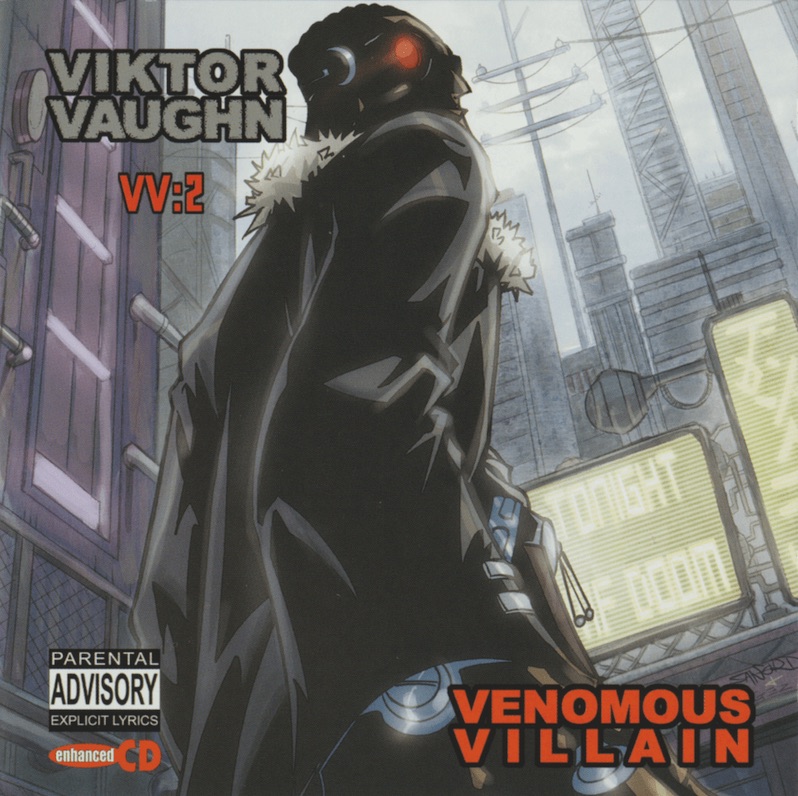
VV2: Venomous Villain (2004)
You’d be forgiven for barely noticing VV2: Venomous Villain when it was released in 2004, squeezed between the game-changing Madvillainy and late-2004 victory lap MM..FOOD. And when held up against those two records, VV2 inevitably feels like a footnote. But in the midst of a career-defining hot streak, DOOM can’t help but spin gold from just over an EP’s length of odds and ends. When it’s on, it’s unstoppable: DOOM comes crashing through the gates on the outstanding “Back End,” spitting with an energy that very nearly betrays his characteristic stoner-villain persona. And the appearance of Kool Keith on “Doper Skiller” is a match made in a secret underground lair, Keith’s own Dr. Octagon persona a kindred spirit of Dumile’s supervillain identity. The main issue with VV2 is that there’s simply not enough of it, and a too-generous portion of it comprises interludes and skits, the number of which is about as much on DOOM’s other albums, and as such, the ratio of fat to protein here is wildly out of balance, even if a few of the actual songs here can go toe to toe with DOOM’s best. Curiously, likely due to licensing and ownership issues, the album isn’t on Spotify, Bandcamp or Apple Music. So I suppose you can take some advice from Viktor himself: “Dub it off your man, don’t spend that ten bucks.”
Rating: 7.0
Listen: YouTube
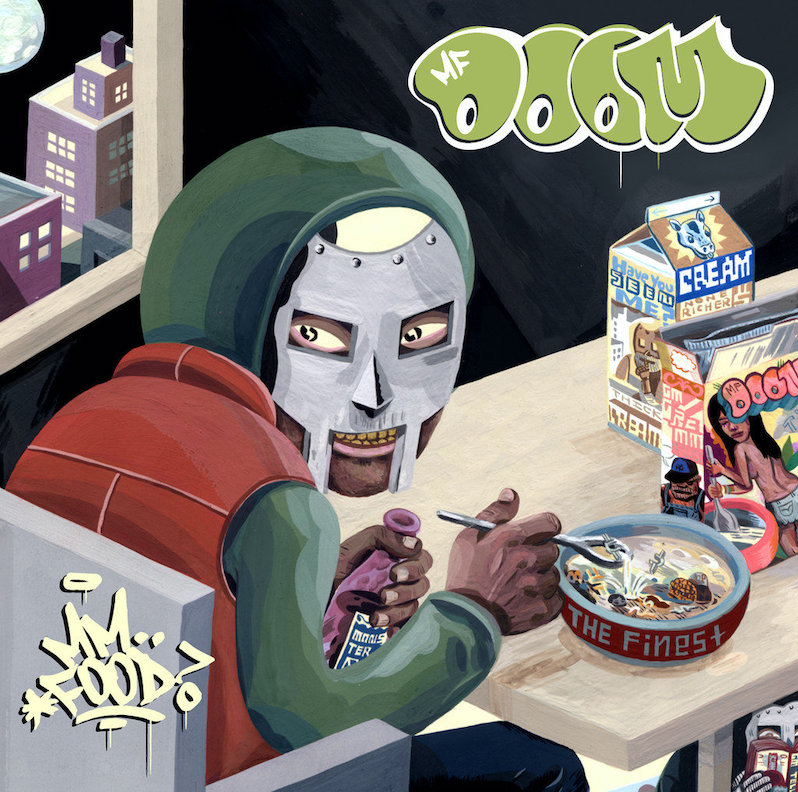
MM..FOOD (2004)
In the shadow of a record like Madvillainy, anything would probably seem like a step back, and that might have been the case in fall of 2004 when MM..FOOD arrived, the third DOOM-helmed released of that year. But it’s anything but. Thematically tied together with a food motif (and an anagram obvious enough that he couldn’t not use it), MM..FOOD is best viewed as the proper follow-up to Operation: Doomsday as an album that showcases both DOOM’s rapping and production skills, playing up the oddball sense of humor while harboring a seriousness that occasionally catches you off guard. “Kon Karne” is DOOM at his most earnest and sentimental, paying tribute to his late brother Subroc. And “One Beer,” one of the few non-DOOM-produced tracks (handled magnificently by Madlib), makes running out of beer sound unexpectedly high stakes. But most often it’s just a lot of fun, like when the enigmatic Mr. Fantastik and DOOM talk some shit on “Rapp Snitch Knishes,” shaking their heads at rappers who self-incriminate in their own in-song boasts. MM..FOOD is a magnificent close of one hell of a two-year run, but then of course, it spilled over into a third.
Rating: 9.2
Listen/Buy: Bandcamp | Turntable Lab (vinyl)
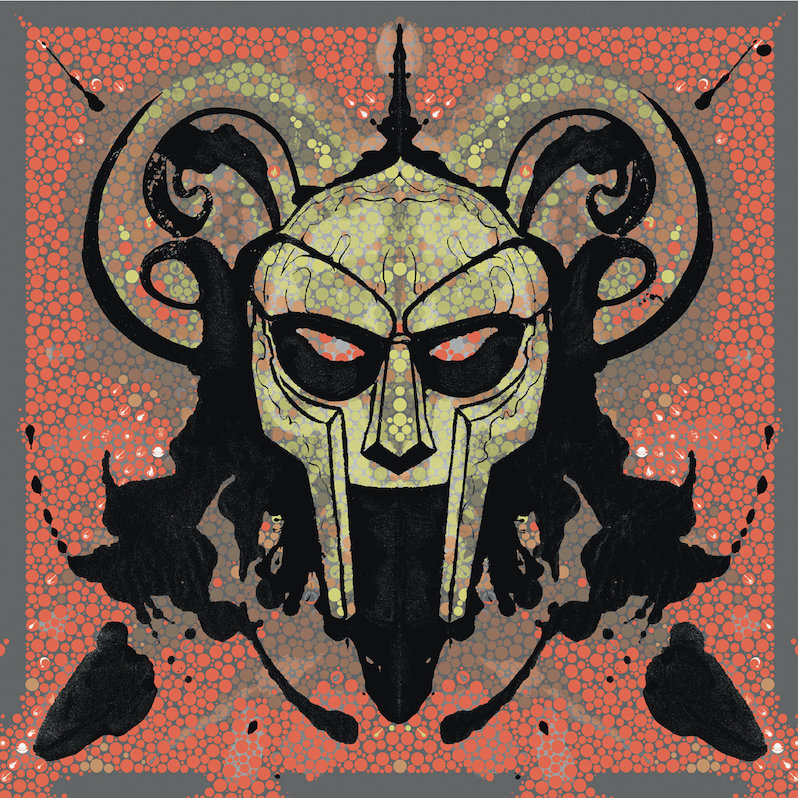
The Mouse and the Mask (2005)
MF DOOM partnering with Adult Swim only makes every kind of sense. Having reinvented himself as a mischievous cartoon, DOOM released an album populated by—what else?—cartoons. Brak, Aqua Teen Hunger Force, Harvey Birdman: Attorney at Law, they’re all co-stars on this playful, silly and, for the most part, all-ages-friendly set of pranksterism and old-school beats—provided by Danger Mouse. Ghostface Killah, Cee-Lo Green, Money Mark and Talib Kweli also make appearances, but most of all it’s about the goofball antics of DOOM himself, who outside of the animation-cel surroundings, nonetheless does here what he does best, his lyrical prowess and humor on point as always. It’s funny; I loved this when it was released, but accepting the fact that it might not age well given the novelty of its presentation. Twenty years later, The Mouse and the Mask remains a top-tier DOOM release, in part because the songs are the solid foundation that holds it together. But for what it’s worth, the gags—Master Shake leaving a voice mail for DOOM, Brak flexing his rap skills—are still pretty funny.
Rating: 8.9
Listen/Buy: Bandcamp | Turntable Lab (vinyl)
Born Like This (2009)
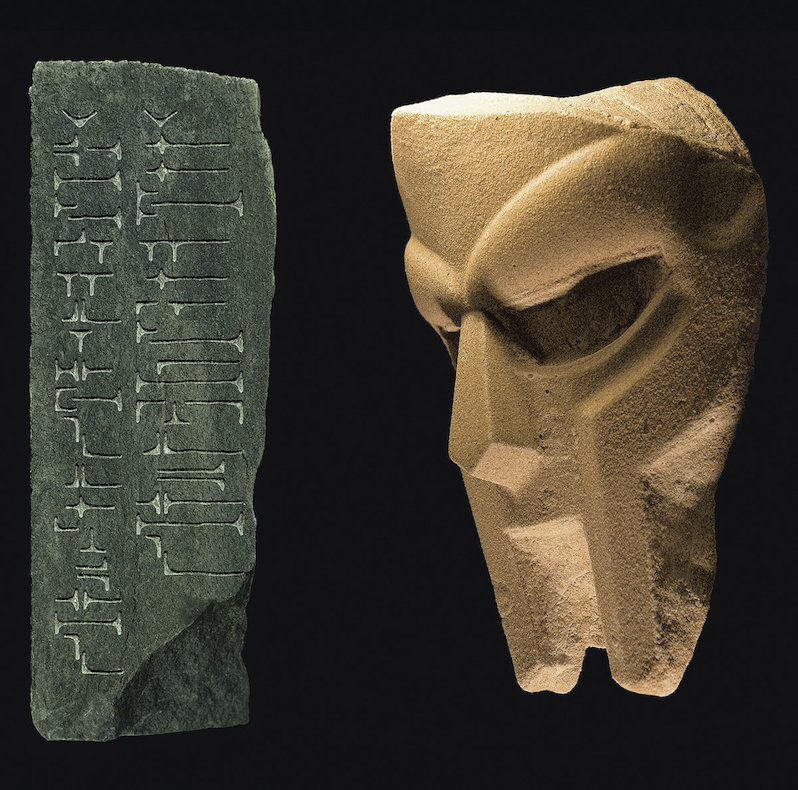
Born Like This arrived at a strange time for DOOM. He had one of the best three-year runs of any artist in the 21st century, delivering five outstanding records between 2003 and 2005. But following that, a bunch of promised projects, including a hyped collab with Ghostface, never materialized. And to make matters more complicated, he’d been accused of sending in DOOM impostors to take his place at live performances. So when he finally made his return in 2009 with this album, it felt like the end of a long drought, even though four years only seems like an eternity in the scheme of DOOM’s output earlier in the decade. Born Like This found DOOM reemerging with a somewhat more sinister tone, streaked with bitterness, more violent imagery and even some homophobic slander against Batman and Robin in “Batty Boyz” (which comes off as too sophomoric and silly to be genuinely offensive but certainly not a bright spot in the catalog either way). But DOOM, in spite of the darker tone, still frequently captures something mesmerizing here, particularly on the ominous “Cellz,” whose long runway makes space for a Charles Bukowski poem before DOOM himself picks up the mic. The first time I heard this record back around its release in 2009, it felt fragmented and fractured; today there’s more to read between the lines, of a disillusionment that his humorous cartoon villain persona typically masked. (‘Scuse the pun.) It’s not top-tier DOOM necessarily, but the journey from here to there isn’t as far as it seems.
Rating: 8.2
Listen/Buy: Bandcamp | Turntable Lab (vinyl)
Key to the Kuffs (2012)
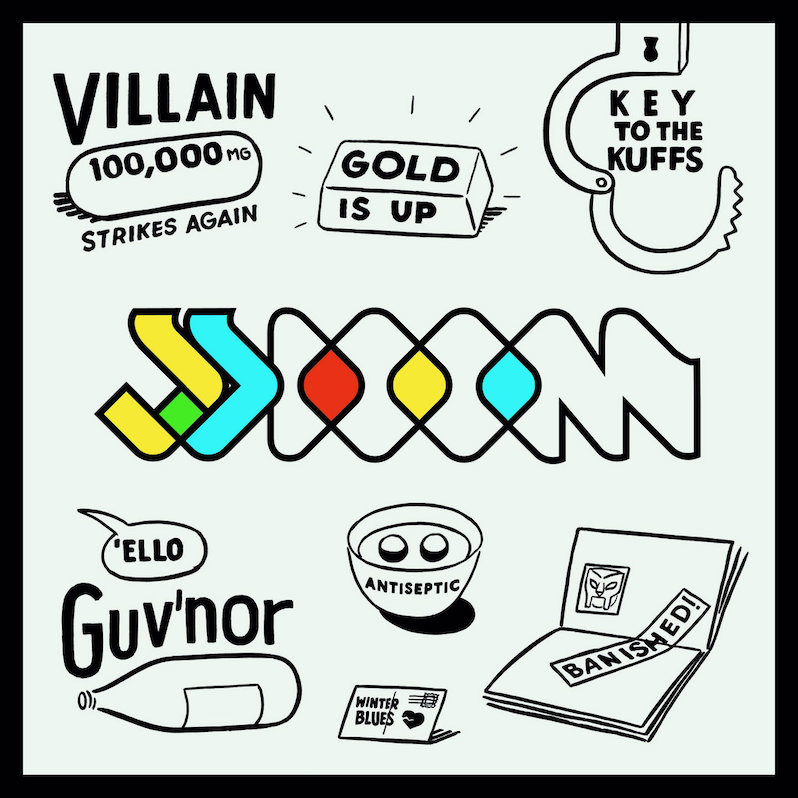
Much as DOOM delivered some standout records in the ’00s by teaming up with a producer for an album-length collab, the metal-faced emcee kicked off a string of collaborative releases in the 2010s by returning to a familiar theme. Key to the Kuffs pairs DOOM with Jneiro Jarel, who provides production on the album’s 42 minutes. As a producer, his sound palette is a bit chillier and darker than, say, Madlib, but strong enough to provide a solid foundation for DOOM’s surrealistic verses. DOOM himself is not as precise in his rhythms as on a record like Vaudeville Villain but his sense of humor remains the driving force throughout much of the album, cramming in the unpronounceable in its greatest moments: “Catch a throatful from the fire vocal/With ash and molten glass like Eyjafjallajökull.” There are also guest appearances from the likes of Blur’s Damon Albarn and Portishead’s Beth Gibbons, perhaps coincidental given this was the beginning of his visa issues that left him to reside in the UK, unable to return to the U.S. after a European tour. (Or perhaps not?) The overall effect is one of an enjoyable DOOM album if not an essential one, and the beginning of a recurring trend that carried through the decade.
Rating: 7.2
Listen/Buy: Bandcamp | Turntable Lab (vinyl)
NehruvianDOOM (2014)
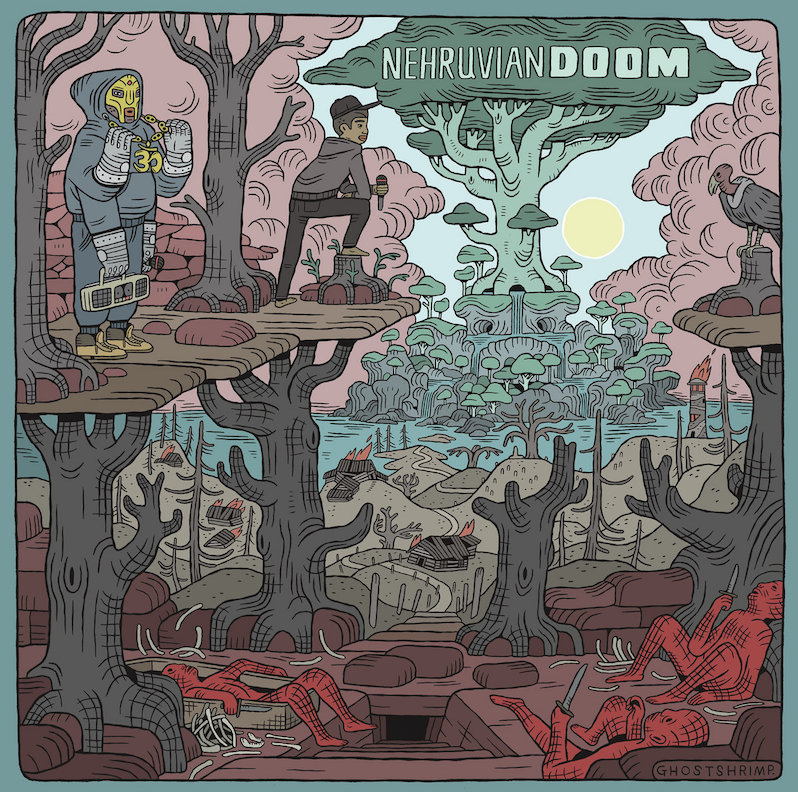
DOOM’s second collaborative record of the 2010s, NehruvianDOOM is admirable in its aim, introducing a young rapper on the rise under the wing of a seasoned, idiosyncratic vet. And it’s easy to hear the potential here, but as presented, it’s not quite there. Bishop Nehru, the young emcee who helms most of these tracks, was only 18 years old when this was released, and as such has both hunger and energy, a magnetic presence if not necessarily a fully formed one. DOOM is here more as a producer than an emcee, dropping into a handful of tracks to rap a few bars, but despite his name on the cover, he feels surprisingly checked out. And while it’s generally not a bad listen, at only nine tracks, one of them a two-minute intro, it feels undercooked—a decent start but one that could have been so much more.
Rating: 6.5
Listen/Buy: Bandcamp
Czarface Meets Metal Face/Super What? (2018/2021)
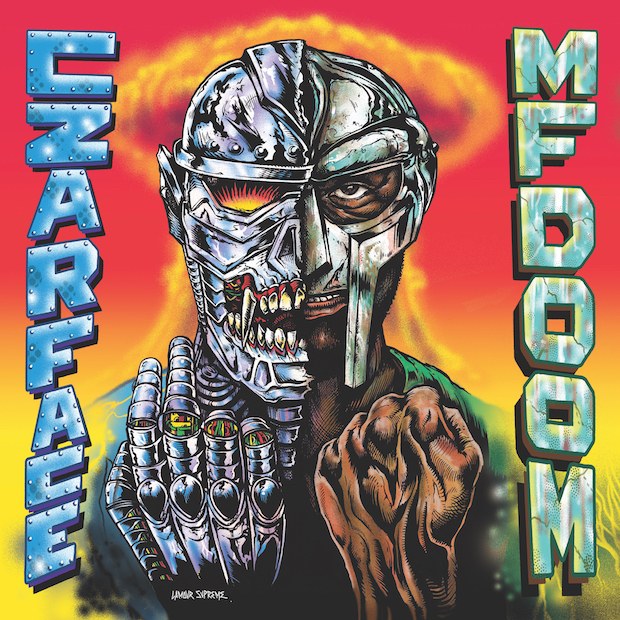
DOOM spent the last decade of his life primarily in collaborative mode, having not released a proper MF DOOM solo album—under any of his aliases, take your pick, since 2009’s Born Like This. And as such, his final record released in his lifetime followed suit, finding the masked villain trading barbs with a similarly metal-faced avatar in the form of Czarface, the trio of hip-hop old-schoolers comprising Inspectah Deck, 7L and Esoteric. The album arrived at a troubled time for DOOM; a native of the UK, despite having lived in the U.S. all his life, he was denied entry into the U.S. following a European tour and subsequently lived in Leeds until his 2020 death. And in 2017, his teenage son died. Naturally, you wouldn’t necessarily have expected him to be in the best place at the time, and his typical laid-back brilliance is muted and understated here, only occasionally offering sparks of inspiration on tracks such as “Phantoms” and “Nautical Depth.” Nonetheless, it’s a strong enough if familiar set of old-school sounds, playfully produced with a number of sonic easter eggs (is that a Wire sample?). Far from a triumph but by no means his nadir, Czarface Meets Metal Face is a fine enough entry in a catalog cut tragically short. But the collaboration likewise produced a second record, the posthumously released Super What?, which showcases a similar sonic palette of old-school sounds that might have even bested its predecessor were it not so abbreviated at just around 25 minutes.
Rating: 7.5 (both)
Listen/Buy: Spotify
Treble is supported by its patrons. Become a member of our Patreon, get access to subscriber benefits, and help an independent media outlet continue delivering articles like these.