

No Joy – Bugland


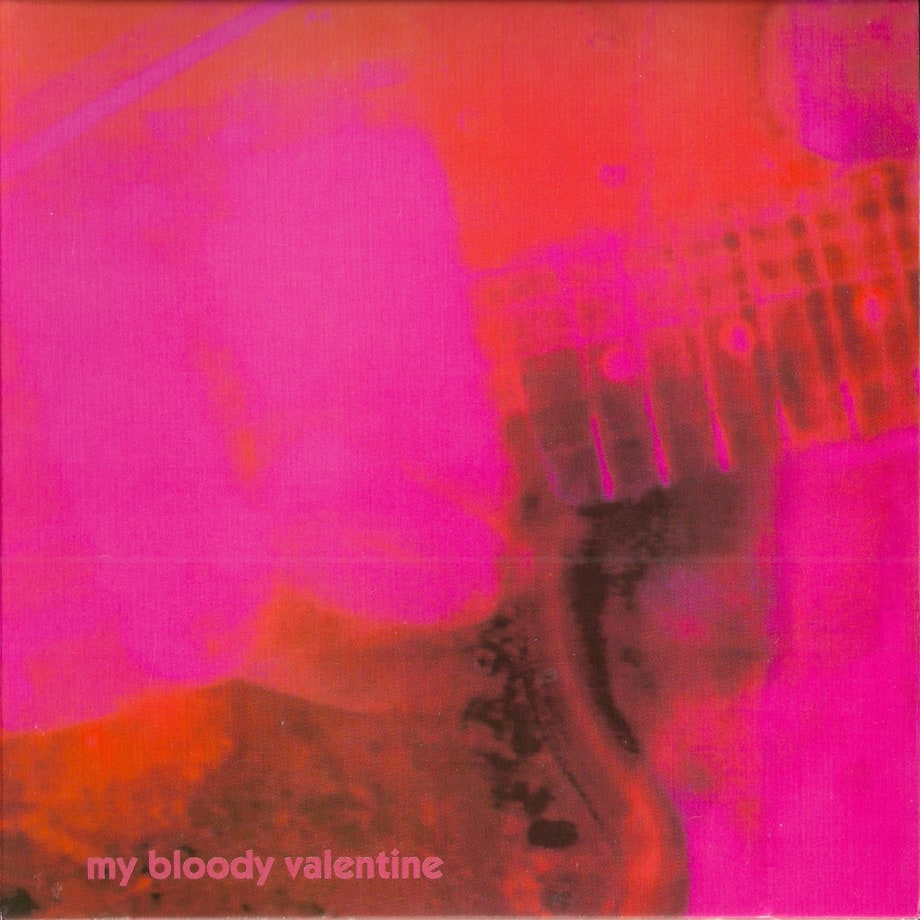
Way back when, you might have called No Joy shoegaze. After all, all the pieces were there: washed out sheets of guitars like rain, a gentle voice like Ariadne’s thread through the labyrinth, and even little touches of electronic drums and beats. If this sounds closer to My Blood Valentine at their peak, then you’d be right; rather than hewing to what so many in the now-oversaturated field lean on, layers of guitars so thick you can barely hear the song (which sometimes can be a good thing), No Joy always retained that technicolor song-logic of My Blood Valentine, where there is a central melody or rhythm and everything is arranged like a mobile around it. It’s that keen sense of arrangement that made tracking her development so satisfying. Lots of artists, given time, learn to play their instruments and even write a song, but giving proper space and voice to the whole thing is what turns good to great.
So hearing that No Joy’s Jasamine White-Glutz was collaborating with Fire-Toolz—an artist that came to my attention when Field Whispers dropped and heshers wanted to jeer their work but me and everyone else with good taste locked in on the hyperchromatic color bomb of prog, electronica, vaporwave, fusion and heavy metal—it seemed at first like an avant-garde hand grenade tossed into an art museum. But the more I sat with Bugland, and frankly the more I thought about it, the more this pairing made natural sense. Each artist stretches toward color and brightness even when the music is channeling raw and painful emotion and is unafraid of musical textures deemed in some circles as either too ironic and “online” or too proggy and unhip. The result? An album that feels unbound by genre, hurling itself toward song over anything. Just like, well, My Bloody Valentine at their peak.
Another comparison I want to make though is to XTC. In both cases, Bugland and that legendary group, there is a real sense of pop tunefulness, something perhaps downwind of the Beatles but rarefied, informed by those perfect pop crystals from Motown and ’50s rock ‘n’ roll all the way through the power pop of the ’70s when groups couldn’t decide if they wanted to make another Revolver or another Led Zeppelin IV. At the peak of their powers, XTC felt like they could draw from anything to make their music, be it ska or psychedelic rock or musique concrete or abstract pop, and when everything was said and done, it would work. Part of that wasn’t just the band but their literal genius producer for Skylarking Todd Rundgren, a man whose mastery of pop as form is so complete even his bad records are worth listening to. Here, it feels like White-Glutz has met her own Rundgren. There are new colors here expanding her arsenal, like synths that sound like they were plucked from ’80s prog-pop albums and digital manipulations paired against beats that tricks the ear into expecting an IDM record at points. There’s even an appearance of harsh vocals from Fire-Toolz themselves, with Angel Marcloid’s perfect voice cutting like a distorted guitar against the pristine pop landscape of the closing track.
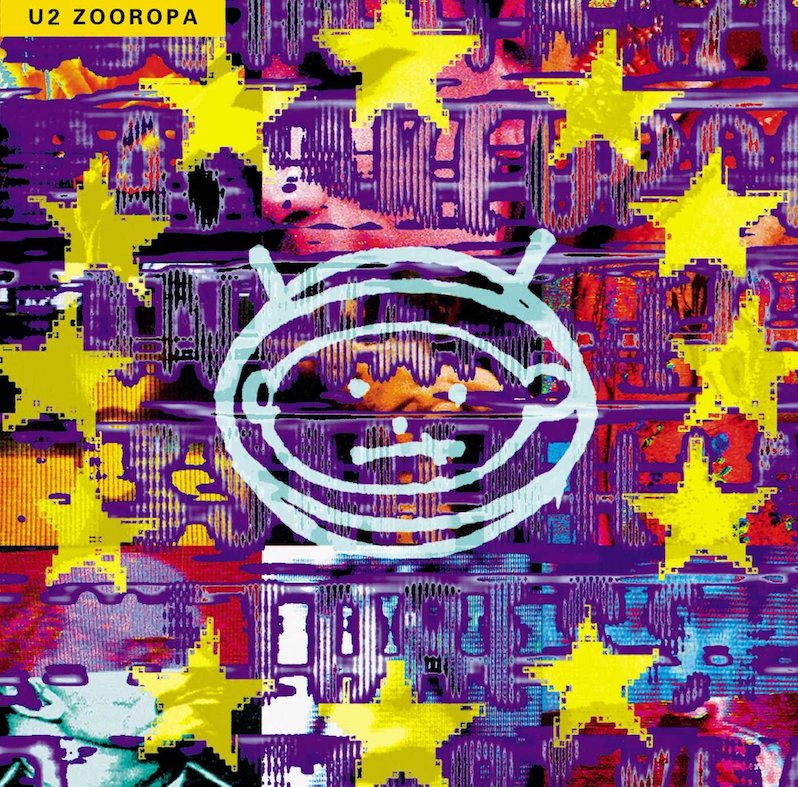
And yet despite this wide, wide palette, with distorted guitars and soundscaping like ’90s U2 and a sense of tuneful alternative music like Garbage if they ditched their radio aspirations entirely, Bugland doesn’t come across scattered. Hell, it doesn’t even come across as progressive. This last one is a particular feat; some artists pride themselves on foregrounding their polymorphic tendencies and great masteries of both instruments and forms, and that can be an absolute hoot, but it’s far rarer for groups to wield all those powers in a way that knots up inside of itself and becomes invisible. If you sit and pick these songs apart, you’ll see fascinating genre collisions, sound palettes that shouldn’t work together built out of the same vaporwave logic of mutant juxtaposition, a particularly post-digital internet age psychedelia. But when you press play, this isn’t how they feel. All it feels like is great pop. It’s like when Trevor Horn, hot from turns with the Buggles and Yes, took all that genius prog prowess and unleashed it upon the world of pop. That Bugland makes me think of Frankie Goes To Hollywood’s criminally underrated Welcome to the Pleasuredome is both a testament to that shockingly sturdy bones beneath songs on each as well as the keenness of those arrangements, with shards of new ideas and sounds dappling the landscape so no verse or chorus feels exactly like the previous or the next.
That I keep reaching for comparisons to explicate Bugland is a sign of its singularity. There is a pureness of emotion here, the right amount of complexity of sound and thought and memory to spawn you into the flesh of someplace real within your head, someplace the music falls away. Do you hear the radio when “Born to Run” plays? No; you are elsewhere, in a dream of freedom and that invincible yearning of youth. Does the faultiness of the plotting and narrative in I Saw The TV Glow bother you? No; there is a place of bi-directionality where children project themselves into adulthood and you, looking back, project yourself back to childhood, a closed loop of the yearning heart, chasing something perhaps but more enmeshed within that propulsive sense of chasing itself. So, too, is Bugland. It feels unsure of whether it is a mire of youthfulness drawing you in, a portrait of its intensities, or that burning star-bright core of the missing thing we pursue as alternative youth through childhood and teenage dreams and twenty-something starry-eyed misadventures and feel still throbbing somewhere in the walls as adults. So you let the record repeat when it hits its final notes, deliberately left feeling not so complete, that maybe this next turn around the songs it will all come together, everything making sense, on and on and on.
Label: Hand Drawn Dracula
Year: 2025
Similar Albums:
No Joy : Bugland
Note: When you buy something through our affiliate links, Treble receives a commission. All albums we cover are chosen by our editors and contributors.

