


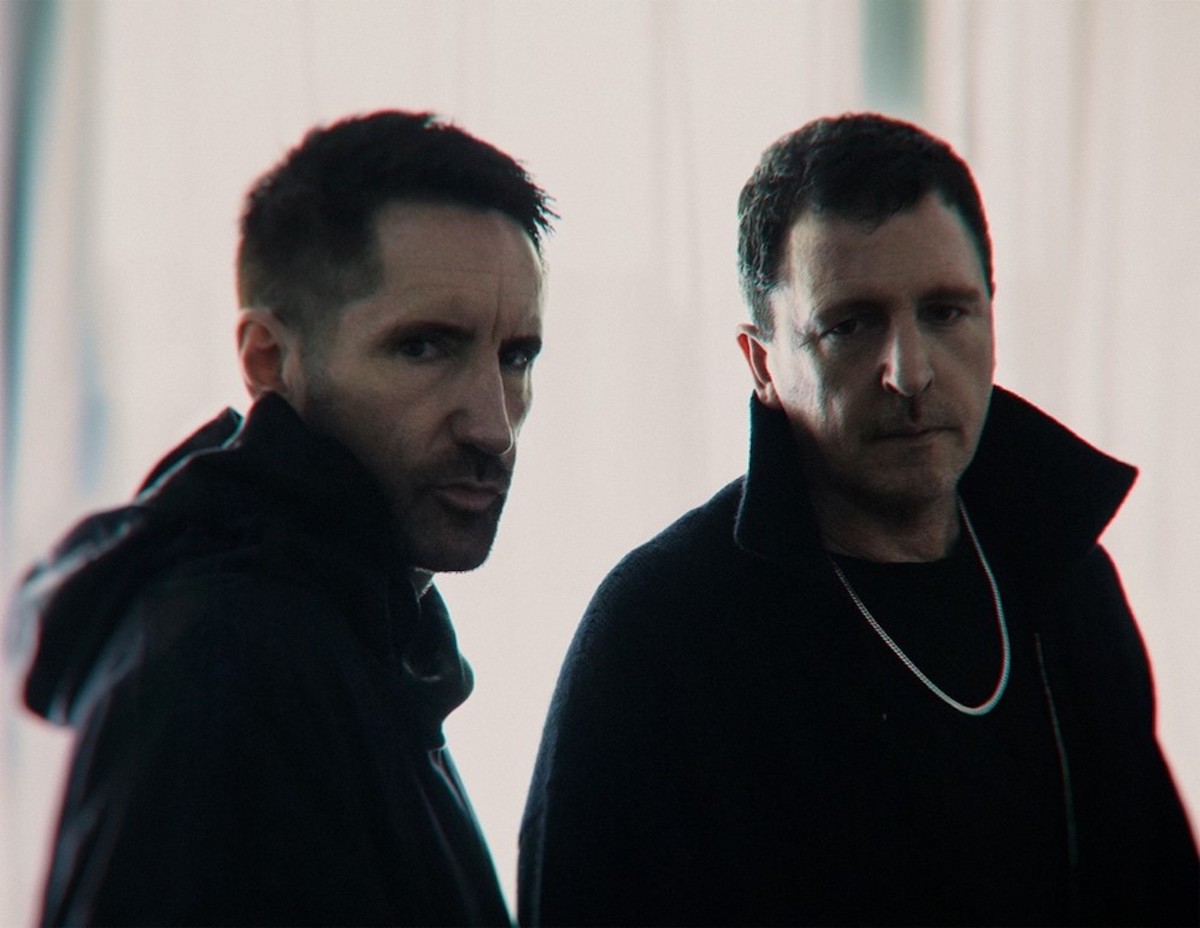
In the middle of our confoundment by the collaborations with Boys Noize that culminated in buzzworthy Coachella 2026 sets and a live album this past April, we realized our coverage of Nine Inch Nails—an artist collectively respected by a significant portion of Treble staff—had developed something of a blind spot. While Trent Reznor’s work in NIN and elsewhere was continuing apace, and while we gave plenty of column inches to NIN legacy releases, we hadn’t kept up with gathering our views on such creations in order to put them all in context. Treble’s Celebrate the Catalogue series does its level best to survey the output of great artists and labels, and sometimes even specific time periods for these. This one you’re reading for Nine Inch Nails is an update 14 years in the making, focusing on the major releases of original music by Reznor’s main concern since 1989’s Pretty Hate Machine.
Laura D. Flowers joins original author Adam Blyweiss to not only help critique what we’ve missed since 2012, but also completely re-evaluate our views on and scores of some of NIN’s older work. We don’t review every single “Halo” release of remixes and B-sides here, though we do try to address how or if those are vital to the importance of their associated LP or EP. We also do not cover NIN-adjacent projects like How to Destroy Angels, nor the soundtracks specifically credited to Reznor and Atticus Ross. (But you can probably bet that those will appear in a future edition of this column.) With these qualifications in mind, let’s once again revisit the catalog of an act who attempted to make a troublesome underground genre palatable, and in doing so paved the way for pop music to experiment with more challenging volume levels, themes, technologies, and public access.
Note: When you buy something through our affiliate links, Treble receives a commission. All albums we cover are chosen by our editors and contributors.
Happiness in Slavery
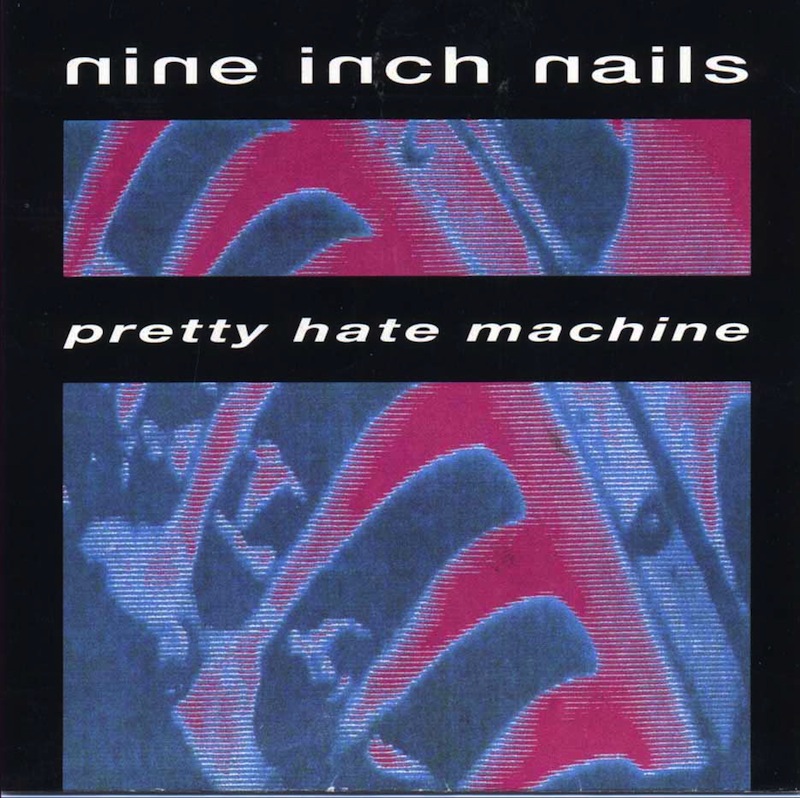
Pretty Hate Machine
(Halo 2; TVT Records, 1989)
Industrial music—and this album which was, for many, a primer in it—is the sound of spare parts. As a genre it regularly employed field recordings of machines and metal, bellicose keyboards and guitars, scraps of harmony and melody. As a purveyor of it, driven by late-night isolation and dreams of escape via commercial success, a young Trent Reznor assembled his demos by stitching together studio downtime as well as disparate muses. The liner notes thank Prince, whose sexuality and synthesized funk snakes through “The Only Time.” There’s Public Enemy, heard in the rap of “Down In It” and the sound collage-as-rhythm track on work like “Ringfinger.” And of course there’s Coil and Clive Barker, infusing the dance of “Head Like a Hole” and balladry of “Something I Can Never Have” with dread and abuse. Nine Inch Nails offered a bold update to party music, suggesting that those wallowing in misery indeed love company with which to share it. Reznor also offered updates on the updates; from the jump, B-sides and remixes have often comprised a vital piece of each album’s puzzle. Pretty Hate Machine may not have been an instant classic, but it’s certainly an acknowledged one. – Adam Blyweiss
Listen/Buy: Spotify | Amazon (vinyl)
Rating: 10
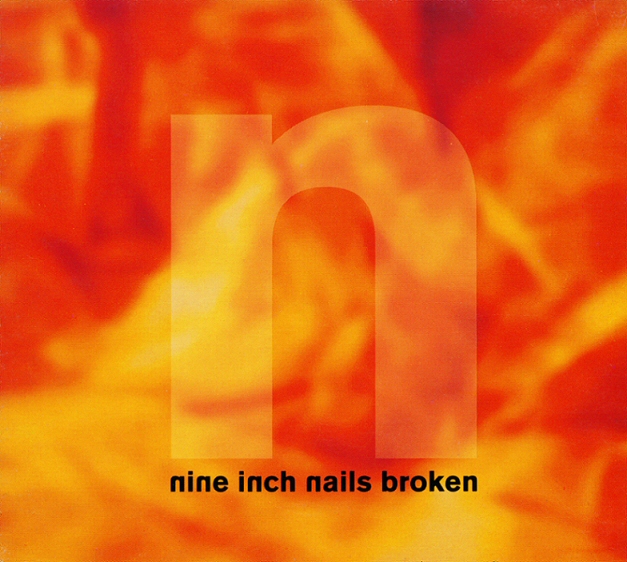
Broken
(Halo 5; Nothing/Interscope, 1992)
Reznor’s first outburst at the shitty treatment he received from a record company (it wouldn’t be his last) powered Broken. Reversing the “synths-first, guitars-as-texture” dynamic of Pretty Hate Machine didn’t eliminate Reznor’s affinity for anthemic choruses, however. (There’s a reason why “Wish” has been played at more NIN live shows than even “Closer.”) Even the record’s loudest howl, the hardcore industrial “Happiness in Slavery,” has Reznor using a light-touch tenor on the refrain. The drum machines, like those on PHM, might sound a little dated, but bands like HEALTH and Bad Omens would kill to have the EP’s riffs today. Broken is still capable of lacerating the ears, and the goth-club-ready remixes on Fixed are also worth a look. – Laura D. Flowers
Listen/Buy: Spotify | Turntable Lab (vinyl)
Rating: 8.0
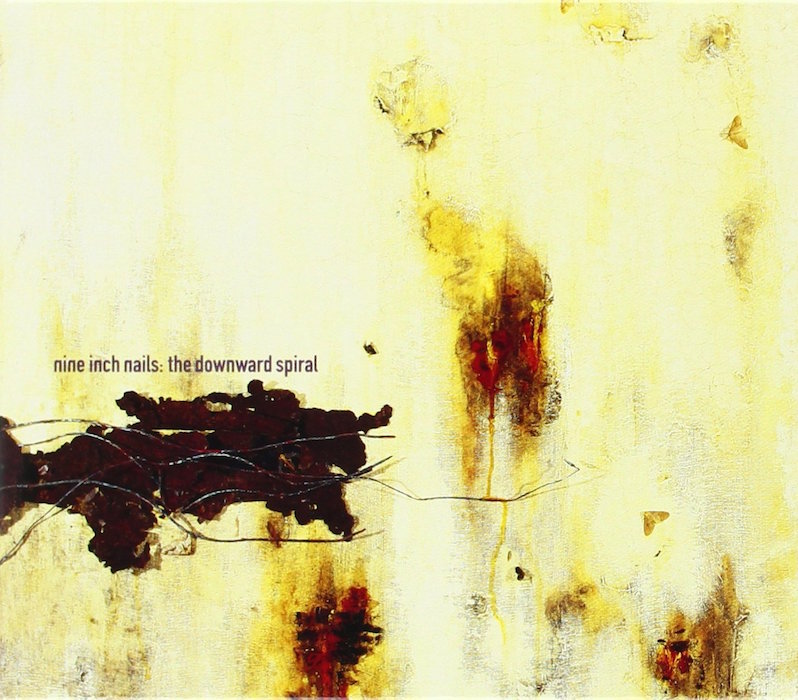
The Downward Spiral
(Halo 8; Nothing/Interscope, 1994)
After releasing music that asked “What’s this love for?” and “What’s this work for?”, Nine Inch Nails made a concept album ultimately asking “What’s this life for?” The question had been posed before, but where other stories’ subjects went mad or got redeemed, on The Downward Spiral Reznor put forward death as a most secure refuge indeed. The premise created some controversy: “Big Man with a Gun” was heard as a violent hip-hop boast instead of a critique, for example, and the young Columbine killers found inspiration in the album’s depressive nature. Yet these were thoughtless outliers, the sad catharsis proposed in Reznor’s art made manifest. Intelligence lurks elsewhere in the maelstrom. The weirdly sex-positive “Closer” and the nihilist manifesto “Hurt” touched enough nerves to be censored into NIN’s signature rock-radio singles. Groundbreaking production and lyrical imagery interest and frighten throughout “Mr. Self-Destruct,” “The Becoming,” “Eraser,” “Reptile.” Complementary EPs were full of curious takes and retakes, with Reznor as a nexus between heroes of new wave and the cutting edge of electronica. If longtime fans aren’t going back to Pretty Hate Machine for the beats, they’re going back to this album for the sturm und drang. – Adam Blyweiss
Listen/Buy: Spotify | Turntable Lab (vinyl)
Rating: 10
Things Falling Apart
 The Fragile
 The Fragile
(Halo 14; Nothing, 1999)
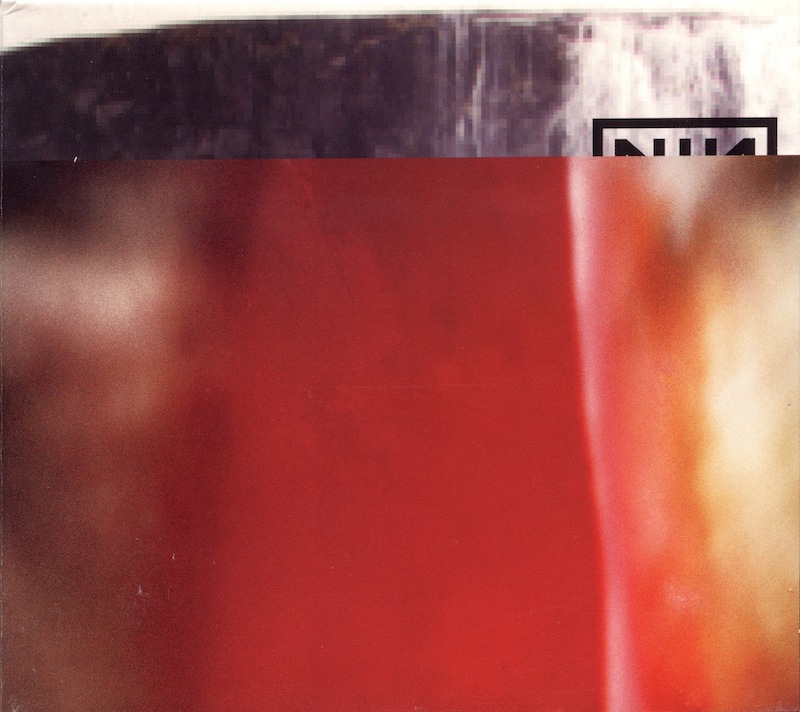
Some loved it immediately, some hated it or were baffled by its relative disinterest in singles. (Though rockers like “Into the Void” absolutely bang, as does much of the record’s “Right” half.) Today, The Fragile mostly elicits respect, though unlike other NIN albums, you don’t see its clear influence on bands that came after. Over 120-plus minutes, Reznor explores new synth textures, riffs, and machine noise alongside hints of mandolin, slide guitar, strings, and even intermittent hip-hop-adjacent beats, all while self-medicating to a degree that’d force him into sobriety two years later. At times, its meandering nature feels like a perplexing high, and there’s still no defending “Starfuckers Inc.” aside from its catchy guitar hook. But those willing to listen in the first place should find themselves pleasantly lost in The Fragile’s labyrinths. It stretched the possibilities of what a(n ostensibly) rock record could do, and it’s not surprising that no one’s really tried to imitate it. Don’t bother with the remix coda. – Laura D. Flowers
Listen/Buy: Spotify | Turntable Lab (vinyl)
Rating: 8.5
And All That Could Have Been
 And All That Could Have Been
(Halo 17; Nothing, 2002)
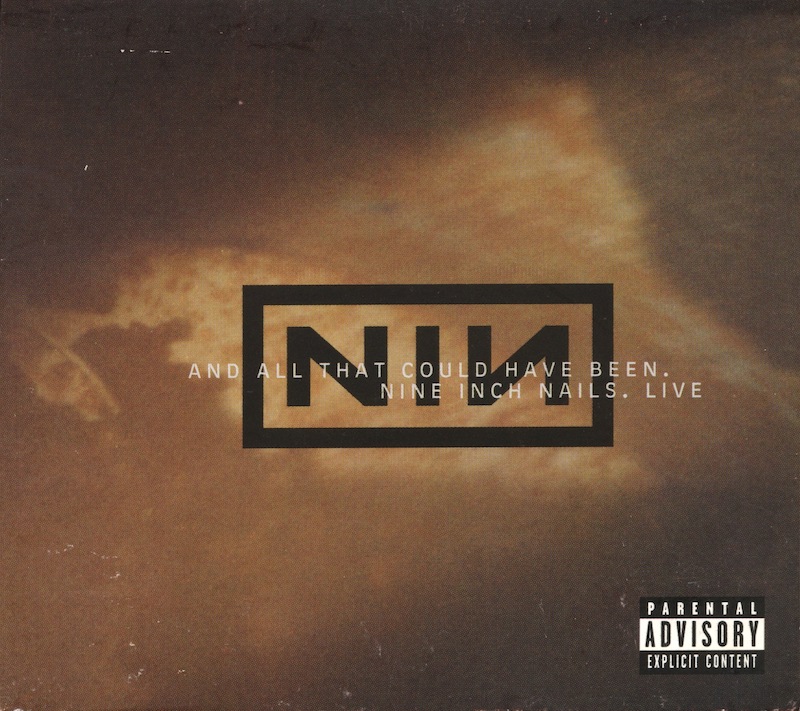
Not the first or last document of live NIN material, but as album and DVD versions exist independently of each other this is the only concert “Halo” that doesn’t actually require visuals. Sadly, I wonder if someone knew those shouldn’t have been separated from the music in the first place. Recorded at shows supporting The Fragile in 2000 and sequenced continuously in the studio, outside of the crash open of “Terrible Lie” to kick things off there’s precious little bite to the album’s proceedings. NIN shows are visually compelling, with Reznor and his sidemen throwing themselves (often literally) into their playing. However, most everything since Broken had derivatives of a full guitar-bass-drums-keys sound, so the dirty little secret is that the live band doesn’t stray too far afield here. In typically difficult NIN fashion the best part of this release is Still, the second half of two-disc editions of And All That Could Have Been. There, Reznor led skeletal acoustic performances of songs from previous NIN albums and new compositions, embracing his classical background and lifting all filters from the power of his music. – Adam Blyweiss
Rating: 4.0 for the single disc edition, 6.0 for the double disc
With Teeth
 With Teeth
(Halo 19; Interscope, 2005)
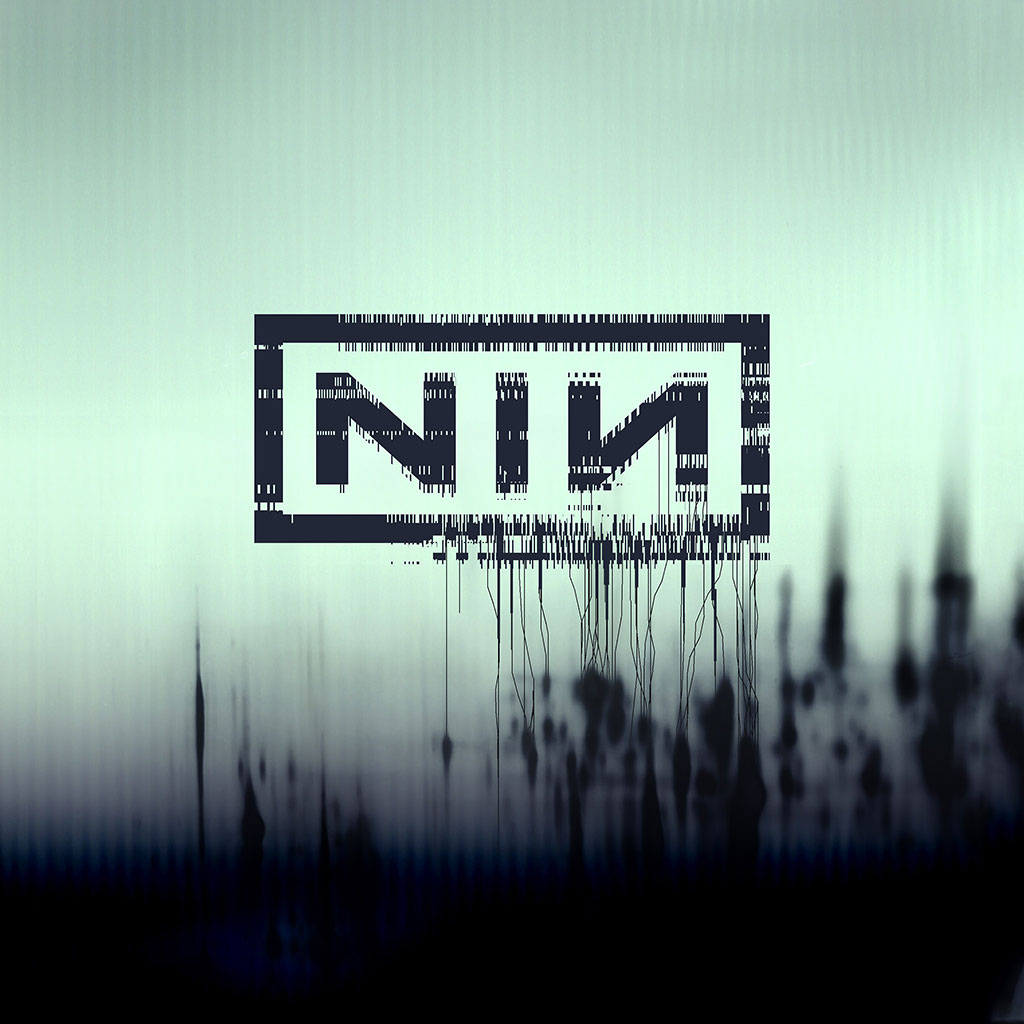
There were certainly interceding releases—a remix comp here, a soundtrack song there—but NIN were averaging five-plus years between full studio albums. There was no mystery about what With Teeth covered, and why its schedule played to type: Trent Reznor needed to get clean. He hit the studio and the stage newly buff, absent of drugs or alcohol. He inverted a few of his past attitudinal and psychological tropes on record, attempting to embrace companionship (in a backhanded way on “Beside You in Time”), positivity (in the objectivist “Only”), and populism (in the quasi-political “The Hand That Feeds“). With Teeth contained little evidence of epic distortion or grand eschatological explorations. Vintage instruments, lots of 4/4 rhythms, the first NIN appearance of Atticus Ross, even Dave freakin’ Grohl on drums? This music was brash and basic alt-rock, Reznor’s version of dipping a toe back in the water. – Adam Blyweiss
Listen/Buy: Spotify | Turntable Lab (vinyl)
Rating: 7.5
Survivalism
Year Zero
(Halo 24; Interscope, 2007)
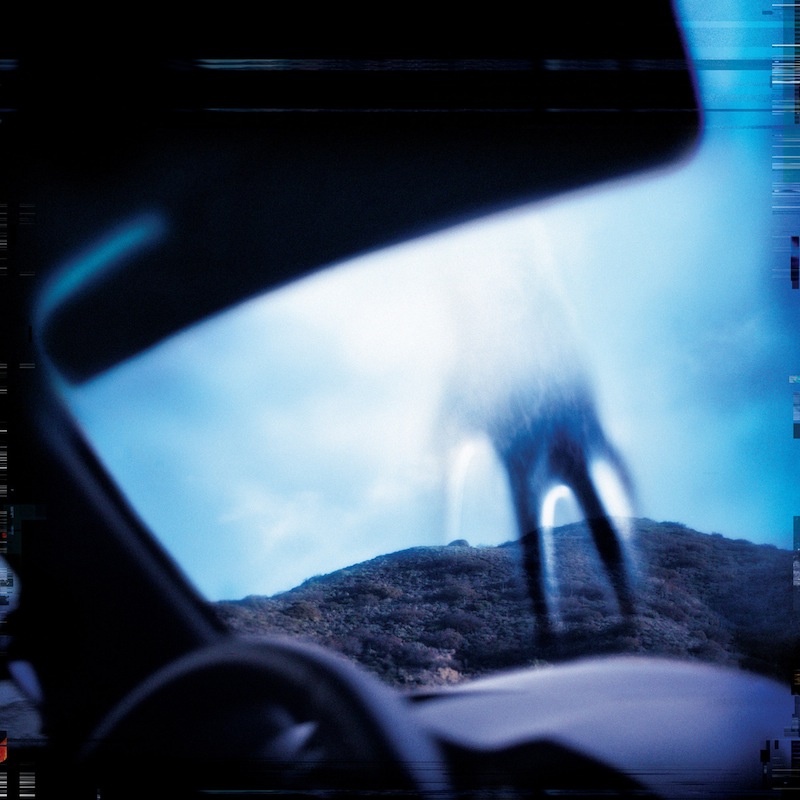
Trent Reznor first found his storytelling voice on The Downward Spiral, at least in the abstract. Merging that skill with the With Teeth approach to concepts both literal and static, he enthusiastically immersed himself in the world of Year Zero—an alternate reality game with a network of secret codes, stunt websites, and clandestine events time-hopping to America of the then-near future. It was The X-Files with a leftist slant, full of references to bioterrorism, paramilitary aggression, unchecked global warming, and otherworldly presences. And the songs on the actual Year Zero album took up points-of-view of different participants in the story: the soldier, the parent, the protester, even the pernicious voice of government surveillance itself. Against a backdrop made from NIN’s versions of pop both analog (“In This Twilight”) and digital (“Me, I’m Not”), and atmospheres simultaneously feng shui (“Zero-Sum”) and erratic (“The Great Destroyer“), Reznor’s tale transcended the musical and approached the cinematic. It also helped define new levels of fan service and participation by creating a remix community that ended up represented on the reconfigured version of the album released later that same year. – Adam Blyweiss
Listen: Spotify
Rating: 9.0
Ghosts I–IV
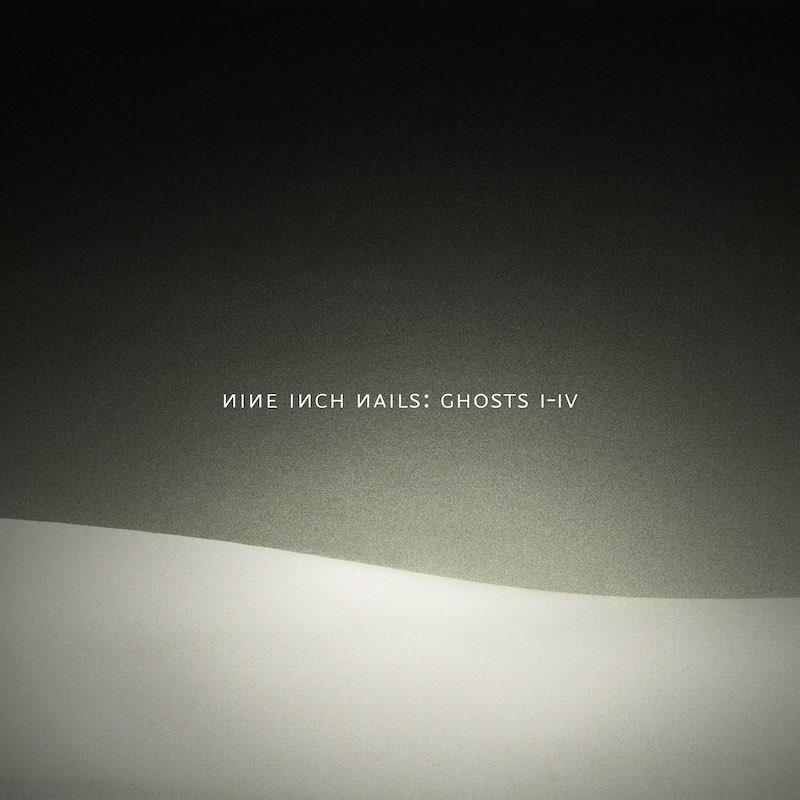
 Ghosts I–IV
(Halo 26; The Null Corporation, 2008)
NIN were on something of a creative roll, and liberated from any recording contract Trent Reznor could mimic Radiohead’s pay-what-you-want business model for music. He holed up in a studio for 10 weeks with trusted studio hands Atticus Ross and Alan Moulder, and other gifted players like Brian Viglione and Adrian Belew. Despite fans wanting to collectively pay NIN $1 million for the results, those can be summed up as two hours’ worth of instrumental swooshing and buzzing, by turns calming and frustrating. Created as music inspired by what Reznor described as visuals of imagined places, the best thing about Ghosts I–IV is that it turned out to be a precursor to the soundtrack projects he would begin in the 2010s. Yet upon its surprise release, it felt neither inferred by his prior music supervision and soundcraft for Oliver Stone’s Natural Born Killers nor a logical extension of what Nine Inch Nails had been up to that point. But it got sampled for “Old Town Road,” so I guess that’s something. – Adam Blyweiss
Listen: Spotify
Rating: 3.0
The Slip
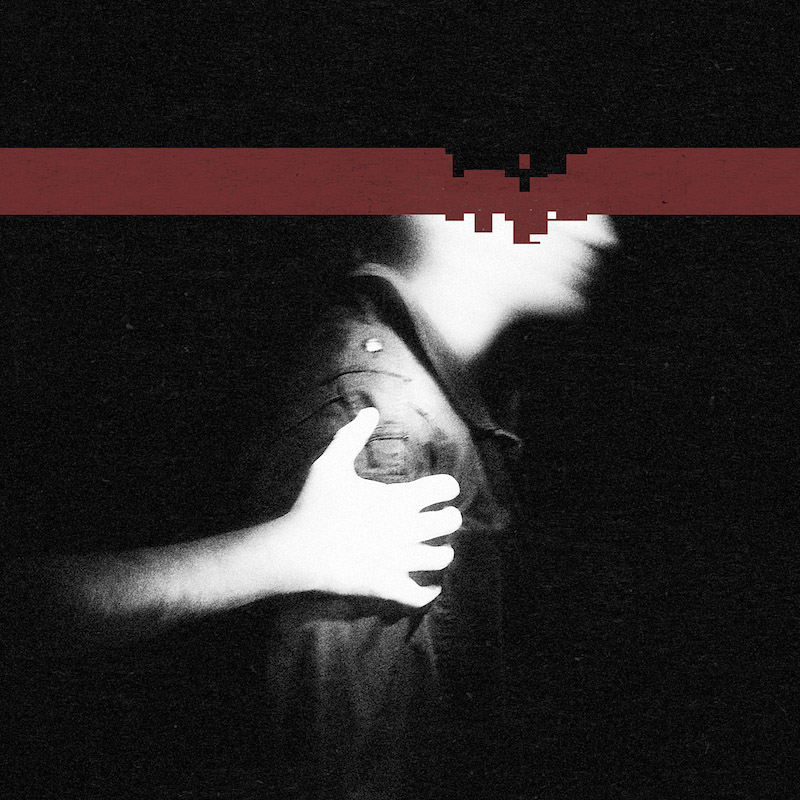
 The Slip
(Halo 27; The Null Corporation, 2008)
Fans initially wondered if The Slip was a continuation of NIN’s Year Zero mythology. There were many psychic connections: songwriting about aliens and authority, a “resistance” logo in the artwork, the cover shot of Reznor being grabbed. Yet this wasn’t released with that album’s fanfare, and The Slip is an exercise in concentrated strength instead of world building. The fairly loud front half has no fewer than four radio-ready powerhouses, from “1,000,000” through “Echoplex,” before settling into moodier, more contemplative atmospheres anchored by “Corona Radiata.” This was a thank-you note to listeners who stuck with him through good and bad, and yet another Dear John letter to the music industry—one to be downloaded, bought, remixed, reposted. – Adam Blyweiss
Listen: Spotify
Rating: 6.5
Various Methods of Escape
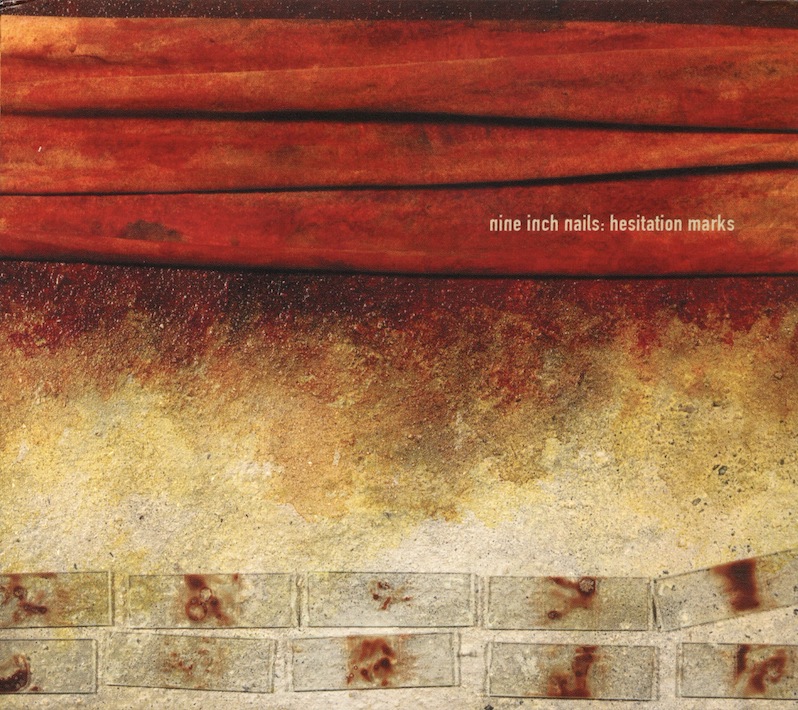
Hesitation Marks
(Halo 28; The Null Corporation/Columbia, 2013)
This is arguably the most uplifting NIN album yet, for a variety of reasons. You can hear it as ”Everything” amps up the melody and volume on chugging Strokes-esque rock, while the subterranean beat and lost-companion story of “Satellite” offer common ground to the day’s pop royalty. And it helps that Hesitation Marks is also the most nakedly synth-heavy NIN LP since Pretty Hate Machine, despite guitar gods like Adrian Belew and Lindsay Buckingham playing on this album’s big singles. Now really, only “Copy of a” is as immediately memorable as anything else to this point in Trent Reznor’s sober-dad period, and even some of the great lockstep grooves here don’t get resolved. But this LP tweaks the past, and invites the present and future. I mean, Reznor brought Russell Mills back to turn the artwork of The Downward Spiral on its head, and the remix game gets tweaked here across prog, indie-dance, and even Breyer P-Orridge’s foundational industrial. If Trent had ever been asked that job interview question “what kind of tree would you be?”, Hesitation Marks might recommend an answer with deep roots and wide branches. – Adam Blyweiss
Rating: 7.5
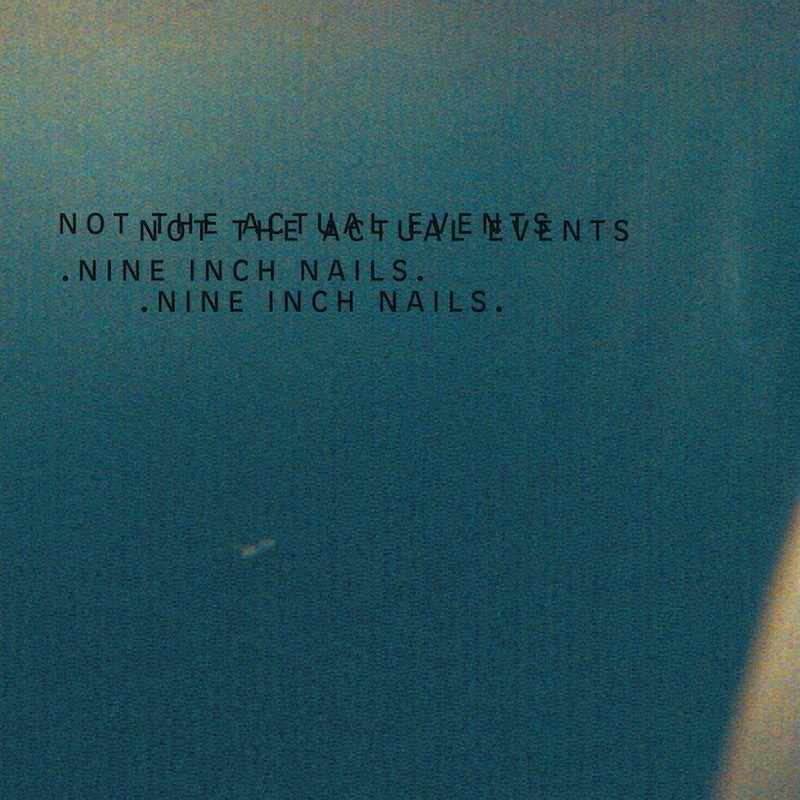
Not the Actual Events
(Halo 29; The Null Corporation, 2016)
Not the Actual Events doused listeners in a level of musical vitriol NIN hadn’t evinced since the noisiest parts of Year Zero. As the beginning of a trilogy that continued through Add Violence and Bad Witch, NTAE is easily the weakest work. It feels jagged and uneven, e.g., its 90-second blastoff intro “Branches/Bones” sitting awkwardly next to the ouroboros misery of “Dear World.” That said, after a fairly sedate record like Hesitation Marks, Events did successfully remind listeners that NIN is the furthest thing from staid. And “She’s Gone Away” has shown longevity due to its jarringly perfect use in Twin Peaks: The Return and its inclusion in the Nine Inch Noize experiment. – Laura D. Flowers
Listen/Buy: Spotify | Amazon (vinyl)
Rating: 6.0
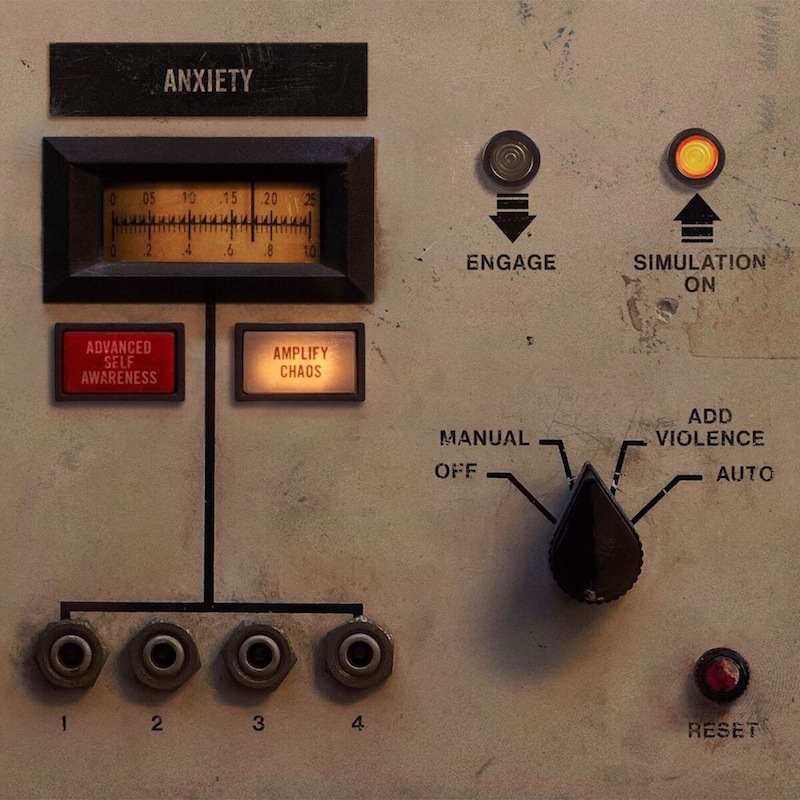
Add Violence
(Halo 31; The Null Corporation/Capitol, 2017)
Until now, the music diverging the most from Nine Inch Nails’ given norm had been the relentless fog of Ghosts I-IV. Add Violence, however, found Trent Reznor and Atticus Ross making intersections with stylistic contemporaries. Trent has called these songs brothers; at best they’re clearly lovable bastards. “Less Than” is solid modern NIN, a melodic Wilhelm scream about compliance and unintended results released a few months into Donald Trump’s first presidency. But most of the rest of the EP holds interesting forays into other genres: trip-hop (“This Isn’t the Place”), atonal and rhythm-changing post-punk (“Not Anymore”), and what might have been a throwback to Underworld’s brand of intelligent techno (“The Background World”) were it not for the most aggravating fraction of a second of dead air in music history. – Adam Blyweiss
Listen/Buy: Spotify | Turntable Lab (vinyl)
Rating: 7.0
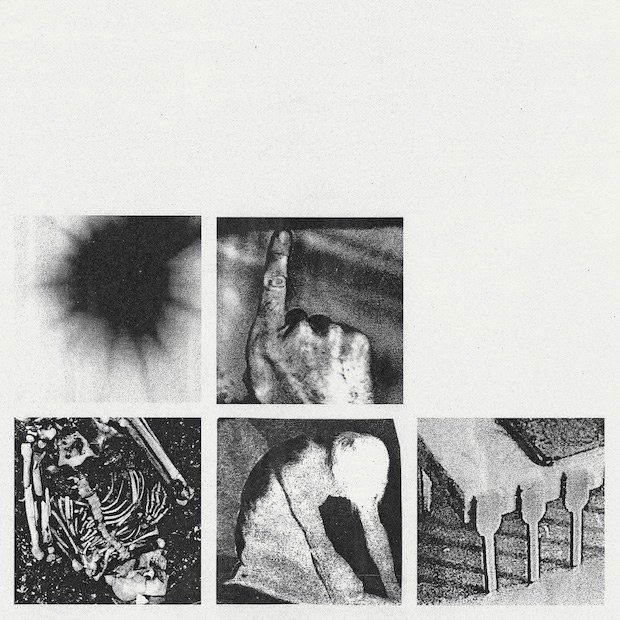
Bad Witch
(Halo 32; The Null Corporation/Capitol, 2018)
This is perhaps the strangest NIN work classified as an album. It’s also unquestionably one of the group’s best. Blisteringly fast until the last two tracks and wearing the influence of David Bowie’s Blackstar on its sleeve, Bad Witch sounds like many things (jazz, ambient, no wave, digital hardcore). And they all work. Opening tracks “Shit Mirror” and “Ahead of Ourselves” give the people what they want from the band (riffs, hooks, cathartic rage) and the rest takes listeners places they’d never quite gone with NIN, epitomized by the mad gallop of “God Break Down the Door” and the harrowing creep of instrumental “I’m Not From This World.” – Laura D. Flowers
Listen/Buy: Spotify | Turntable Lab (vinyl)
Rating: 9.5
Your New Normal
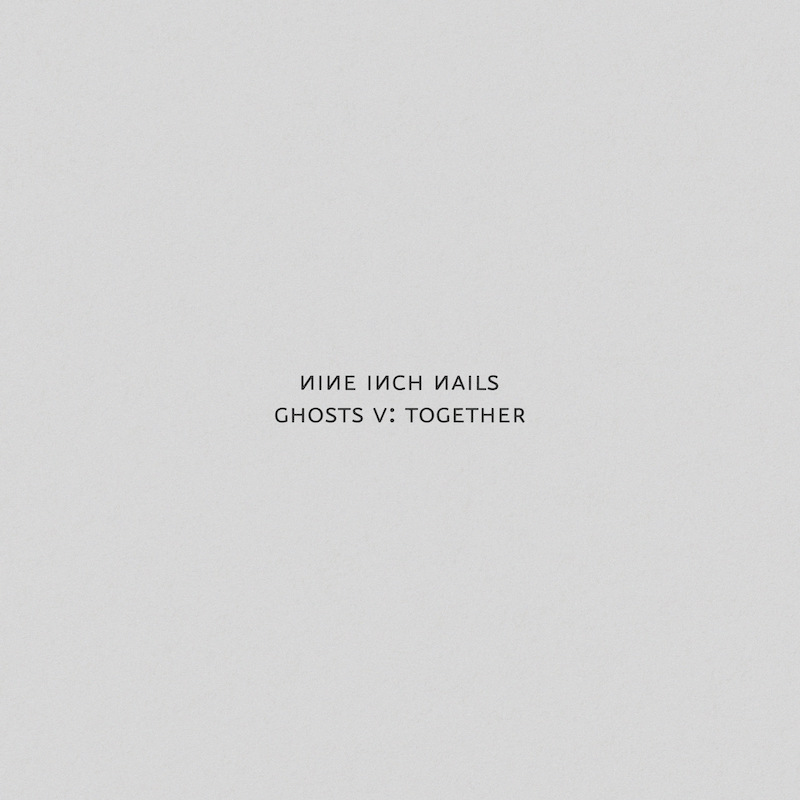
Ghosts V: Together
(Halo 33; The Null Corporation, 2020)
At the outset of 2020’s COVID-19 lockdowns, Trent Reznor surmised that if you’re going to be alone with your technology and your catastrophic thoughts, why not put both to good use? Simultaneously released with Ghosts VI: Locusts, Nine Inch Nails here trade the quantity of their instrumental series for length, with just eight almost entirely beatless tracks across 70 minutes. The ambient swells and Satie-like piano figures can be beautiful, and the analog bleating of “Your Touch” is a welcome addition to Reznor and Ross’ sonic palette, but the distortion, interference, and experimental tunings make this music a daunting listen overall. – Adam Blyweiss
Listen: Spotify
Rating: 4.0
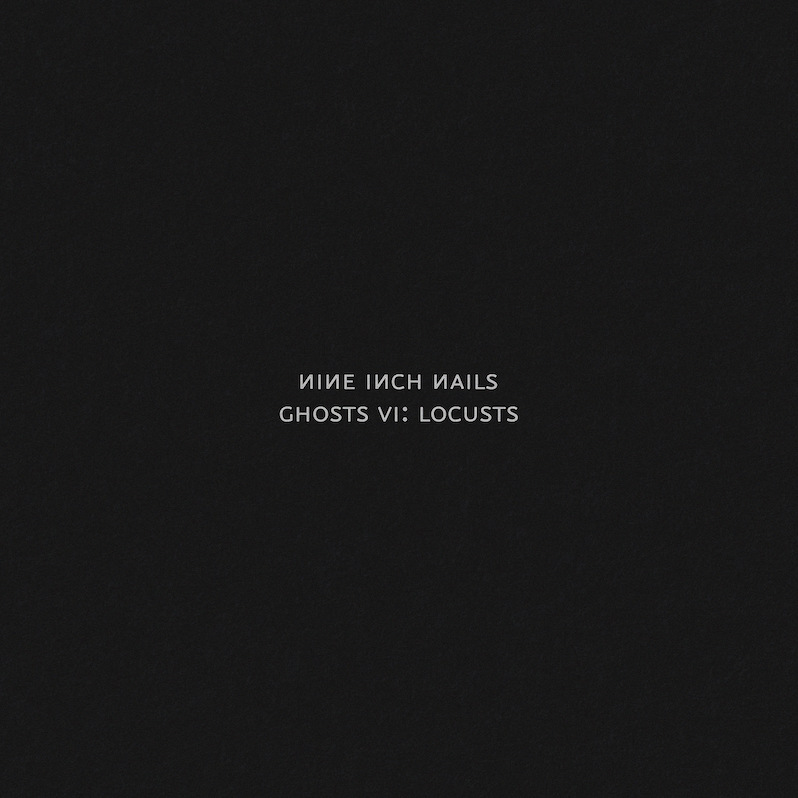
Ghosts VI: Locusts
(Halo 34; The Null Corporation, 2020)
At 83 minutes, the latest-to-date installment in the Ghosts instrumental series will try many listeners’ patience. Its uniform sound does not help in this regard, even if you get the point (it’s the horrific yin to Ghosts V’s hopeful Enoesque yang). There are thrills to be found for those who stick with it, like the blistering “Run Like Hell” and its sudden explosion of drums or the relentless terror of “Turn This Off Please.” Definitely among the least accessible NIN works. – Laura D. Flowers
Listen: Spotify
Rating: 6.0
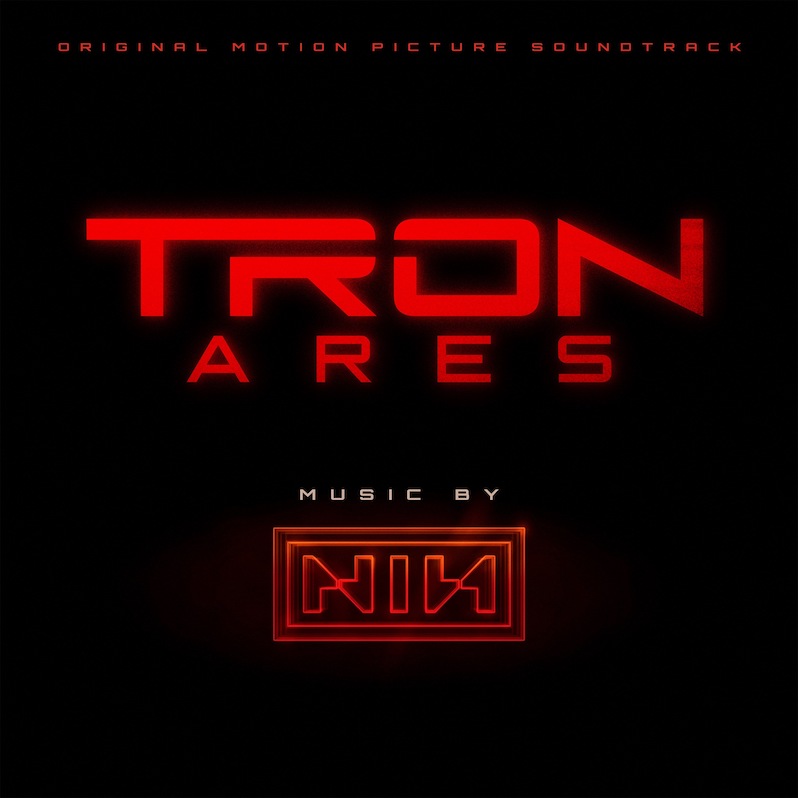
Tron: Ares
(Halo 36; Interscope/Walt Disney/The Null Corporation, 2025)
Unlike the excellent scores Trent Reznor and Atticus Ross compose for films across many genres, Tron: Ares often does feel like a Nine Inch Nails album—at least, the beginnings of one. The problem is the instrumentals so often feel like rehearsal takes or demos, with a great synth riff here, powerful beats there, intriguing noise somewhere else. Most instrumentals on NIN albums have clear sonic arcs (e.g., “Just Like You Imagined” from The Fragile) and these often aren’t that developed. Granted, score cues don’t require the same structure as songs, but listen and you’ll see why you expect them to. Even more oddly, the remixed versions on this record’s Divergence variant are often notable improvements. With all that said, the four vocal songs are all quite good. In fact, “As Alive As You Need Me to Be” is the best pure NIN single since “Discipline” and possibly earlier. Its strong chart performance on rock radio proved even the normals still respond to this group at its peak. – Laura D. Flowers
Listen/Buy: Spotify | Turntable Lab (vinyl)
Rating: 4.5
Nine Inch Noize
(Halo 38; The Null Corporation/Interscope, 2026)
Who knew a single score collaboration would lead to a creative partnership that allowed Reznor and Ross to completely recontextualize the NIN experience? That’s exactly what happened after Alex Ridha, aka Boys Noize, remixed the Reznor/Ross score for Challengers and then accompanied NIN on tour. Nine Inch Noize relies heavily on the harder electronic NIN songs to create its pummeling but often danceable EBM tracks (there’s a buncha Year Zero here). It also breathes new life into an old workhorse like “Heresy;” with help from Ridha’s synths and Mariqueen Maandig Reznor’s evil-ethereal vocals it sounds as dangerous as the original once did to so many parents. Ultimately this is probably most interesting to superfans. But it could also be an entry point for newcomers seeking to hear what made NIN famous and enjoy the new tricks Reznor’s still learning 35-plus years later. – Laura D. Flowers
Rating: 7.5
Listen: Spotify
Treble is supported by its patrons. Become a member of our Patreon, get access to subscriber benefits, and help an independent media outlet continue delivering articles like these.
