

A Guide to the Paranoid, Futuristic Sound of Turn-of-the-Millennium Rap

To quote Talib Kweli, “hip-hop is a vehicle.” It’s a vehicle that sparks imagination. It’s a vessel for escapism. It gives voice, ignites protest and inspires social reform. It can allow for the dreaming of better, brighter and stranger worlds. It’s also a vehicle for creating the future. Early hip-hop’s lexicon of sampling, mixing, burning and sharing helped forge the language of the techno-dominant future we currently occupy; a jumbling of forms and styles that mirrored and gave meaning to the complexities of postmodern life. Public Enemy saw themselves and their fellow samplers as “media hijackers,” stealing from the past in order to create the future.
While hip-hop has expanded its horizons beyond these sample-indebted origins, this ground zero has given the genre a remarkable understanding of urgent futurism. While retro stylings pervade within alternative music, hip-hop is the key form of popular music that continues to evolve into exciting new shapes and forms. It’s where true contemporary innovation lies, both formally and ideologically. From radical sexual politics to noise-leaden nightmares to sprawling auteurist epics (a space once firmly occupied by rock music); hip-hop is the vantage point from which the beating heart of both present and future music can be viewed.
So what happens when a genre so in sync with the possibilities of tomorrow is confronted by a future that appears ominous and portentous of doom? Hip-hop may carve out the future, but it’s also a mirror, reflecting its surrounding socio-cultural conditions. The last decade has given rise to subgenres like nihilistic mumble rap, head-spinning internet-age experimental rap, the ice-cold assault of transatlantic drill and sprawling metamodern pop genre-blending. These are reflections of the Western world’s prevailing sense of tech-dominated, fragmented chaos; hip-hop’s inherent futurism warped into the simultaneously dystopian and utopian.
However, this is not the first time that hip-hop has confronted an unknowable future. In the late ’90s, the world found itself reckoning with the prospect of a brand new millennium. Major works of pop culture like The X-Files, The Matrix and OK Computer stared down the barrel of the impending new millennium and saw a present and near future dominated by conspiracy, consumerism and techno-oppression. Works of political theory by the likes of Noam Chomsky and Naomi Klein influenced both mass culture as well as the underground, questioning the decade’s hegemonic notion that neoliberal capitalism was a welcome end point of history.
Hip-hop mirrored these ideas as well as any other cultural form. In the mid-to-late ’90s, the then still-young genre remained in the process of carving out its true underground, which soon came to be defined by the acts featured here and the labels that many released their finest works on, such as Def Jux, Anticon, Big Dada and Rhymesayers. Influenced by countercultural philosophy and sci-fi literature, this brand of millennium-era paranoid rap was as cerebral as it was visceral, rife with typical hip-hop wit and aggression but also shot through with esoteric references, avant-garde production and emotional intelligence.
The following list charts a course through ten of the essential albums of this era. For clarity’s sake, some great albums narrowly avoided inclusion, such as cLOUDDEAD’s masterful self-titled effort, Aesop Rock’s verbose, anxious Labor Days, Jedi Mind Tricks’ incendiary Violent By Design, as well as Techno Animal’s Brotherhood Of The Bomb—one of many great illbient records that comprised an adjacent scene to those featured herein. Maybe there’s room for a part two in the future. For now, we hope you enjoy trawling through the murky depths of the following list and, for those daunted by the socio-political horror show we’re living through today, find some comfort in these exhilarating early attacks on our techno-capitalist overlords.
Note: When you buy something through our affiliate links, Treble receives a commission. All albums we cover are chosen by our editors and contributors.
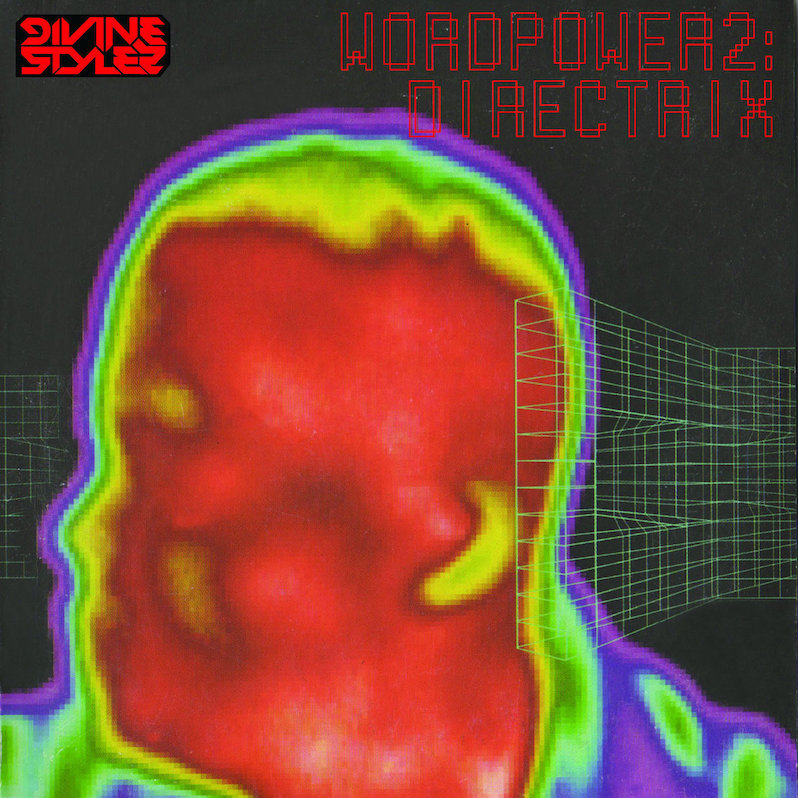
Divine Styler – Word Power2:Directrix
(Released: February 1999)
Once a member of Ice-T’s Rhyme Syndicate crew, Divine Styler is one of nineties hip-hop’s great unsung visionaries. Word Power 2:Directrix is his third solo effort, following 1992’s Spiral Walls Containing Autumns of Light; one of the most genuinely strange rap albums ever made. His 1999 epic is a much more cohesive and engrossing collection. The eerie keys of “Unseen Letter” and cold drums of “The Grand Design” are quintessential products of this era, as are Styler’s lyrics, which intriguingly fuse information age paranoia with Islamic mysticism. It all adds up to an album whose colour scheme mirrors the dark hues and splashes of electric neon as its cyberpunk-esque cover art.
Listen/Buy: Bandcamp
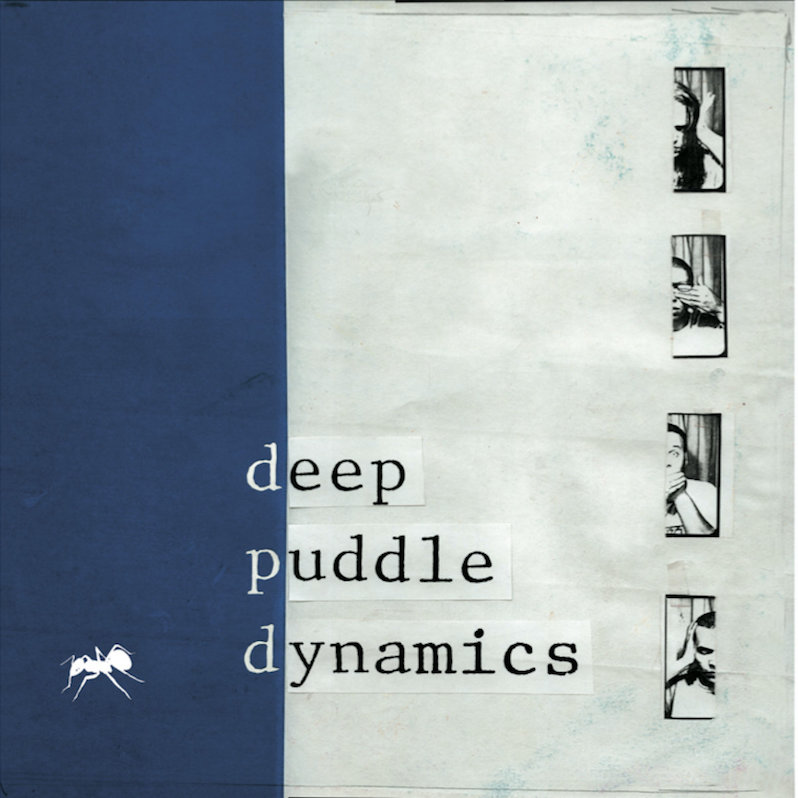
Deep Puddle Dynamics – The Taste Of Rain… Why Kneel
(Released: June 1999)
Among the defining releases in the canon of West Coast label Anticon, this is a spellbinding collaborative album featuring four key acts signed to the label/collective. Marketed at the time as “the hip-hop equivalent of post-rock,” this comparison arose in part due to Anticon’s support from Tortoise’s John Herndon, but it makes total sense once you let the strange rhythms and woozy textures of The Taste Of Rain… Why Kneel? envelop you like a slow-release smoke bomb. Beyond the obvious (the surreal lyrics, Doseone’s bizarre vocal intonations), what makes Deep Puddle Dynamics’ sole full-length so engaging is its exploration of deeper emotions; the melancholic strings of “The Scarecrow Speaks,” the ghostly vocals and piano flourishes of “Thought vs. Action.” A seductive, piercing album that helped expand rap’s emotional language.
Listen/Buy: Bandcamp
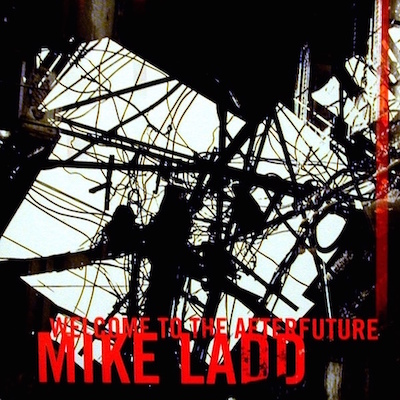
Mike Ladd – Welcome To The Afterfuture
(Released: March 2000)
One of hip-hop’s great sci-fi concept albums, Mike Ladd’s opus Welcome To The Afterfuture starts with a question. On opener “5000 Miles West Of The Future,” Ladd asks; “where’s my floating car, my utopia?” This aphorism is peak millennium-era postmodern skepticism; a question that, alarmingly, still rings true in techno-feudal present day. These 13 tracks capture the mood of this era with exhilarating élan. At its centre sits “To the Moon’s Contractor,” which fuses rap, ambient and liquid drum and bass across an audacious ten minutes. Elsewhere, there’s “Bladerunners,” which features guest spots from the forefathers of this electrifying scene, Company Flow, as well as a work of aggressive, experimental Afrofuturism: “Red Eye to Jupiter (Starship N***a)”. A grand yet lucid work, even Welcome To The Afterfuture’s title taps into a sense of a world changing in unknowable fashion.
Listen: Spotify
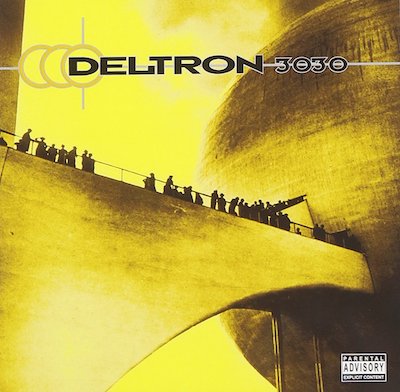
Deltron 3030 – Deltron 3030
(Released: May 2000)
Perhaps the most widely-embraced album on this list, Deltron 3030 has proven to have especially long limbs, with its trio of creators (rapper Del Tha Funkee Homosapien, producer Dan The Automator and DJ Kid Koala) still performing the album in full today. Del’s eternal cult hero status is key to its appeal, as well as the objective fact that these 24 tracks are one of the greatest dystopian albums of any genre. Telling the tale of an uprising in the year 3030, the lyrics of Deltron 3030 taps into the millennium era’s conspiratorial lore of biological terrorism, the New World Order and, of course, aliens. However, as highlights like the sinister “Virus” and laid-back “Time Keeps on Slipping” prove, the narrative is less important than Del’s extraordinary wordplay. Check out this tongue-twisting bar, from “Time Keeps on Slipping”: “Mathematical astro-grapple a flow, pterodactyl/very factual crash course, last resort, cast me off/at last we warp/to my own world, my own neurological cubbyhole”.
Listen/Buy: Bandcamp | Turntable Lab (vinyl)
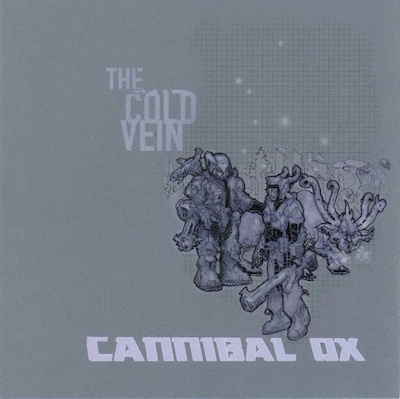
Cannibal Ox – The Cold Vein
(Released: May 2001)
An all-time classic of underground hip-hop (so underground it’s currently unavailable on streaming platforms), The Cold Vein is a stone-cold classic that encapsulates this era of rap: murky, futuristic production, smart, gritty lyrics and an overall mood of edgy, aggressive paranoia. The first release on Definitive Jux, the key label in this millennium-era canon, Cannibal Ox’s masterpiece features stellar production work from Def Jux head honcho El-P. Building on the lo-fi-meets-sci-fi production style he developed with Company Flow, his work beautifully matches the equally sharp emcees Vast Aire and Vordul Mega, whose abstracted street tales are given an eerie gloss that still sounds fresh and unsettling. It’s tough to pick a highlight, however, “Raspberry Fields” and its oscillating, pummeling beat sounds like a transmission from another planet; a warning shot from a crew of verbose aliens who do not come in peace.
Listen/Buy: Bandcamp
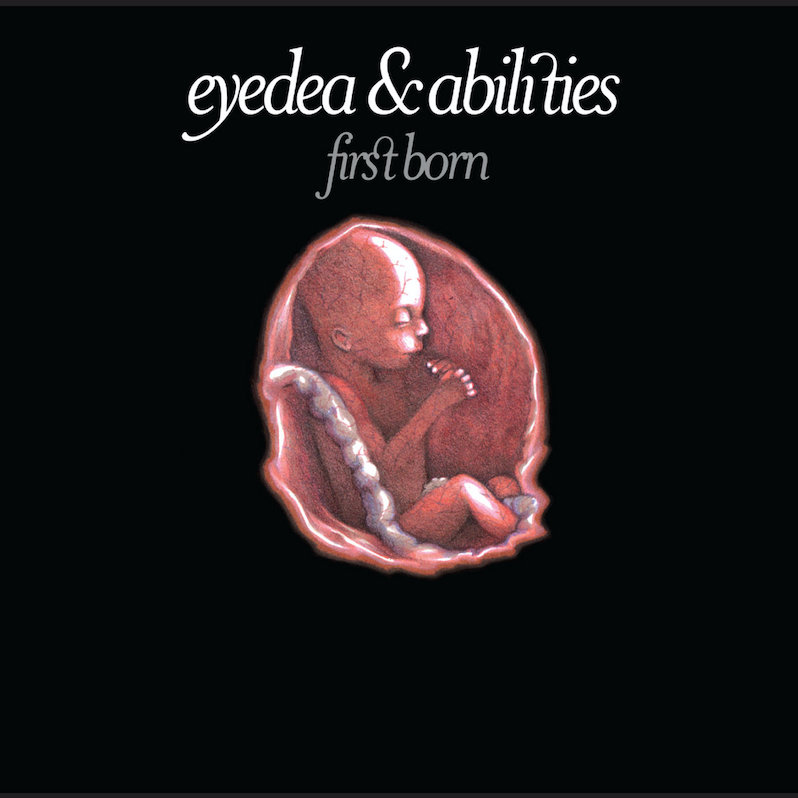
Eyedea & Abilities – First Born
(Released: October 2001)
Signed to another important label of this era, Minneapolis-based Rhymesayers Entertainment (the home to adjacent greats of this era such as Atmosphere and Brother Ali), rapper Eyedea rose to fame via success via one of the era’s great, now-archaic art forms: battle rapping. His first release with producer Abilities is a work of deep experimental hip-hop; the equivalent to a psychological drama film rife with philosophical musings and stylized strangeness. “The Dive (1)” is one of hip-hop’s great reckonings with life and death; a head-nodding rap parallel to Hamlet’s questioning of the slings and arrows of outrageous fortune. “Birth of a Fish…” is similarly philosophical, shot through with vivid humor, while “Color My World Mine” confronts spiritual issues via one of Abilities’ most off-kilter and futuristic beats. A proper underground classic, the kind that’s too existentially challenging to be anything but.
Listen/Buy: Bandcamp | Amazon (vinyl)
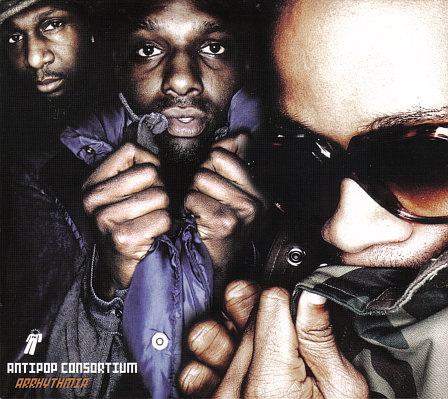
Antipop Consortium – Arrhythmia
(Released: April 2002)
It’s not hard to see why Antipop Consortium’s Arrhythmia was released on Warp Records. The UK label rose to fame putting out now-classic records that fell under the “intelligent dance music” banner; cerebral, progressive works by the likes of Autechre and Aphex Twin. Antipop Consortium’s fourth album jitters and clicks across a bed of wild electronic flourishes; see “Ping Pong” with its onomatopoeic reverberations, “Ghostlawns” and its channel-switching textures, and “Dead In Motions” with rapid-fire plasticky squelches. Whilst its lyrics lack some of the stoned, spooky paranoia of the rest of the releases on this list, the album’s production is as future-facing as any of them, offering up a bold, abstract new vision of hip-hop that still sounds innovative and challenging, more than two decades later.
Listen/Buy: Bandcamp
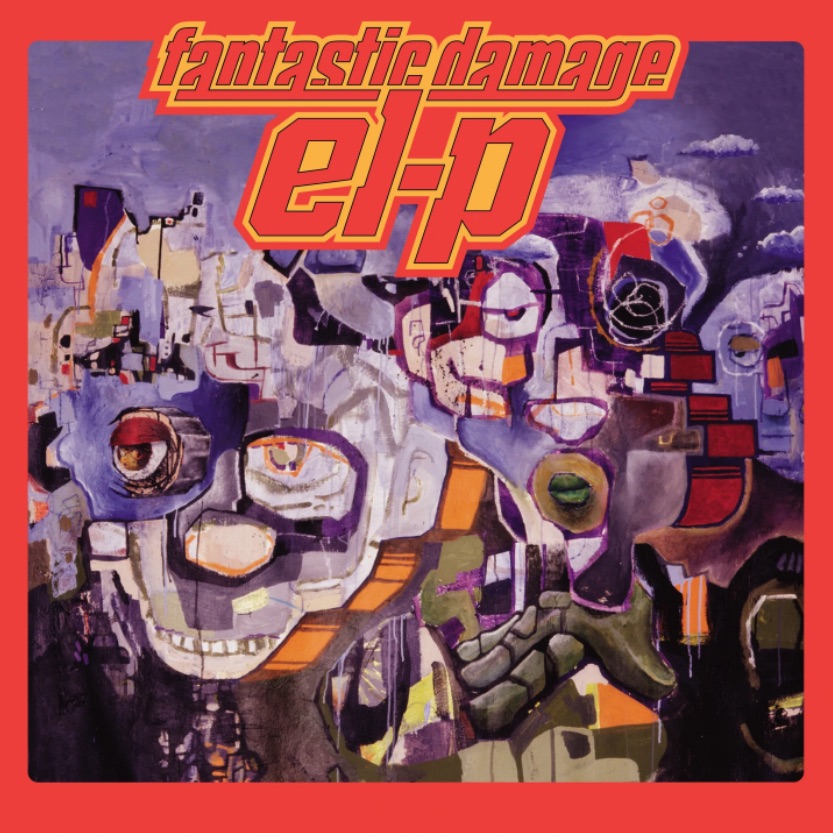
El-P – Fantastic Damage
(Released: May 2002)
While there’s no one essential figure of this era, El-P’s perhaps boast its longest shadow. The founder of Def Jux put out, produced and helped nurture a ton of essential artists from this period, including those not featured in this list like Aesop Rock and Mr. Lif. His gritty future aesthetic, influenced by extra-musical culture such as Blade Runner and the novels of Philip K. Dick, is key to unlocking the mind of one of rap’s great postmodern auteurs. Beyond his deconstructed, hard-edged and immediately recognisable production, he’s a ridiculously dextrous and charismatic MC. Standout tracks from his brilliant debut Fantastic Damage such as the underground classic “Deep Space 9mm” (a title that captures El-P’s street sci-fi vibe) and the terrifying funk of “Delorean” see him combine head-spinning bars with some of the most singular and brilliant production in all of hip-hop. His verse on “Delorean” encapsulates his (and perhaps the whole era’s) dense, strange and scintillating mood: “I’m immersed in millennial bad touch, funk may day, man with 808 trunk/Ghostface tape bump, tooly clutched Tony Robbins, mantra mouth escape monk.”
Listen/Buy: Bandcamp | Rough Trade (vinyl)
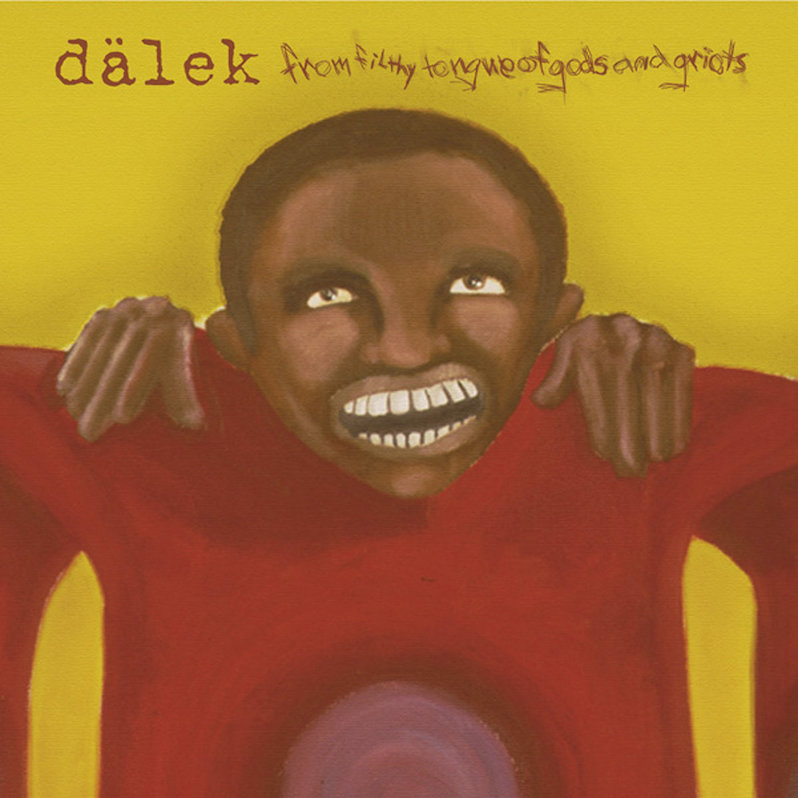
Dälek – From Filthy Tongue Of Gods And Griots
(Released: August 2002)
It feels right to end the list here, before we jet off too far beyond the turn-of-the-millennium era. Dälek’s second album is the most distinct in the whole canon; an oppressive, heavy sound that fuses brutal boom-bap rhythms with intoxicating and often abrasive noise/industrial/shoegaze effects that feel like you’re stuck in a Silent Hill-style cloud of endless fog; both literal and psychological. A beautiful but dangerous collection, From Filthy Tongue Of Gods And Griots tilts from the oppressive (the 12-minute noise monster “Black Smoke Rise”) to the deeply hypnotic (the crackling, sitar-featuring “Trampled Brethren”). These 11 bangers saw its New Jersey-based creators perfect the formula they would continue to pursue across one of hip-hop’s most brilliant discographies, single-handedly blowing open the genre’s sonic boundaries. This is where it really began for one of rap music’s most fascinating and soulful groups.
Listen/Buy: Bandcamp
Treble is supported by its patrons. Become a member of our Patreon, get access to subscriber benefits, and help an independent media outlet continue delivering articles like these.
