


I first saw Deftones in 1996 as a scrawny 14-year-old kid growing up in the suburbs, introduced to heavy music just a few years earlier through grunge and the post-hardcore of bands like Helmet and Quicksand. Hearing the band tear through songs on their debut album Adrenaline for the first time very likely made me a metalhead for life, even if the pit full of elbow-swinging dudes twice my size convinced me never to do that again. Yet seeing Deftones again, 23 years later at The Cure’s Pasadena Daydream festival, confirmed to me how much stronger and more commanding a band they’d grown in the decades since, how consistently excellent their records have been, and how they could have played pretty much anything (though the set leaned heavy on Around the Fur, White Pony, Diamond Eyes and Koi No Yokan songs) and it would have been outstanding.
Deftones kicked off their career with the fascinating distinction of being the first metal band signed by Madonna, and subsequently built on the nu-metal foundations of their first album with an expanding palette of sounds more atmospheric, dense, sensual and progressive. One need only hear the band’s choice of covers—Cocteau Twins, Duran Duran, The Cure, Sadé—to understand how eclectic their tastes are, and how diverse their influences. And at various points throughout their catalog, you can hear those influences shine through, whether via the dreamy textures of White Pony or the brighter textures of their latest album, private music.
In the decades since they released their debut, Deftones have become one of the most influential bands in rock music, leaving their imprint not just on subsequent generations of metal bands but an entire new generation of shoegaze as well. They’ve never remained in place, always adding something new and changing their shape even as they retain an essential core of massive sounds and immersive atmosphere. As they reach a new milestone in their career, we took the time to go through the complete catalog with our Deftones album guide, a deep dive into all 10 albums from one of the most consistently excellent rock bands of our time. – Jeff Terich
Note: When you buy something through our affiliate links, Treble receives a commission. All albums we cover are chosen by our editors and contributors.
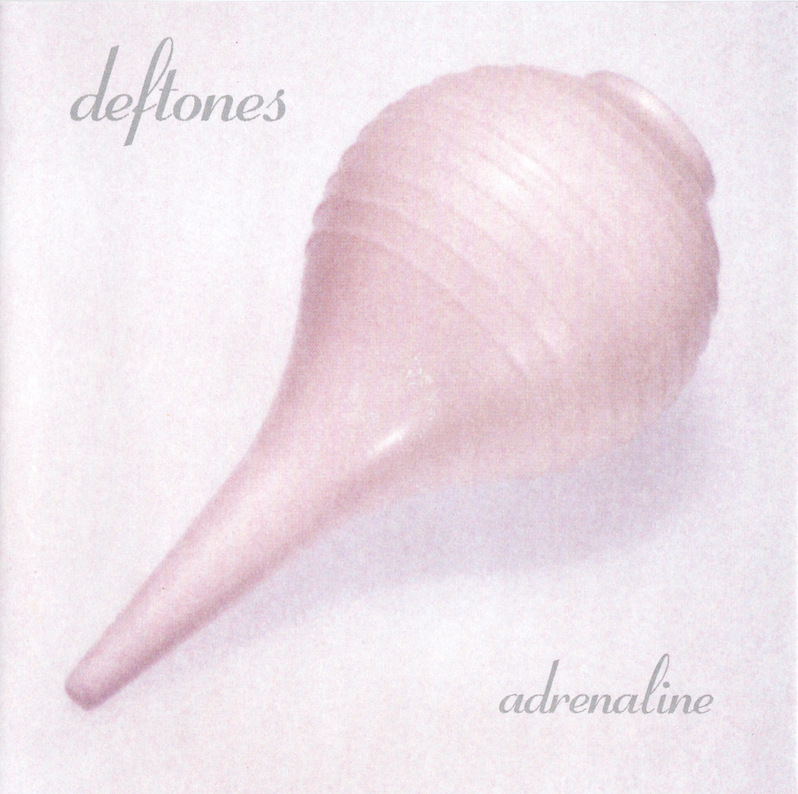
Adrenaline (1995)
It holds up better than you remember! While clearly their weakest record, time has been kind to this one, with its post-hardcore influences from groups like Drive Like Jehu a bit easier to spot now with nu-metal in the rearview and, per Kerrang!‘s original review’s spot-on observation, the elements of Quicksand (from whom they’d later pinch a bassist) and Tool. It doesn’t hurt that the opening cut sounds shockingly close to what we would come to call the iconic Deftones sound almost complete. That said, the synthesizer textures that would come later are sorely missed here and the more blatantly of-its-time rap rock moments don’t fare as well as even their very next record. But if you want proof that these guys were never long for nu-metal, it’s all present from the beginning. – Langdon Hickman
Rating: 7.3
Listen/Buy: Spotify | Rough Trade (vinyl)
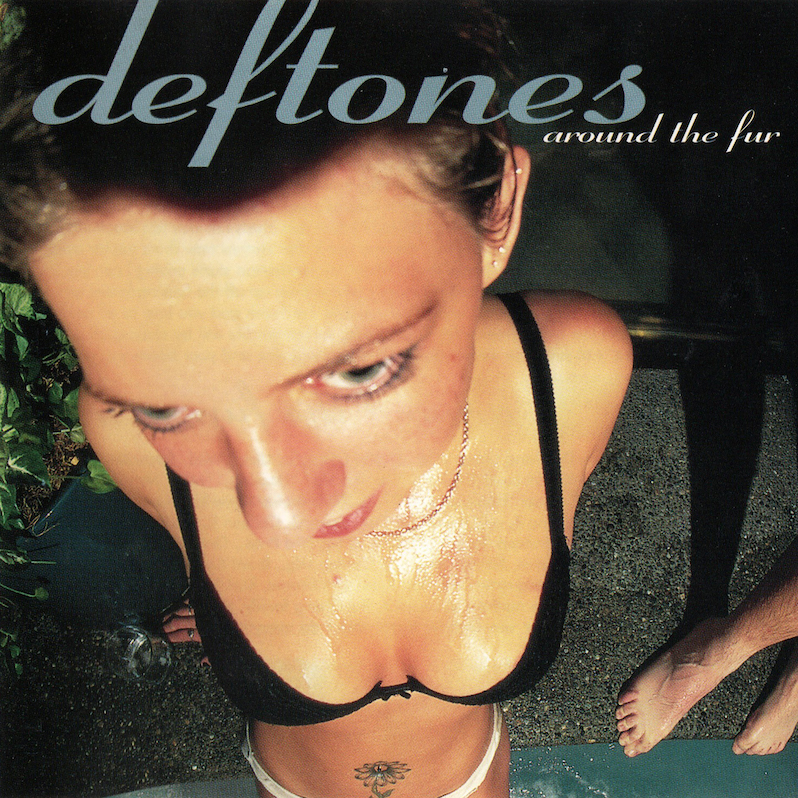
Around the Fur (1997)
Around the Fur isn’t Deftones’ best album, even if it’s not too far behind. It is, however, arguably their most important album, the record on which they more overtly embraced atmosphere and an emphasis on layered sounds that rewarded closer listening. It’s not not a nu-metal album, exactly; Chino Moreno aims his invective like a cannon to the sun when he screeches “Shove it! Shove it! Shove it!” on its titanic opening track, and Max Cavalera shows up eight songs later with a hilarious bellow of “Soul! Fly!” on “Headup.” (In hindsight I kinda wish more rock musicians would have shouted out their own bands in other artists’ songs.) But what happens between the bombastic climaxes is arguably more interesting, like the tense but understated groove of “Dai the Flu,” the actually-kind-of-a-ballad “Mascara,” or the first instance of Deftones kinda-sorta going shoegaze (or just really stellar alt-rock) “Be Quiet and Drive (Far Away)”, which in itself might be the most important Deftones song. On Around the Fur, Deftones take more chances, aim higher, swing wider, and they nail it every time. – Jeff Terich
Rating: 9.3
Listen/Buy: Spotify | Rough Trade (vinyl)
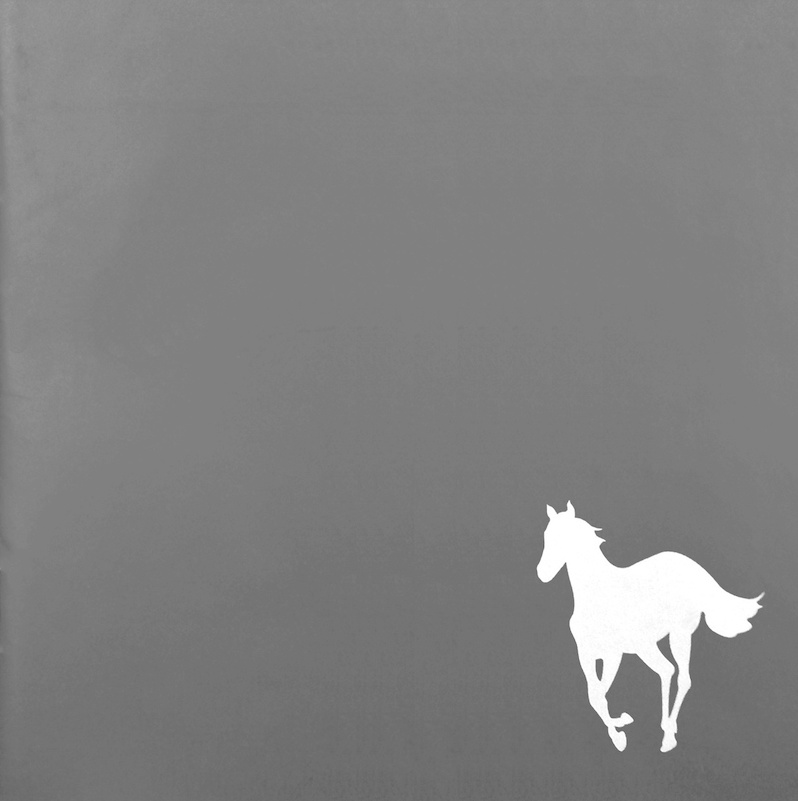
White Pony (2020)
White Pony does two things. First, it completes the picture of the Deftones sound, with Frank Delgado officially joining on turntables and keyboards, letting these songs burst with all the Sadé-on-a-bad-trip vibes that their music nails at its best. Second, much more impressively, it advanced progressive music in a wildly successful fashion that frankly no sector was really prepared for. The prog world would disavow music that sounded like this for years even as the ripple effects of this record in specific broadened the horizons of an entire generation of rock listeners and groups. Meanwhile, you could see in a year’s time which of their peers in nu-metal, which obviously didn’t fit anymore, got the memo and which didn’t. They were a great rock group before; this, however, was their holy shit moment, in one record release cementing their legacy even if nothing else came out after. – Langdon Hickman
Rating: 10
Listen/Buy: Spotify | Turntable Lab (vinyl)
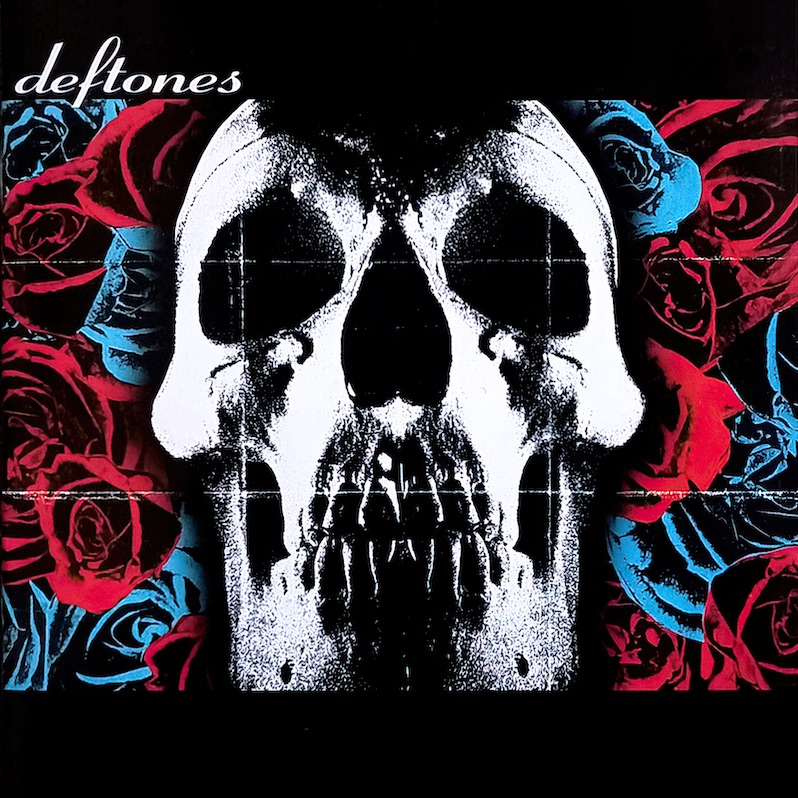
Deftones (2003)
Deftones followed their career-defining masterpiece by taking a big sound and attempting to make it bigger to varying degrees of success. To hear a song like “Minerva” is to get a glimpse of the band fully living up to their later reputation as progenitors of a next wave of shoegaze, layers of guitars cascading like ocean waves, yet Chino Moreno isn’t buried in the mix but rather belting with his all: “So god bless you all!” That mass of sound is all-encompassing on their fourth album, to the extent that sometimes it feels more about sound than songs, frequently awash in dense sustained chords without as much of the punch of the more climactic moments on their previous two albums. It’s an album of growing pains, but even more than that, an album of a band figuring out how to maintain that sense of ever-expanding space without losing sight of the details—the experiment doesn’t always work, but the results are never less than compelling. – Jeff Terich
Rating: 7.7
Listen/Buy: Spotify | Turntable Lab (vinyl)
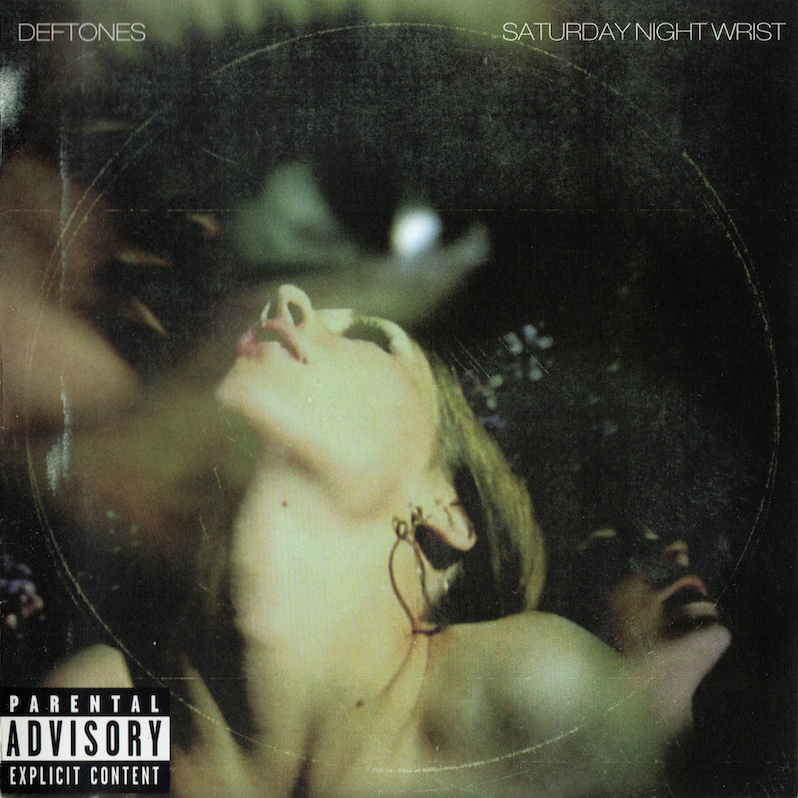
Saturday Night Wrist (2006)
Always a dark horse, this one. There is a group of adherents that take Saturday Night Wrist as their best and you can see why fairly easily. If on White Pony they pushed the door open for a more artful career, then on Wrist they commit fully to that vision. Their most obnoxiously titled songs on this record happen to be some of the most adventurous while the bigger singles skew toward reconciling successfully the more cinematic, post-metal and progressive elements that came through on their self-titled. It is from a certain viewpoint the Station to Station of their Berlin trilogy, so to speak, the primer to what we now consider their second golden age beginning with Diamond Eyes, and a cornerstone for any modern Deftones fan. – Langdon Hickman
Rating: 8.6
Listen/Buy: Spotify | Turntable Lab (vinyl)
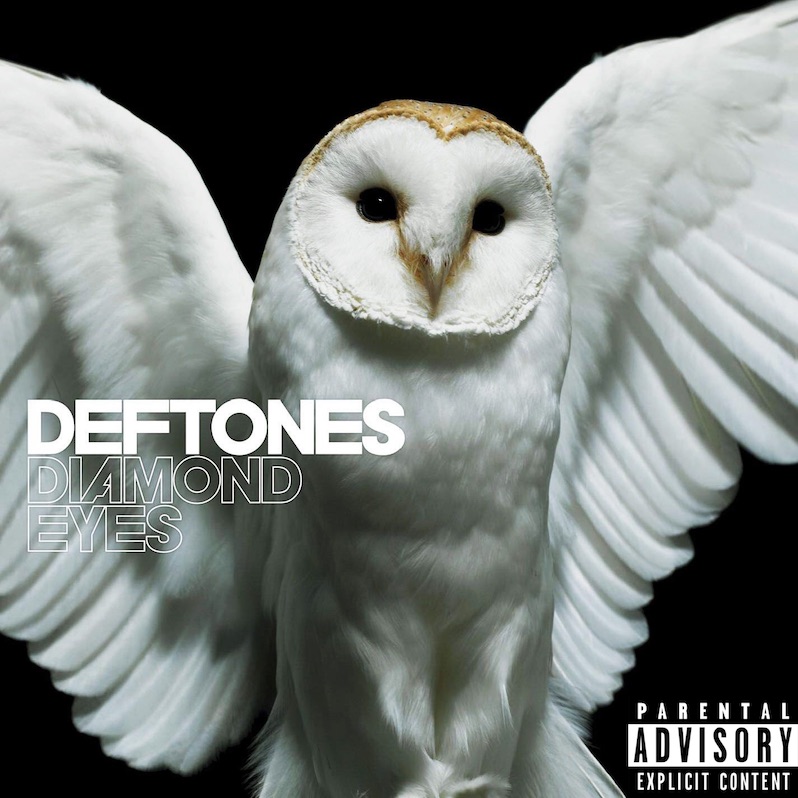
Diamond Eyes (2010)
Diamond Eyes arrived at a time of transition and tragedy for Deftones, the first album they made with Quicksand bassist Sergio Vega following an accident that left former bassist Chi Cheng in a coma, and which ultimately led to his death in 2013. The band even contemplated breaking up, but instead opted for a fresh approach with a brighter and more hopeful approach, as well as one that saw them more unified as a band, reflecting their commitment to perfecting the songs through practice and performance. And that’s essentially what they did. The heaviness of the album is unmistakable—that opening riff on the title track is just nasty. And yet the chorus is transcendent, and the seamless merging of these extremes made it at the time their strongest release since White Pony (and to some Deftones fans, still is). The band showcases a level of depth and creativity that makes Diamond Eyes one of their most consistently thrilling to hear, whether through the aggressive rawness of “CMND/CTRL,” the sexy swagger of “You’ve Seen the Butcher,” the soaring pop heroism of “Beauty School,” or the triumphant closer “This Place is Death.” It feels like a rebirth. – Jeff Terich
Rating: 9.2
Listen/Buy: Spotify | Turntable Lab (vinyl)
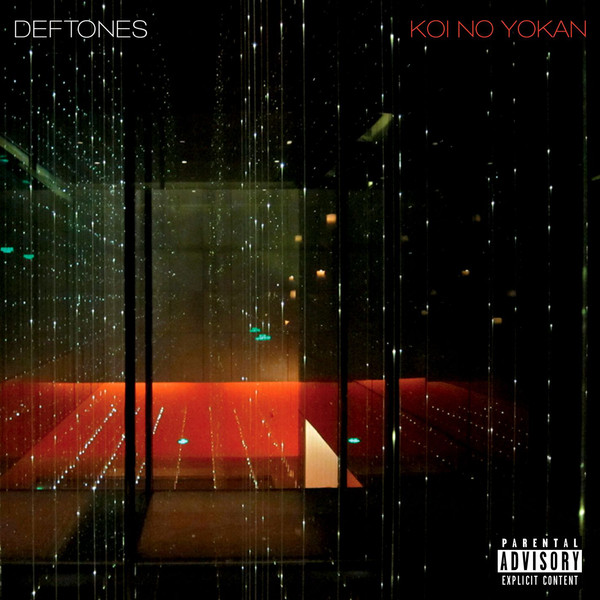
Koi no Yokan (2012)
Defones make dream music. Whether that is by pop, metal, alternative rock or electronic music doesn’t matter; even at their most visceral, they emerge as though by a cloud of sleep. Koi no Yokan is the black, leatherclad twin of Diamond Eyes, feeling often like an attempt to reconcile that previous record’s quite forward heaviness with the kind of muscle found on Around the Fur or White Pony. Deftones are notorious for front-loading their records, enough so that when this one surges on the back end it feels genuinely refreshing. “Leathers” is a song that has seen me through the pits of hell. What more do we want from music than that? – Langdon Hickman
Rating: 9.4
Listen/Buy: Spotify | Rough Trade (vinyl)
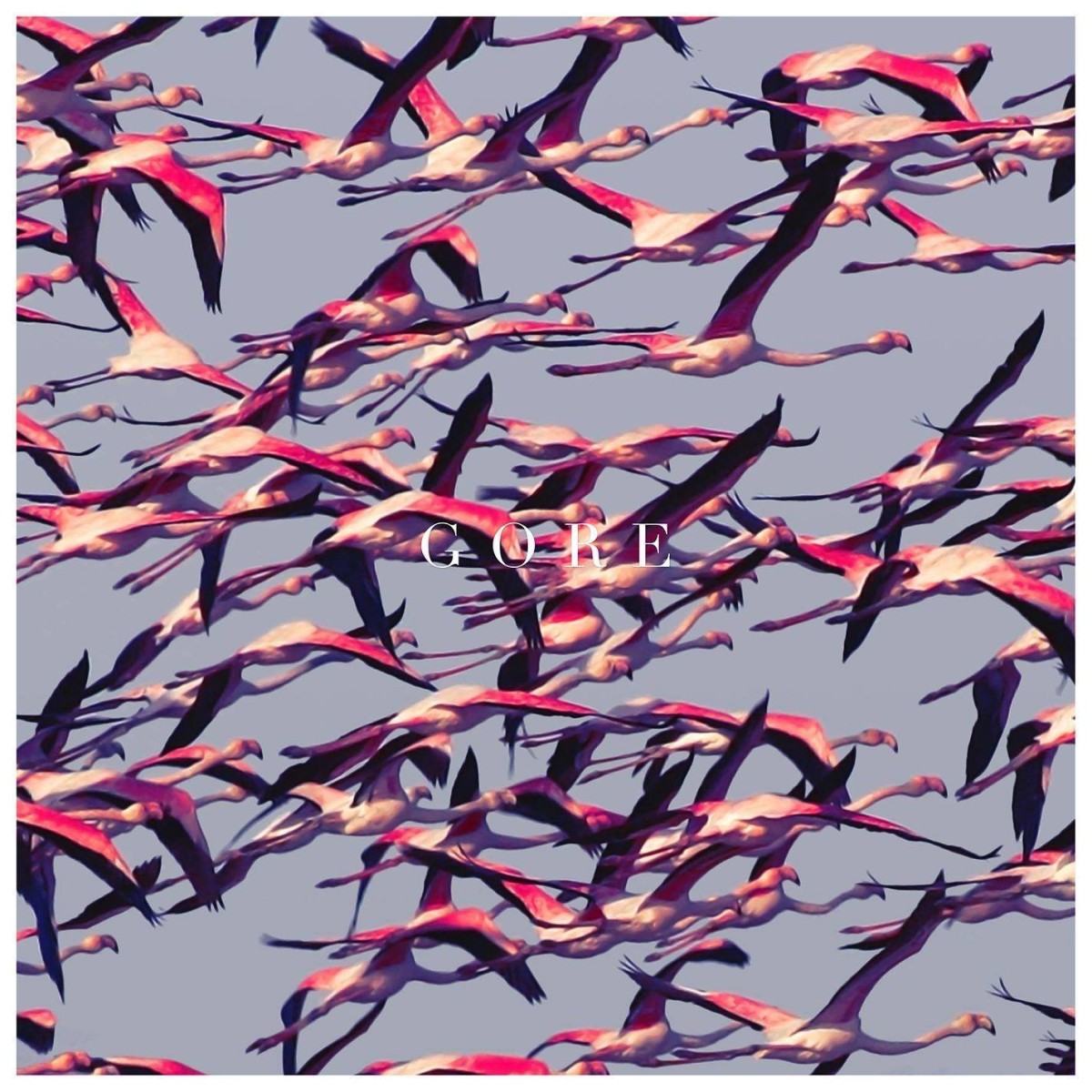
Gore (2016)
If they’ve provided nothing else of value, and the jury’s still out on that, the prevalence of review aggregators has provided an interesting historical perspective on critical perceptions of a band’s work—much of it an of-the-era snapshot that’s likely shifted over time. Take, for instance, how the band’s 2016 album Gore seemingly has wider critical approval than their stellar 2010 album Diamond Eyes, the album that opened their second act wide open. This is all subjective of course—there’s no wrong answer here, even if we’re talking a very good album versus an arguable masterpiece. But Gore much of the time feels like a great set of songs rather than a cohesive album. There’s a lot happening throughout the album, much of it spectacular—the atmospheric electronics of “Prayers/Triangles,” the thunderous riffs of “Doomed User,” the blissful haze of “Hearts/Wires”—if sometimes those moments are at odds with one another. That’s in part due to the process behind it, in which in-house soundscapist Frank Delgado took a more prominent role while guitarist Stephen Carpenter was less involved in its writing. It’s an ambitious if fractured album with many highs that at times lacks the necessary connective tissue, but an everything-but-the-kitchen-sink Deftones album is still a highly enjoyable one. – Jeff Terich
Rating: 8.0
Listen/Buy: Spotify | Turntable Lab (vinyl)

Ohms (2020)
It’s true that Ohms narrows its focus, similar to Koi no Yokan, forgoing the kaleidoscopic intent of White Pony and Wrist. However, when your narrowed focus still has Wikipedia listing your album as alt metal, shoegaze, post-rock and dream pop, you’re still in pretty good territory. There are moments on here such as the rapid guitar part of “Urantia” that you can suddenly see a vision of the group circa Adrenaline, proof that where they are now was always in the plan. That said, Ohms‘ initial shine as a return to the conceptualism of White Pony no longer feels true, with it coming across a bit more like a directed rock record after the wider-lensed ambitions of Gore. Still, a solid iterative record rom this group is always going to be a good record. Obviously. – Langdon Hickman
Rating: 8.2
Listen/Buy: Spotify | Amazon (vinyl)

private music (2025)
The triumphant roar of the opening of “my mind is a mountain” signifies the return of Deftones in all their crushing glory. The group’s first new album in half a decade immediately springs to the upper tier of their catalog (though as you can see from the scores here, the distance between them isn’t vast), showcasing a greater prominence of riff driven heaviness over its two predecessors while swirling in the immersive atmospherics that have become their stock in trade. In its best moments, the two combine seamlessly, as when the crunchy groove of “ecdysis” is hit with a bright splash of synthesizer or they build a Quicksand-like melodic motif from harmonics in “infinite source,” or when they make the biggest possible statement with just two chords in “souvenir.” It’s fortuitous that some of their best songs in over a decade should arrive as they’re playing some of the biggest venues of their career—that kind of thing doesn’t happen that often, and it’s worth celebrating when it does. – Jeff Terich
Rating: 9.1
Listen/Buy: Spotify | Turntable Lab (vinyl)
Treble is supported by its patrons. Become a member of our Patreon, get access to subscriber benefits, and help an independent media outlet continue delivering articles like these.
