


We’ve shared our picks for the best albums and best songs of 2025, and now it’s time to go back through the archives to highlight the best reissues of 2025. Among the year’s greatest historical digs were expanded versions of beloved albums, long-out-of-print favorites finally repressed, collected discographies, previously unreleased sessions, label retrospectives and more. Here’s the best of what wasn’t new this year.
Additional blurbs by Adam Blyweiss (AB) and Brad Cohan (BC)
Note: When you buy something through our affiliate links, Treble receives a commission. All albums we cover are chosen by our editors and contributors.
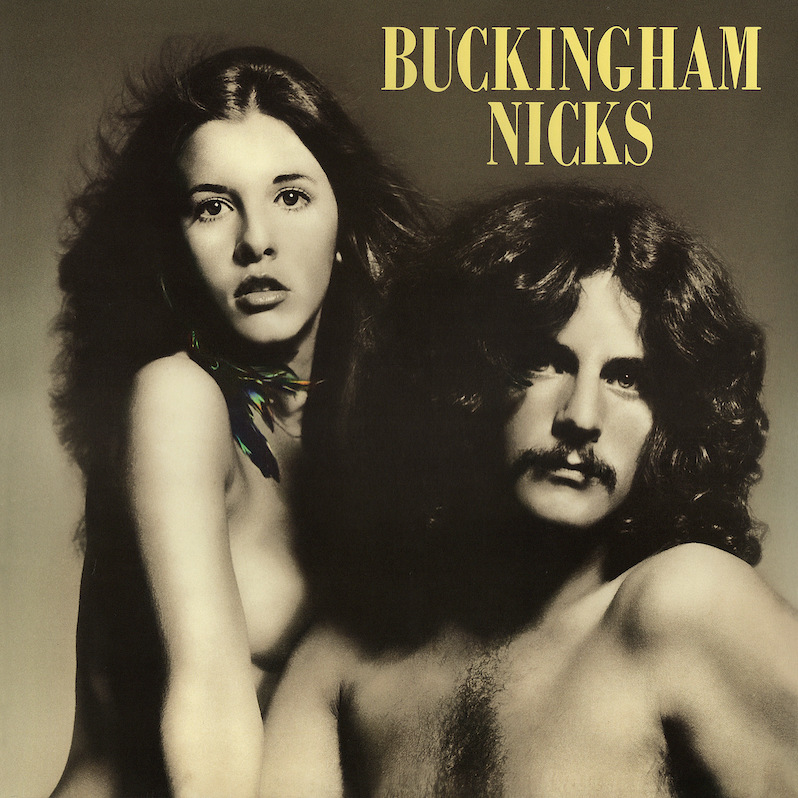
Buckingham Nicks – Buckingham Nicks
This past September saw a proper reissue of the lone, oft-bootlegged 1973 Polydor album from two-fifths of what would become Fleetwood Mac. Lindsey Buckingham and Stevie Nicks had been in each other’s creative orbit since meeting in high school in California, and were invited to leave some middling bandmates behind to secure a record deal of their own as a duo. Despite their hard work, reviews of Buckingham Nicks and their tour dates at the time were uninspiring, and promotion and radio play were hard to come by. But in isolation against the complexities of today’s production, you can hear early hints of their pop mastery. Buckingham’s guitar lines (“Don’t Let Me Down Again”) and solos (“Stephanie”), Nicks’ songwriting (“Long Distance Winner”), and their collective vocal interplay (“Without a Leg to Stand On,” “Races are Run”) combine to make a long-lost avatar for the Laurel Canyon sound. One wonders what might have been had Mick Fleetwood not heard this album and offered to fold the pair into his namesake band as 1974 dawned. One wonders further how the industry and fickle listeners’ tastes conspired to make Buckingham and Nicks need the help in the first place. – AB
Listen/Buy: Spotify | Turntable Lab (vinyl)
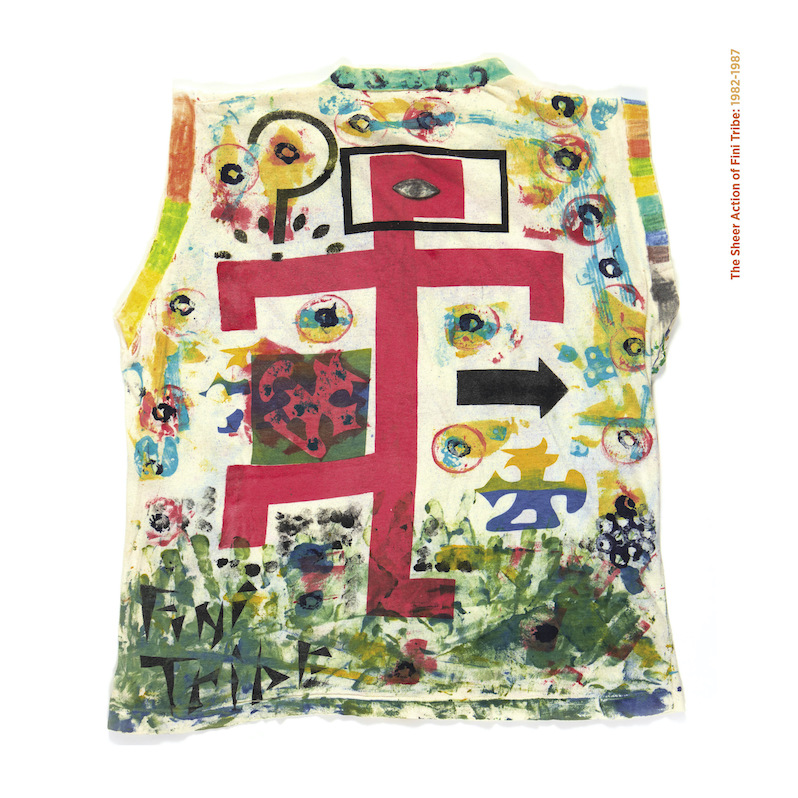
Fini Tribe – The Sheer Action of Fini Tribe 1982-1987
Scottish musician Chris Connelly and his band Fini Tribe spent some important formative years at Chicago’s Wax Trax! Records. In addition to Connelly matching Ministry’s Al Jourgensen project for project, the sextet was putting out sounds at a moment where contemporaneous industrial, synthwave, and dub artists got picked up by club DJs early in the techno and house movements. This 3xCD set compiles and remasters four dozen songs documenting Fini Tribe’s development leading up to that moment: post-punk they released on their own Finiflex label, buzz-building John Peel Sessions, significant singles like “Detestimony” and their cover of Can’s “I Want More,” and remixes and concert recordings. Fini Tribe left Wax Trax! and then Connelly left the band in 1988, focusing on performing as a dark singer/songwriter, but The Sheer Action of Fini Tribe 1982-1987 reminds us just how good they and we had it. – AB
Listen/Buy: Bandcamp
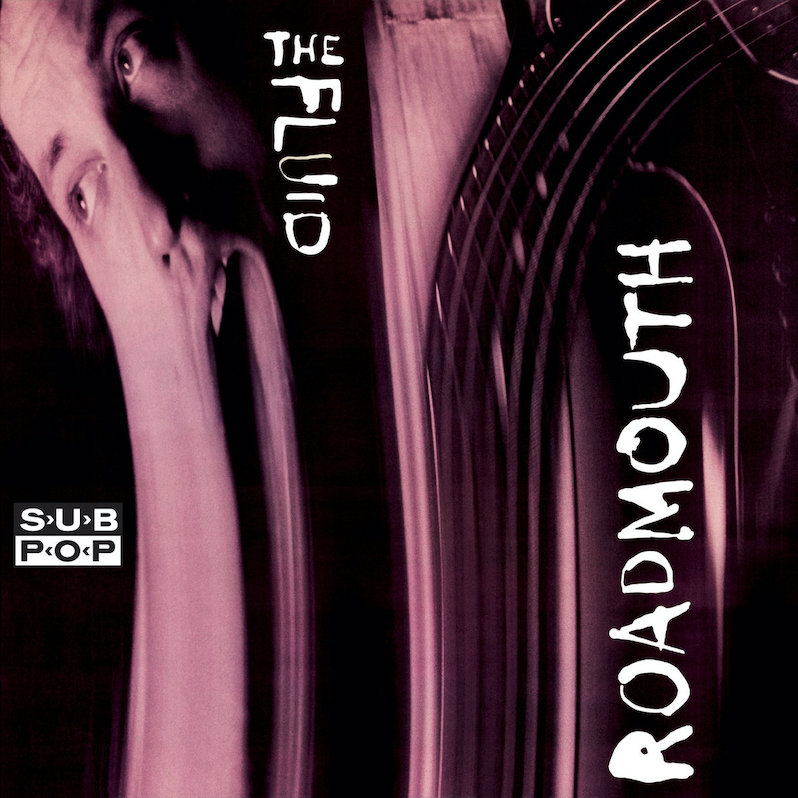
The Fluid – Roadmouth; Glue and more
In the glory years of Sub Pop Records, circa late 1980s and early ’90s, Nirvana, Mudhoney and TAD were all the rage. Slightly overshadowed by those grunge upstarts was a band just as rippin’ and electrifying, not from Seattle, mind you, but Denver, Colorado: The Fluid. This hair-exploding five-piece had the arena-sized heavy metal-meets-garage-rock riffs, wah-wah-stomping hotness, groovy and dialed-in rhythm section and the charismatic and ecstatic Rob Tyner-like vocalist. The Fluid were cut from the KISS and MC5 cloth and on stone-cold classics like 1989’s Roadmouth and the six-song EP Glue (released the following year and, fittingly, includes a scorching cover of the 5’s signature anthem “Kick Out The Jams”), they showed they were the real deal. In December of 2024 (just late enough to miss last year’s list), Sub Pop reissued a boatload of early Fluid material, including the classic split 7-inch with Nirvana (“Candy” is all kickass sweetness) and it’s all must-have slabs. The aforementioned Roadmouth and Glue sound just as incredibly rockin’ 35-odd years later so do yourself a favor and seek out all of the reissues: Punch N Judy, Clear Black Paper, Overflow, “Candy” (Live, from Nirvana split), and Tin Top Toy. Sadly, guitarist Rick Kulwicki passed away in 2011 but his badass shredding heroics live on with these crucial reissues. The Fluid put “Denver Rock City” on the map. – BC
Listen/Buy: Bandcamp | Rough Trade (vinyl)
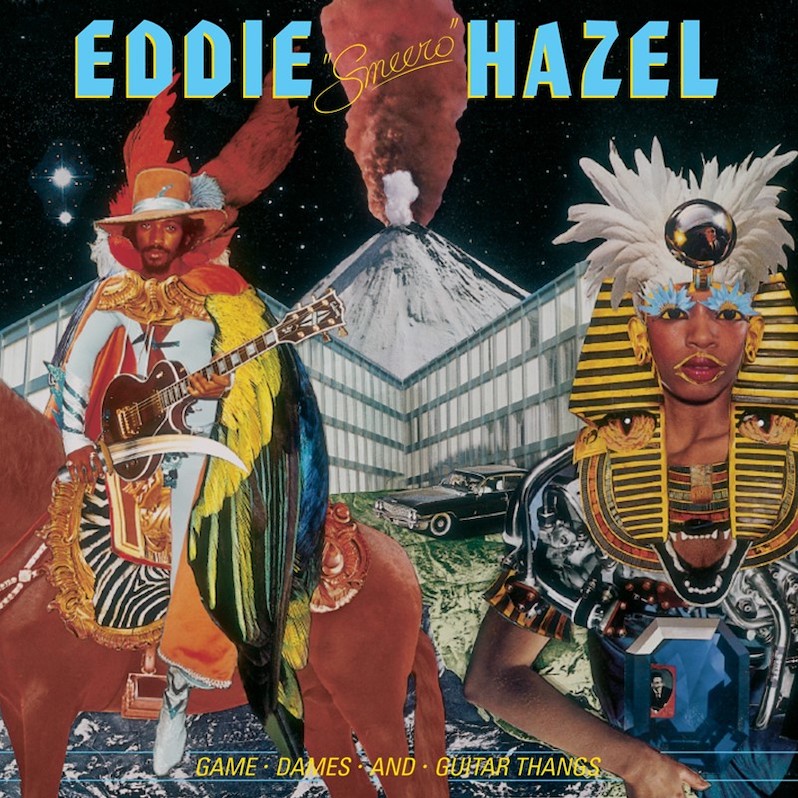
Eddie Hazel – Game, Dames and Guitar Thangs
The first time I heard Eddie Hazel’s rendition of “California Dreamin’,” it was from a Warner Bros. music sampler. The double album compilation had a giant limo on the cover, speckled with tiny gold records scattered about. It was quite odd for Hazel, with a full Parliament-Funkadelic backing band, to cover a ’60s hit by The Mommas and Poppas. So I played it. From the interstellar guitar tapestry strewn about in the opening bars from Hazel, to the minor to major piano chord structure, the first song on the album unfolded a pastiche that operated in the hue of melancholy and loss. Unlike the brilliant but far different version by Jose Feliciano, this one had the stench of maybe too much fun in the sun. Where Feliciano’s arrangement was a breezy trip to the corner store, greeting all the characters on the way with smiles and dap. Cut to the quick.
Hazel’s only solo record, Game, Dames and Guitar Thangs, we get genius in a bottle a couple of times. “Frantic Moment” struts, peacocks, and then wails, you feel him talk about messing up, pleading his case, lamenting, and then wooooing. All on the axe.
But it’s that “California Dreamin'”—Hazel works with possible insider knowledge; he may not be here for long. He puts it all out there, teetering from funk to blues and back via a delay pedal, kissing a comet riding across the universe. He’s back in Maggot Brain form, and we shake our heads knowing we have so little from a true genius, possibly the torch-bearer for Hendrix, as visited on the feetstomp Jimi blues treatise “What About It?” Hazel would be eaten and consumed by the ’70s when the dust settles.
Listen/Buy: Spotify | Amazon (vinyl)
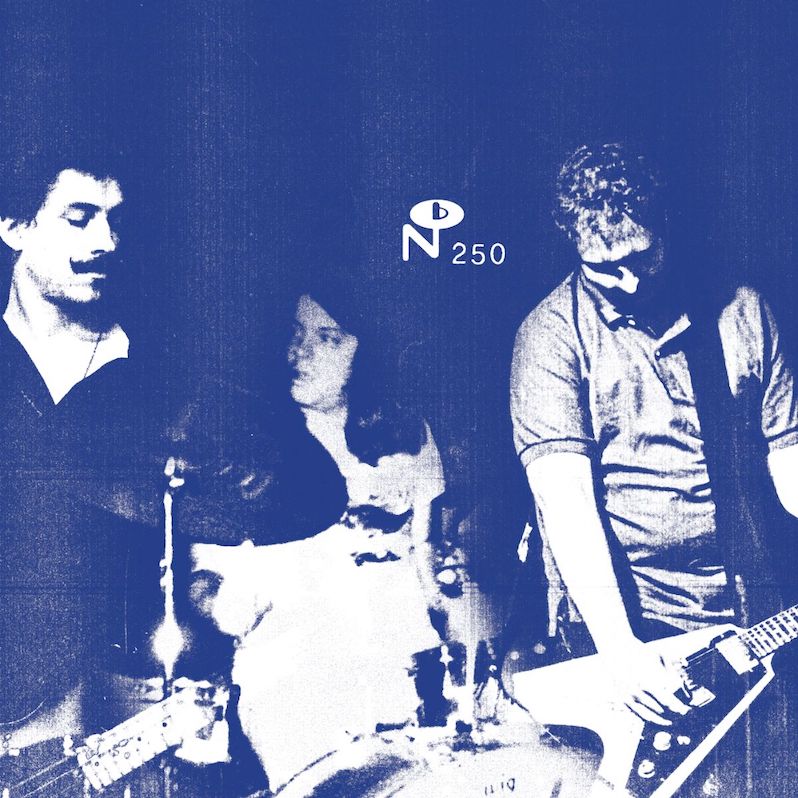
Hüsker Dü – 1985: The Miracle Year
A miracle year for the ages is more like it. In 1985, Hüsker Dü dropped two absolutely monumental Amerindie-defining game-changers that are still causing the earth to shake to this day: New Day Rising and Flip Your Wig. The two seminal records cranked out by the one-two-songwriter-punch-to-the-gut of Flying-V-slinging singer/guitarist Bob Mould and singer/drummer Grant Hart and bassist Greg Norton are cornerstones of the SST Records catalog, a Herculean collision of hardcore-blazing, Beatlesque pop songs that if you look up independent rock in dictionary, they’d be displayed in flying colors. The Hüsker live experience is stuff-of-legend and the saviors at the Numero Group label released an unbelievable document: the sprawling 43-song four-LP boxset that collects an entire January 30th, 1985 live set, 20 extra live tracks from that year’s tour and a 36-page book of all things of that miracle year. The restored performances captured here are as good as any studio recording–loud AF, blistering, gloriously melodious, Mould/Hart harmony-laden and life-affirming. Just one wowza speed-addled anthem after another culled from Metal Circus, Zen Arcade, New Day Rising, Flip Your Wig and more plus feedback-drenched covers of the Beatles’ “Helter Skelter” and “Ticket to Ride,” the Byrds’ “Eight Miles High” and ‘Love Is All Around,” aka the “Mary Tyler Moore” theme. On Volume 2, the Hüskers preview a bunch of cuts from ‘86’s just-as-incredible Candy Apple Grey,” which had not yet been released. 1985: The Miracle Year is definitive proof of the unequivocal hippie-hardcore-pop genius, synergy and influence of Mould, Hart and Norton. But it arrives with a bittersweet taste: it’s tragic that Hart isn’t around to see its release. – BC
Listen/Buy: Bandcamp
Lunchbox – Evolver
Immerse yourself in the drum fills of “Tone Poem” and “Gravity,” and you’ll realize the ’90s never truly disappeared. This lost album from the Oakland band Lunchbox, released in April, doesn’t carry one ounce of 21st century heft in the air, which is part of its timeless charm. Recorded in the couple’s Oakland basement during the 1990s, amidst visits to Berlin, concert tours in London, and dreamy escapes along the rugged Mendocino coastline, Evolver invites you to clear the sleep from your eyes with every listen. Each play reveals another gem from the innocence of DIY recording, blending jangle, electronic, ambient, and dub into something imperfect and genuine. Bravo!
Listen/Buy: Bandcamp
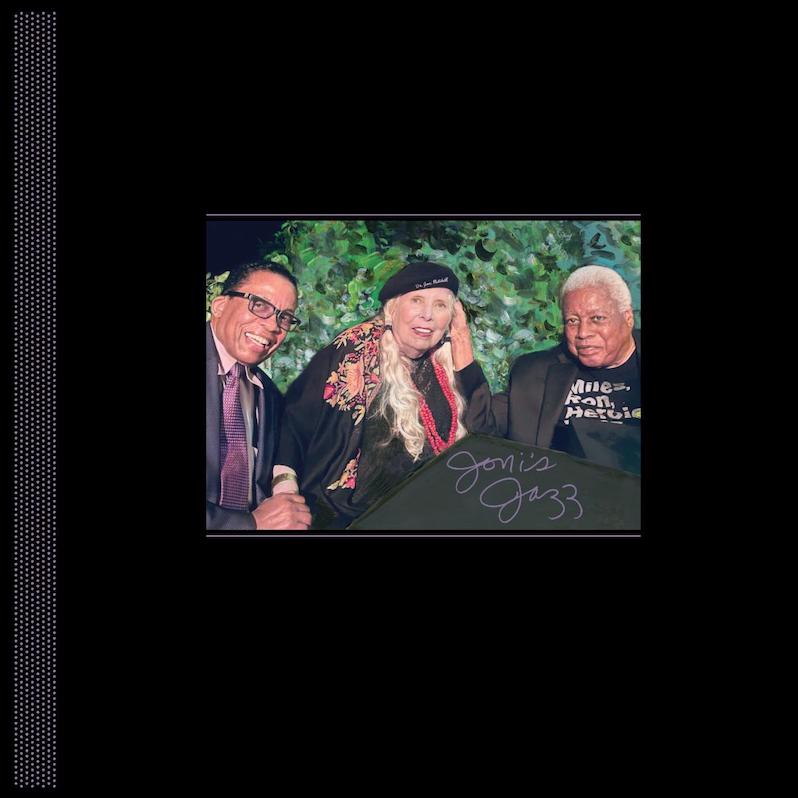
Joni Mitchell – Joni’s Jazz
When you regularly work with jazz musicians, there’s no need to declare, “This is my jazz album.” It all flows freely throughout your career; to you, it’s just what’s needed in the music. Joni Mitchell had Wayne Shorter, Jaco Pastorius, Herbie Hancock, Tom Scott and the LA Express, Joe Sample (from The Crusaders), Larry Carlton, and numerous other in-demand jazz musicians on speed dial who over and over showed up and played on her albums, cause Joni wanted them to. You don’t get a greater compliment than that.
The 61-track, 8xLP vinyl box set or 4xCD compilation Joni’s Jazz, a career-spanning collection and passion project years in the making, lays out peak Joni and the top jazz masters of the time who always popped up on her projects and contributed to this distinctive pop music style that surely speaks and is written from a woman’s perspective. Jazz musicians always embrace working in truth.
Mitchell, who calls Shorter her favorite collaborator, dedicates the collection to him following his passing in 2023. “It was a joy to play with him,” she writes. “He will be missed, but he will remain alive for me in this music.”
The Hissing of Summer Lawns, the seventh studio album by the Canadian singer-songwriter, features Moog and ARP synthesizers, along with sampling. With backing from the jazz-rock groups the L.A. Express and the Jazz Crusaders, as well as contributions from James Taylor, David Crosby, and Graham Nash. It sparkles. In 1975, the project received a poor reception. However, more than 50 years later, in the context of this special compilation project, Hissing shines as a centerpiece, praised by artists such as Prince, Q-Tip, and Janet Jackson; its truth speaks louder in a 21st-century musical zeitgeist.
Listen/Buy: Spotify | Amazon (vinyl)
Moodymann – Black Mahogani
People who make, dance to, write about, or just seem to be adjacent to contemporary dance music need to revisit this Moodymann epic. Just sit and take notes from one of the Detroit Masters. There is no rhythm without the blues, no house music without disco, and no DJ without griots. Too many times in this repetitive music business, folks make things without connecting them to some type of context.
Originally released in 2004, this Moodyman release provides a backdrop that celebrates Black Detroit; it is the canvas upon which he paints Black Mahogani, with the music as his colors. Featuring samples from Marvin Gaye and Curtis Mayfield, he establishes a strong foundation, so when we eventually get to a 4/4 kick drum, we have a solid understanding of the grit, the struggle, the glory, the blessed moments, where we can “Runaway,” dance, unpack, and be unburdened. Black Mahogani might be unparalleled and avant-garde for some, but for others, it’s ecstasy. Pre- and post-dancefloor segments.
Listen/Buy: Bandcamp | Turntable Lab (vinyl)
Tom Petty and the Heartbreakers – Heartbreakers Beach Party: The Soundtrack
Somewhere between the madcap semiautobiography of The Beatles’ A Hard Day’s Night and modern concert road movies to come like Depeche Mode’s 101, Cameron Crowe began his directorial career documenting Tom Petty and the Heartbreakers as they toured in support of their 1982 album Long After Dark. Despite the band scoring an MTV hit with “You Got Lucky,” the network aired Heartbreakers Beach Party just once in 1983, with its tapes and reels seemingly lost to time afterwards. Rediscovered and rereleased in the fall of 2024, the soundtrack followed this past March. What we might miss in watching onscreen antics, interviews, and behind-the-scenes discoveries gets made up for in spades on a set of music that outpaces the film’s length by a half-hour: hits and deep cuts across the Heartbreakers’ catalog to that point, big-room concert performances, alternate versions, covers, and studio and TV sessions. – AB
Listen/Buy: Spotify
Prince & the Revolution – Around the World in a Day (40th Anniversary Limited Eedition)
It’s in 2025 that we needed a 21-minute funk workout titled “America” from Prince, not 1985. But I’ll take the gifts wherever I can find them. After Purple Rain, Prince was ready to shape-shift, change up, explore, and move differently. It seemed the fame, the awards, the tour, the film—all the stuff didn’t scratch the itch. So Prince abandoned the pop machine and did some funky Prince shit.
Around the World in a Day, the seventh studio album by Prince and the third release on which his backing band, The Revolution, is featured in the title, dropped on April 22, 1985, and turned 40 this year; it was the first of many curveballs Prince Rogers Nelson would throw when distancing himself from Purple Rain, his watershed breakthrough album that sold 25 million copies worldwide (MJ’s Thriller sold 70 million worldwide). It was Prince, not the populace, who would move further and further away creatively from that phase, almost immediately shedding that Grammy and Academy Award-winning, pop chart-conquering skin to push boundaries further in other directions he found interesting. Similar to David Bowie, once he climbed the pop music sierra, he found the view mid. Unbeknownst to him, Prince would never reach such a level of record-selling delirium until his death on April 21, 2016.
However, the extended 12-inch records, jams, and funk workouts that emerged from this phase onward were Prince’s way of telling the dance floor, aka Black America, “I will never forget you again.”
Listen/Buy: Spotify | Rough Trade (vinyl)
Bruce Springsteen – Tracks II: The Lost Albums
This follow-up to Bruce Springsteen’s 1998 box set Tracks is a case in point that The Boss, possibly earning his namesake here, has forgotten more than either of us will ever know. But not really, because he did end up releasing, decades later, what he thought at one time was not Boss-like. Self-editing and holding oneself accountable for quality control are essential aspects of artistry. These previously unreleased songs recorded between 1983 and 2018 are compiled into seven thematic albums, each showcasing rare and archival material from various sessions throughout Springsteen’s career.
As a casual observer of Springsteen, this makes sense in the context of his post-Born In The USA work. The album that followed, Tunnel of Love, felt somewhat uncharacteristic of the Boss, which seems to be precisely what he intended. This expansive back catalog is telling. Springsteen had the insight to realize that what may not resonate as “BRUUUUUCE” to die-hard Jersey fans still carries significant weight and meaning for him as an artist. Some arrangements, like “We Fell Down,” with their overproduced drum tracks, reveal The Boss tinkering with his brand. That’s what many fans seek—a glimpse of their revered hero experimenting and evolving. That takes courage; it’s what defines a true Boss.
Listen/Buy: Spotify | Amazon (vinyl)
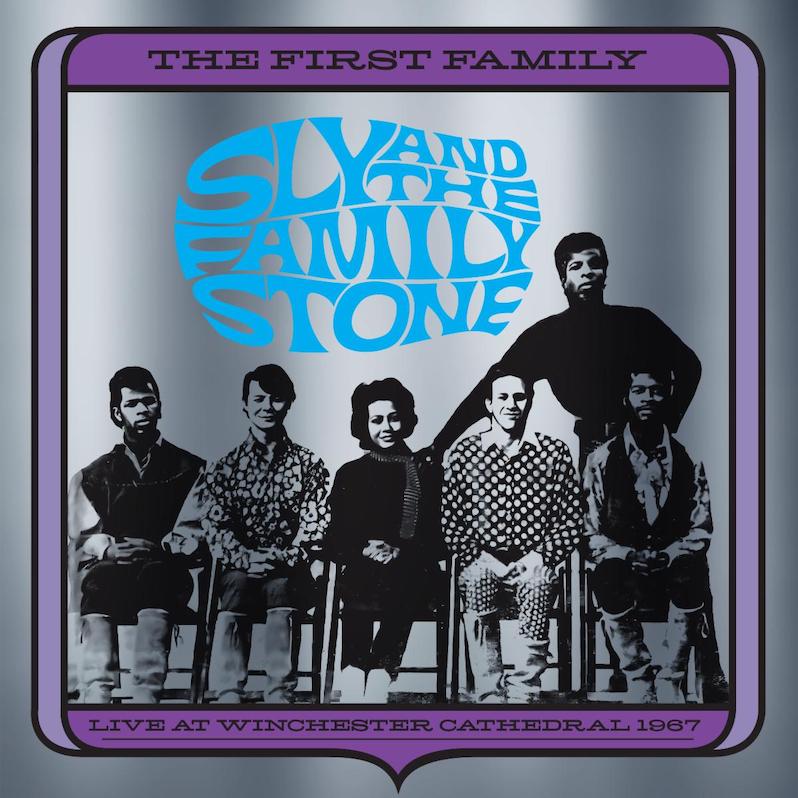
Sly & The Family Stone – The First Family: Live at Winchester Cathedral 1967
Sly & The Family Stone served as the house band at Winchester Cathedral in Redwood City, CA, from December 16, 1966, to April 28, 1967. Their dynamic and crowd-pleasing performances lit up the club during this period. The album The First Family: Live at Winchester Cathedral 1967, released shortly after Stone’s passing this year, was recorded in the early hours of March 26, 1967. It captures the essence of a transitional phase in Stone’s music where rock, funk, soul, and R&B were merging to create something innovative yet light years away. It’s from his experience of being a radio DJ, Grace Slick’s first producer for “Someone to Love,” his input in production for a pre-fame version of the Grateful Dead, back when they were known as the Warlocks in the early 1960s. That his ear, for so much, could put together a group that looked Bay Area cool, and played in a way that politely asked folks to keep up. By the time this band reached that stage at the 1969 Harlem Cultural Festival, the subject of Questlove’s Academy Award-winning documentary, Summer of Soul, they already had Woodstock in their rearview.
Listen/Buy: Bandcamp | Rough Trade (vinyl)
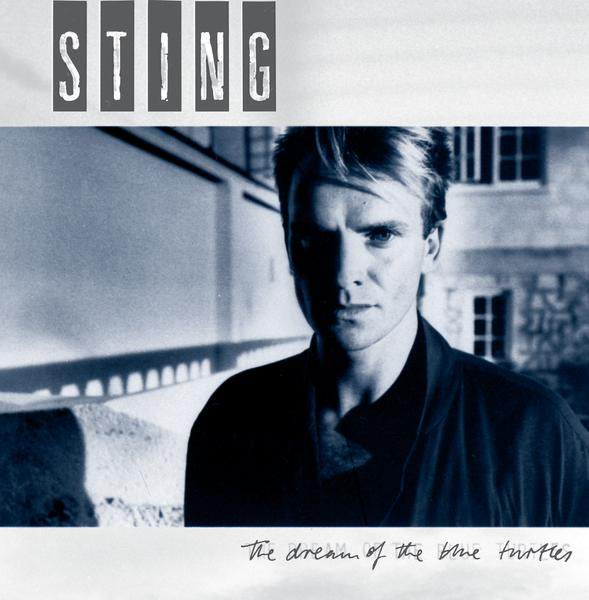
Sting – The Dream of the Blue Turtles
I previously wrote for Treble about how Sting’s post-Police solo bow was a well-meaning if heavy-handed attempt to codify the Cold War and social justice in song alongside his typical romantic foils and foibles. That writing was then, a few naive months before Donald Trump won his first presidency; this is now, almost a year into Trump’s second reign, and everything Sting sang about suddenly feels poignant and relevant once again. Buoyed by a crack team of jazzbos including sax royalty Branford Marsalis, pianist Kenny Kirkland, and beloved session drummer Omar Hakim, The Dream of the Blue Turtles and its multiple US and UK Top 50 singles proved Sting could cross over into pop from beyond the post-punk world. The 40th anniversary reissue leans heavily on synthpop remixes (especially of “If You Love Somebody Set Them Free”), but it also includes B-sides like concert favorite of the time “Another Day” and a cover of “The Ballad of Mac the Knife.” If you hope the Russians love their children too, it might be the right time to revisit this LP. – AB
Listen/Buy: Spotify
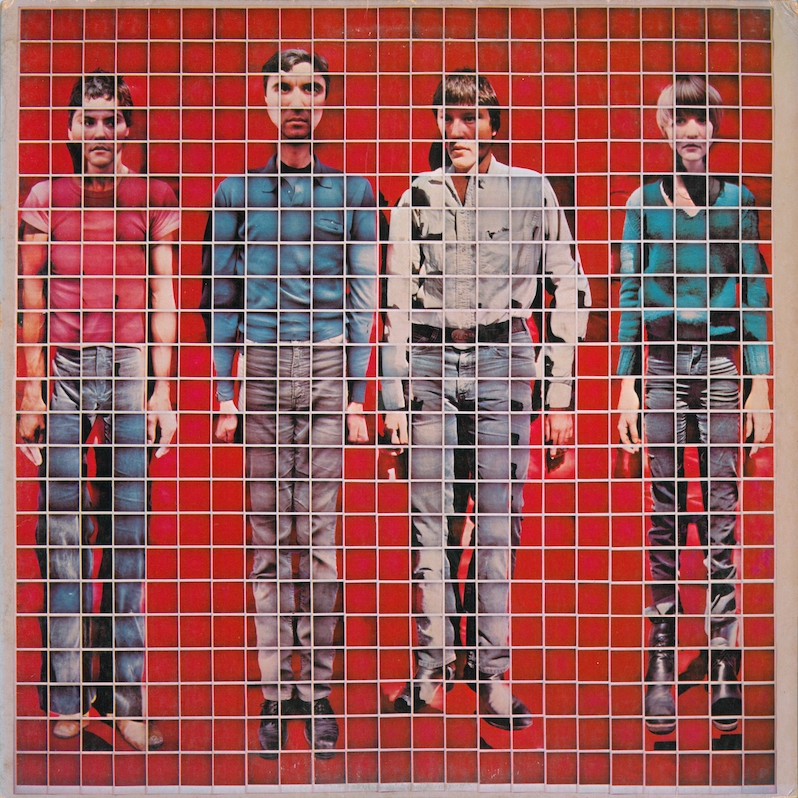
Talking Heads – More Songs About Buildings and Food (Super Deluxe Edition)
I’m gonna eat some crow here. A couple of months ago, I complained, quite loudly in digital ink, about forking over almost $200 for this 4xLP, 4×7-inch, plus 60-page hardcover book, with previously unseen photos and new liner notes with recollections from Tina Weymouth, David Byrne, Chris Frantz, and Jerry Harrison.
With each new David Byrne album, show, event, and glossy interview apologizing about his exit from one of the greatest rock bands to ever do it, I want more proof why ole DB is an enigma, and why the other members still can’t stand his ass. Yes, I’ll pay for the skinny RISD kids in their salad days, breaking barriers unbeknownst to them, who did good by CBGB and then found rhythm-religion, and this new blend of alternative, punk, nervous fonk (“The Girls Want To Be With The Girls” is a nervous fonk poster child for their breezy blue-eyed tension-release gold) and ensuing conquering feats.
They deserve this up-close examination from before 1980. Crazy how genius works.
Listen/Buy: Spotify | Turntable Lab (vinyl)
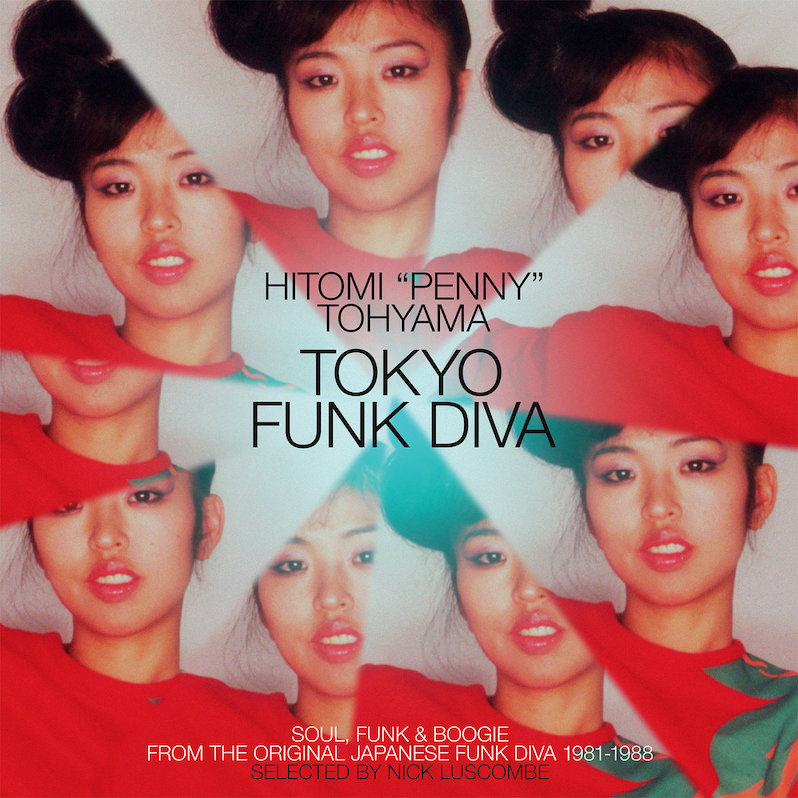
Hitomi “Penny” Tohyama – Tokyo Funk Diva
One of the few female singers to fully embrace Japan’s growing funk and boogie scene of the 1980s, Hitomi “Penny” Tohyama, born in Okinawa and partly raised in California, crafted a vocal persona — distinctive and unique — that highlighted boogie, disco, and funk during the ’80s. Her style, marked by versatile maneuvering, handled syncopated upbeat 4/4 tracks, relaxed mid-tempo grooves, and smooth, slick arrangements with ease. These selections on Tokyo Funk Diva push charts beyond the prevailing city pop of the era and point towards American production skills of Leon Sylvers III and Kashif.
Listen/Buy: Bandcamp | Amazon (vinyl)
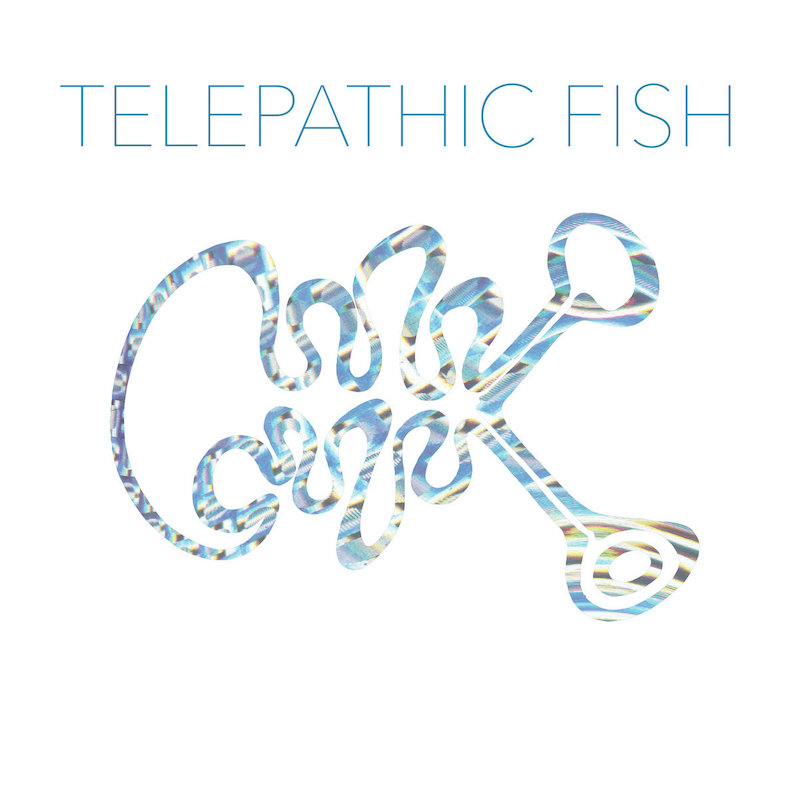
Various Artists – Telepathic Fish: Trawling the Early ’90s Ambient Underground
“Fluorescence,” an all-timer statement of chill from 1993, by the iconic Spacetime Continuum from San Francisco (shouts to Jonah Sharp), indicates that we’ve landed in the decompression room for some water, oxygen, maybe a massage or just a chat up with your crew, before heading back into the bassface section of the rager. Ambient chill-out music didn’t just perk up during recent perilous political times; it’s been here for a minute, supplying your imagination with those traveling without moving moments in life. This recollection, with Nightmares on Wax sampling up some cool Quincy Jones “Summer in the City” vibes, emphasizes how chillness brings a different yet important beat to the side room.
Listen/Buy: Bandcamp
Various Artists – Trax Records: The 40th Anniversary Collection
Before there was glitch, future bass, or even UK garage, there was house. Popularized in Chicago, this genre, born out of disco, is to the EDM industry—which pocketed $12.9 billion last year—what the blues is to rock. Trax Records was launched by Larry Sherman in 1985 from a modest vinyl pressing plant on Chicago’s industrial west side. The label quickly captured the attention of music enthusiasts who were into punk, disco, rock, funk, dub, and jazz—essentially a little bit of everything, creating a soundtrack that continues to represent the many revolutions being fought in this country and around the world, 365 days a year.
To commemorate its 40th anniversary, Trax presents Trax Records: The 40th Anniversary Collection—a vivid, multi-format release that captures the essence of the label’s origins. This collection features iconic tracks such as “Your Love” by Frankie Knuckles and Jamie Principle, and Marshall Jefferson’s “The House Music Anthem (Move Your Body)”, along with many other genre-defining classics from artists like DJ Pierre, Ron Hardy, Mr. Fingers, Phuture, Maurice Joshua and Screamin’ Rachael.
Listen: Spotify
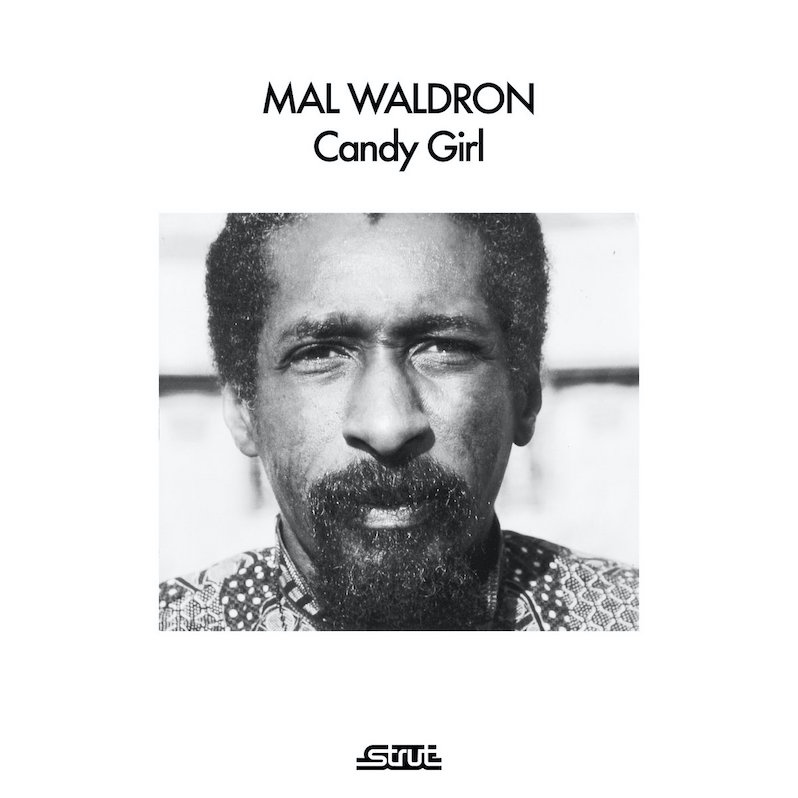
Mal Waldron – Candy Girl
Jazz pianist Mal Waldron in 1975 was a decade into his self-imposed exile from the United States, hanging out in and around the studio of French producer Pierre Jaubert, whose Paris HQ had become the workshop for both avant-garde jazz (Archie Shepp, Art Ensemble of Chicago, Steve Lacy) and psychedelic funk (Lafayette Afro Rock Band AKA Ice).
Career-wise, Waldron was at a crossroads, questioning previous interpretations and open to hearing new things from younger heads. So while he had the chance, he recorded with the psychedelic funk band from Roosevelt, Long Island (also the birthplace of Public Enemy’s Chuck D), Lafayette Afro Rock Band. Candy Girl is Waldron getting the funk out, becoming hip to what appeals to a younger generation of musicians who prefer expansive, groove-laden compositions.
These sessions proved to be foundational for both parties. In 1973, that Afro Rock band recorded and released the track “Hihache,” which decades later became one of the foundational backbeats to fuel the early wave of Hip-Hop. So in ’75, a renowned jazz pianist played with, listened to, and took cues from an emerging collective, who in turn gave new life to a jazz veteran who just might have thought his creative life had stopped.
Listen/Buy: Bandcamp | Amazon (vinyl)
Treble is supported by its patrons. Become a member of our Patreon, get access to subscriber benefits, and help an independent media outlet continue delivering articles like these.

