
Ulver : Neverland


Ulver is in an interesting place currently. After the shocking success of The Assassination of Julius Caesar, a record we here loved, critics and fans both began to praise the record as one of their strongest works, no small feat considering the bevy of masterful records in their catalog. Each subsequent record exploring that similar aesthetic space, with 2020’s The Flowers of Evil and 2024’s Liminal Animals, seemed to generate less and less fanfare despite having material of roughly the same strength. Hexahedron, a unique composition masquerading as a live record, went overlooked by far too many, showing the progressive bona fides of the group that point toward their great capacity of composers of longform evolving work and not just (just!) potential smaller-scale song-length pieces. So I don’t consider it totally to be anxious about Neverland, not in the quality of the material but in whether enough of the right people will give it the time it deserves.
The record is largely ambient electronic music, flecked with new age and progressive elements as well as psychedelic and, on two tracks, moody electronic dance music closer to sophisticated coldwave. Reviewing the pieces by their lonesome feels like it misses the point; sure, “Fire In The End” would make a killer goth night chill-out dance track and “They’re Coming! The Birds!” has enough mood and drive to stand strong on its own, but the vast majority of the record plays more like a soundtrack to an imaginary film, a conceit the band has used before to great success, than it does a sequence of easily segmented pieces. The album feels like a child of Perdition City and Shadows of the Sun, marrying the electronic playfulness of the former to the mood and sense of spaciousness of the latter. It is notably much brighter in its aesthetic than either of those two records, however. Late 90s Ulver, when they began their exploration of wider musical terrain, still kept a kind of severity we could associate with their time playing black metal that would only be shed in a manner of speaking beginning in the 2000s. Even still, a record like Shadows of the Sun keeps a great deal of the emotional heft and even a lot of the imagery of black metal, albeit transposed to progressive rock and progressive folk. Neverland meanwhile takes the paradoxical positivity of their last few more synth-pop and new romantic records and strips it of the vocals that would otherwise complicate that mood.
This might sound like a dig. After all, one of the things that is so compelling about that synth-pop trilogy is the interplay between the dark literary lyrics and the music which seems so effervescent and lively. It’s not a dig; Ulver are smart enough to know that the way music develops with and without vocals is different, and that music on its own can evolve itself in a direction unique to music that acts ultimately as a bed to a vocal performance. These songs are already richer than some of the material of the synth pop era by dint naturally of needing to musically fill the space left by the absence of vocals. That same richness feels absolutely ripe for further exploration by the group, with Neverland feeling less like a standalone record and more the opening of a new chapter of the band’s development. Their self-stated punkiness of the recording process, trusting instinct and intuition over studious development, lends a liveliness to the music that makes it feel very mentally active even without words to jog at you. It’s been a constant companion for me since its release, playing often on loop at my writing desk as I work; it furnishes the imagination with fertile soil that is so easy to grow ripened fruit from.
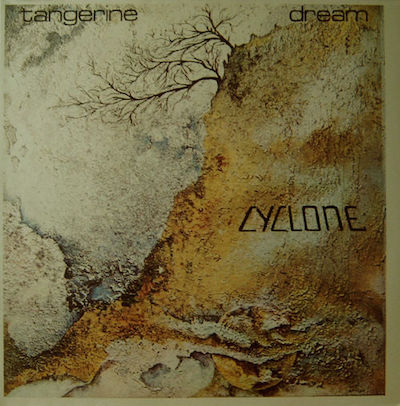
Neverland is proof positive of the perpetual creative fruit of things like space rock and kosmische, especially for groups that already have strong aesthetic visions and thus are much less likely to lean lazily on the tropes of the genre. Their press material for the record references a great deal of their earlier records; one gets the sense both from them and from the music itself that they are appeasing two masters, one where they review their own developing body of work and cross-fertilize eras for new potential and another where they cut out obvious conceptualization to just play. Neverland as a result is a showcase of the group both as intellectually-developing musicians as well as intuitive and natural musicians. It is compelling on both ends, pleasing the mind as much as it appeals immediately to the ear.
Label: House of Mythology
Year: 2025
Similar Albums: