


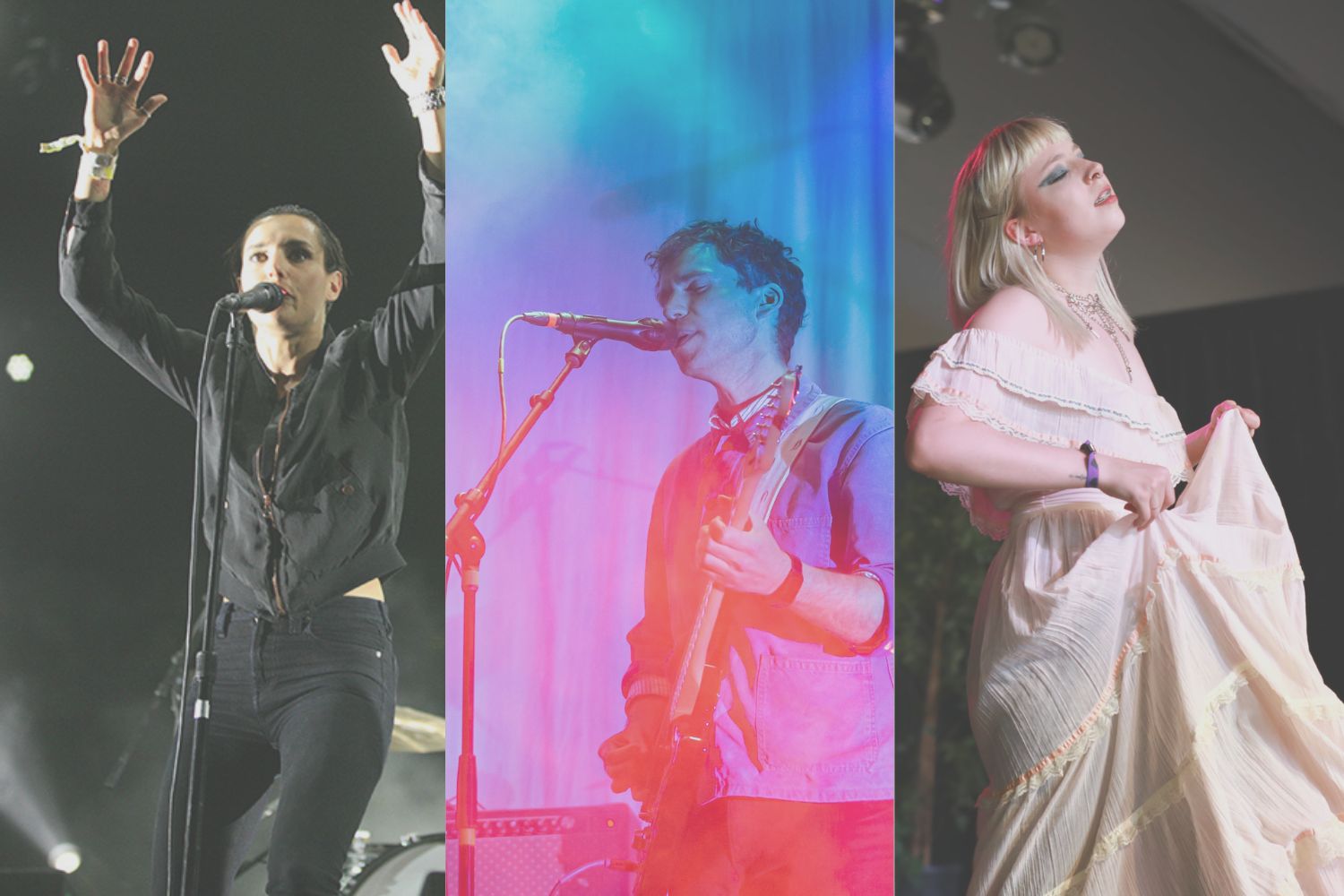
We’ve done this sort of thing before. First we revised and expanded our list of 21st century indie rock, and then did likewise with hip-hop. So why post-punk next? Glad you asked. What began in the early 2000s as a handful of bands offering new interpretations of sounds that emerged in places like Manchester and Leeds eventually spread to a whole series of new underground scenes that celebrated artful experimental takes on punk and its offshoots, with seemingly as many innovative variations as once emerged in the post-punk era of the late ’70s and early ’80s. And seeing as how we’re coming off a month of goth features, this seemed like the logical climax to our unofficial “goth month.”
For the purposes of this list, we narrowed down our parameters a bit. Most big indie bands with a post-punk influence were cut, barring a handful of notable exceptions, as well as electronics-heavy dancepunk outfits (e.g. DFA productions), and a handful of other select cases. What we present is an unqualified (and unranked) list of our favorite post-punk albums of the 21st century, from young bands offering a new spin on an earlier sound to veteran artists finding new inspiration decades later.
Note: When you buy something through our affiliate links, Treble receives a commission. All albums we cover are chosen by our editors and contributors.
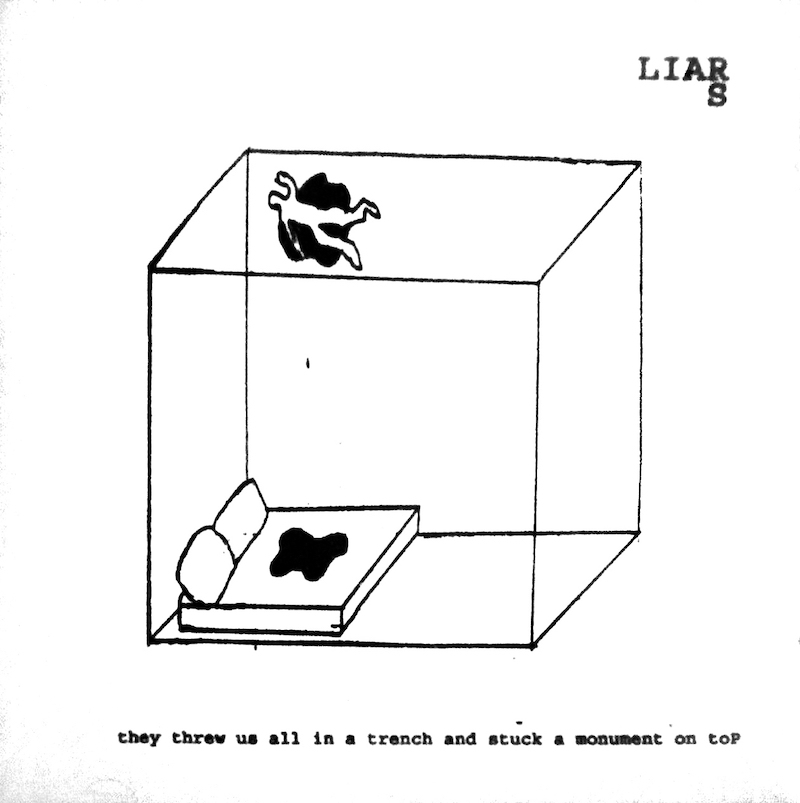
Liars – They Threw Us All in a Trench and Stuck a Monument on Top (2001)
Major label interest and DFA production brought dancepunk into a more flattering light under the discoball in the early to mid-’00s, though few bands at the time brought as much raw muscle and physical energy to the sound than Liars on their 2001 debut. That brief moment of anticipation between the opening chant of “Can you hear us?!” and the hard shift into the urgent stomp of They Threw Us All in a Trench opener “Grown Men Don’t Fall in the River, Just Like That” is one of the most thrilling of any record of its era. One of the few breakout acts to emerge in the early 21st century New York scene whose sound evoked 1979 Bristol or Leeds more than the Lower East Side—though “Tumbling Walls Buried Me in the Debris with ESG” revolved around a sample of the titular Bronx band’s “UFO”—Liars never revisited this sound again on subsequent albums, a statement you could make about any entry in their catalog really. But here, during their brief stint as a quintet, they made a gloriously bruised and bloody mess of disco hi-hats, handclaps and cowbell. – Jeff Terich
Listen/Buy: Bandcamp | Rough Trade (vinyl)
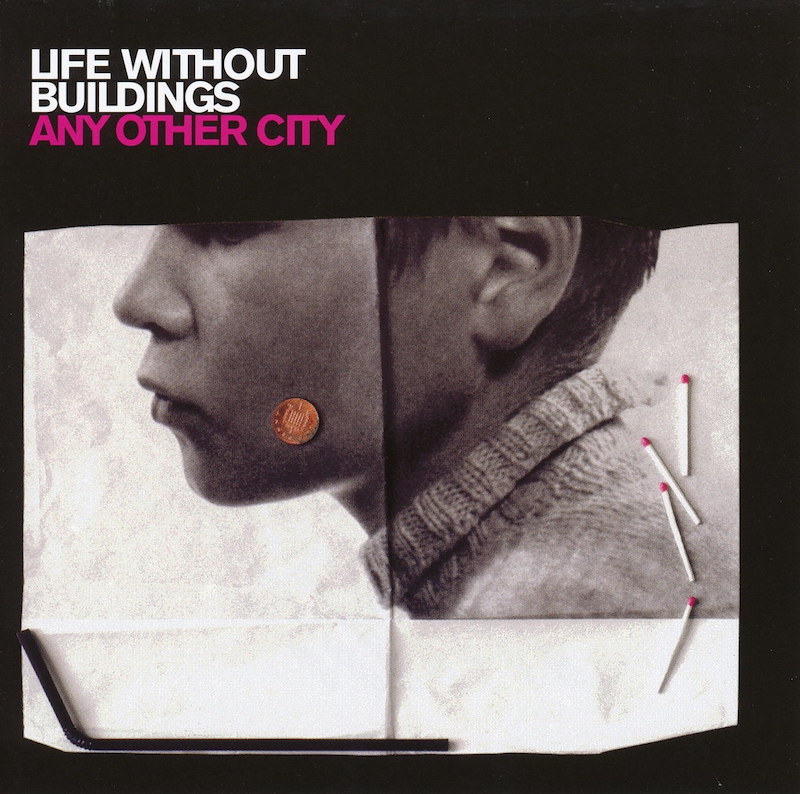
Life Without Buildings – Any Other City (2001)
A whirlwind of frenetic rhythms and hypnotic, sometimes unexpectedly graceful melodies, on their sole studio album Any Other City, Glasgow’s Life Without Buildings swirled together elements that under other circumstances might clash. Robert Dallas Grey’s intricate guitar playing, more Slint than Gang of Four, weaves an elegant web around Chris Evans and Will Bradley’s taut, off-kilter rhythms, finding a curious harmony in a push-and-pull between grace and agitation. But despite all the headphone intricacy, Sue Tompkins is the focal point, her vocals half-sung, half-spoken, and typically with multiple exclamation points—predicting the sprechgesang vocal style favored by a newer crop of British bands some two decades later. The effect is something like Lungfish by way of Liliput, mesmeric music rife with movement and guided by a charismatic and idiosyncratic singer—an edition of one whose influence has far eclipsed the Glasgow band’s brief time together. – Jeff Terich
Listen/Buy: Spotify | Amazon (vinyl)
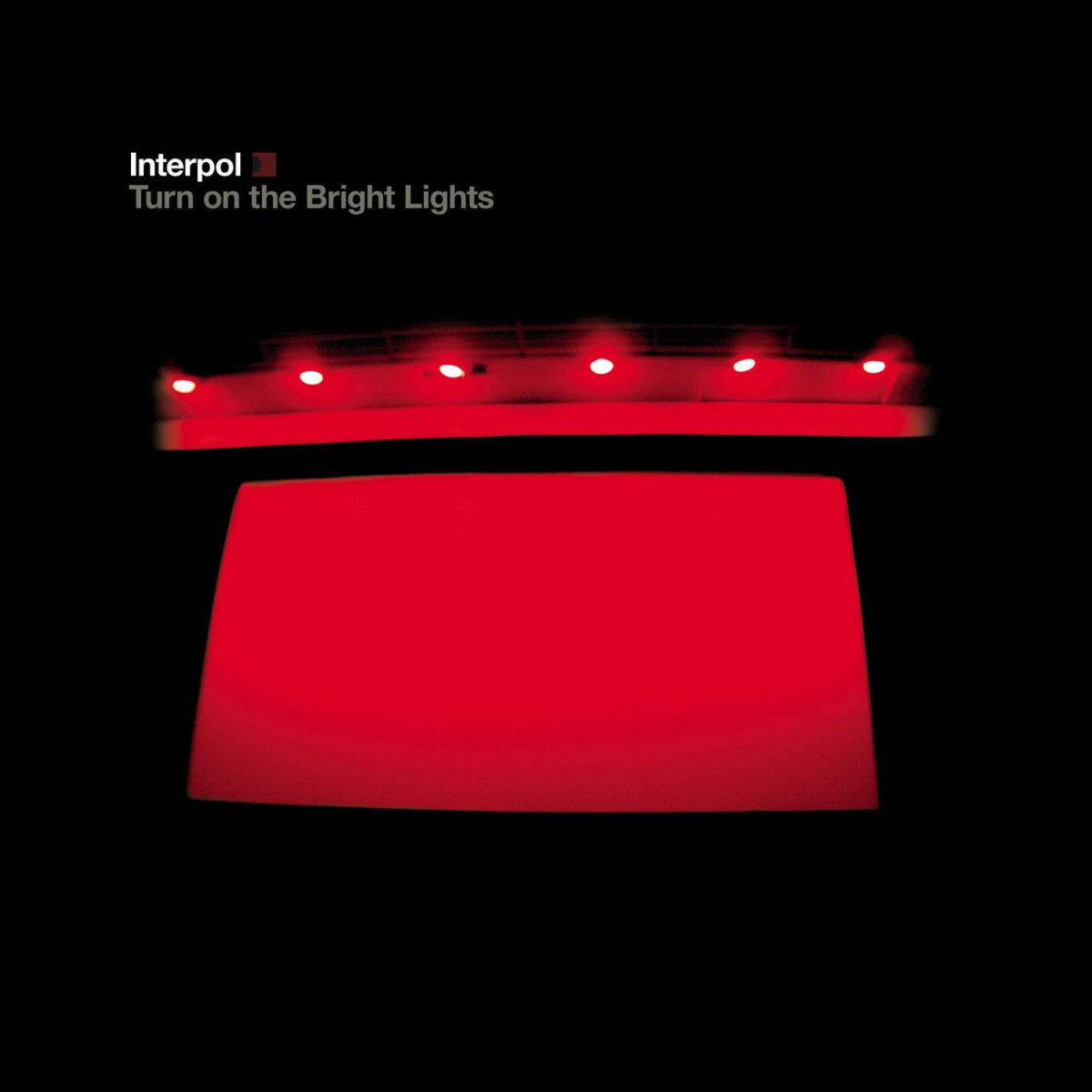
Interpol – Turn on the Bright Lights (2002)
Essentially every band in the 21st century New York rock renaissance has been referred to as “post-punk,” which is true if either a.) it’s being used as a catch-all wherein all contemporary alternative music is “post-punk” in a broader sense; or b.) you consider Tom Petty “post-punk.” But other than Liars, Interpol was the only band in the scene that evoked the pioneering bands of late ’70s Britain—Interpol almost certainly got tired of the comparisons to Joy Division by the time they released sophomore album Antics. As it stands, however, Turn On the Bright Lights streamlines that band’s Mancunian-inspired gloom into dirges and anthems every bit as stylish as Interpol’s photogenic, sartorial sensibility—gun-holster harnesses and all. – Jeff Terich
Listen/Buy: Spotify | Rough Trade (vinyl)

Wire – Read & Burn 01/02 (2002)
Is the third iteration of a post-punk band from the first wave still post-punk, or perhaps post-post-post punk? The Wire of the twin Read and Burn EPs is something considerably different than their late ‘70s triptych anyhow. Employing a similar penchant for power chord melodies like those on debut Pink Flag but with a driving, industrial-rock rhythmic drive, the two 2002 releases that kicked off the band’s third and longest (and still-going) incarnation are among the best they ever released, with moments like “In the Art of Stopping” and “The Afgers of Kodack” as punk as the never-was-a-punk band has ever sounded, while the stunning “Trash/Treasure” recasts their accessible abstraction in a deeper shade of shoegaze. Yet even after two decades of staying active since, they haven’t replicated the approach, which is the only thing about Wire you could ever call routine. – Jeff Terich
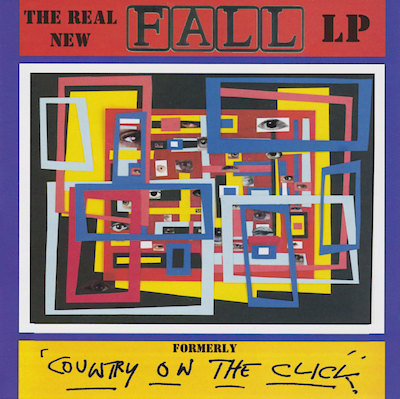
The Fall – The Real New Fall LP: Formerly Country on the Click (2003)
Its title indicative of a very 21st century problem for a band—an early version of their album leaked online, something that never plagued the group in the ‘80s—The Real New Fall LP (Formerly Country on the Click) found Mark E. Smith and company in top form after cycling through so many members, labels and, to a degree, sounds. I won’t bore you with the oft-repeated quote, but at the time there was comfort in knowing a Fall album in 2003 could have the same strength of songwriting and acerbic attitude as that of their celebrated ‘80s output. There are almost too many highlights to mention—the blazing psych swirl of “Green-Eyed Loco Man,” the glam-rock stomp and strut of “Mountain Energei,” or the straight-up barnburner “Theme from Sparta F.C.” to name a few—suggesting that The Fall as an institution, no matter how volatile its foundation, was nonetheless as strong as ever. – Jeff Terich
Listen: Spotify
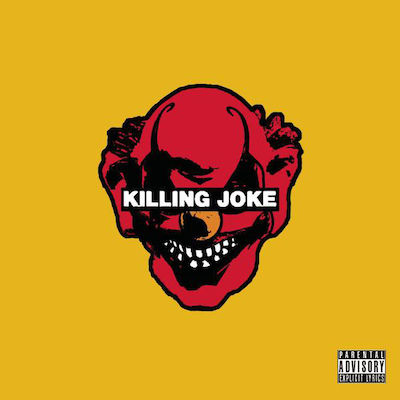
Killing Joke – Killing Joke (2003)
The influence of London industrial-noise artists Killing Joke faded during their hibernation from 1996 to 2003, when post-punk lost its grit and gentrified into a stylish sound. With nary a dud among its 10 offerings, Killing Joke simultaneously reestablished guest drummer Dave Grohl’s caché among the cool kids after a few fey Foo Fighters records. Jaz Coleman’s deafening banshee roars and producer Andy Gill of Gang of Four—the most quintessential post-punk band of them all—draping the record with copious amounts of guitar fuzz cemented its sound as one of the most essential entries in the genre. – Kurt Orzeck
Listen: Spotify
Franz Ferdinand – Franz Ferdinand (2004)
You could get academic and deeply referential, discussing this Scottish band’s self-titled debut in the language of Gang of Four’s sonic edge and The Fall’s attitude. But Franz Ferdinand—the band and the album—were fortunate to be able to move these forward to the 2000s’ indie-rock explosion. Plaintive harmonies (“The Dark of the Matinée”), romantic urgency (“Michael”), and spare and staccato picking and riffing throughout (“This Fire”) from Alex Kapranos and company give this music a special kind of momentum. All of this and we haven’t even mentioned the stop-and-start stomp of “Take Me Out” which, were it not for the release of The White Stripes’ “Seven Nation Army” one year prior, might have been the rock anthem to penetrate sports arenas worldwide in the 21st century. But maybe let Jack White have the spotlight; Franz Ferdinand feels right to power the underground. – Adam Blyweiss
Listen/Buy: Spotify | Rough Trade (vinyl)
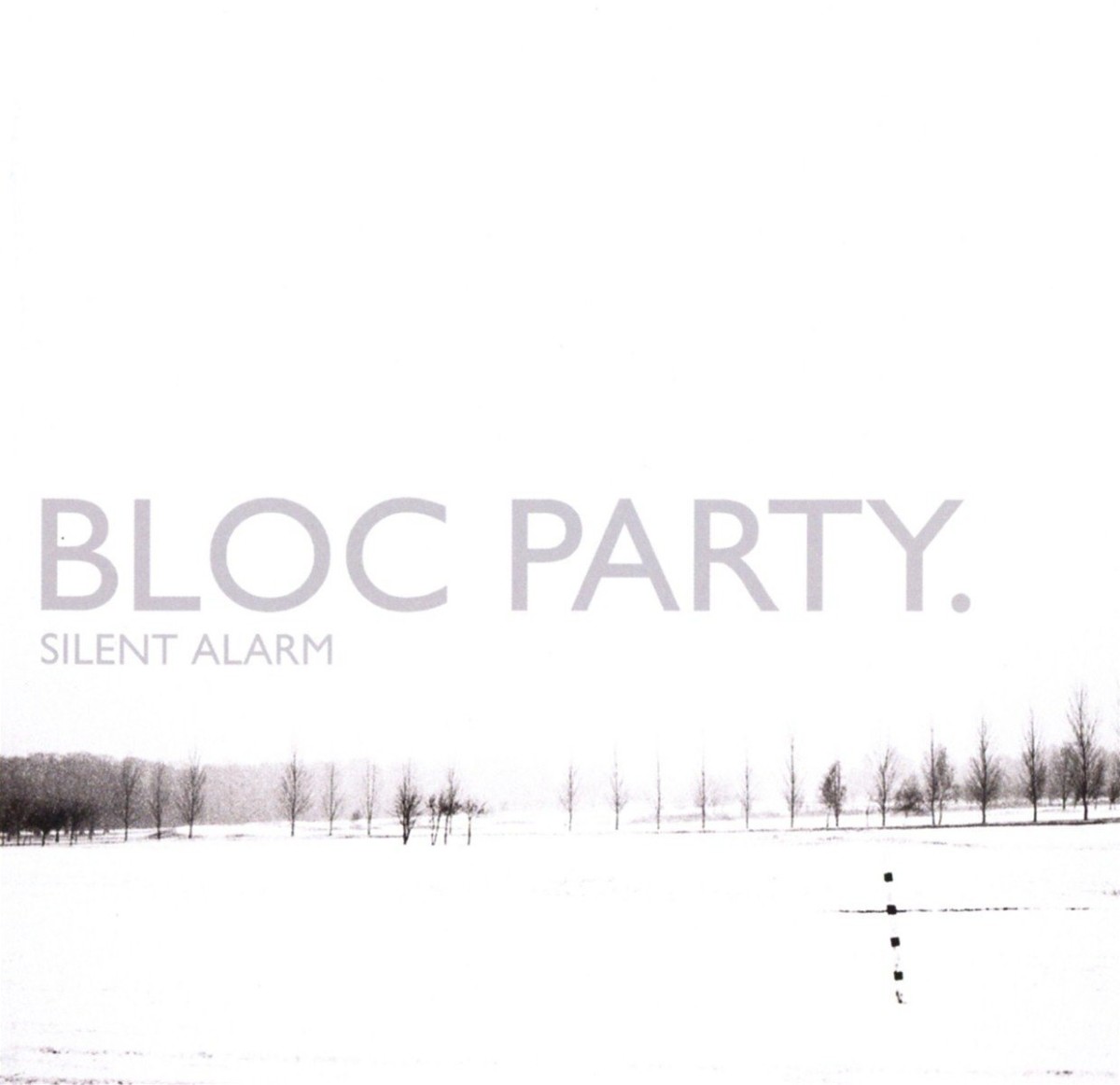
Bloc Party – Silent Alarm (2005)
Early discopunk banger “Banquet” and spiraling guitar raveup “Helicopter” might have positioned Bloc Party as alternatively a more unabashedly hedonistic or hard-edged band, but the earnestness of their debut album Silent Alarm didn’t so much evoke Gang of Four or Joy Division as one of their peers just outside England’s borders: U2. And given this site’s well-documented appreciation of that band, especially as it pertains to their post-punk era, you’ll understand this is no small compliment. As much jagged dual-guitar agitation and dancefloor drive surged through the album, Kele Okereke’s soaring vocals in “So Here We Are” and “This Modern Love,” not to mention a notable parallel to “I Will Follow” in the glockenspiel hammering of “Blue Light,” positioned Bloc Party—for this album, at least—not as heirs to Cold War doomsday sirens or dancefloor polemicists so much as amplified romantics. – Jeff Terich
Listen/Buy: Spotify | Rough Trade (vinyl)
Wilderness – Wilderness (2005)
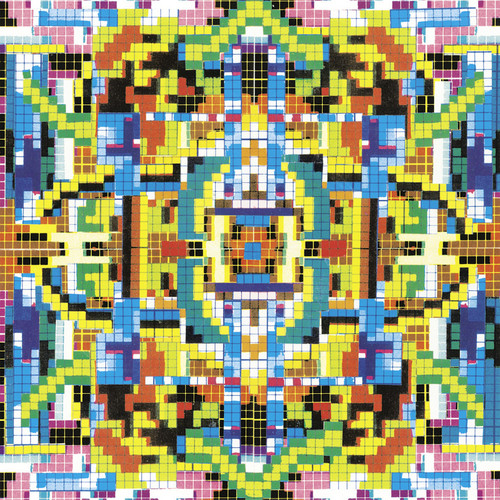
Perhaps by virtue of the band having formed in Baltimore, and released their debut on Jagjaguwar after Bloc Party’s Silent Alarm situated the revival somewhere between Bono and Andy Gill, the all-too-short-lived Wilderness didn’t so much warrant discussion of their place in post-punk early on. In hindsight, it’s hard to miss it, and not just because vocalist James Johnson is, at times, a dead ringer for a ‘79-era John Lydon. The group’s debut album is a blend of the sinister and the soaring, almost post-rock like epics juxtaposed with creeping grooves like the ominous bassline of “Arkless,” wherein the P.I.L. comparison becomes something more than vocal affectation. Only complicating things a little is their proximity to Lungfish, whose blend of shamanistic vocal soothsayer guiding mesmerizing repetitions is something of a prototype. How it all comes together is unique, however, not a product of their influences but an unpredictable chemical reaction. -Jeff Terich
Listen/Buy: Bandcamp
Mission of Burma – The Obliterati (2006)
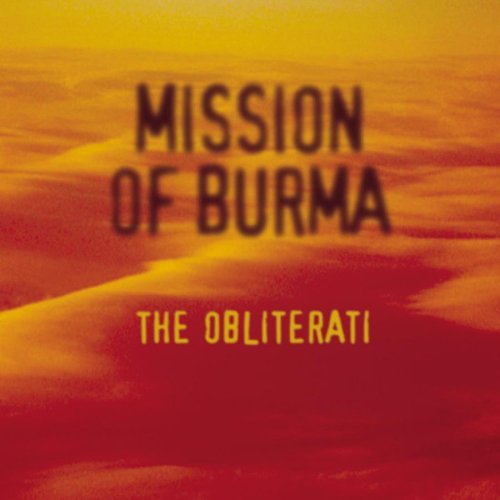
The release of 2004’s ONoffON heralded Mission of Burma’s return after two decades apart with a batch of songs as abrasive as their earliest output and at times even as anthemic. The Obliterati dialed up everything—the melodies, the songwriting and certainly the intensity. As Clint Conley’s bass comes pounding through the opening of “2wice,” the Boston post-punk legends go Kool-Aid Man into their third album, reinforcing their noise-rock-tinged pummelers in concrete while offering some of their most sophisticated compositions to date. Witness, for instance, the “I Feel Love” interlude in “Donna Sumeria,” the cello underscoring the melancholy “13,” or the blistering psychedelia of “1001 Pleasant Dreams.” A second-act peak that segued into two more studio albums before splitting up again a decade later (outside of the odd one-off, like the benefit show they played last year), The Obliterati is a decisive riposte to the suggestion that it could never be as good as it once was. – Jeff Terich
Listen: Spotify
Have a Nice Life – Deathconsciousness (2008)
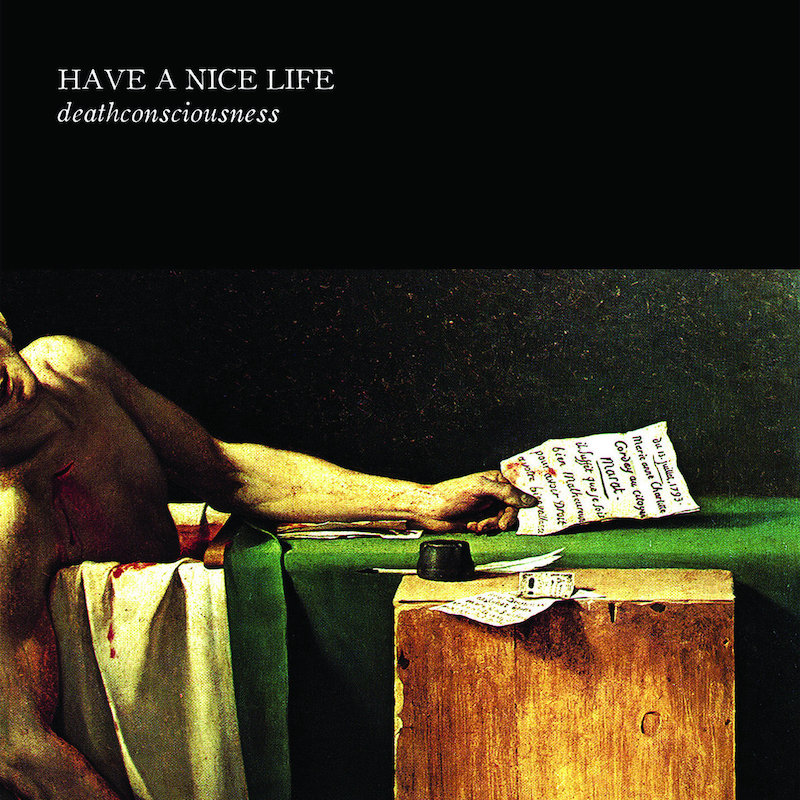
Some post-punk is described as skeletal; Deathconsciousness is absolutely emaciated, like a body trapped in a cage or a thin and ragged wraith haunting the dead air of old asylums and bedroom closets. Have A Nice Life embrace a lyrical literalism, choosing to bypass the metaphor layer that situates a feeling to present the bare, anemic alienation itself. The name doesn’t feel like a joke. This is music from the ICU, an overwhelming desire to cease to exist. They would make more vampiric and acidic music later, but they would never be this gaunt, like dead Marat on its cover, ever again. – Langdon Hickman
Listen/Buy: Bandcamp | Turntable Lab (vinyl)
A Place to Bury Strangers – Exploding Head (2009)
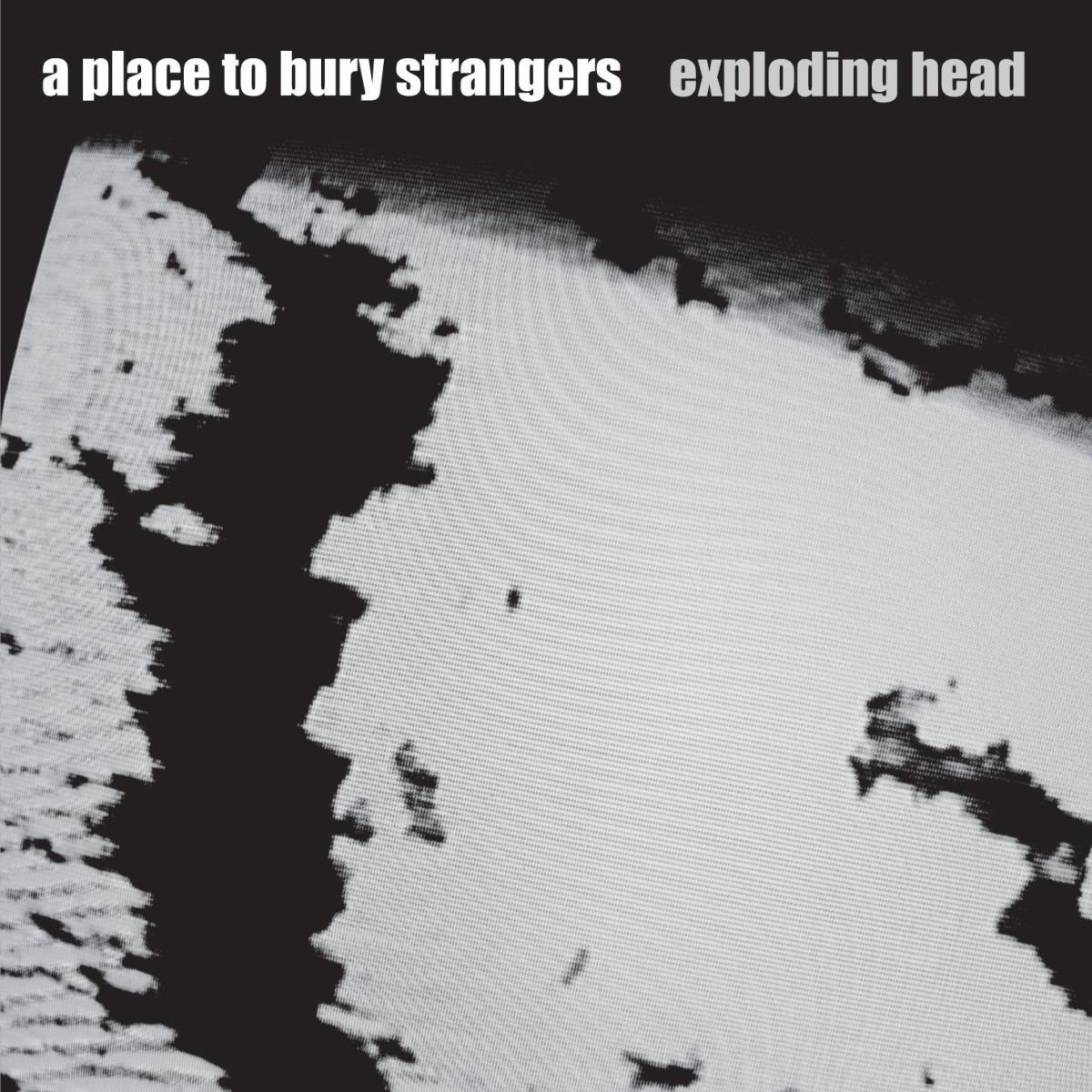
Although Oliver Ackermann wasn’t one of this group’s founders, by the time this second album rolled around he was the one left with the longest service. As vocalist, primary songwriter, and lead guitarist, Ackermann worked with bandmates Jonathan Smith and Jason Weilmeister to continue building a reputation for playing some of New York City’s loudest shows. Around many turns in tracks like the overamped rockabilly of “Dead Beat,” Ackermann’s out here making distortion magic. And while “In Your Heart,” “Everything Always Goes Wrong,” and more feel like they have almost too much echo and screaming instrumentation to make headway in your head, there’s always enough despairing melody and earworm riffs to get there. Exploding Head is the first paragraph in A Place to Bury Strangers’ career-long love letter to the kind of propulsive noise rock defined by Sonic Youth, My Bloody Valentine, and The Jesus and Mary Chain. – Adam Blyweiss
Listen/Buy: Bandcamp | Amazon (vinyl)
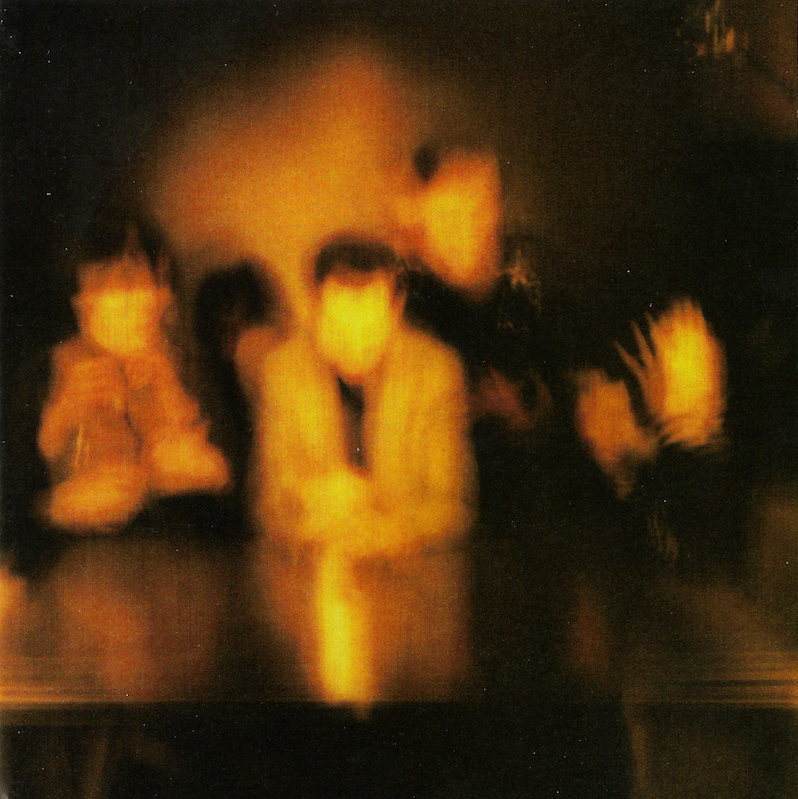
The Horrors – Primary Colours (2009)
The Horrors’ earliest incarnation was as a campy shock rock group somewhere between Screamin’ Jay Hawkins and The Cramps, so it’s not necessarily unreasonable if anyone was entirely taken aback by their sophomore album Primary Colours. Working with Portishead’s Geoff Barrow, the UK outfit traded their Munsters garb for an acid-tipped take on post-punk informed equally by Can and The Chameleons, The Sound and Silver Apples. Stylistically, it’s hard not to see that as anything but a major step in the right direction, though more impressive still were the actual songs, showcasing a wide range of sounds set to shockingly good melodies. They pull off a hard-pulsing My Bloody Valentine nightmare on “Three Decades,” a slow-burning surf-gloom kosmische on “Sea Within a Sea,” and Echo and the Bunnymen wall of sound via “Who Can Say,” all of which retains the darkness of their early years while showcasing a newfound sophistication. – Jeff Terich
Listen/Buy: Spotify | Rough Trade (vinyl)
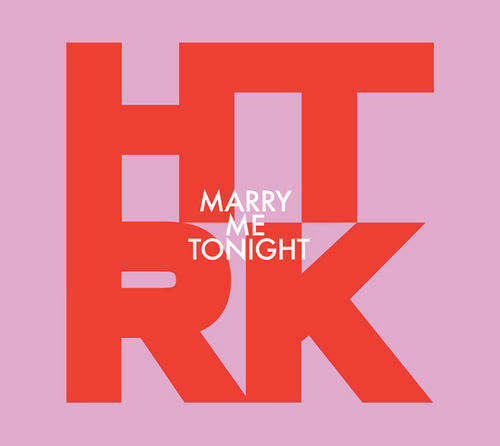
HTRK – Marry Me Tonight (2009)
To anyone caught up in the blissful downtempo of HTRK’s Psychic 9-5 Club and everything thereafter, the abrasive dub-punk sleaze of debut Marry Me Tonight would likely come as a surprise. The Australian group’s evolution has seen them soften their textures, but they all occupy a similar pitch-black graveyard shift, their debut the seamiest and most dangerous of the bunch. With production assistance from Aussie post-punk icon Rowland S. Howard (The Birthday Party), HTRK concoct a deadly swirl of hypnotic basslines, minimal wave electronics and thorny guitar squall. Highlights like burlesque-on-codeine closer “Disco” moves like “Ghost Rider” at half speed, while “Waltz Real Slow” is more of a stalking menace, the kind of damaged minimalism that only feels more sinister the deeper you descend. -Jeff Terich
Listen/Buy: Bandcamp | Rough Trade (vinyl)
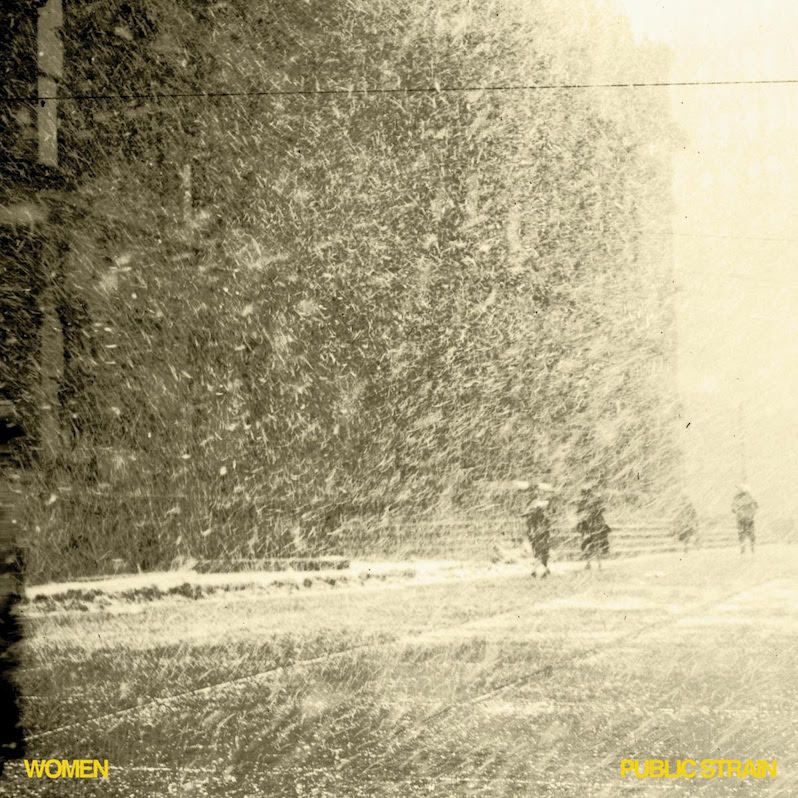
Women – Public Strain (2010)
If punk music is a means to build solidarity and community, post-punk expresses the difficulty of that process. Connecting with others is hard, especially if you’re only conscious when the rest of the world is asleep like Patrick Flegel was when writing Public Strain. Women’s second and final record looks at human interaction through a frosted window, ironic considering how its hypnagogic, ‘60s-indebted playing reverberated throughout indie rock after its release, showing how much those who heard it felt kinship with it. The lo-fi twinkly acts that followed emulated Public Strain on a basic level, yet its tranquil and underfurnished core remains its own, prickly as ever. – Colin Dempsey
Listen/Buy: Bandcamp | Rough Trade (vinyl)
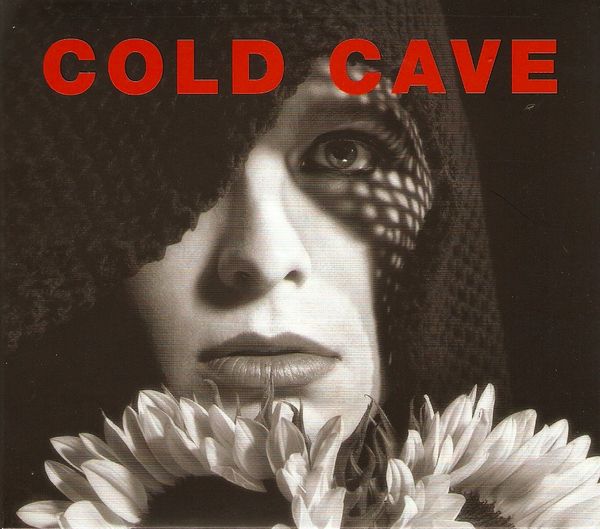
Cold Cave – Cherish the Light Years (2011)
Having emerged from the hardcore scene as frontman of Give Up the Ghost/American Nightmare, Wesley Eisold solidified his place as a vital force in the post-punk revival with his synth-pop project’s 2011 sophomore album. While the danceable gloom might share some common ground with darkwave, it’s the energetic nature of Cherish the Light Years that crosses the genre lines. Eisold marries morose lyrical themes with a sullen vocal delivery to the disco-like grooves that inhabit these songs, the overwrought dramatics working gracefully in the album’s celebration of the neon-lit party lifestyle that he narrates here. Eisold and company create something that feels authentic, developing a cult following while proving you don’t have to be from the ’80s to win over goth nite DJs. – Wil Lewellyn
Listen/Buy: Bandcamp | Amazon (vinyl)
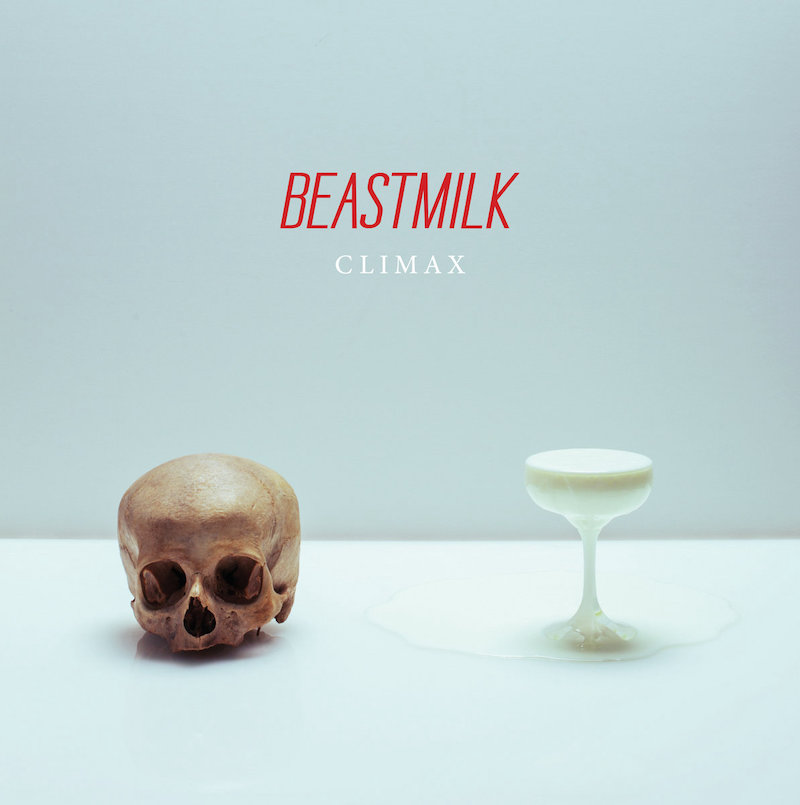
Beastmilk – Climax (2013)
It was inevitable that someone would circle back to the Cult. That group’s iconic fusion of goth rock and hard rock was certainly more successful than Sisters of Mercy’s attempts at the same and primed the ground for Beastmilk decades later to add a does of grindhouse macabre and cemetery lust to the equation. Are these songs about love or death? Orgasm or nihilism? This unresolved question is the propulsive engine of the evocatively named Climax, replete with white milky imagery. A skull filled with milk says so much already. – Langdon Hickman
Listen/Buy: Bandcamp
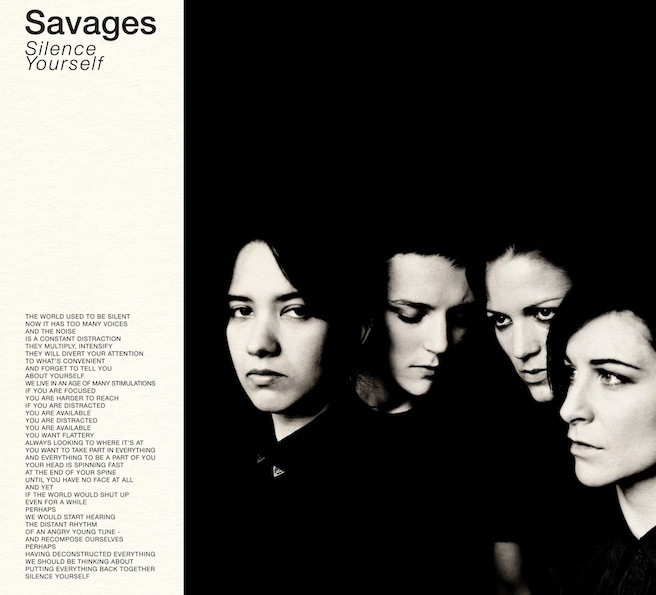
Savages – Silence Yourself (2013)
Savages’ debut demands attention in every possible way, from the bracing intensity of its 11 songs to the blunt exhortation in the liner notes that THIS RECORD IS TO BE PLAYED LOUD IN THE FOREGROUND. So, yeah, not something to put on at parties—unless you relish the idea of explaining who Belladonna is and what “Hit Me” is about to your more straight-laced friends. But the seriousness and explicit social statements on Silence Yourself don’t equate to a lack of enjoyment. Every musical element goes for the kill, but addictively so, from Jehnny Beth’s wailing manifestos to the furious riffs of Gemma Thompson and Ayse Hassan’s slinky, predatory basslines. Despite its dark sound, Silence Yourself is an immensely hopeful album, from the rise-out-of-darkness anthems “I Am Here” and “No Face” to the sex positivity of “She Will” and “Husbands.” And in case we haven’t made it clear enough on this site, you absolutely must see Savages live. – Laura D. Flowers
Listen: Spotify

Tropic of Cancer – Sleepless Idylls (2013)
Drawing from Disintegration, one of the greatest albums in history, is never a bad idea, especially if you are drawing from the phantasmal and crypt-cold “Plainsong.” Tropic of Cancer only turned in one proper LP, the band being more a phase change captured in motion than a proper group, but it’s an icy expanse of synthesized sound and vocals which seem to burble up through fog and glass. Post-punk’s relation to psychedelia has always been an odd influence of opposites; here, the funhouse lights shut off and the sound of laughter dies, leaving you alone, the mirrors and you. – Langdon Hickman
Listen/Buy: Spotify
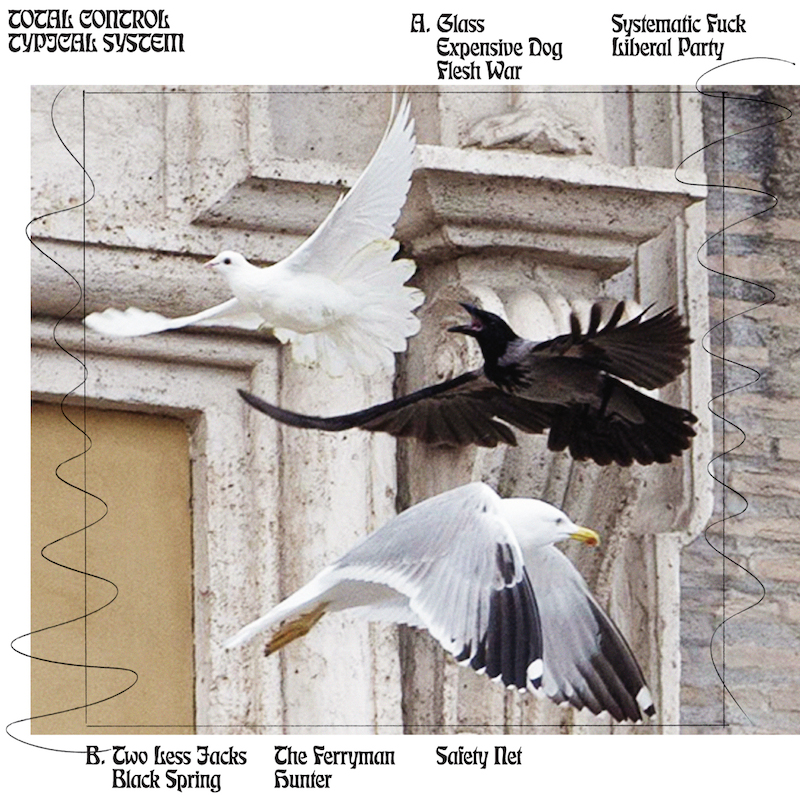
Total Control – Typical System (2014)
Australia’s Total Control aren’t bound by any one aesthetic, which makes their take on post-punk one that’s not always entirely logical. Sometimes they engage in analog-synth buzz and thud (“Glass”). Sometimes they bathe in garage rock fuzz (“Expensive Dog”). And sometimes they opt for soaring, yet taut anthems (“Flesh War”). They’re scattershot in approach, and yet it all kind of makes sense in their own curious way. Each unpredictable permutation on their second album Typical System unlocks one more aspect of their constantly changing, yet highly melodic and abrasive approach, the sum total of which adds up to a grand mosaic. Those individual parts, however, are pretty spectacular, be they steeped in the jazz-wave of Tuxedomoon or the minimalist punk of Wire. – JT
Listen/Buy: Bandcamp
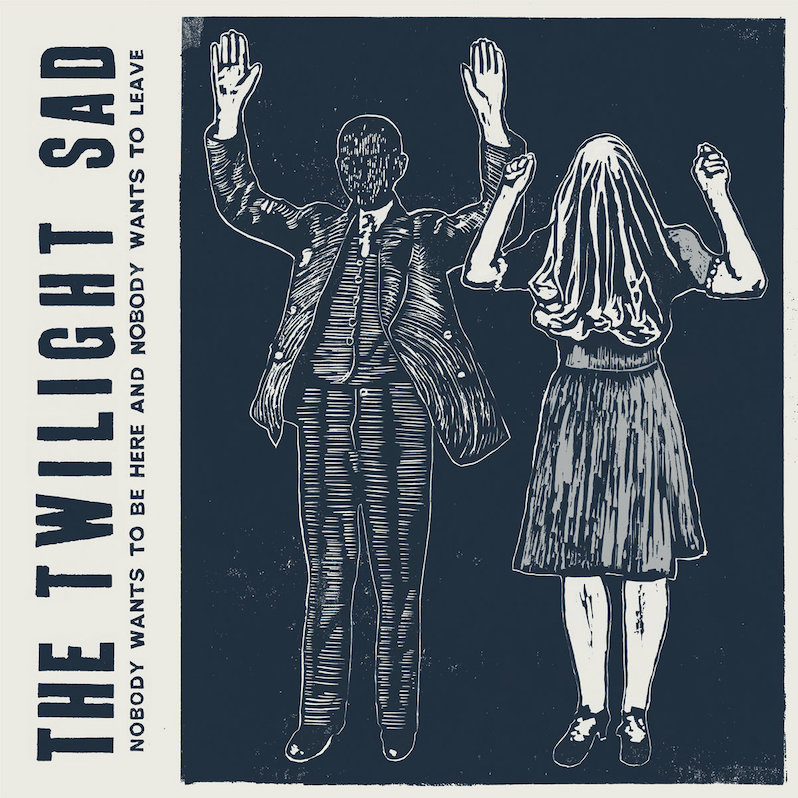
The Twilight Sad – Nobody Wants to Be Here and Nobody Wants to Leave (2014)
If you’ve caught The Twilight Sad’s live show during one of their opening stints for the Cure, then it’s clear how this band’s 2014 album has captured the emotional intensity of what they do on stage. Similar to Smith in how their lyrics are heavier than their music, they carry an atmospheric tension on this album that creates a sonic stormcloud under the raw vulnerability that James Graham’s vocals perfectly capture. This album is dynamic and hooky, while keeping the clouds of melancholy ever present, which is best epitomized on “There’s a Girl in the Corner,” though every song here is a standout. – Wil Lewellyn
Listen/Buy: Bandcamp
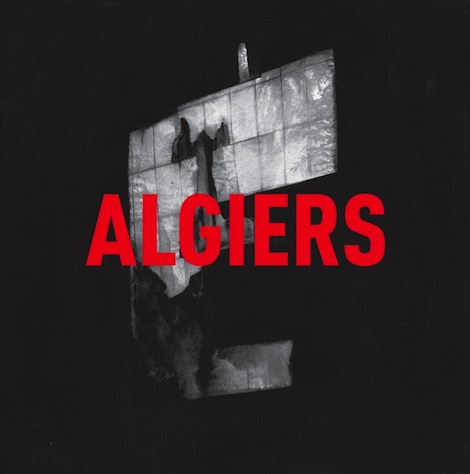
Algiers – Algiers (2015)
Algiers is one of the infrequent instances in which a truly unexpected combination of ingredients—Black spirituals, industrial clank, blues rhythms and razorblade punk riffs—actually creates a coherent and fascinating whole. The Atlanta band’s debut is one of the finer opening musical salvos in recent memory. Like many post-punk records, Algiers is an act of blatant political commentary, but one concerned with issues most if not all of its musical progenitors didn’t touch: racism’s past and present, police violence, the class dynamics of Algiers’ native city and a simultaneous fascination and repulsion toward religion. In so doing, it bangs, from the slow march of “Blood” to the insistent rush of “Old Girl” and “Black Eunuch.” And Franklin James Fisher’s lead vocals are some of the most arresting 2015 had to offer in any genre, whether crooning on his own or being assisted by bandmates via lush harmonies. – Laura D. Flowers
Listen/Buy: Bandcamp
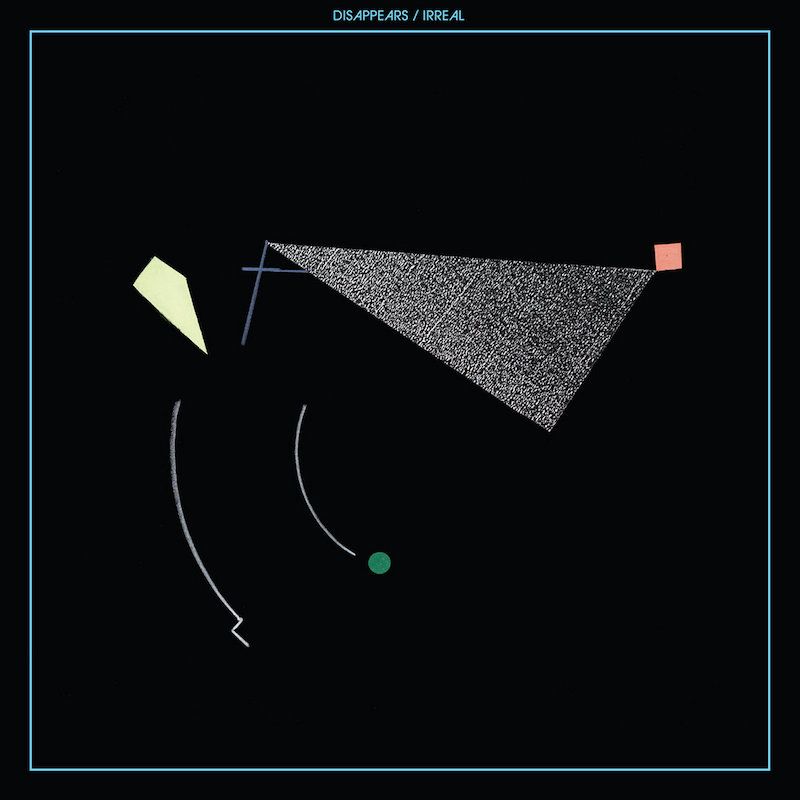
Disappears – Irreal (2015)
What is post-punk? Post-punk is dub, it is noise, it is industrial, it is krautrock, it is minimalism. Disappears got the memo, closing out their brief career with Irreal, an album that strips away the punk and condenses everything else, giving us a blank-eyed voidgazing set of bleak soundscapes. This was the pinnacle (or the pit?) of their oblique and opaque music, often sounding more like a mellower White Suns than Television. That they phase changed into FACS after this is not a surprise; the task was done. – Langdon Hickman
Listen/Buy: Bandcamp
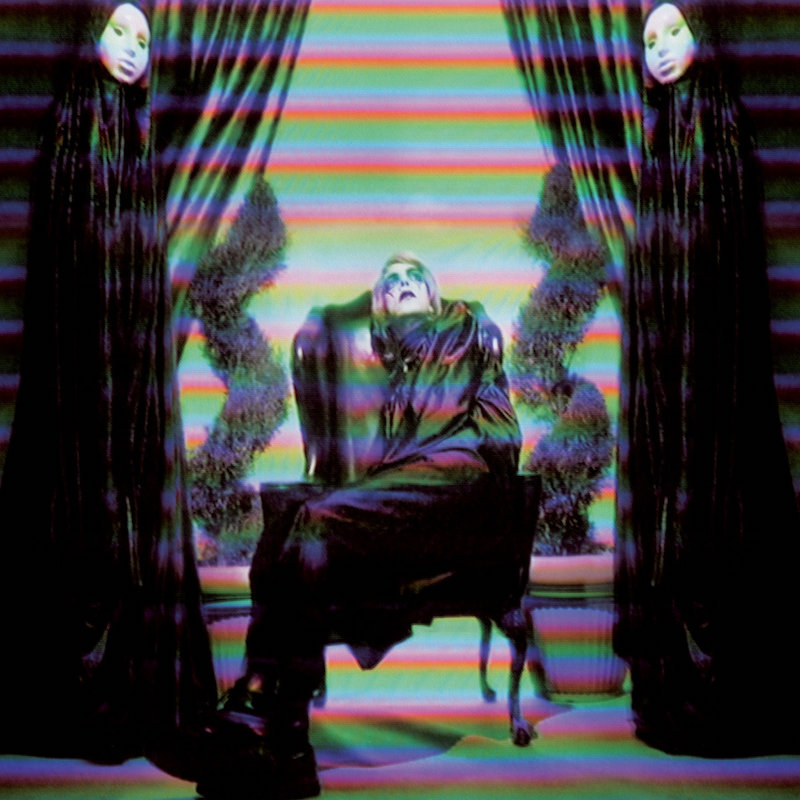
Drab Majesty – Careless (2015)
The Los Angeles duo have long read very strongly as darkwave and gothic, and recently as prog and psychedelic, but their first few steps criss-crossed all of these on a stumblebum path that put the “punk” in post-punk. There’s an artfully, well, careless energy to Careless, one still steeped in plenty of guitars from Deb Demure alongside the sad programming of Mona D. This allows them to infer a lot of genres and subgenres in just 36 minutes: dream-pop ethereality in “Unknown to the I,” The Cure’s reverberating ennui in “Hallow,” the dance-music desperation of “Foreign Eyes.” But you’ll also hear music like “Everything is Sentimental” that drops hints of the kind of synth-punk Suicide changed the world with. – Adam Blyweiss
Listen/Buy: Bandcamp
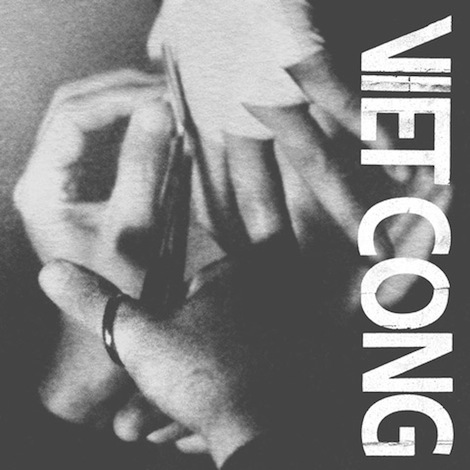
Viet Cong (Preoccupations) – Viet Cong (2015)
Aside from the name change, Preoccupations are a wildly different band than they were when they released their then-self-titled debut. With the group comprising half of the members of Women, the aftermath of that band’s turbulent break up overcast Viet Cong, goodwill and pleasantries flattened by industrial machinations. The confrontation inherent in post-punk has never felt more obvious. Few songs play like they want to be heard (“Continental Shelf” and “Silhouettes”), with the rest testing one’s patience with repetition and textural manipulation. Viet Cong is gritty and cold to the point that nothing, not even Preoccupations’ later albums, replicated it. – Colin Dempsey
Listen/Buy: Bandcamp | Rough Trade (vinyl)
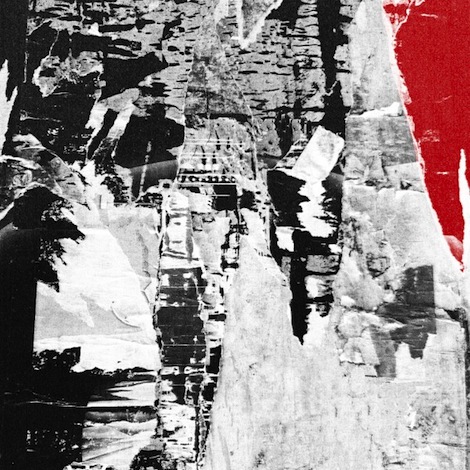
The Soft Moon – Deeper (2015)
During his lifetime, Luis Vasquez established a singular aesthetic as The Soft Moon, one that was locked in from the dark minimalism of his self-titled debut through the incremental evolutionary stages that eventually saw him taking on a heavier industrial stomp on 2018’s Criminal and his final album, 2022’s Exister. Sitting squarely in the middle of his five-album run is Deeper, which beefs up the instrumentation without shedding his signature sleek darkness. Moments like the sinister throb of opener “Black” suggest Nine Inch Nails with a Suicide budget, while “Far” opts for soaring hooks and the title track sets a pagan ritual ablaze. Deeper runs a gauntlet of goth variations on shuffle, with elements of Vasquez’s prior work in psychedelia nipping at its heels. -Jeff Terich
Listen/Buy: Bandcamp
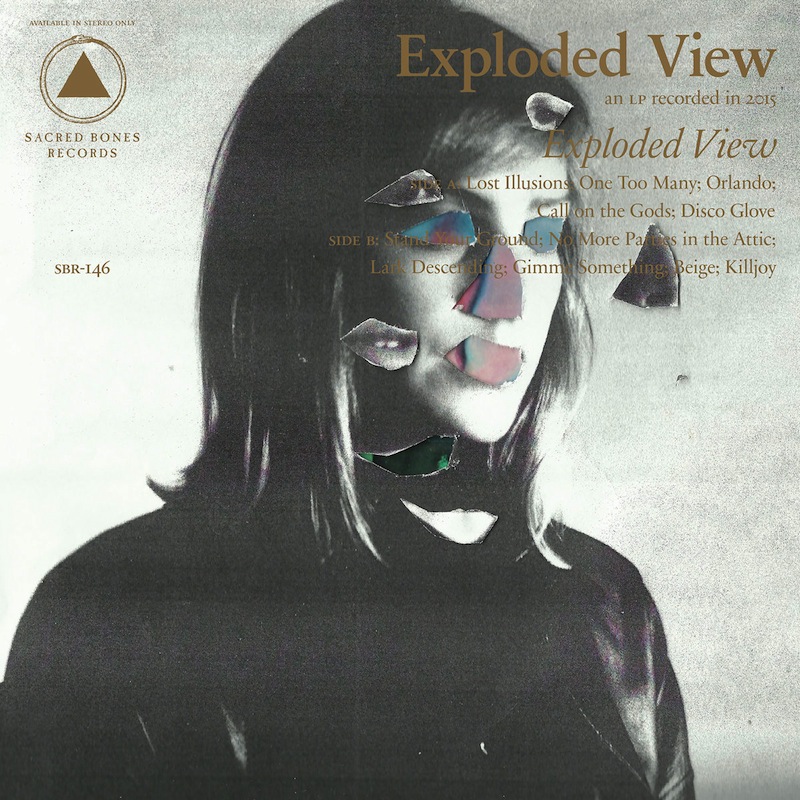
Exploded View – Exploded View (2016)
A transatlantic collaboration between British-born, Berlin-based singer Anika and three musicians from Mexico City—Martin Thulin, Hugo Quezada and Hector Melgarejo—Exploded View built the hypnotic compositions on their self-titled debut up from lengthy improvisational sessions, edited down to pop song form in the same manner that Can might have back in 1971. The results are at times abstract and disorienting, but more often than not congeal into industrial-krautrock thump (“No More Parties in the Attic”), psychedelic grooves (“Orlando”) or a frantic dancepunk frenzy (“Disco Glove”). Between the synth shrieks and bass licks, Anika depicts a soulless world where experience is replaced by commerce, and where tragedy is an excuse to illegalize art. That dystopia’s real, and it’s here, but when artists like these cross literal and perceived boundaries to create something so beautifully abrasive, hope doesn’t seem so elusive. – Jeff Terich
Listen/Buy: Bandcamp
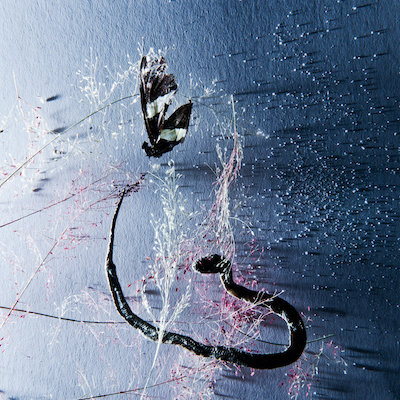
Rakta – III (2016)
Brazil’s Rakta lean toward the realm of heady trance music, underscoring the inexplicable truth that Hawkwind were proto-punkers. The rough-edged space rock of that older group emerges here as witch’s coven and burbling cauldron. The effects-treated vocals warble out like a ghastly lit crone leaning over candlelight and being a motorik evil that feels clearly inspirational to psych/prog metallers Oranssi Pazuzu. III feels time agnostic, like it could be a crate digging retro find of ’60s garage rock all the way up to digitalist recreation in the 2020s. It’s trippy ending “A Busca do Círculo” creates a wavering portal that perfectly captures the way this album feels outside of time. – Langdon Hickman
Listen/Buy: Bandcamp
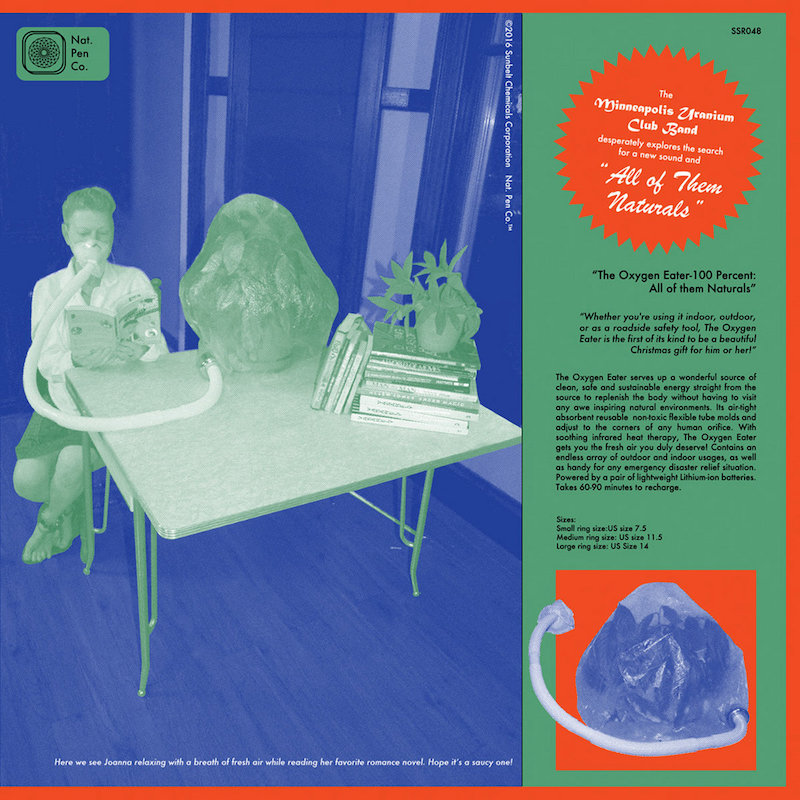
Uranium Club – All of Them Naturals (2016)
Sometimes known as The Minneapolis Uranium Club Band, or the Uranium Club and Sunbelt Chemical Corporation, Twin Cities agitators Uranium Club move at an anxious pace. Fun, frantic, sometimes even funky, their palette draws from the minimalist groove of early Talking Heads and the more radio-friendly side of Gang of Four—and yes, more than a little Devo for that matter. Their full-length debut is a 23-minute thesis statement of sardonic humor and just-slightly abrasive jangle, their oddball approach yielding searing standouts like the furious “Operation Pt. II” alongside bass-driven groovers like “God’s Chest,” tied together with wry observations and a playfully uncomfortable sense of surrealism. – Jeff Terich
Listen/Buy: Bandcamp
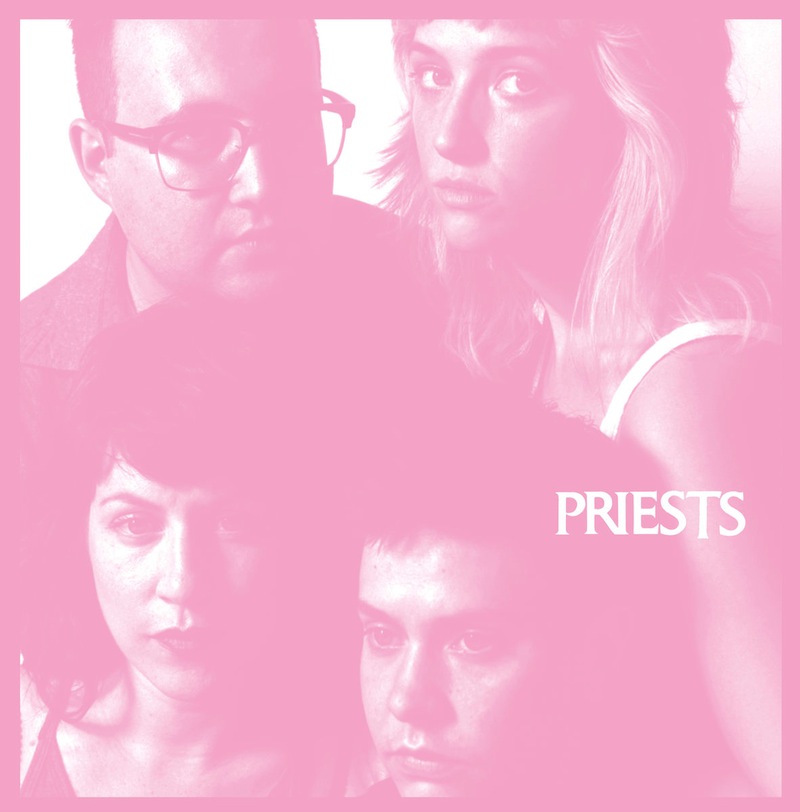
Priests – Nothing Feels Natural (2017)
Demand for protest music hit a new high in early 2017 for pretty obvious reasons. But the fast-tracking of corruption and ruin in the U.S. also never been a more appropriate moment for unfiltered, high-energy, get-yer-ya-yas out catharsis, the likes of which Washington, D.C., post-punks Priests delivered with effortless style and impossible cool throughout the entirety of debut album Nothing Feels Natural. It’s a dark, itchy, restless album, driven by taut grooves on “Nicki,” “Leila 20” and the menacingly tense “No Big Bang.” It’s danceably dreamy on “Suck.” It’s dreamily introspective on the title track, and even politically satirical on “Pink White House.” It’s also sometimes extremely silly (“My best friend says ‘I want to start a band called Burger King,’ and I say ‘do it—make your dreams a reality‘,” goes a lyric on “Puff”). Eternal vigilance can be exhausting—might as well have a little fun with it. -Jeff Terich
Listen/Buy: Bandcamp
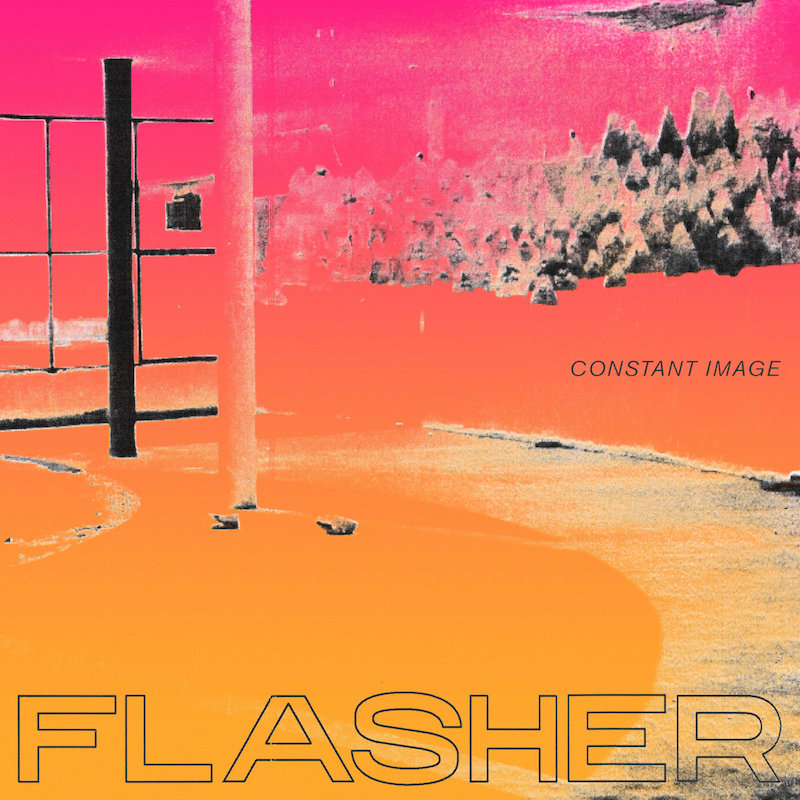
Flasher – Constant Image (2018)
Dischord in the streets, TeenBeat in the sheets, Washington, D.C., trio Flasher nodded to various District predecessors while showcasing their unique knack for pop hooks on their debut album Constant Image. Where moments like “Who’s Got Time?” and “Material” display a taut melodicism that verges on power pop, while holding a torch up to societal rot whether via the vapid social interactions under capitalism on “XYZ” or thin-blue paranoia on “Business Unusual” (“Once a man now a boy in blue/This whole world’s got it out for you”). There’s most certainly dancing at Flasher’s revolution—handclaps and harmonies, too, for that matter. – Jeff Terich
Listen/Buy: Bandcamp
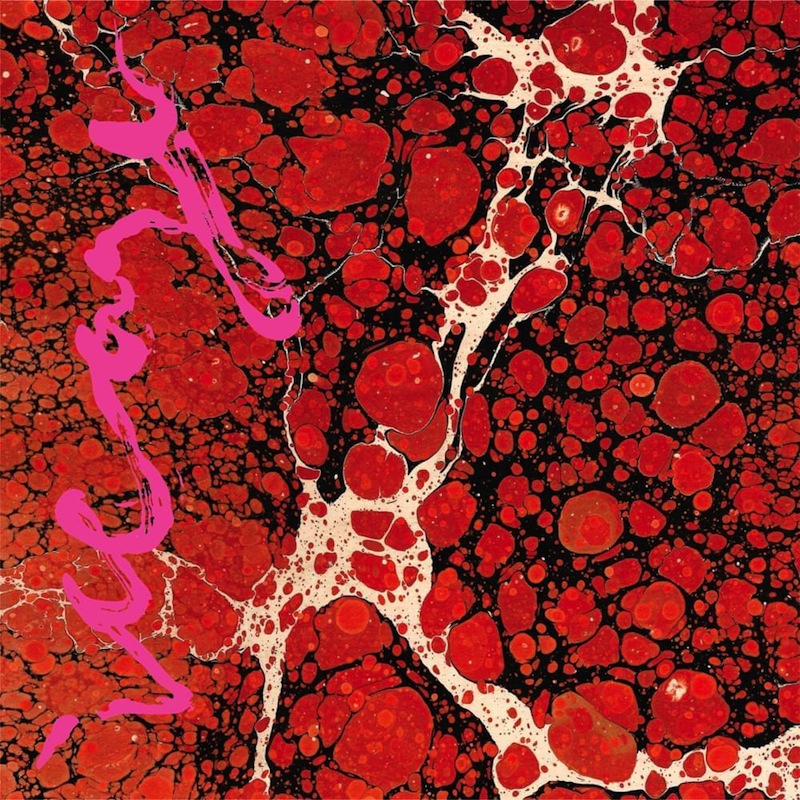
Iceage – Beyondless (2018)
The growth and evolution of Copenhagen’s Iceage from a force of explosive nihilism to a more nuanced, even surprisingly soulful group, has been both rewarding and surprising to see, with a newfound appreciation for the Rolling Stones providing the biggest plot twist of all on their best album, 2018’s Beyondless. While the band’s earlier strains of gothic rock still coursed through their system, they cut through the Bad Seeds-style punk blues with vibrant horn arrangements (“Pain Killer”), sexier swagger (“Catch It”), tin pan alley burlesque bridges (“Showtime”), and some good-old fashioned rock ‘n’ roll (“Hurrah,” everything else basically). The darkness still persists on Beyondless, but Iceage sufficiently lightened up to reveal more than one shade of gray. – Jeff Terich
Listen/Buy: Spotify

Kælan Mikla – Nótt eftir nótt (2018)
It’s a wonder that Iceland, a country with a history of innovative musical exports, isn’t ground zero for a contemporary crop of darkwave—after all, what’s more goth than 20 daily hours of winter darkness? Yet Icelandic trio Kælan Mikla (“Lady of the Cold”) more than deliver on that promise with their accessibly eerie swirl of slithery dancefloor groove and witchy atmosphere, each track on sophomore album Nótt eftir nótt merging pagan ritual aesthetics with irresistible BPMs, like on the stunning “Hvernig kemst ég upp?” (“How do I get up?”) or the EBM menace of “Andvaka” (“Sleepless”). That Robert Smith himself is a fan speaks volumes about the group’s bewitching update of goth pop. – Jeff Terich
Listen/Buy: Bandcamp
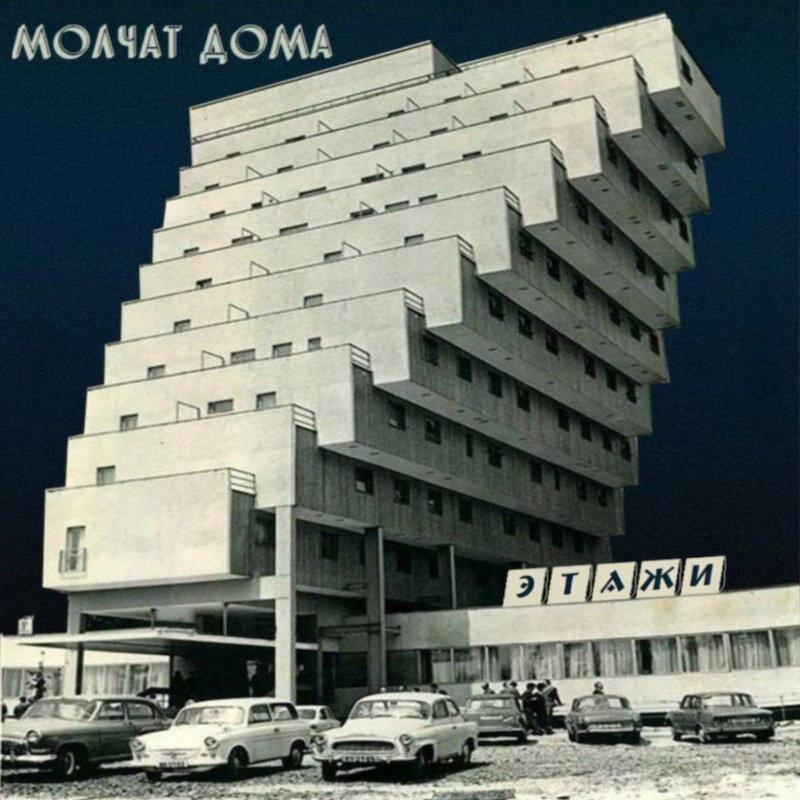
Molchat Doma – Этажи [Etazhi] (2018)
Putting Belarus on the pop-music map as much as they seem to want to leave it behind, this trio’s second album firmly establishes their beautifully cold version of darkwave. Songs like “Kommersanty” (Коммерсанты, “Businessmen”) and “Na Dne” (На дне, “At the Bottom”) embrace the brutalist production of European synthpop royalty like DAF, setting Egor Shkutko’s deadpan vocals against whooshing UFO noises and distantly beeping synth lines. These are then merged with the sparest garage rock plucks of Roman Komogortsev and Pavel Kozlov, somehow channeling both Joy Division and X. Etazhi (Этажи, “Floors”) feels like a time warp to the back half of the Cold War—when punk and post-punk appeared—as residents of Soviet states tried to embrace Western pop culture to foment some measure of rebellion. – Adam Blyweiss
Listen/Buy: Bandcamp | Turntable Lab (vinyl)
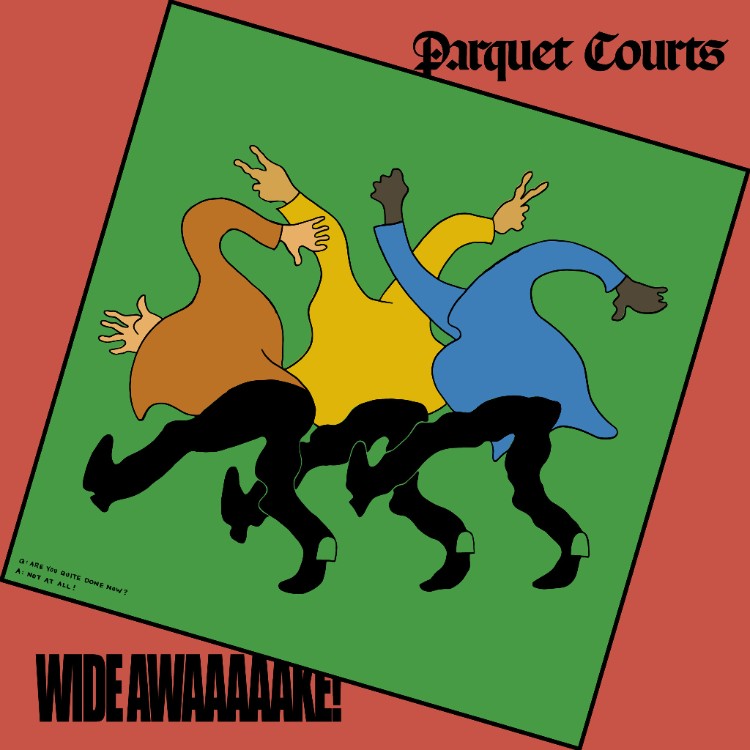
Parquet Courts – Wide Awake! (2018)
Parquet Courts flipped between interesting and exciting through the 2010s, finally becoming both by smoothing out their edges on Wide Awake!. By the time they recorded their sixth album in eight years, the New York group had honed their danceable indie-flavored post-punk into a science, tapping Danger Mouse of all people to liven it up. He polished Wide Awake! into the smoothest record of 2018, rejecting both big label shine and indie production roughage. Were Parquet Courts less charismatic, the gamble could’ve flattened them, but they delivered an optimistic, class conscious, Tom Brady-hating classic. – Colin Dempsey
Listen/Buy: Spotify | Rough Trade (vinyl)
Bambara – Stray (2020)
Compared to its predecessors, Bambara’s 2020 album Stray is decidedly more atmospheric and nuanced, cloaked in a Badalamenti-esque gauze amid its depictions of strange happening and small-town psychopaths. Yet the Brooklyn band wear those subtler shades well, whether making space for a streak of trumpet in “Miracle” or the dreamy balladry of “Sing Me to the Street.” Yet when the band set the riffs flying on “Serafina,” the low-simmering darkness turns to dangerous thrills, as Reid Bateh tells a nightmarish tale of a pyromaniac. In moments like these, Bambara take the seedy underbelly of Americana and lay it bare for all to see—and be horrified by. – Jeff Terich
Listen/Buy: Bandcamp

Ganser – Just Look At That Sky (2020)
At their most raw and aggressive, Chicago’s Ganser veer on the edge of noise rock, like on “Lucky,” the leadoff track on Just Look At That Sky, wherein harsh guitar riffs collide up against Nadia Garofalo’s somewhat threatening refrain of “Drink up sonny!” Yet Ganser never entirely cross that line, maintaining a nimble balance between sinewy groove and snarling abrasion on their sophomore album with two contrasting vocalists—Garofalo and Alicia Gaines—helming each approach, respectively. Suffice it to say Just Look At That Sky is loaded with rippers, but they’re often at their best when layering a mesmerizing array of textures, as on “Emergency Equipment and Exits,” or closing out on a triumphant high with the horn-laden “Bags for Life.” – Jeff Terich
Listen/Buy: Bandcamp

P.E. – Person (2020)
The P stands for Pill, the E for Eaters—the two bands whose members came to form this ad hoc improvisational group when the full lineups of both bands weren’t available to play a show. It just so happened that the former’s no wave and the latter’s electronic-industrial sound merged brilliantly, maximizing their minimalism and making their abrasion ecstatic. Stripping away the barbed-wire guitars and foregrounding the saxophone, on Person, P.E.’s inspiration board primarily comprises vintage minimal wave like The Normal (“Top Ticket”) or Young Marble Giants (“Soft Dance”), with snippets of studio tomfoolery stitched in between. But given the opportunity, as on “Pink Shiver,” they can spin a dance party from just a few basic elements, making less feel so impossibly abundant. -Jeff Terich
Listen/Buy: Bandcamp
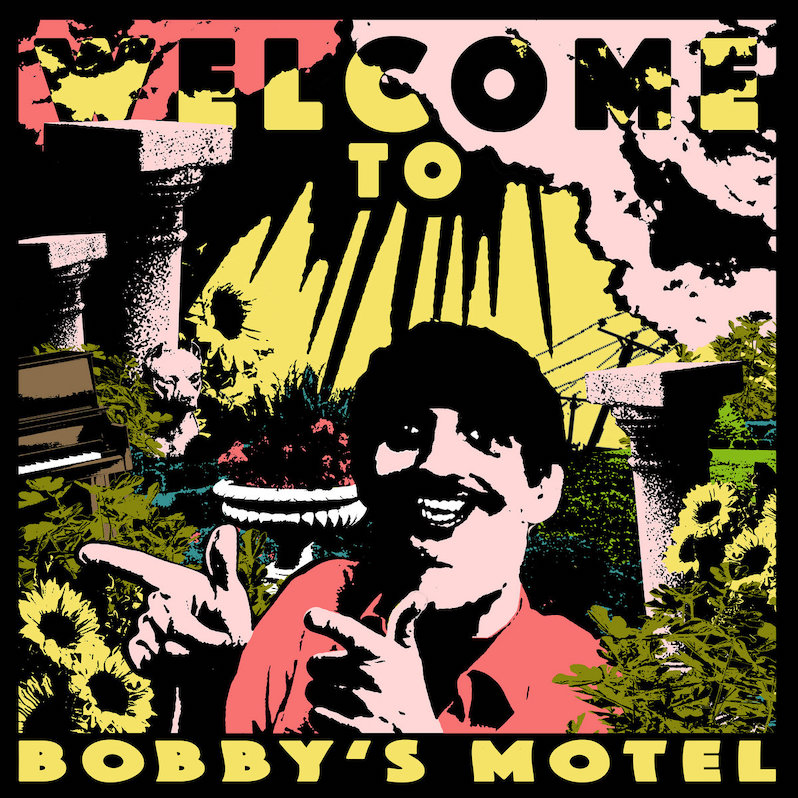
Pottery – Welcome to Bobby’s Motel (2020)
Post-punk after 2000 is primarily stern-faced even when it draws from Talking Heads. It wasn’t until arguably the worst time of the century, globally speaking, that the genre would get a goofy shot in the arm with Welcome to Bobby’s Motel. It plays like a vacation to The Island of the Lotus-Eaters; stakes are low, grooves are infectious, and what’s there to be anxious about? Pottery dumbed down the Heads’ pool of influences while retaining their glee, reframing social isolation as an excuse to dance unencumbered. They knew there was a pandemic going on, but all they cared about was hearing those funky drums. – Colin Dempsey
Listen/Buy: Bandcamp
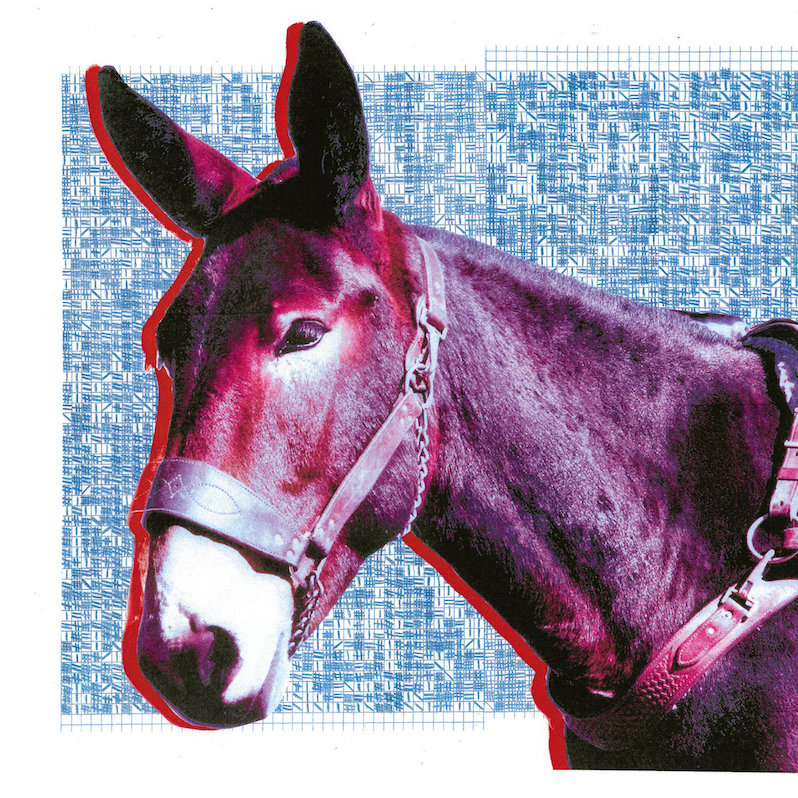
Protomartyr – Ultimate Success Today (2020)
On Ultimate Success Today, Protomartyr delivered their finest synthesis of instrumentation, vocals, lyrics, and melody. Greg Ahee’s punchy riffing on “Processed by the Boys” lingers long in the memory, as does the song’s darkly comic music video. His guitar melds well with Jemeel Moondoc’s and Izaak Mills’ brass throughout the album, while Joe Casey’s voice on songs like “The Aphorist,” “June 21,” and “Worm in Heaven” has a plaintive, wistful tone to it that is simultaneously affecting and disquieting. Having been released in July 2020, this set of summery-sounding, illness-themed songs remains heavily evocative of lockdown. – Greg Hyde
Listen/Buy: Bandcamp | Amazon (vinyl)
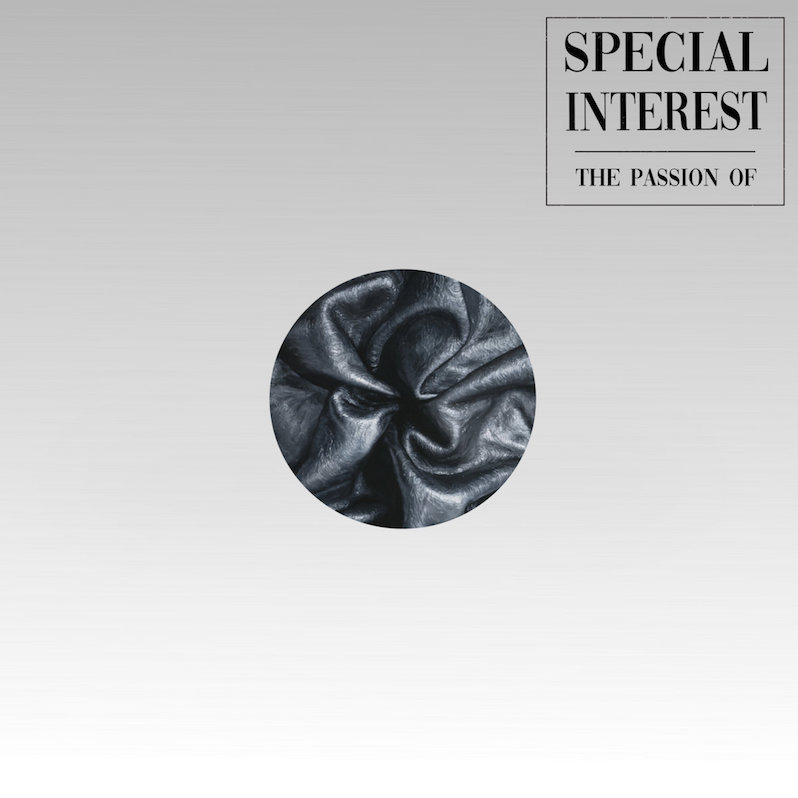
Special Interest – The Passion Of (2020)
I’m not sure there’s a song on this entire list that’s as much of a furiously intense white-knuckle ride as “Disco III,” the first song on Special Interest’s The Passion Of. With a drum-machine kick on overdrive and a doomy bassline that echoes Bauhaus’ “Dark Entries,” its two minutes head directly toward certain disaster at unsafe speeds, singer Ali Logout alternately chanting “Sodomy and LSD” and asking, “You think if I take some ecstasy I can drive the car?” The whole of The Passion Of is just as intense and chaotic, but the New Orleans synth-punk group find more nuance in their Chrome and Suicide-informed industrial thump through moments like the anthemic “Street Pulse Beat” and intoxicating “All Tomorrow’s Carry.” In the eye of the whirlwind are more intimate expressions of queer desire and even more aggressive bricks through the facade of capitalism, but through the blood, sweat and the comedown, Special Interest provide one hell of a collision. -Jeff Terich
Listen/Buy: Bandcamp
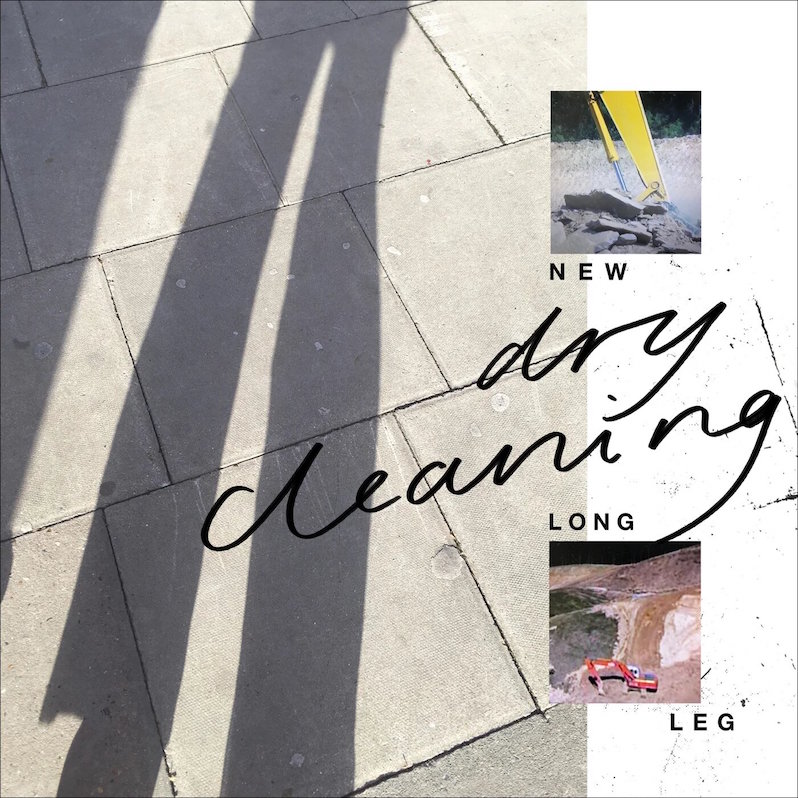
Dry Cleaning – New Long Leg (2021)
Three friends and musicians working on various projects decided to form a band during a karaoke night. A visual artist and drawing lecturer incorporated some writing to accompany the buzzsaw musical activity. Collectively, guitarist Tom Dowse, drummer Nick Buxton, bassist Lewis Maynard, and vocalist Florence Shaw just clicked. That cumulative nervy, edgy rhythmic-assault-meets-frigid-cold-narrator-type fusion propelled this UK band to unforeseen heights during lockdown. 2021’s New Long Leg, with introvert Sofia Coppola-type energy—”I’ve been thinking of eating that hotdog for hours“—connected with us all who held these “things” in our heads while maneuvering through dizzying times. Despite Shaw’s well-deserved acclaim for these nonsensical and deeply obtuse verbal ramblings, it’s the agitated, brash, and audacious rhythm section driving this force, propelling this lockstep band ever further into the mainstream. Nerds win. – John-Paul Shiver
Listen/Buy: Bandcamp | Turntable Lab (vinyl)
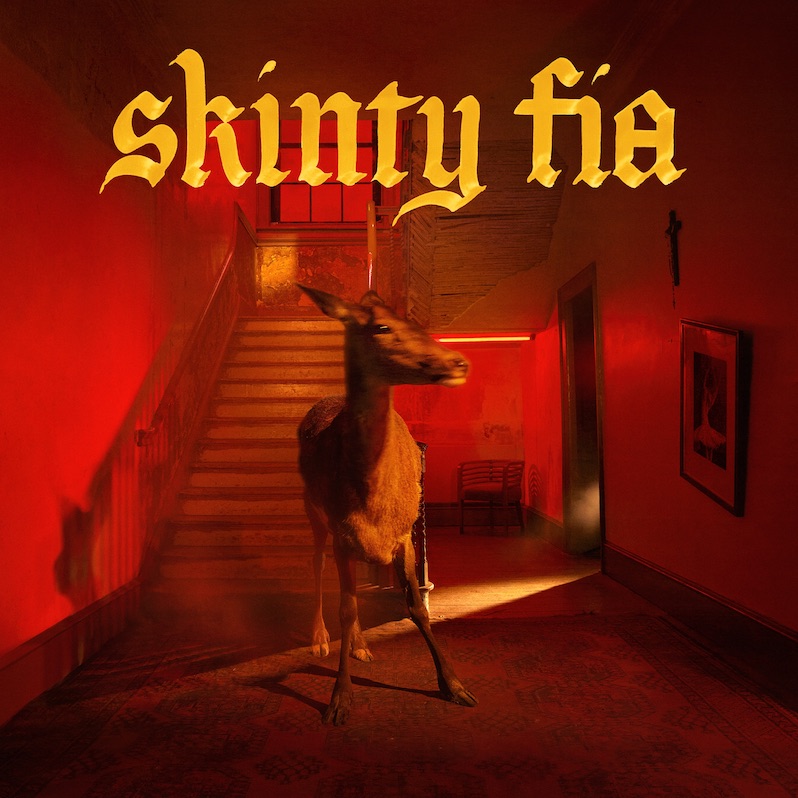
Fontaines D.C. – Skinty Fia (2022)
Fontaines D.C. frontman Grian Chatten confidently proclaimed “I’m gonna be big!” back in 2019 and by 2024, he and his bandmates saw that prophecy fulfilled, with a 2022 detour through some of their most abrasive and funereal material. Shedding the ecstatic rock of their debut and casting the sleeker post-punk of 2020’s A Hero’s Death in black velvet and a tangle of thorns, the Dublin group explored the complications of national identity through haunted harmonies and menacing grooves. Skinty Fia is sometimes scathing, as on the climactic condemnation of “I Love You,” and sometimes heartbreakingly tender, like when they scale everything back for the tender ballad “The Couple Across the Way.” But even as it creeps through shadows and retreats into private moments, Skinty Fia leaves an outsize impact. – Jeff Terich
Listen/Buy: Bandcamp | Turntable Lab (vinyl)
Yard Act – The Overload (2022)
The Overload is an album that has an awful lot to say about the state of Britain’s economy, culture, social mores, and general direction of travel away from a past marked by illusions of greatness to a present so dominated by grey, seedy malaise that such pretenses are no longer even worth humoring. The sheer wit and character with which these ideas are articulated is impressive enough, but the fact it’s done without ever feeling like a lecture elevates this record to a level all its own. As vocalist James Smith layers his weary, post-modern rants over a series of exceedingly danceable bass-driven bangers, being a part of Great Britain’s managed decline has never felt so enjoyable. – Ed Brown
Listen/Buy: Spotify | Amazon (vinyl)
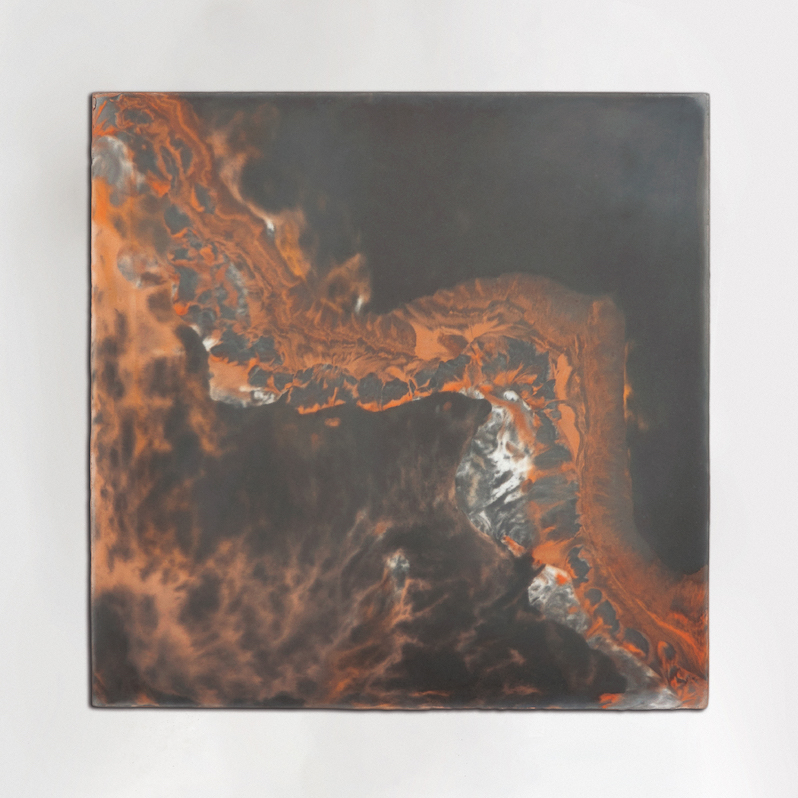
High Vis – Blending (2022)
The title of High Vis’ sophomore album comes from Liverpool slang for being fashionable or stylish (“Ah, lad, you’re blending,” as vocalist Graham Sayle demonstrated for me). Blending is also what they do better than most, their uniquely hook-driven post-punk sound reflective of their hardcore backgrounds, shimmering with Manchester jangle and subtle shades of shoegaze and psychedelia. But even in the album’s rawest and roughest moments, like the driving “0151” and the rowdy punk rock of “Out Cold,” Sayle’s alternately crooning and shouting delivery arrives with a surplus of empathy and human warmth—a reminder that community and camaraderie is necessary for making it through this broken world. – Jeff Terich
Listen/Buy: Bandcamp | Rough Trade (vinyl)
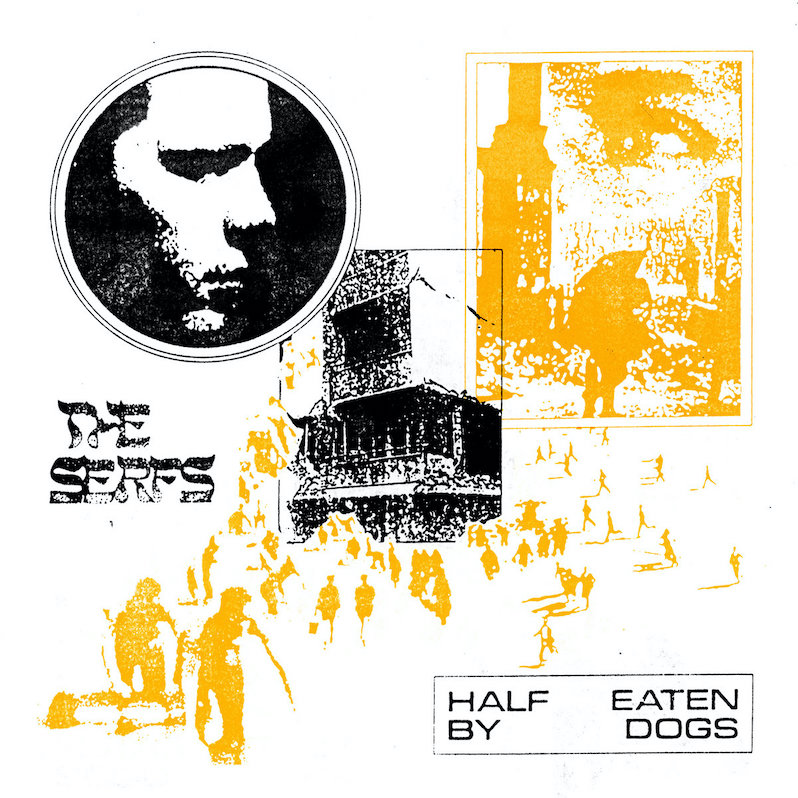
The Serfs – Half Eaten By Dogs (2023)
The three members of The Serfs—Dylan McCartney, Dakota Carlyle and Andie Lumen—play together in a number of different bands, including lo-fi dub-punk act The Drin and goth-rock rippers Crime of Passing. The Serfs are their home base, however, a versatile post-punk band that pairs lo-fi Factory Records pulses with revved-up post-punk raveups, all of which can be found on their third album Half Eaten By Dogs. That being said, it leans heavily toward the weirder side of disco, be it on the intoxicating “Club Deuce” or the off-kilter and charged-up “Electric Like an Eel.” But between the Hacienda beats and samplers gone wild, the group still finds time for a sleek, hard-driving groove on “The Dice Man Will Become,” showing their punk roots even when the glamour of the dancefloor is too seductive to pass up. -Jeff Terich
Listen/Buy: Bandcamp | Rough Trade (vinyl)
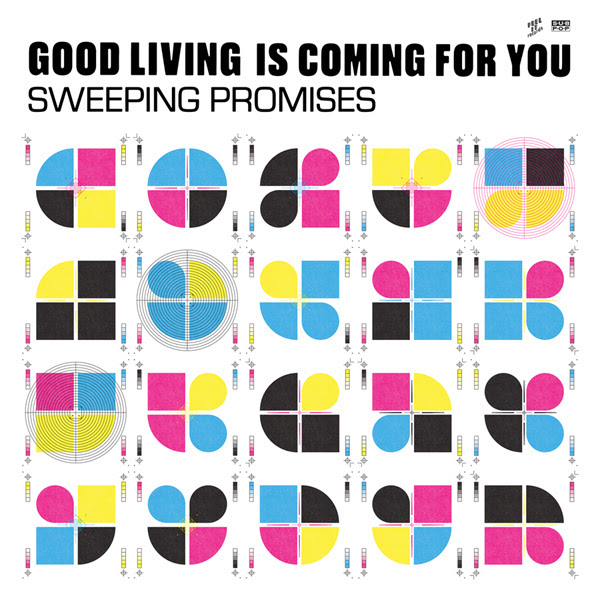
Sweeping Promises – Good Living Is Coming For You (2023)
This duo from Kansas, comprising Lira Mondal and Caufield Schnug, is absolutely feeling all the right influences at the right times. Sweeping Promises smoothed Devo’s repetitive drive, White Stripes’ minimalism, and that Athens, Georgia, movement vibe from the ’80s into sweet-flowing, motoring, catchy-as-fuck hooks that burn nerdy so good on their two full-length albums they’ve released thus far, particularly on their stellar 2023 album Good Living Is Coming For You. These folks’ unique and insular songsmithing is in direct conversation with bands like Dry Cleaning from the UK and Fake Fruit of Oakland. – John-Paul Shiver
Listen/Buy: Bandcamp
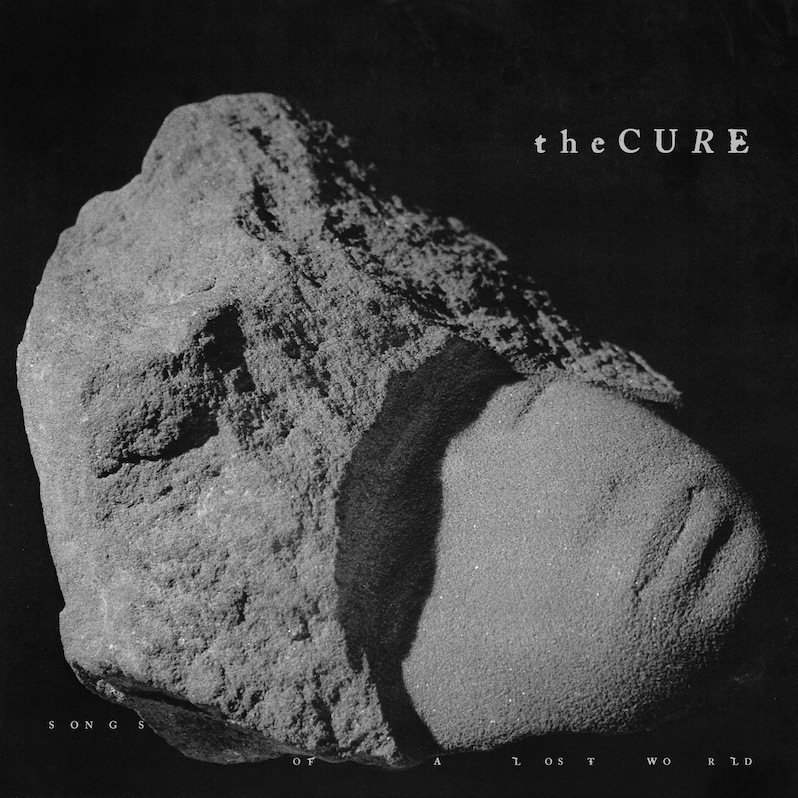
The Cure – Songs of a Lost World (2024)
The longest tenured band on this list—essentially tied with Wire—The Cure are a band so influential that no fewer than half of the albums on this list owe a debt to Robert Smith and company on some level. And that’s a conservative estimate. But while Bloodflowers held its title as the band’s last great goth essential for two decades and change, the long-promised Songs of a Lost World materialized with the band’s best material since—I’m gonna say at least Wish. Informed by age, grief, and the kind of deep well of mourning that only comes with the passage of time, Songs of a Lost World recaptured a poignancy in Robert Smith’s songwriting while the songs themselves—from the gothic beauty of “Alone” to the abrasive immediacy of “Warsong” to the epic grandeur of “Endsong”—hone in on both the delicate swirls of psychedelia and signature darkness that have long made The Cure such an enduring band—in any genre. – Jeff Terich
Listen/Buy: Spotify | Amazon (vinyl)

Fake Fruit – Mucho Mistrust (2024)
Fake Fruit’s self-titled debut album sent shock waves and concussions throughout their Bay Area home turf. A set in December of 2021 at the Balboa Theatre in SF saw waves of young folks reciting Hannah D’Amato’s clever, sharp-witted prose while jump-leaping to their lodestar anthem of sorts, “No Mutuals.” Their ensuing follow-up album, Mucho Mistrust, was packed with rippers and runners such as the unruly, pitched-up, clap-back thumper “Más O Menos.” Creating their own unique space between the likes of Parquet Courts and Pretenders, this band commits to an ecstatic and, at times, rebellious post-punk vitality. That can turn up bacchanalian loud or decelerate into heavenly, dreamlike textures that just dissipate. Fake Fruit’s Hannah D’Amato, aka HAM, wields that “take no shit” quick-lyric golden pen game, propelling her band into big-time status. – John Paul Shiver
Listen/Buy: Bandcamp | Rough Trade (vinyl)
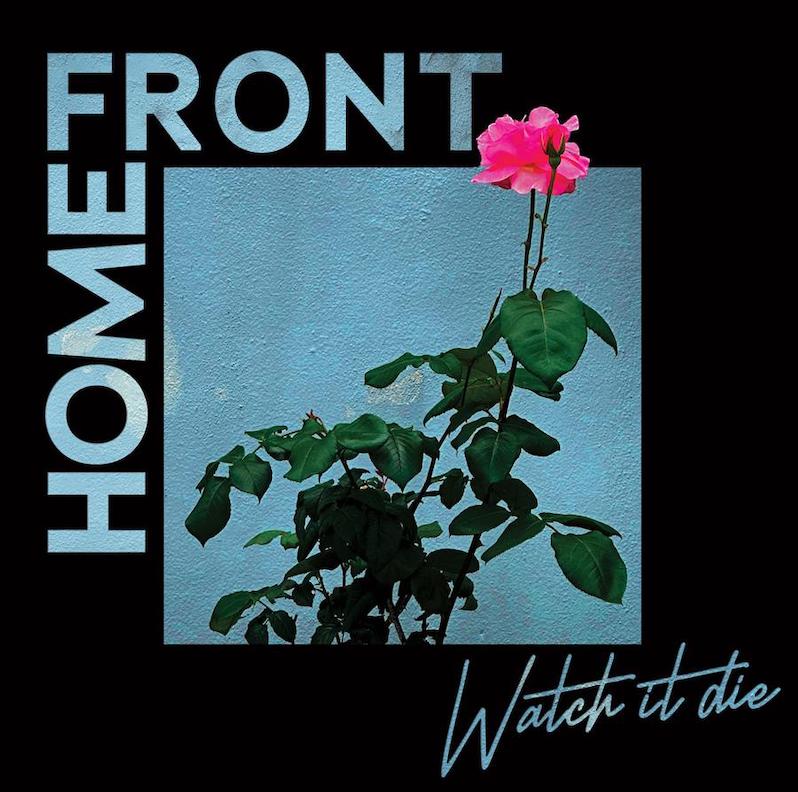
Home Front – Watch It Die (2025)
Edmonton’s Home Front recorded their debut during lockdown, before the group had a chance to hone the onstage presence that would quickly make them one of the most thrilling live acts in recent years. But it’s baked into the sound of the band’s sophomore album Watch It Die, a unique hybrid of hardcore and new wave that finds a throughline between seemingly every great underground 7-inch released in 1982. They’re at times Ministry heavy (“New Madness”) and OMD dreamy (“The Vanishing”), but at their best when finding a big-hearted middle ground between the two, like on “Light Sleeper,” wherein the most subversive message is one of looking out for each other: “We’re born alone/We die alone/Don’t ever think you have to/Live alone.” – Jeff Terich
Listen/Buy: Bandcamp | Amazon (vinyl)
Treble is supported by its patrons. Become a member of our Patreon, get access to subscriber benefits, and help an independent media outlet continue delivering articles like these.

Beastmilk – climax
Exactly.
If this list could expand to non english speaking bands, it might definetely include 1000 Robota’s álbum UFO. Post punk masterpiece in german.
2 essential ones:
Beastmilk – Climax
Ascetic: – Self Initiation
You forgot to add the greatest post-punk album of the 21st century, Women’s “Public Strain”. A modern classic.
Soft Kill – An Open Door
Ritual Howls – Into The Water
Iceage would be number one in my book but the Beastmilk album deserves a mention. I’d also throw in The Soft Moon’s debut while we’re at it.
I find your lack of the strokes disappointing.
https://tidal.com/browse/playlist/df887145-2741-4a68-ac03-420bd108f252
I am intrigued by this list. 90,% I have never heard of. 1. I must -and will do my research. 2. Is that because they really weren’t that good and it is a list created by an obsessive with an obsession? Thanks for reminding me to get my Killing Joke vinyl out though.
Just because we’re obsessive doesn’t mean the albums aren’t good!
Great list! I love two thirds of these albums and am looking forward to getting familiar with the other third that I don’t already know.
That said, I think you could’ve made room for FACS’s Still Life in Decay, Gilla Band’s Most Normal, Shame’s Drunk Tank Pink, Total Control’s Typical System, Squid’s Bright Green Field, Porridge Radio’s Every Bad, Diat’s Positive Disintegration, Pile’s Dripping (or any Pile, really), Wet Leg’s debut, or Les Savy Fav’s Let’s Stay Friends.
I also admit that I may not understand the difference between punk, post-punk, goth, and rock music anymore.
Great job!
Total Control is on the list, but thanks!
Pretty sad not to see Ought – More than Any Other Day, the opening 5 tracks are all fantastic.
Great to see Home Front at the end though !