


Back in 2019 as the 2010s were coming to a close, we put together a list of the 50 best hip-hop albums of the 21st century. But so much has happened in the past seven years in rap that we realized we had to not only expand the list but double its size, retaining most of our original blurbs (including on Kanye—sigh…) while adding albums that were released in the seven years since the list was originally published, plus covering other blind spots from the first time around. And much like we did with our indie rock list covering a similar span of time, we unranked it, put the albums in chronological order and rewrote the headline. Are these the best hip-hop albums of the 21st century? You could definitely make that argument, and I suppose we are, but most importantly, they’re our favorites—the ones we ride for, some of them underrated, some of them unappreciated in their time, and some we feel will have a lasting influence even though they’re still fresh. So let’s dive in—enjoy our 21st century rap list redux.
***
Note: When you buy something through our affiliate links, Treble receives a commission. All albums included are chosen by our editors and contributors.
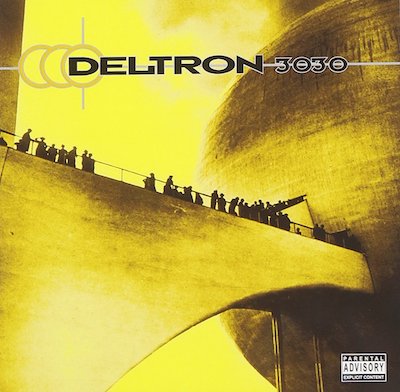
Deltron 3030 – Deltron 3030 (2000)
The cyberpunk dystopia that Del the Funky Homosapien, Dan the Automator and Kid Koala laid out on their debut collaboration doesn’t seem that far off from the absurdist nightmare that currently surrounds us. But then again, 2000 seemed like ages ago, and “hanging chads” weren’t yet part of our vernacular. Which is perhaps what makes this sci-fi future-rap vision so compelling, and the sound of it even more so. As Del narrates an Orwellian satire through witty wordplay and sometimes bleak visions, Dan the Automator crafts cinematic soundscapes to score his robot uprising. It’s future surrealism that was designed to be polished chrome but feels evergreen. – Jeff Terich
Listen/Buy: Spotify
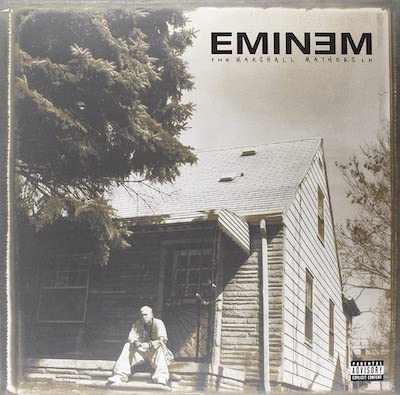
Eminem – The Marshall Mathers LP (2000)
Recent records may have stained his reputation in the eyes of many, but it’s important to remember Eminem historically. The Slim Shady EP and following Slim Shady LP placed him on the map as a young protege of Dr. Dre spinning elaborate, elastic and highly narrative tales, blending both the humor and wordplay of someone like Method Man at his peak with the dense horrorcore of his native Detroit. On Marshall Mathers, everything was intensified; his proto-emo rap narratives of childhood in neglect and abuse, the heart-baring introspection of tracks like “The Way I Am” and, of course, the big pop-rap crossovers like “The Real Slim Shady,” which only further worked to cement his place in the broader pop canon. But it is the track “Kim” that demonstrates Eminem at peak power, both for best and for worst. It is a highly disturbing track tracing a horrific tale of domestic violence, its narrative conveyed by Eminem as master storyteller in horror-through-hip-hop. It is both Eminem at his most grandiloquent and technically gifted, provoking a one-man theater of real-life tales of horror, as well as everything Eminem has ever been accused of. It is counterbalanced earlier in the album by “Stan,” another all-time great narrative rap track, this time specifically undercutting a fan interpreting the overarching horror narrative of Marshall killing Kim which had played at that point across multiple songs and albums as an overarching endorsement of violence instead of what Eminem always sought to do: dark, violent horror storytelling through rap. – Langdon Hickman
Listen/Buy: Spotify | Amazon (vinyl)
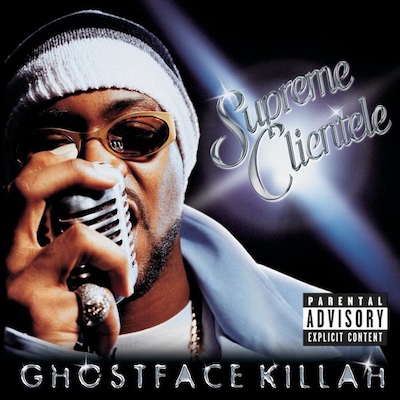
Ghostface Killah – Supreme Clientele (2000)
Just listen to the opening of “Nutmeg.” The horns blow back the hair of metalheads and valley girls alike. The drums drip with diamonds, if diamonds could drip. And the bass coils like a snake with a mouse in its stomach: smooth but a little awkward, heavier than usual, and confident as hell. All that happens before Ghostface has even said a word. When the beat locks in, leaving Dennis Cole the empty space required to remind us of his G.O.A.T. status, it’s pure focus. There is nothing else for the 64 minutes of Supreme Clientele, a record who lives to be gaudy. It’s the only thing.
There is an elaborate backstory to this record, involving diabetes, a trip to Africa, and various Kung Fu movies. At one point, maybe that mattered. Now, Supreme Clientele exists by itself — a stone cold classic that Ghostface knew was a 10 even as he was recording it. It’s one of those inexplicable records where the hits keep coming, one after another. The first listen of Supreme Clientele is like brainwashing; suddenly, nothing exists before this, and you can’t imagine that anything else needs to afterward. – Ben Cohn
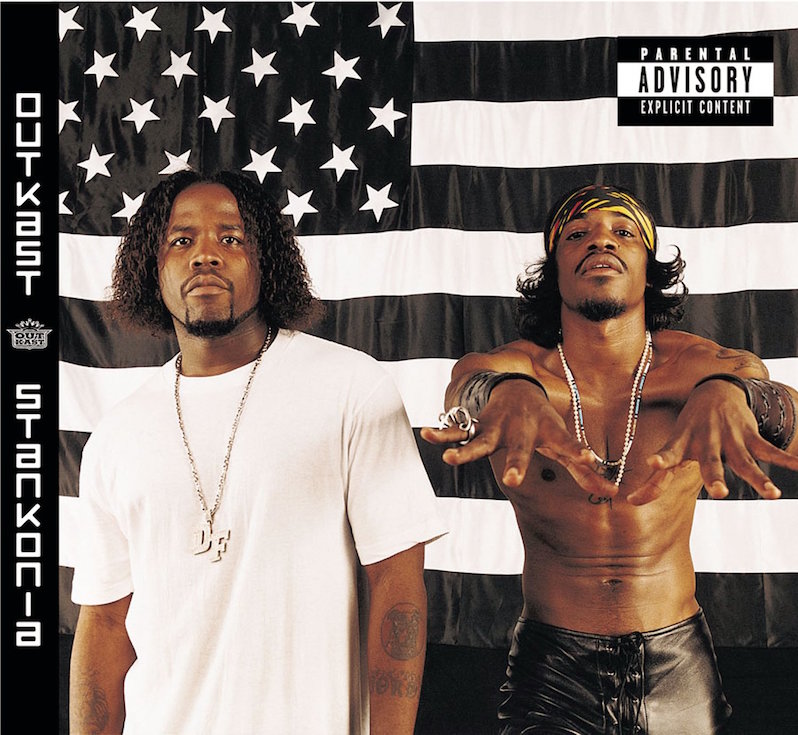
Outkast – Stankonia (2000)
How can you accurately summarize the sheer goddamned weight of this record? To avoid getting tripped up in mental tangents I’ll stick to the criteria of this list—its place in hip-hop history. Southern styles were making inroads in the broader genre consciousness in the late ’90s/early 2000s, as L.A. struggled with an identity crisis and New York fell under the rule of Jay-Z. Prior OutKast records like Aquemini helped, as did the emergence of Missy Elliott, Timbaland, Ludacris and others. Stankonia, though, had the immediacy and intensity of, well, a bomb landing on Baghdad. There’s a reason why so much rap music from the past 15-plus years sounds to some extent like early-2000s trap.
The music on Stankonia, of course, is what ultimately matters most (although you could go all day talking about the sociocultural and -political significance of this album). Produced largely by Big Boi, Andre 3000 and Atlanta rap stalwart Mr. DJ as the collective Earthtone III, it’s a rich tapestry of funk, soul, trap, blues and rock ‘n’ roll, most of it live instrumentation by local session players. (There are exactly three samples on Stankonia.) The sound is labyrinthine enough to get lost in for days but accessible and hook-laden enough to attract a mass audience.
Right off the bat there’s the glorious Funkadelic/Muscle Shoals hybrid of “Gasoline Dreams” with its sardonic Andre 3000 refrain: “Don’t everybody like the smell of gasoline?/Well burn motherfucker, burn American dreams!” Then there are the big hits like “So Fresh, So Clean” and “Ms. Jackson,” neither of which sacrificed Andre or Big Boi’s identity to become chart-toppers, and the uncompromising “B.O.B.,” which is one of the greatest songs ever made by anyone, anywhere, ever. But Stankonia is also positively lousy with deep cuts: the Stax Records soul-inflected panoramic view of Atlanta project life on “Spaghetti Junction,” a skewering of male sexual selfishness (“I’ll Call B4 I Come”), the tragic story of suicide in “Toilet Tisha,” the Black Power defiance of “Humble Mumble”…I could go on. You probably know this album at least in passing if you’re reading this, but it contains multitudes. Consider delving back into the place from which all funky things come. – Laura D. Flowers
Listen/Buy: Spotify | Turntable Lab (vinyl)
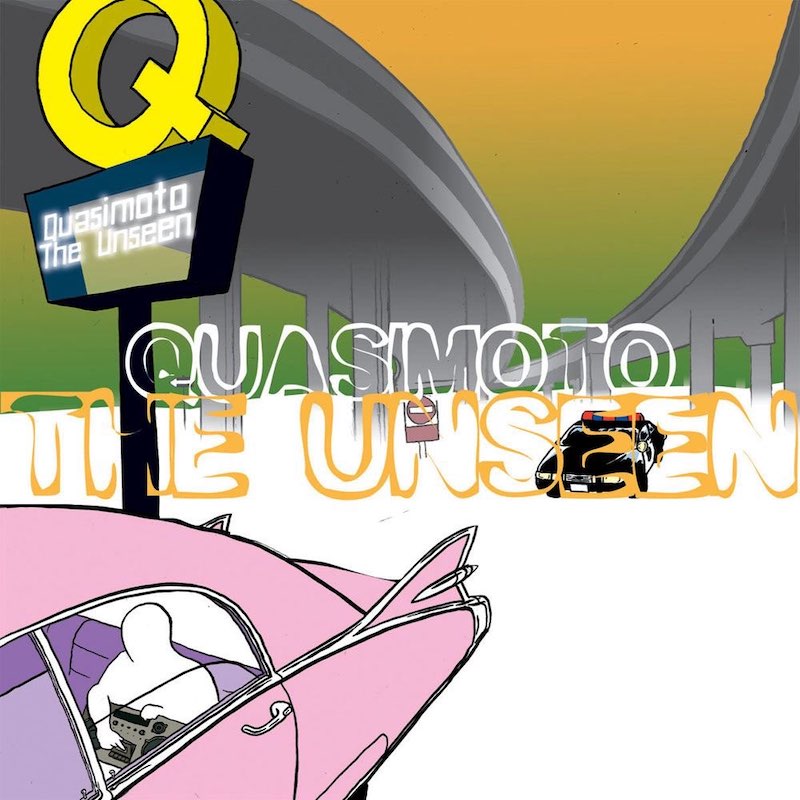
Quasimoto – The Unseen (2000)
Quasimoto’s The Unseen is stoner boom bap at its apex. Using sped up vocals, sounding like a helium-induced vocoder, Madlib utilizes his rap alter ego as an outlet to display his MC repertoire. Over spliff-fueled breaks he celebrates his penchant for loop digging, stays sucka duckin’, ridicules wack hip-hop and even runs through a litany of jazz greats he’s been inspired by. A psychedelic head trip informed via bomb weed and dusty vinyl. Indeed, true school alchemy. Beats, rhymes and life filtered through the mind of a creative visionary blunted on reality. – J. Smith
Listen/Buy: Bandcamp
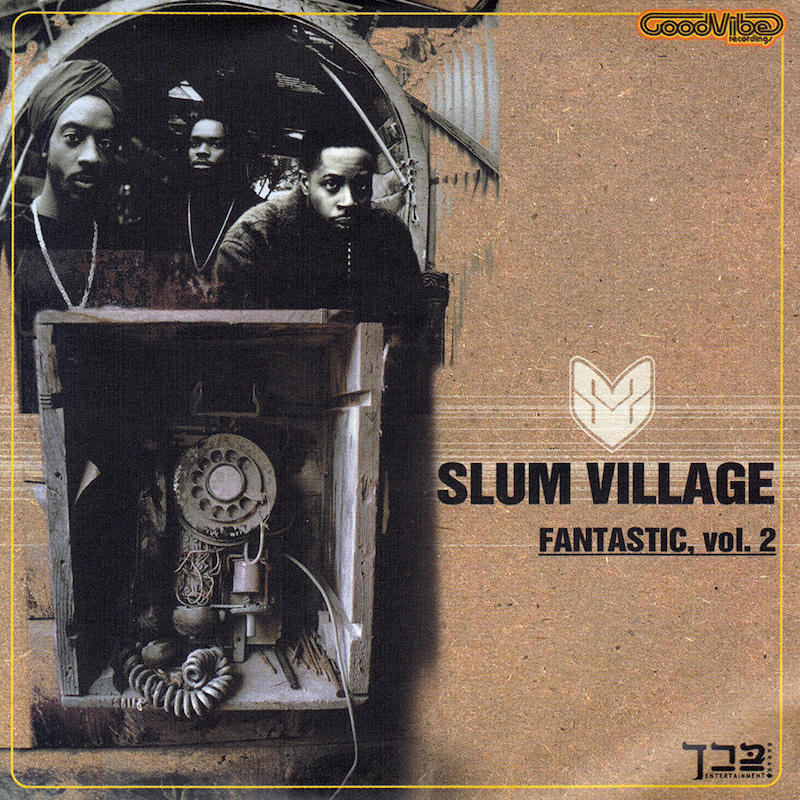
Slum Village – Fantastic Vol 2 (2000)
Fantastic Vol 2 is a master class in efficiency. As he was reinventing swing, Detroit’s native son, Jay Dee (he’d yet to rebrand as J Dilla) was also a member of Slum Village, a trio featuring T3 and Baatin, with the horn-ball energy of college sophomores—who were not only good at what they were doing but who also sound like they were having fun doing it. Indeed, there are stacked rhyme schemes, cheeky interludes and libidos set to overdrive. Still, whether talking ‘bout “the art of sex” or herbing suckas to a pitched “players” clip, it all feels effortless. Made from rapport and exceptional musical know how, this is sophisticated minimalism, raw knock and vibe. – J. Smith
Listen/Buy: Spotify | Turntable Lab (vinyl)
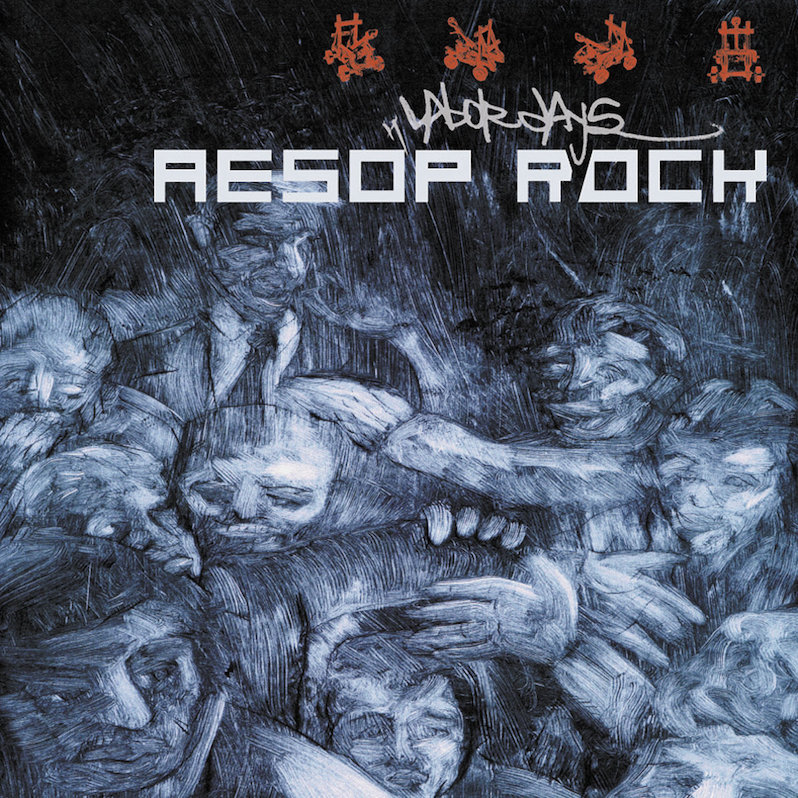
Aesop Rock – Labor Days (2001)
Certain albums are just cornerstones of their genres or subgenres. Aesop Rock’s 2001 album Labor Days is an indisputable pillar of alternative hip-hop. Speaking from personal experience, it’s the kind of record that, if discovered early enough in life, can change the course of your music taste. Hearing the verbose, rapid-fire rhymes Aesop comes up with on these 14 tracks can crack open your understanding of hip-hop and its parameters. I’ll be honest, I’ve never really got to grips with the meaning of what Aesop is actually saying on Labor Days. However, boosted by the layered, often eerie production, you can just feel plenty of his dense rhymes’ meanings. This might be a mild stretch, but Labor Days came out a week after 9/11, and there’s something spookily prescient about the New York native’s anxious, skittish mood on this sensational record. – Tom Morgan
Read More: A Beginner’s Guide to Aesop Rock
Listen/Buy: Bandcamp | Rough Trade (vinyl)
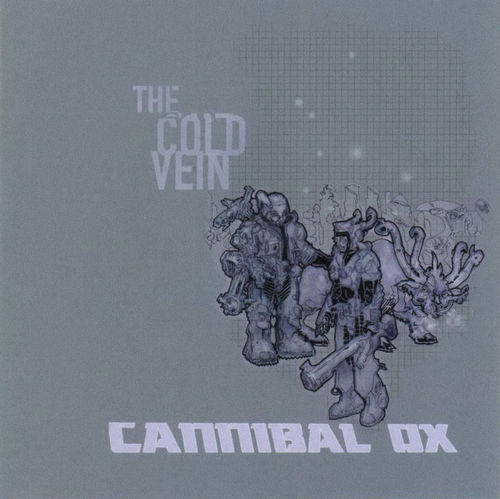
Cannibal Ox – The Cold Vein (2001)
The ’90s was a renaissance for gripes about how sanitized and culture-free New York became once Giuliani took office. But you wouldn’t know it to hear Cannibal Ox’s 2001 debut. Awash in the murky El-P production that earned him every “dystopian” description lobbed his way, The Cold Vein is chilling and chilly, a depiction of New York City that sounded more dangerous than any hip-hop record since The Infamous. But it’s a surreal and ambiguous kind of danger, more Blade Runner than Taxi Driver, with one-liners that feel like a splash of ice water to the dome: “Those who have more than them, prepare to be vic-tems.” It’s the kind of rap album you listen to for how it sounds, with the unfortunate truth being that they’ll probably never make a record that sounds like this again. But maybe lightning doesn’t need to strike twice when the landscape’s already been scorched. – Jeff Terich
Listen/Buy: Bandcamp
cLOUDDEAD – cLOUDDEAD (2001)
For all of rap music’s street corner hubris, hard body posturing and dope dealer bravado there’s also, always, been space for the misfits. Those renegade spirits, pushing against status quo, operating on the margins—demonstrating every inch of what the genre is capable of. When the new millennium hit, that radical ethos ushered in a wave of left field artists bent on deconstructing the entire canon. Antipop Consortium ditched conventional sampling for an electronic approach. Aesop Rock turned SAT vocab into polysyllable head nodders, just as postmodern upstarts cLOUDDEAD (Doseone, Why?, Odd Nosdam) were tossing aside rap’s traditional “beats and rhymes” play book for an ambient exhibition of absurdist virtuosity. Via their self titled debut they explore an ecosystem made of vapor, where verses play backwards, social security numbers masquerade as poems, recorded phone calls hover over drum rolls and songs meander for minutes at a time. It’s an hour’s worth of atmospheric haze and long winded verbiage. Dadaism set to samplers—adding to a legacy of anti orthodoxy, musical outliers at their most surreal, daring and original. – J. Smith
Listen/Buy: Bandcamp | Rough Trade (vinyl)
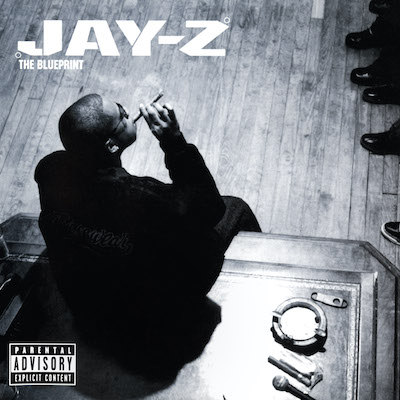
Jay-Z – The Blueprint (2001)
The Library of Congress, America’s flagship archive and the world’s largest library, houses an original draft of the Declaration of Independence, original letters written by Mark Twain, Martin Luther King Jr. as well as seminal works of literature. The library’s prerogative is to be a microcosm of America, meant to help America teach itself about itself. In other words, a work being included in the LoC’s archives is a symbolic ordainment that posits that your work is an aggregate echo of the people. As of March 2019, Jay-Z’s The Blueprint has been included in the archive.
Jay-Z’s past efforts had always been a showcase of rap’s pantheon of producers but perhaps what makes The Blueprint stand out is the seemingly telepathic link between Jay-Z and the album’s producers, specifically Kanye West and Just Blaze, arguably the two most pivotal architects in the creation of the 2000s’ hip-hop sound. For the latter, “Girls, Girls, Girls” and “U Don’t Know” were productions that fused the sample heavy soundscapes from early ‘90s rap with a pop-friendly ethos. Kanye West’s creations, like the infinitely charismatic “Izzo,” would also propel the once-shy producer towards his own legend. The Blueprint was also the most introspective of Jay-Z’s albums up until this point. Even the drab “Renegade,” a meditation on the complications of social mobility, hears an intimate and tired Jay-Z allow himself to be upstaged by Eminem’s nimble technical theatrics.
Purist rap zealots will inevitably argue that Reasonable Doubt is Jay-Z’s opus but The Blueprint is the project that made Jay-Z an inseparable part of his art. Like Andy Warhol’s soup cans, the lyrical dexterity and soul-centric production propelled Shawn Carter into a societal luminary. – Paul Glanting
Listen/Buy: Spotify | Amazon (vinyl)
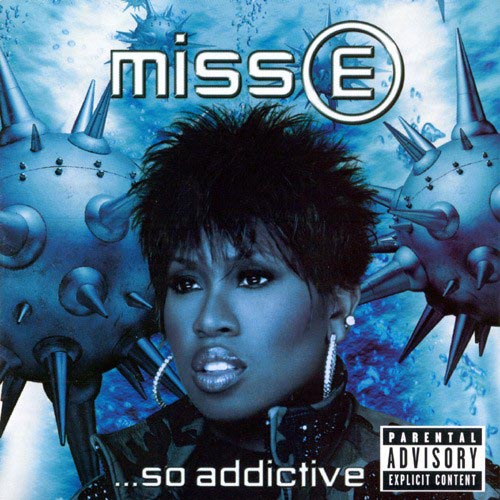
Missy Elliott – Miss E…So Addictive (2001)
That “Take Away/4 My People” double video may have been slightly on the nose but hey, that kind of comes with the territory and given then events it deals with you can’t really hold it against Missy Elliott. Certainly not since her third album remains one of the most daring albums of the new millennium. Missy showed a confidence beyond what we’d seen from her first records and, in the process, produced several of her best and biggest songs. Her punchy lyrics and songwriting stood out in an album that, almost 20 years later, has stood the test of time. – William Lewis
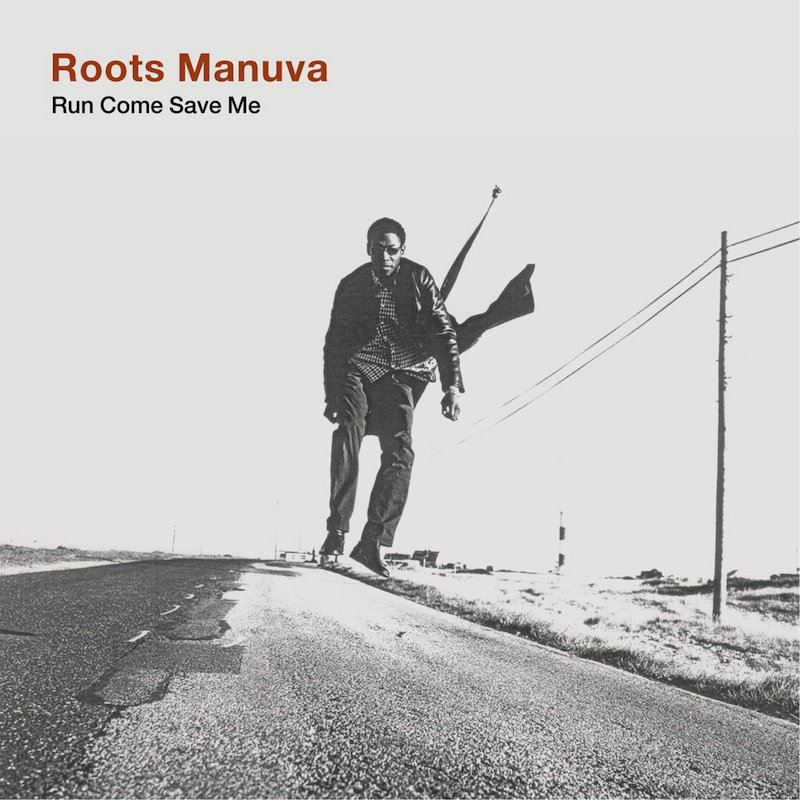
Roots Manuva – Run Come Save Me (2001)
Well, well, well. Dizzee Rascal may have gotten the peaks of hype, but by eventually proving himself comfortable with sing-song anthems and electro-rap the erstwhile Rodney Smith has had the steadier trajectory through the UK’s rap scene. Run Come Save Me holds his big breakthrough “Witness (1 Hope),” which always seems to sound a little more urgent than you remember it every time you hear it. But it also has tracks like “Trim Body” and “Join the Dots” that elevate the backpack-meets-dancehall first heard on 1999’s Brand New Second Hand. (It was so reggae-informed that it spawned an entire remix album, Dub Come Save Me.) Roots Manuva’s first album of the new century cements his legacy as a “speaker of the unsaid shit.” – Adam Blyweiss
Read More: The Best Roots Manuva Songs
Listen/Buy: Bandcamp
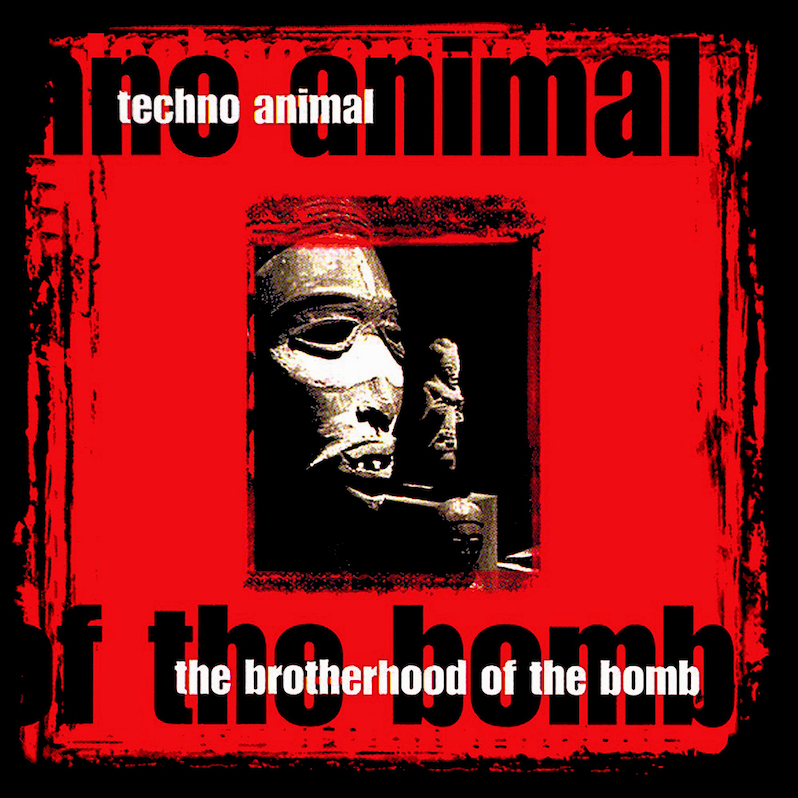
Techno Animal – Brotherhood of the Bomb (2001)
It stands to reason that a rap album from industrial metal pioneer Justin Broadrick and bombastic beatmaker Kevin Martin would achieve cacophonous new heights for hip-hop. The third project from the two British iconoclasts, following the crushing metal of God and the evolving ambient dub cacophony of Ice, Techno Animal established a blueprint for industrial metal that’s been built upon many times but never quite with this level of volume and bodily impact. Paired with likeminded emcees such as El-P, dälek and Rubberroom, Broadrick and Martin treat beats and rhymes like missiles and mines, their fifth and final LP under the Techno Animal banner among the loudest and most hostile pieces of work ever delivered in the realm of hip-hop. – Jeff Terich
Listen/Buy: Bandcamp
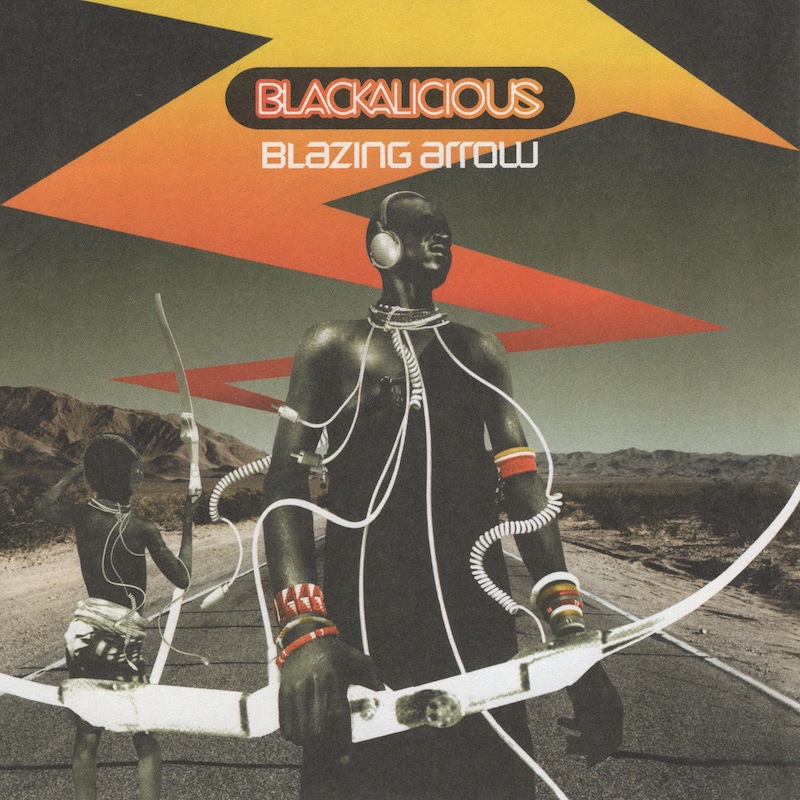
Blackalicious – Blazing Arrow (2002)
One look at the guest spots on Blazing Arrow is enough to let you know you’re in for a treat. Gil-Scott Heron, Cut Chemist, Saul Williams, the underrated Lyrics Born and, weirdly, Ben Harper; it’s a rich array of talent that encapsulates the frankly delightful vibe of Blackalicious’ second studio effort. An all-time great summer album, these 17 tracks perfectly balance eccentricity with gravitas, resulting in a colorful, hypnotic collection that sounds like stomping through your favorite neighborhood under the baking sun. The late, great Gift Of Gab puts his famed verbal skills to scintillating use on highlights like “Green Light: Now Begin” and “Chemical Calisthenics,” while Chief Xcel’s beats on “Sky Is Falling” and “Aural Pleasure” transcend boom-bap and alt-rap, becoming rich, dense works of dextrous future-funk. One of the warmest and most purely fun rap albums ever made. – Tom Morgan
Listen: Spotify
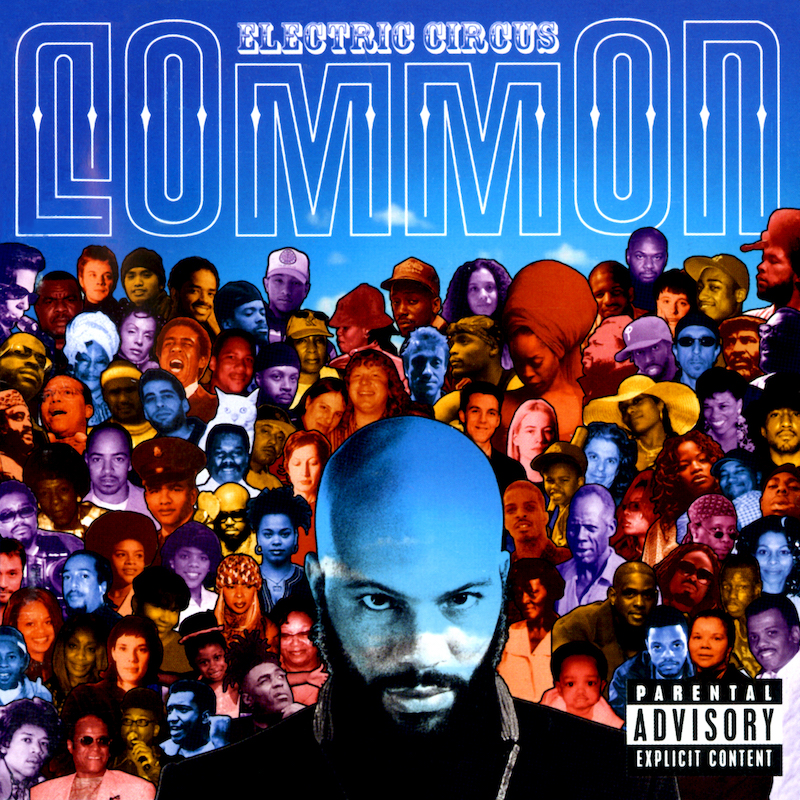
Common – Electric Circus (2002)
While there are not many who would try, Common did. Not feeling the popular wave of hip-hop at the time—nope to the West Coast gangsta trend and nope to the Southern club-driven sound—Common, with the Solquarians and a host of others, ran with the idea of expanding the sound and idea of what hip-hop was and what it could be. Electric Circus, Common’s fifth album, was recorded at Jimi Hendrix’s Electric Ladyland studios—the same spot as D’Angelo’s Voodoo just two years prior. The Chicago emcee, pretty much beloved in hip-hop, followed a wide sound in his mind that encapsulated rock, soul, electronic, and a bunch of other frequencies not really showcased in hip-hop at the time. Even Laetitia Sadier got on this album, once again displaying the ongoing gateway popularity of Stereolab’s Dots and Loops, making weird/beautiful spaces on “New Wave.”
The bottom line remains: not even J Dilla, Neptunes, Soulquarians, plus Mary J., Omar, Bilal, and some of the foremost artists in hip-hop at the time could make this record a hit. Yet it opened a space where much later folks such as Tyler and Kendrick Lamar took left-of-center hip-hop and made it the norm. How did Common bounce back? He only needs a Tony Award to complete the set for an EGOT. Those are accolades reserved for true artists; Electric Circus was a passing location on that journey. The record deserves ears; it’s of a different place. Doing that thing that art is supposed to do. – JPS
Listen: Spotify
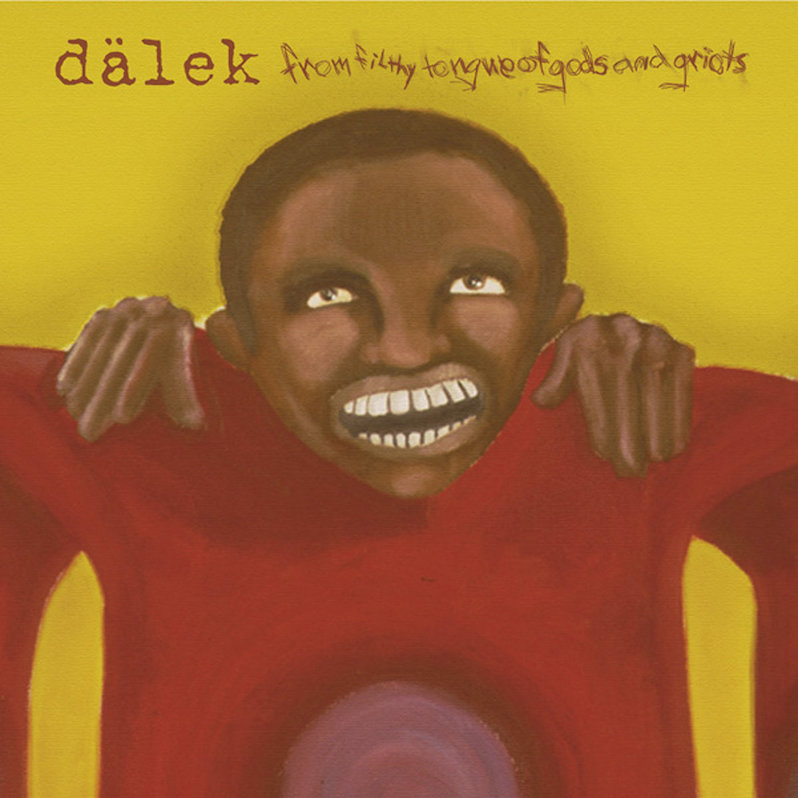
Dälek – From Filthy Tongues of Gods and Griots (2002)
Dälek’s sophomore album From Filthy Tongues of Gods and Griots wasn’t technically the first hip-hop record to be released on Ipecac Records, the label co-founded by Faith No More/Mr. Bungle vocalist Mike Patton, best known for its catalogue of metal titans like Isis and Melvins. But where early curiosities from DJ Eddie Def and Sensational revealed its commitment to eclectic offerings, Filthy Tongues was an even more logical offering, adding ample doses of deafening noise and sludge-metal intensity to the introspection and beat-driven impact of underground hip-hop. Where “Speak Volumes” has a kind of dissonant grace about it, DJ Oktopus and multi-instrumentalist Joshua Booth backing emcee Dälek’s stoic delivery with beautiful shards of shrapnel, “Spiritual Healing” opens the record with both the abrasion and invocations from on high to ensure an experience of auditory terror. Amid the onslaught are moments of hazy, shoegaze-like hypnosis, “Hold Tight” and “Forever Close My Eyes” steeping Dälek’s visions of blood and tears in shades of orange and pink. – Jeff Terich
Read More: A guide to the paranoid sound of turn-of-the-millennium hip-hop
Listen/Buy: Bandcamp
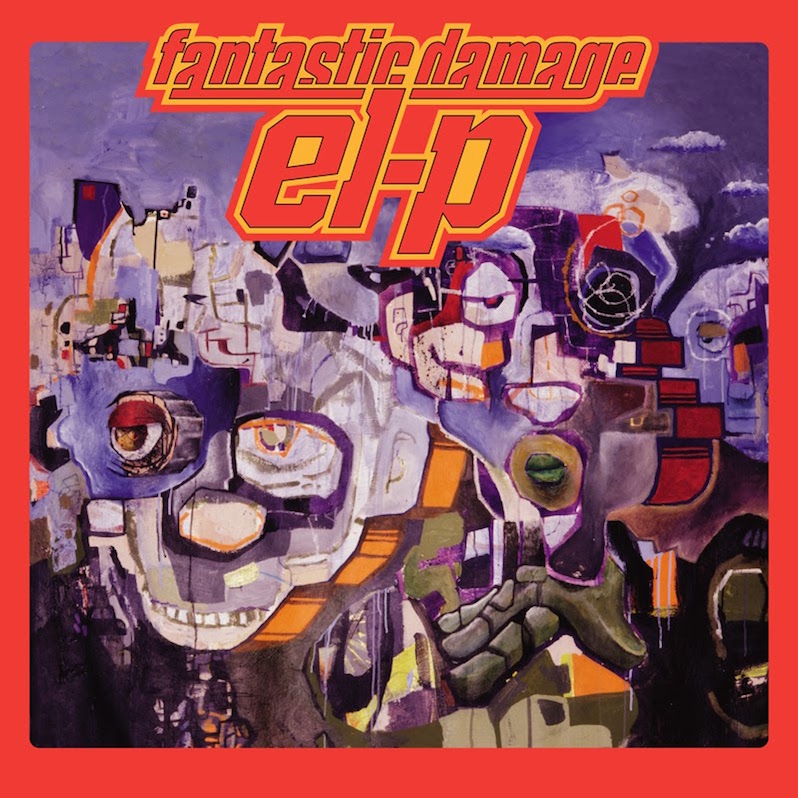
El-P – Fantastic Damage (2002)
“My name is El-P, I produce and I rap too.” There’s a reason why Jaime Meline credits himself in “Tuned Mass Damper” as a producer first. Particularly in the early ’00s, the Brooklyn rapper and Def Jux label head was making beats for a long list of other rappers, many of whom also had a Def Jux release or two: Aesop Rock, Cannibal Ox, Mr. Lif, Murs, Del the Funky Homosapien and Cage, among others. So it’s all the more remarkable that it’s his own solo effort, Fantastic Damage, that stands among the best releases on the label’s brief run. A satirical, dark, unsettling landscape of broken families, sci-fi tropes, dark alleys and MPC thunder, Fantastic Damage lives up to its name in high points such as the too-many-guns nightmare “Deep Space 9mm” and dystopian sales pitch “Stepfather Factory.” To say he was ahead of his time is almost redundant given that nihilistic futurism is pretty much his aesthetic, but the fact that Run the Jewels found success a dozen years later more or less proved that point. – Jeff Terich
Listen/Buy: Bandcamp | Turntable Lab (vinyl)
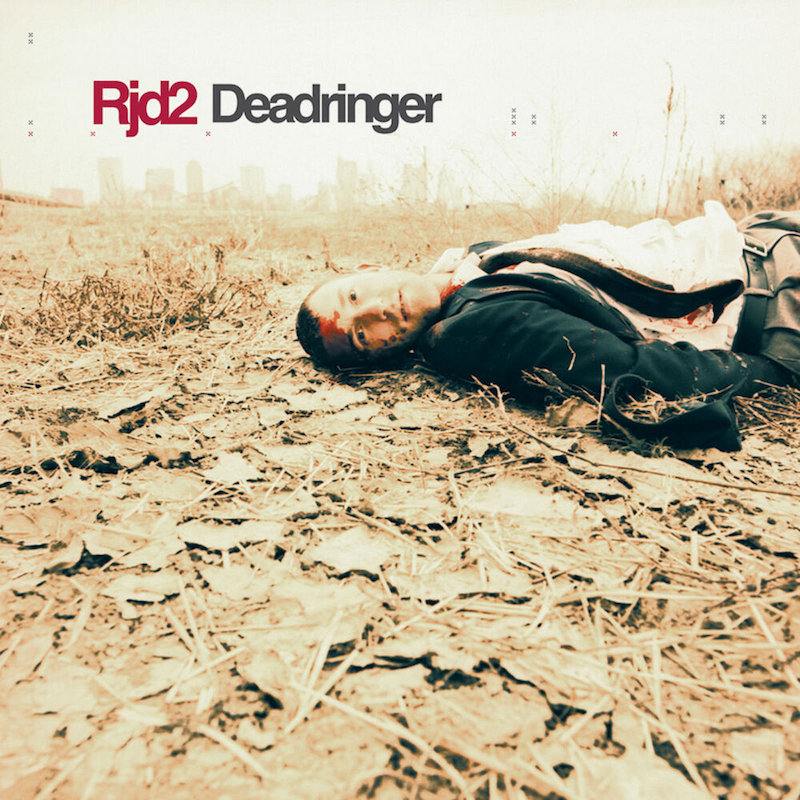
RJD2 – Deadringer (2002)
Consistently ranked as one of the greatest instrumental rap albums of all time (although DJ Shadow’s landmark Endtroducing… rightly claims most number one spots), the genre doesn’t get much more imaginative than RJD2’s 2002 debut. A funky, vibrant collection, it’s one of those records that’s easy to forget was released on the usually murkier label Def Jux, because it’s so damn bouncy. The better comparison is probably The Avalanches’ psychedelic debut, released a year earlier. There’s a playful psych quality to RJD2’s warping of the iconic guitar samples on breakout track “Deadringer,” his chopping of different rhythms and even eras together on “Smoke & Mirror”, and his creation of smoke-stained alchemy via the crackling pianos of “2 More Dead.” A rich, lively work of postmodern musical magic. – Tom Morgan
Listen/Buy: Bandcamp
Scarface – The Fix (2002)
By the time 5th Ward godfather and southern trailblazer Scarface delivered The Fix, he was atop rap’s wave of thirty-somethings maintaining power as they hit the three decade mark. His seventh solo album—an aggregation of lived experience, prudence and hard knock acumen—is the kind of advanced game that comes after years of real world go through. “Don’t write down names and numbers, it’s a memory thang, never shit where ya sleep, keep the crib out of range,” he advises on “Safe,” sharing hustler how-tos he’s accrued over his tenure. Produced by Mike Dean, The Neptunes, Kanye West and others, the soulful board work frames his bluesman storytelling perfectly. There’s the Cain-and-Abel cautionary tale “In Between Us”, spiritual transparency via “Heaven” and, with the album’s second single “My Block” stamped as a definite classic, it’s the genuine article. Shaped by depth, longevity and OG charisma, this is grown man music—the culture showing development and maturation in real time. – J. Smith
Listen: Spotify
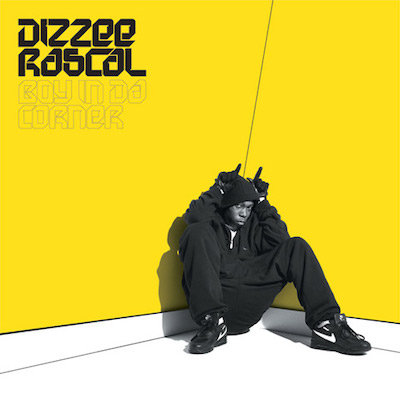
Dizzee Rascal – Boy in da Corner (2003)
Rap music is an American product, with New York, L.A., and Atlanta all putting their own definitive tweaks on the base model. Therefore, Dizzee Rascal’s Boy in da Corner, a British record full of electro-garage beats, was a noticeable oddity when it dropped in 2003. An early record in the grime genre, Dizzee’s speedy delivery on “Hold ya Mouf” and “I Luv U” skates over metallic jungle-inspired beats. The plot twist is that, despite Boy in da Corner’s stylistic differences from its American counterparts, Britain’s issues sound remarkably similar to our own. On “2 Far,” Rascal muses, “Queen Elizabeth doesn’t know me, so how can she control me when I live on the street, and she lives neat?” – Paul Glanting
Read More: The 50 Best Albums of 2003
Listen/Buy: Spotify | Amazon (vinyl)
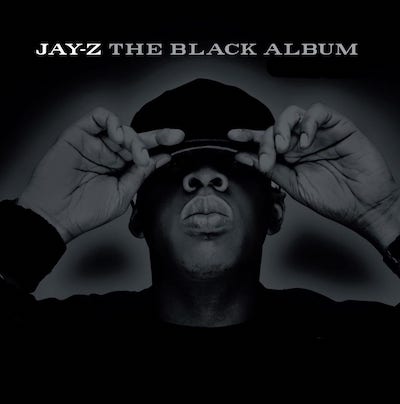
Jay-Z – The Black Album (2003)
There are few perfect albums in this world, and this is not one of them. (“Justify My Thug” and “Allure” are not highlights, which is saying something since they fall under the same discography as Kingdom Come.) But Hova’s fake retirement comes so very close to pulling it off that it registers highly in the firmament, ranging from the breeziness of “Change Clothes,” the veering between humor and violence in “Threat,” or possibly the best melding of his skillset and production in his lengthy career on the Rick Rubin-produced and still epic “99 Problems.” The fact you can list another half dozen songs off this album and delve into them while still leaving a couple of tracks off show one of the all-time greats at the absolute peak of not only his own power, but the genre’s. – Butch Rosser
Listen/Buy: Spotify
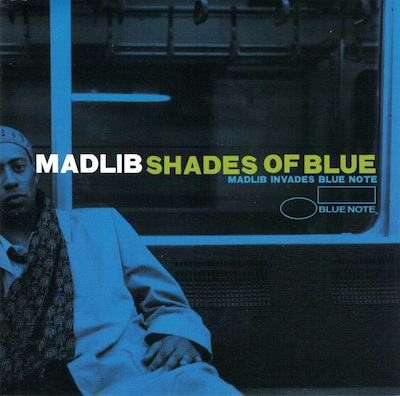
Madlib – Shades of Blue (2003)
When you see Rolling Stone put Madlib’s Shades of Blue, an album that is a recontextualization of the Blue Note catalogue, by one of the most culture-bending producers of his era, ahead of the most impactful jazz album of the 21st century, Kamasi Washington’s The Epic, a damn near 3-hour statement of “I’m here, motherfucker,” you know we’re living in different times, Dorothy. Well, that didn’t actually happen, but it should have.
Long before jazz got conversational with the Brits and the Los Angeles community that brought K.Dot, Thundercat, Kamasi, and all the other folks who have infused America’s classic music canon with modernity, it was Lord Quas, the one-man nu-jazz band Yesterday’s New Quintet, otherwise known as Madlib, who decided the Blue Note catalogue needed to be known for more than those Blue Note breakbeat records. Madlib (Otis Jackson Jr.) has deep roots in jazz, primarily through his uncle, acclaimed jazz trumpeter Jon Faddis, who played with Dizzy Gillespie. So his ability to do that actor thing, bringing backstory, aka context—the times—of a piece into the frame, so all the songs being reinterpreted don’t resemble a museum.
Shades of Blue is a living, breathing testament to all the Black folks who sacrificed to get something never done before on those sacred scrolls. And it’s here we listen. Those outside the recording studio moments seeping through that make Shades of Blue such a proper accompaniment to the imprint’s contribution to jazz, and then add in all the cameos, including Pete Rock, Leon Spencer, Horace Silver, MF DOOM, that propels this larger-than-life testament to the endless well of Black creativity under systemic racist duress—essentially, the history of America—that leads our ears and minds to why would Madlib take on such a project? Because that acknowledgment/sacrifice needed to be looped in with the hip-hop generation. Madlib puts so much love, care, and soul into this. Forget a book, a podcast, or an Instagram story—go pop on “Montara,” sip something, put that smoke in the air, and you’ve got a bittersweet snippet of Black culture. Past, present, and future. With those beautiful dusty record pops and scratches to boot. – John-Paul Shiver
Listen/Buy: Spotify | Rough Trade (vinyl)
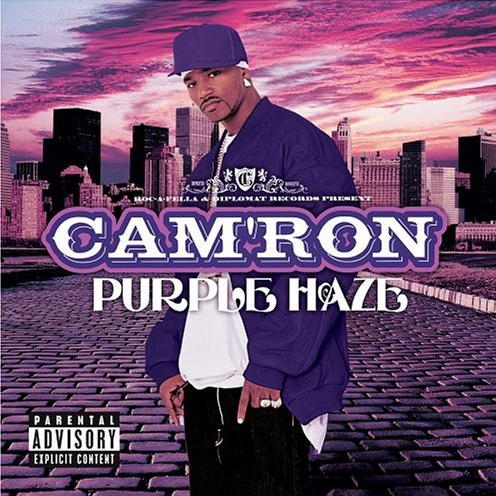
Cam’ron – Purple Haze (2004)
Cam’ron’s mastery over his polysyllabic bars has only ever been matched by his unrelenting absurdity and filth but Purple Haze established the Harlem rapper as more than a rapper: Cam’ron became a world-builder. Purple Haze hears Cam’ron forge narratives out of surreal audacity and while “Killa” Cam’s depictions of Harlem are nihilistic and dripping with debaucherous philandering vice, lines like “Observe, cock, and spray/ hit you from a block away/Drinking sake on a Suzuki we in Osaka Bay” (“Down and Out”) and “Yellow diamonds in my ear, call them ‘Lemonheads’/ Lemonhead end up dead/ Ice like Winnipeg/Gemstone, Flintstones/You could say I’m friends with Fred” (“Killa Cam”) display Cam’s adroit proficiency for metaphor, simile, allusion and alliteration. Purple Haze is the apex of the purple fur-coat wearing libertine’s self-obsession but it’s also a showcase of one of the most bombastic grasps of the English language. – Paul Glanting
Listen: Spotify
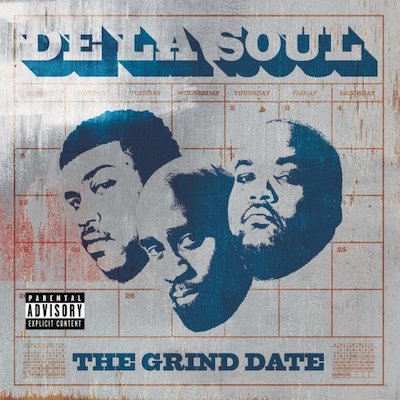
De La Soul – The Grind Date (2004)
Like Basquiat defaulting to the spray can just to show folks he could still do it, De La Soul—the incendiary trio of Emcees from Long Island—went back to seething lyrical pressure as the priority for their seventh studio album The Grind Date, and let a crop of 2004 new dudes handle the beats. With no skits in sight, inferring stakes got much higher, the message, not a comeback one just a continuation, needed to be crystal. With producers, J Dilla, Madlib, 9th Wonder, Supa Dave West and Jake One contributing far above average tracks, guest emcees Common and more importantly MF Doom and Ghostface deliver animated yet surgical verses generally reserved for solo projects. But it’s still De La serving the hard lesson and sharp quotables. Posdnuos relays the personal math on “Rock Co.Kane Flow” with: “They say the good die young, so I added some/ Bad-ass to my flavor to prolong my life over the drum/ Everyone cools off from being hot/ It’s about if you can handle being cold or not.“
Observing how Hip-Hop from the late ’90s to the early oughts went from expanding minds to brainwashing them—luke warm producers names being shouted over tracks instead of lyrics—the trio brandished a wiry and quick-moving release, better for the administering wisdom that bites. – John-Paul Shiver
Listen: Spotify
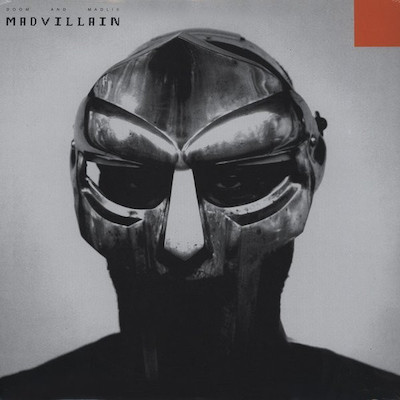
Madvillain – Madvillainy (2004)
It’s 2004. The bling era is in full swing. Dollars and cents and gold and platinum appear in lyrics so often that you’d think everyone was a millionaire. In response, two all timers team up for an all-time record that’s a defining anti-floss text (it’s not quite a communist screed but it is surrealism at its most political). The lyrics are beyond discussion (alliteration can be declared dead after Madvillainy) and its production brings hip-hop into the bad trip territory of psychedelia (the ’50s never sounded so horrifying).
And after all this monumentalism and years of aging, it still bangs. You still scream out the window, “Doritos, Cheetos, or Fritos.” You still recite the old superhero samples of “The Illest Villains” with all the melodrama and camp you did when you first heard the words “audiences love to hate.” And you still break down when the beat on “Figaro” begins. You were promised a sequel to Madvillainy years ago, but you should be grateful the original exists at all. – Ben Cohn
Listen/Buy: Spotify | Turntable Lab (vinyl)
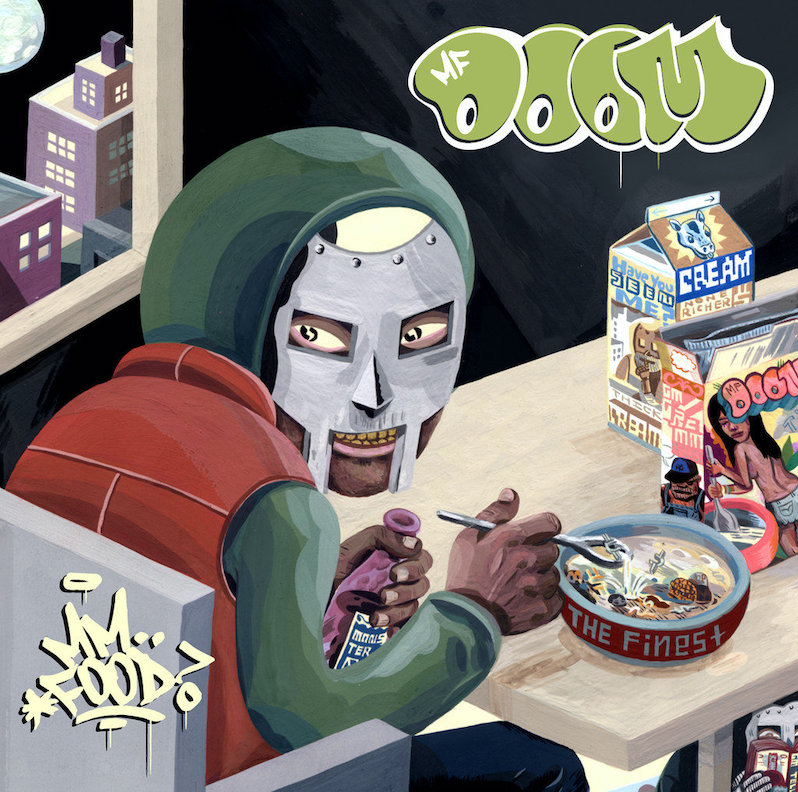
MF DOOM – MM..FOOD (2004)
The eternal genius of the late MF DOOM is on clear display throughout MM..FOOD. Across 15 impeccable songs, he creates clattering post-Dilla beats packed with hard-snapping snares and punchy kicks before melding in opulent samples, breaks, and spoken-word snippets. But instead of resting solely on his studio wizardry, he flips the script by dedicating the entire project to food. From song titles and lyrics to audio clips, iconography, and beyond, the album luxuriates in culinary inspiration without ever feeling corny or insipid. And yet, the music overflows with palpable creativity and joyful humor, coming across as the sort of hip-hop album that the Teen Titans, Scooby and the Gang, and Aqua Teen Hunger Force would use for their respective show’s soundtracks. The best part? The artistry is so layered that you’ll hear a fresh set of gastronomic references with every spin of the record. – Adam P. Newton
Read More: A complete guide to the albums of MF DOOM
Listen/Buy: Bandcamp | Turntable Lab (vinyl)
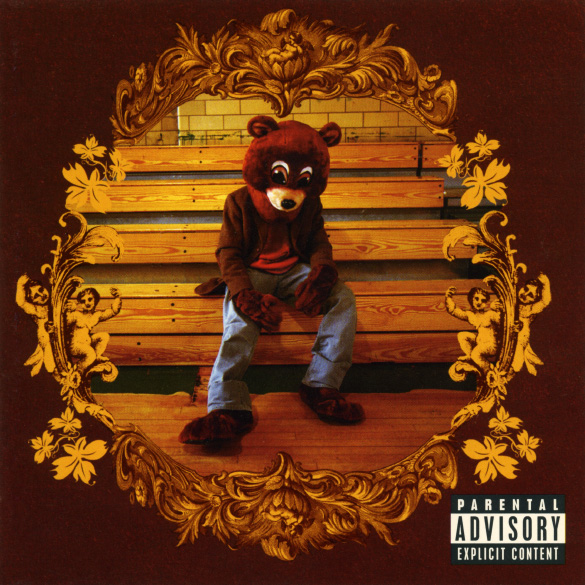
Kanye West – The College Dropout (2004)
In 2004, Kanye West’s The College Dropout established his reputation for brilliance. He’d made his bones producing for notables like Jay Z, Ludacris and Talib Kweli but it’s here that his artistic range showed promise. Over the course of the album he manipulates R&B samples into a kind of “chipmunk soul,” a sound he helped pioneer that later defined the era. And just as easily as he was flipping records he was putting pen to paper. Rapping with a sense of urgency, sharing insecurities, praising God and even recording with a broken jaw—it’s honest, intimate and full of people’s champ swagger. The early ideas of a musical icon, down to earth and relatable, before superstardom and megalomania took over. – J. Smith
Listen/Buy: Spotify | Turntable Lab (vinyl)
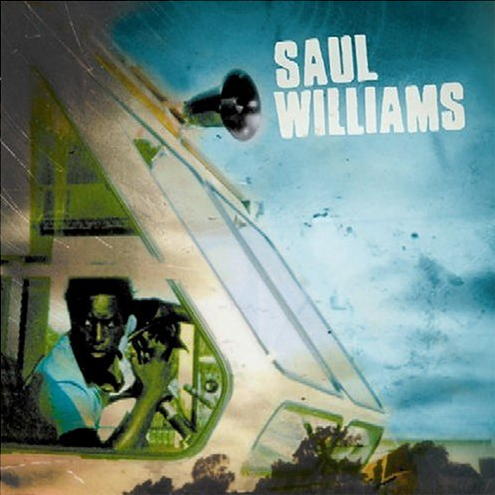
Saul Williams – Saul Williams (2004)
The bleeding-edge poet’s second album finds him focusing the broadsides of his spoken word from Amethyst Rockstar (and a variety of small- and big-screen acting gigs) to a much narrower point, experimenting with rap in ways that quite often rock the fuck out. Repeating riffs and Williams’ reedy vocals dipping into patois bring an air of desperation to “Grippo,” for example, while the darkly autobiographical “Black Stacey” starts off jazzy before transforming to pounding trip-hop. But it’s “List of Demands (Reparations)” that really enters the canon, its guitar-effected synths and plowing drums pushing a frenetic narrative about frustration and earning Saul Williams at least a down payment in the form of that Nike money. Dropping him into what looks like an ice cream truck on the album cover is premier subliminal suggestion: catch him when you hear him or you’ll feel like you’re missing out. – Adam Blyweiss
Listen: Spotify
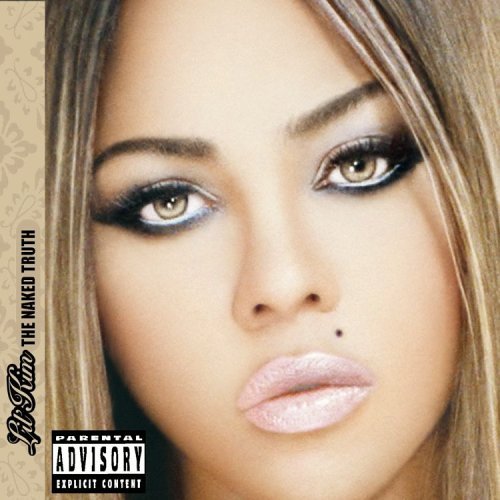
Lil’ Kim – The Naked Truth (2005)
Sometimes critics are at war. The Naked Truth famously got slagged in, let’s face it, largely white critical spaces, while venues like The Source and Vibe gave it perfect marks. The album fittingly splits itself in two, with the first half being a shockingly soul-baring set of tracks detailing Kim’s stint in prison and subsequent life upheaval. The back half, meanwhile, is quintessential sex rap from the queen of the form. Whether that dichotomy works for you is a coin flip, but her execution of both sides of herself here is nigh unparalleled. – Langdon Hickman
Listen: Spotify
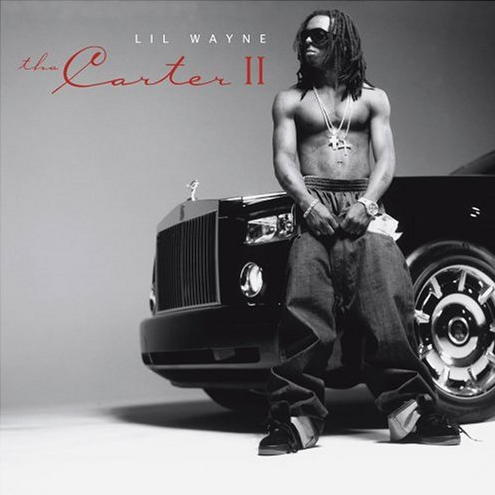
Lil Wayne – Tha Carter II (2005)
Even fourteen years after its release—a stretch that, for Lil Wayne, contains Dedication 2, Da Drought 3, and Tha Carter III—Tha Carter II remains Wayne’s best and most complete album-length statement. The 2005 album finds Weezy F. in the middle of his transition from hard-nosed, traditionalist gangster-rapper to bugged-out star-eater ascendant; his rapping here is some of his most inspired and his most focused. The sample-heavy East Coast palette of the beats showed that he knew his history; his writing and his wordplay showed that he was the future. When he says he’s the best rapper alive on C2, you’d be a fool not to believe him. – Ben Dickerson
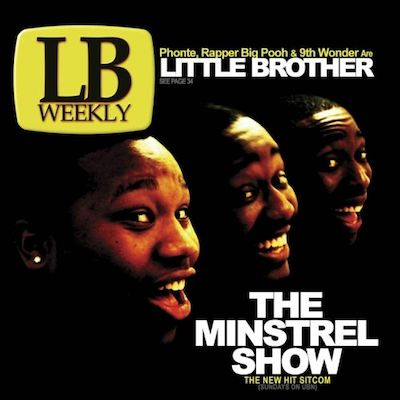
Little Brother – The Minstrel Show (2005)
The Minstrel Show was supposed to be the thing that blew them up; instead, it was the thing that imploded them. So overlooked the only way they could’ve bettered their band name would be to call themselves Jan, Little Brother did for satire in the African-American community what The Boondocks was doing on Adult Swim. Tragically, Aaron McGruder’s baby got far more viewers than this talented Southern outfit got plays—ironically enough, both were chastised by BET—and within a couple years the band had immolated due to record company malfeasance, an uncaring general public, and the fact people really do not like it when black people refuse to let history be forgotten even (especially?) in satirical fashion. That’s America: home of Homeboys In Outer Space before Blackish, Meteor Man before Black Panther and Kanye West before…well, Yeezus. We contain multitudes, even if LB’s discography and album sales tragically didn’t. – Butch Rosser
Listen: Spotify
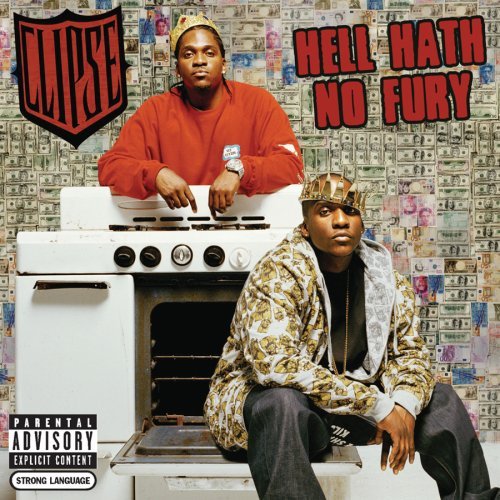
Clipse – Hell Hath No Fury (2006)
Clipse’s early career was one defined by delays. Their initial debut, Exclusive Audio Footage, was shelved after completion with their proper debut coming a full three years later. More record label shenanigans followed, pushing back the release of Hell Hath No Fury, their second released album, another four years, making the span from the formation of the group to the release of their sophomore record a full 14 years. The time shows; Hell Hath No Fury still stands as The Neptunes’ greatest production work, sounding like sexy futuristic robotic Herbie Hancock, a sci-fi industrial sheen to boom-bap marrying both avant-garde and straightforward hip-hop production ideas in one breathe, all the better platform for Pusha T and Malice to spit the hottest bars of their career. They had initially used rap as a way to climb out of the drug world and, despite rave reviews of their early work, had found their efforts frustrated again and again, and that frustration clearly lit a fire under them. Their career following this record would follow the same path, with delays and industry frustrations slowing the release schedule of two great MCs, but records like Hell Hath No Fury demonstrate the coke rap duo dropping their tightest, hardest bars against some of the most forward-thinking beats put to tape. – Langdon Hickman
Listen/Buy: Spotify | Turntable Lab (vinyl)
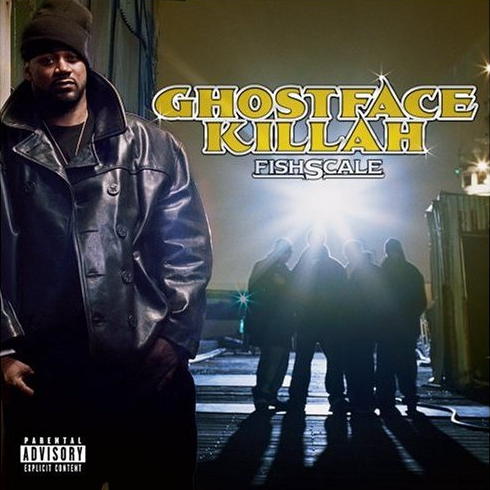
Ghostface Killah – Fishscale (2006)
Only a decade separated Ghostface’s debut and Fishscale, but by the time Dennis Coles released his fifth album he had been elevated to the status of something of a hardcore hip-hop elder statesman at 35. But the key to its appeal and its enduring acclaim is in its fire and its hunger. Ghostface had already achieved success, exiled himself temporarily to Africa and purchased, melted down and remolded several giant gold bracelets. But with Fishscale, he proved he wasn’t done saying what he had to say, whether it was Raekwon-assisted crime narratives (“Kilo,” “R.A.G.U.”), vulnerable reminiscences (“Whip You With a Strap”), unapologetic hype tracks (“The Champ”) or (checks notes) Spongebob the pimp? (“Underwater”). Paired with Raekwon’s Only Built 4 Cuban Linx II, Fishscale was proof that Wu-Tang had entered a new era, without letting go of the thing that made their generals triumph more than a decade prior. – Jeff Terich
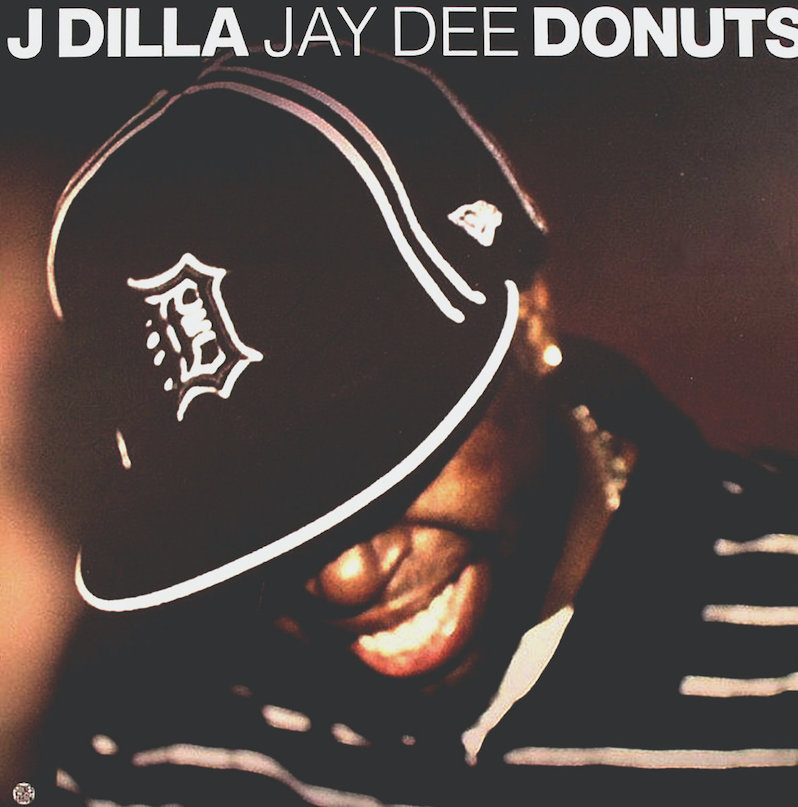
J Dilla – Donuts (2006)
A dying man sits in his hospital bed, lupus riddling his body while a rare disease makes his blood turn against itself. He grabs a sampler and a 45 and gets to work. He begins at the end and ends at the beginning and the beginning loops into the end even though both of those words apply and don’t. In a time known for conspicuous consumption he makes an almost wholly instrumental album. He follows up a weird album of champion sounds with an even weirder one that’s almost entirely sounds. J Dilla was a hyper talented polymath who blessed everything he touched and was probably your favorite rapper’s producer for the opening decade of this century. Nearly a decade and a half after his tragic early passing, he still might be. – Butch Rosser
Listen/Buy: Bandcamp | Turntable Lab (vinyl)
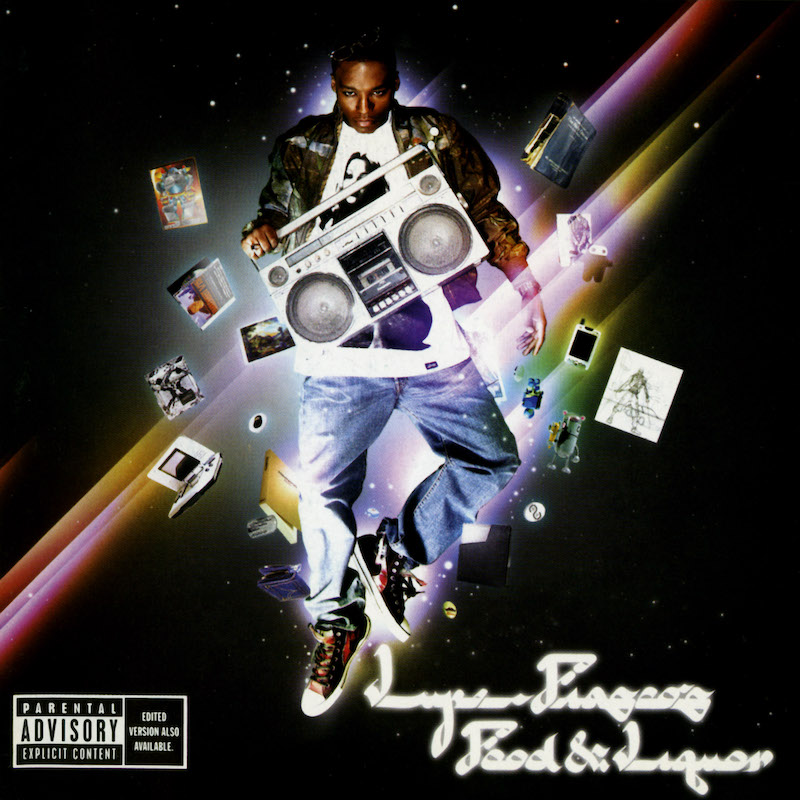
Lupe Fiasco – Food & Liquor (2006)
Lupe Fiasco was nerdy. He enjoyed skateboarding and had discerning taste in streetwear. He also put out a pretty excellent debut record in Food & Liquor, which celebrated his hobbies in earnest. Food & Liquor addresses social issues in a way that defied the ascetic dullness of so much 2000s hip-hop, speaking out against the world’s ills over jumpy Neptunes and Kanye West beats. “Real” is a bright cascade to open the record, and it’s hard to understate the humble “Kick, Push,” an ode to the zen-like nature of enjoying the process of learning something, even when we’re not particularly good at it. – Paul Glanting
Listen: Spotify
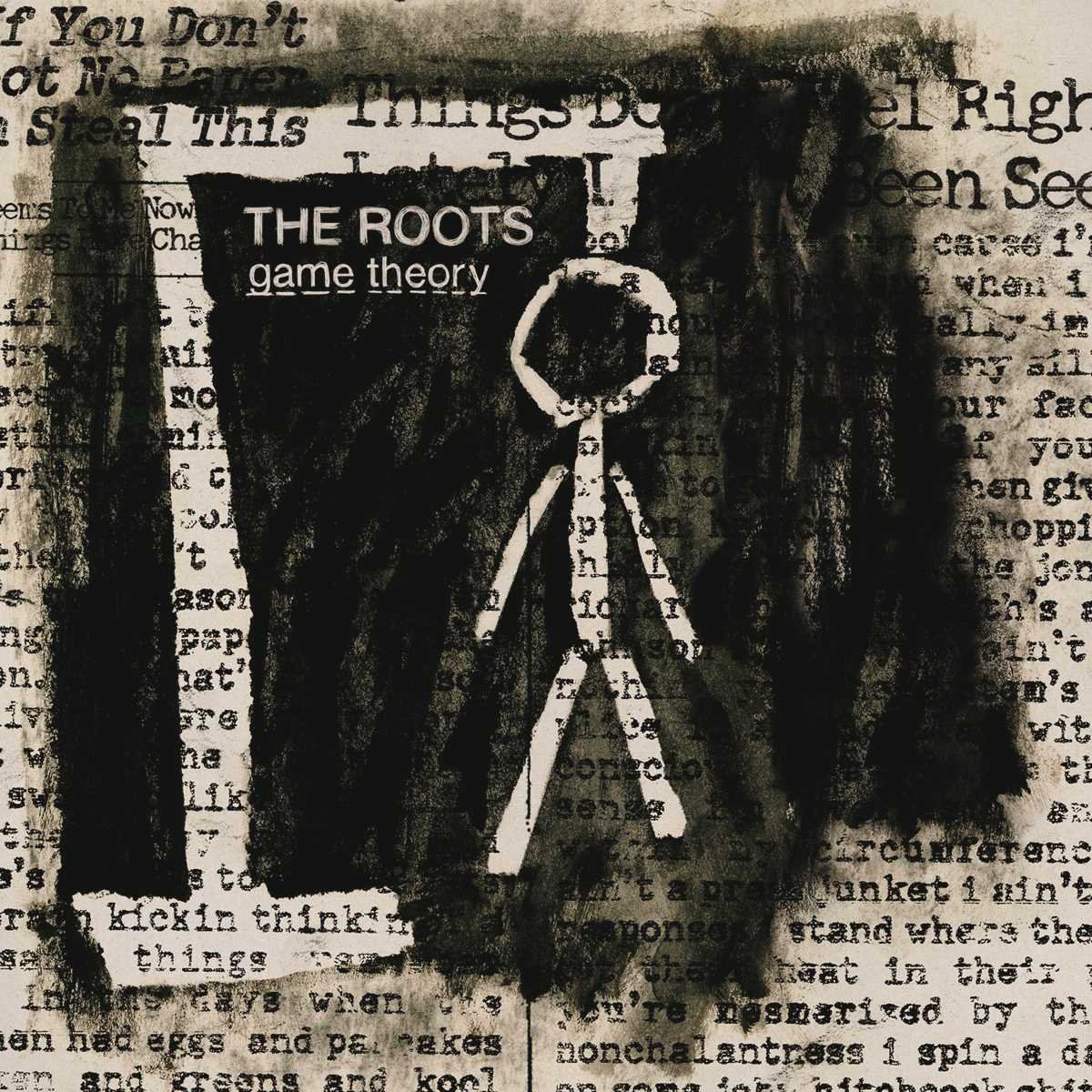
The Roots – Game Theory (2006)
Six albums in and with a reputation for a jazzy and damn fun approach to hip-hop, Game Theory saw “hip-hop’s first legitimate band” change tracks a little. The Roots didn’t completely let their thrilling full band elements go, but they channeled them into a more stripped down and focused record that was far more overtly political than anything they’d done before. Dark and heavy, Game Theory valued substance over style, sharpness over bluster, only heightened by the lush and masterfully crafted production. Said Questlove of Game Theory, “In this day and age, I’m kind of noticing that nobody in urban music really has the balls to just stop partying for one second…I mean, partying is good and whatnot, and it’s cool to get down, but I really think that 2006 called for a very serious record. This is our most serious record to date.” Quite. – William Lewis
Listen: Spotify
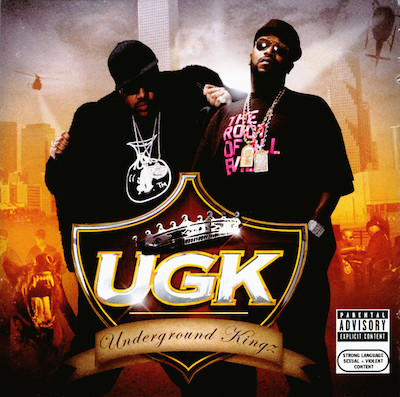
UGK – Underground Kingz (2007)
If you were a seasoned UGK fan in 2007, watching Underground Kingz scale the Billboard charts must have been like tricking your picky-eating friend into eating haggis. It took nearly two decades for UGK to get into the limelight with Underground Kingz and just months after its release, Pimp C died of kidney failure. Therefore, UGK’s double-album is an artifact, totemic of a very brief moment of glory for the Port Arthur duo. That said, UGK’s brief moment is Texas-size (29 tracks!) and bangers like the funk-heavy “The Game Belongs to Me” and “Take the Hood Back” display the juxtaposition of Pimp C’s snarling acumen next to Bun B’s unpretentious and economical delivery. And then, of course, there’s “Int’l Player’s Anthem.” When the aughts fortify as a singular genre of music and Time-Life has a compilation album that they advertise on late-night cable TV, where the track listing scrolls down the screen, that collection will be anchored by “Int’l Player’s Anthem.” A strong argument can be made that this was the most prominent rap song of the past 20 years. The banger glides over four narrators and moves from Andre 3000’s introspection to Pimp C’s aggression, into Big Boi’s lustful frustration and ends with Bun B’s technical ease. – Paul Glanting
Listen/Buy: Spotify | Turntable Lab (vinyl)
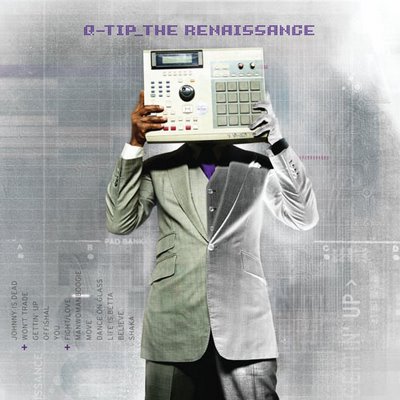
Q-Tip – The Renaissance (2008)
Frankly, it’s baffling that an album this catchy and enjoyable and sharp took almost ten years and (at least) three fully-produced permutations to see the light of day; still, you’ve got to be glad it did. Q-Tip’s follow-up to his first solo album (the underappreciated pop move Amplified) was nearly-fully produced and played and written by the man himself (with one outsourced beat from Jay Dee), and it’s a full vision, weaving together boom-bap and jazz and neo-soul. And, of course, Tip’s raps are at the forefront, as smooth and thoughtful and energetic as ever. – Ben Dickerson
Listen: Spotify
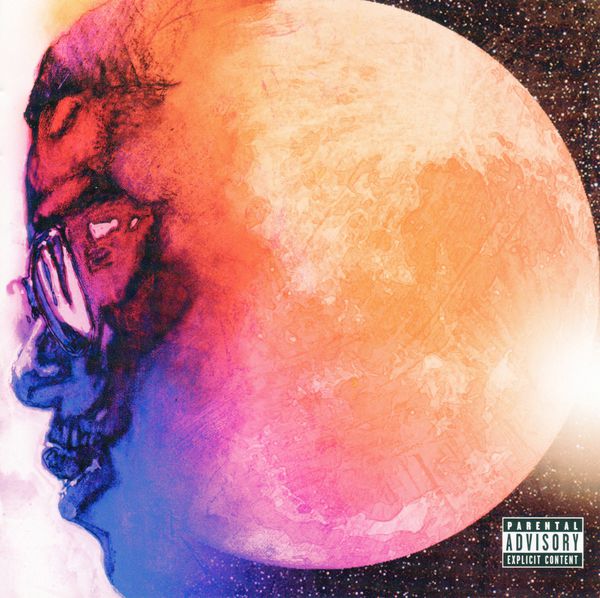
Kid Cudi – Man on the Moon: The End of Day (2009)
The perception of Kid Cudi may have swung wildly in both directions over the years due to inconsistent projects, but that we keep listening is testament to the potency of this, his debut record. Progressive rock like Pink Floyd married to a combination of emo and stoner rap is on paper an odd combo, but both the cultural impact and the results here speak for themselves. Who knew we were all waiting for the emo/math rock hybrid of the hip-hop world? Add some genuinely emotive sing-along melodies and this one is hard to deny. – Langdon Hickman
Listen: Spotify
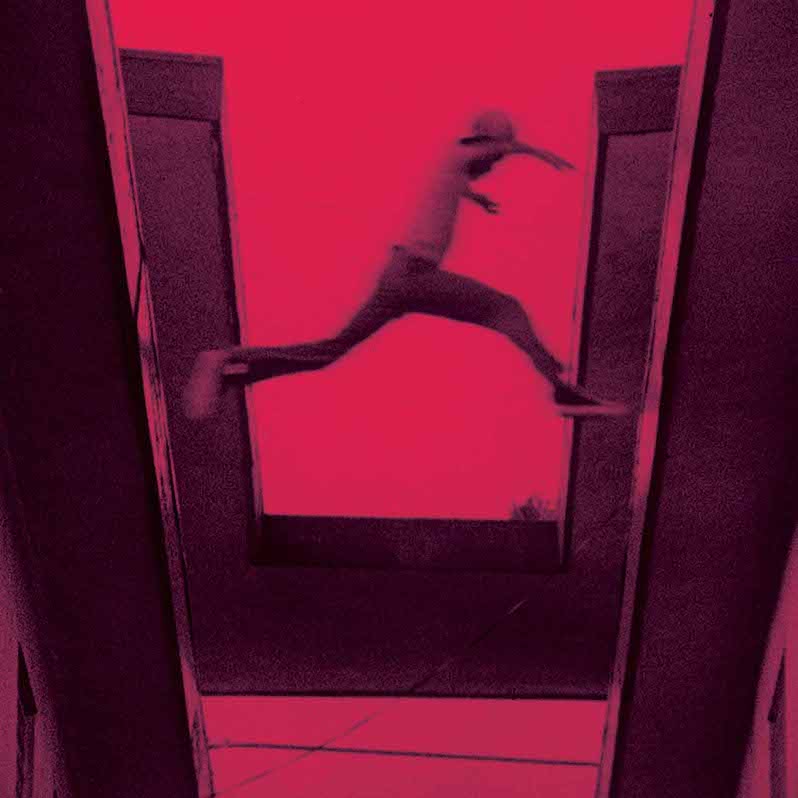
Mos Def – The Ecstatic (2009)
With the one-two knockouts of Black Star and Black on Both Sides, the latter’s “Ms. Fat Booty” even landing him a chart hit, Mos Def (now Yasiin Bey) entered the oughts in an enviable position—one that saw him adding a few more threats to his resume in the form of appearances in films like Bamboozled and MTV’s Carmen: A Hip-Hopera. But the odd funk-rock experiments on his long-awaited sophomore album The New Danger and undercooked contents and cover art of third album True Magic damn near halted whatever momentum he’d built up in the prior decade. So 10 years after Black on Both Sides, he stripped away the conceptual pretense, and working with a wealth of beats from L.A. producer brothers Madlib and Oh No, served up a record that maybe wasn’t intended as a reinvention, but turned out that way anyway. Though not as seamless in presentation as Madvillainy, The Ecstatic features a similarly scrappy lo-fi aesthetic, Mos sounding like he’s having more fun here than, well, ever, whether hyping up his own self-coined “Supermagicblackoriginfreshrealidopeness” or passing the mic to Slick Rick for a verse about bridging a divide in Baghdad on the spectacular “Auditorium.” The Ecstatic is a refresh without baggage, a landmark album not in spite of its simpler, stripped-down presentation but because of it. – Jeff Terich
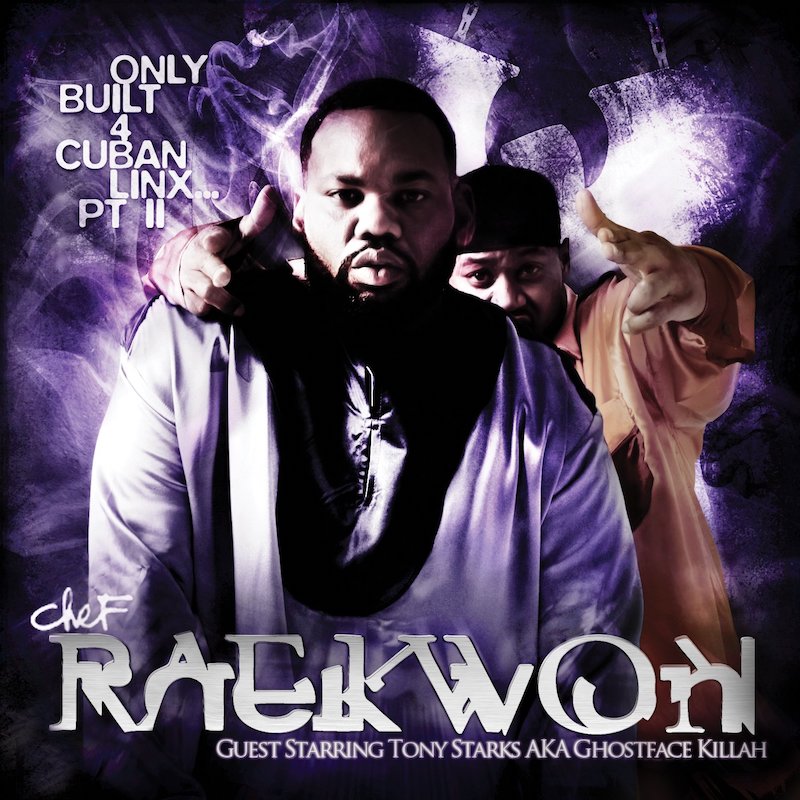
Raekwon – Only Built 4 Cuban Linx Pt. II (2009)
Had the calmly swaggering Raekwon’s sequel to his 1995 masterpiece been a retread, we wouldn’t be talking about it now. Only Built 4 Cuban Linx Pt. II is an exhaustively detailed exploration of crime’s bleakest realities: Rae is wiser and bleaker of perspective than the ambitious Wu-Gambino figure he cuts on the first OB4CL. (The weightiness of command stands out in his otherwise dextrous flow.) Ghostface Killah remains an excellent foil, but his energy here seems desperately manic, more than a little haunted. It’s not all joyless. Celebrations of kingpin glory like “Kiss the Ring” and plain old shit-talking sessions like “House of Flying Daggers” and “New Wu” are album highlights. Yet more common are grim laments of men neck-deep in the coke trade (“Pyrex Vision,” “Surgical Gloves”), trading shots with rivals (“Sonny’s Missing,” “Mean Streets”) or imprisoned for life (“Have Mercy”). Ultimately, OB4CL Pt. II is much a work of brutal yet poignant crime fiction as anything by S.A. Cosby, Richard Price, George Pelecanos, or Donald Goines — grounded in cinematic soul production from legends including J Dilla, Pete Rock, Alchemist, RZA, and Dr. Dre. – Laura D. Flowers
Listen: Spotify | Turntable Lab (vinyl)
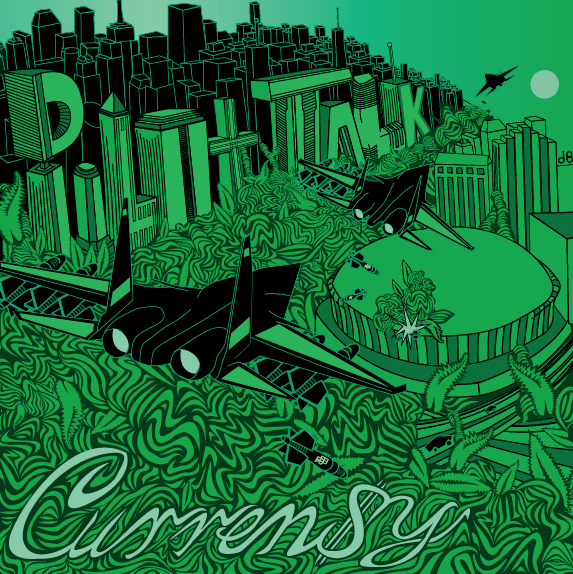
Curren$y – Pilot Talk (2010)
Some records become classics by not aspiring to be classics. This is one of them (as is, for what it’s worth, this record’s sequel). Pilot Talk finds Curren$y and the perennially underrated Ski Beatz crafting 13 tracks of languid, hypnotic cloud-rap. Ski draws from soul and psych-rock and electro and filters them all through his East Coast lens (don’t forget, he had credits on Reasonable Doubt!), Curren$y lays down his stylish, deceptively intricate shit-talk, and guests from Jay Electronica to Devin the Dude round out the record and help give it the languorous hangout feel that makes it so compulsively relistenable. – Ben Dickerson
Listen: Spotify
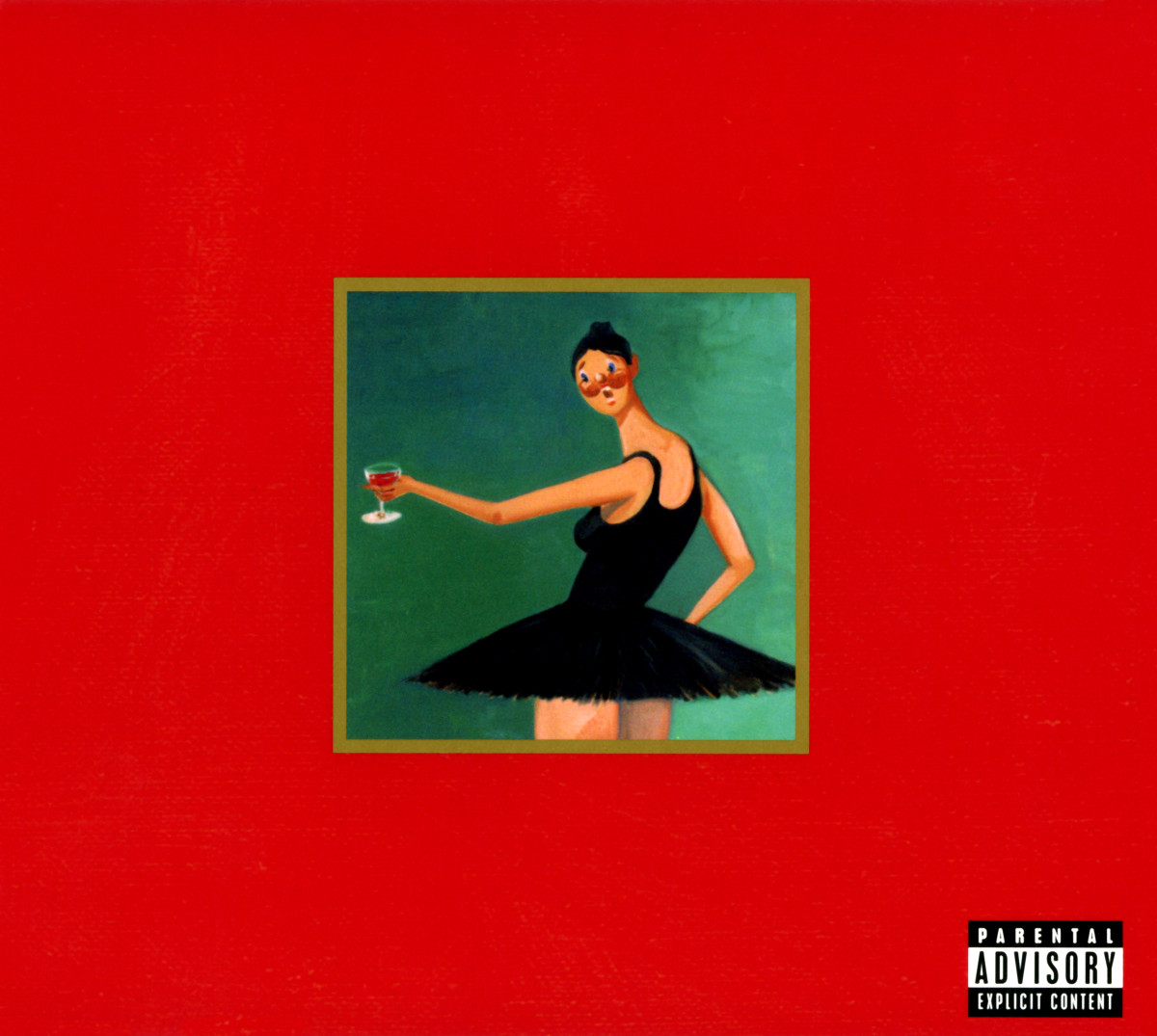
Kanye West – My Beautiful Dark Twisted Fantasy (2010)
To get the necessary and the obvious out of the way: something very terrible happened in Kanye’s mind between the infrequently medicated bipolar disorder, hanging around with too many rich white people, and the byproducts of fame both in terms of a crucible of annihilating self-hatred and substance abuse coupled with people who simultaneously fill your head with gas and also convince you that you are a shithead—which then becomes a self-fulfilling prphecy. That said, however, he manages to crop up again and again on our radars not because of the struggles he undergoes and the occasionally absolutely totally wack shit he says, but because he makes absolutely great music. His debut The College Dropout is up there with 36 Chambers, Illmatic and Reasonable Doubt as one of the greatest rap debuts of all time, not to mention its place within the broader canon of debut records, and his two subsequent followups if not being quite as good are at least very close, clustered as one of the best first-three-record spans of an artist of all time. 808s and Heartbreak is a little iffier, but its successes and experimentalism more than substantiate it as a worthwhile record, not to mention the massive cultural influence it had in more or less creating rap-singer figures like Drake ab nihilo. But My Beautiful Dark Twisted Fantasy is Kanye West’s magnum opus, not only one of the best rap records of this millennium so far but simply one of the very best albums period, regardless of time.
Track by track, it is one flawless composition after another, from world-class album opener “Dark Fantasy” featuring both a pre-famous Nicki Minaj spoken intro and choirs from Justin Vernon tastefully buried in the background to the ubiquitous and rightfully praised “Monster” to the the all-star musical and choral gang on “All of the Lights,” a song which still reigns as the very best art-pop headphone/arena hybrid banger Kanye West has ever written. Album closing suite “Lost in the World/Who Will Survive In America?” brings an apocalyptic and revolutionary political slant to the hedonism Kanye West would later indulge in too much on later records. And yet every track discussed seems only to highlight the ones overlooked, like “Gorgeous,” potentially the best track on the record featuring a powerful Kid Cudi hook and a killer verse from Raekwon, the killer trio of “Runaway,” “Hell of a Life,” and “Blame Game,” a track that features the only skippable moment of the briefly entertaining Chris Rock skit. Likewise the greatness of tracks like “POWER” and “So Appalled,” each showing a pre-Watch the Throne level of opulence in hip-hop. My Beautiful Dark Twisted Fantasy functions as the first record of the diptych made with Watch the Throne, the latter being the face and throne of the conqueror while the previous is the darkened mind of the king that sits upon it. We can and should be critical of Kanye’s personal actions and his increasingly spotty musical output, which now too often vacillates between the brilliant (DAYTONA, Kids See Ghosts) and the middling to poor (ye, NASIR), but My Beautiful Dark Twisted Fantasy is one of the very best records, the first half of a two-record period at the end of the sentence of one of the most beautiful, revolutionary and just plain fucking good five-record spans in music. – Langdon Hickman
Listen/Buy: Spotify | Turntable Lab (vinyl)
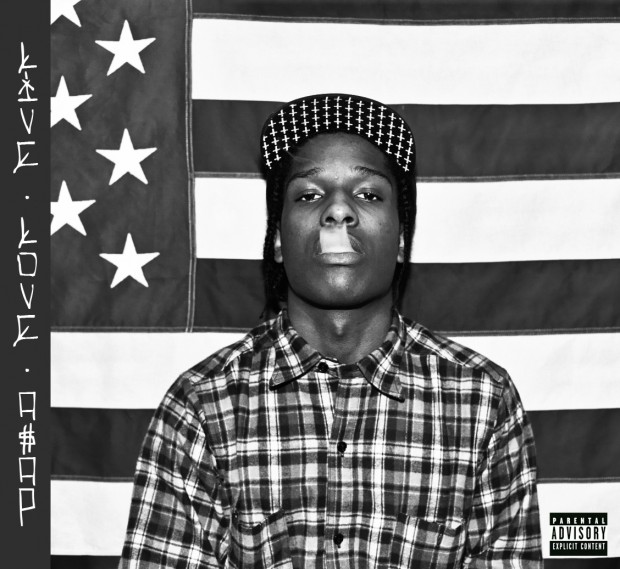
A$AP Rocky – LIVE.LOVE.A$AP (2011)
A$AP Rocky’s debut, LIVE.LOVE.A$AP evokes the halcyon era of the mixtape. Like so many unsanctioned releases of the era, LIVE.LOVE.A$AP, free of major-label scrutiny or sample-clearance concerns, is free-flowing and extemporaneous. LIVE.LOVE.A$AP is also emblematic of early Rocky’s adoration for Southern, syrup-glazed production (he’s an avowed Three 6 Mafia and UGK devotee). While it’s true A$AP Rocky is a rapper, the mixtape never exemplifies punchline-powered bars, but with his efficient, self-assured cadence over punchy, lurching compositions, you realize it barely matters. As the kids say, it’s a vibe. – Paul Glanting
LIsten: Spotify
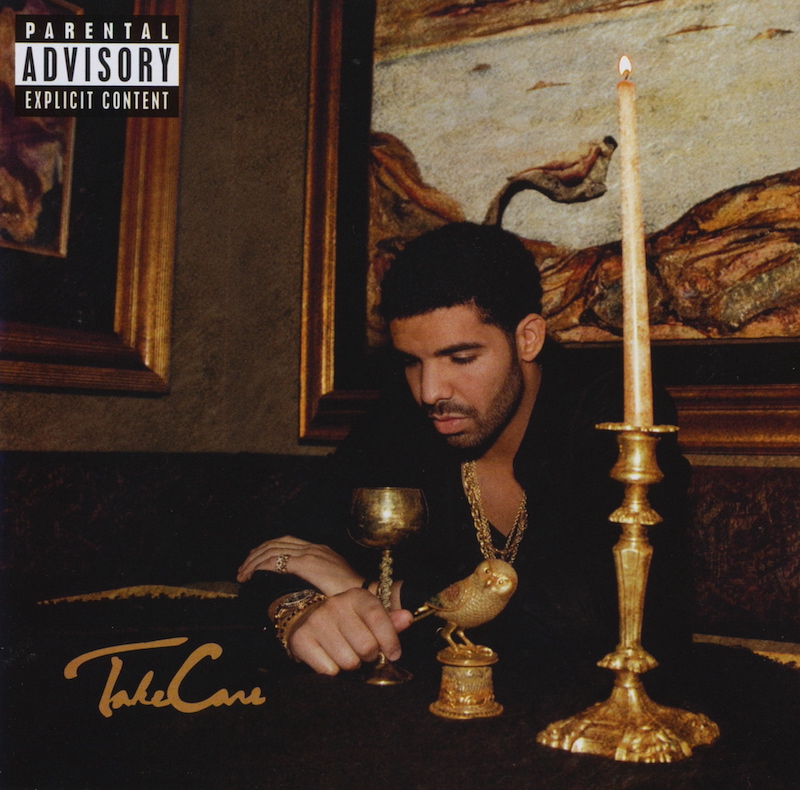
Drake – Take Care (2011)
They say the music you loved in high school never leaves you. Take Care came out during my junior year and soundtracked many an hour of self-indulgent brooding, so I guess I’m biased. But I’d argue that Drake’s second studio album is a great teen album, period. It’s candid to the point of breathlessness, frequently juvenile, hooky even in the verses. Corny? Sure; it’s Drake. But that’s not because he puts on airs (as it turned out, he’d have the next 15 years for that). On the contrary, it’s because he’s so shameless in magnifying lovelorn, narcissistic, alienated feelings. And a generation of sensitive rappers followed suit. – Casey Burke
Listen: Spotify

Shabazz Palaces – Black Up (2011)
It’s easy to say about any year, but 2011 was a big year for hip-hop. The big names of the genre seemed in overdrive, Kanye following his previous year’s My Beautiful Dark Twisted Fantasy with a ridiculously anticipated Jay-Z collaboration, while Eminem was busy sweeping the Grammys. Amidst it all, though, the undercurrent of fresh waters was emerging. A kid called Kendrick released his debut to critical acclaim, as did a duo from Seattle called Shabazz Palaces whose darkly weird, jazz-influenced brand of hip-hop turned heads. Steeped in strange rhythms, experimental song structures and one half ’90s hip-hop royalty, Black Up was a progressive album that encapsulated hip hop’s need to keep moving. The fact it was the first hip-hop album released on Sub Pop perhaps speaks more volume than its bass and drums ever could. – William Lewis
Read More: Ishmael Butler on the 10 best Shabazz Palaces songs
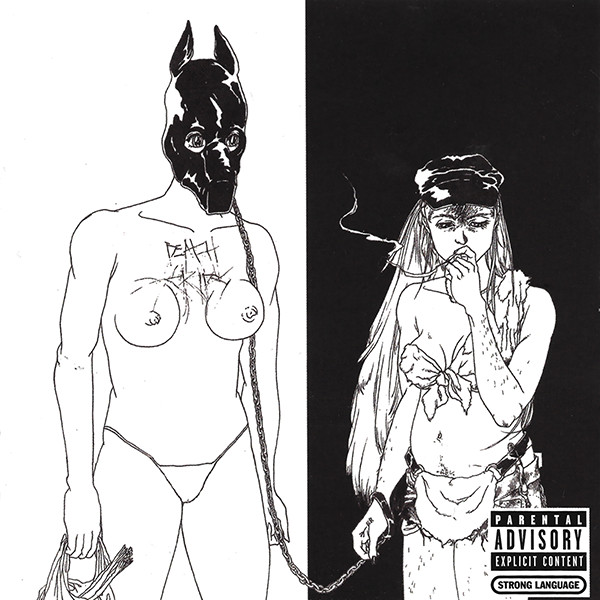
Death Grips –The Money Store (2012)
Death Grips’ The Money Store is a relentless, chaotic surge of sound that’s simultaneously punishing and exhilarating. Zach Hill’s breakneck drumming, Andy Morin’s jagged production and MC Ride’s visceral, confrontational delivery create a sonic assault that defies conventional structure. Yet this is a release that stays hypnotically precise. The Money Store‘s abrasive industrial textures and distorted, unpredictable rhythms push the listener out of what is normally considered hip-hop—Mustard this is not. Yet, despite its aggression, the album is meticulously composed, with layers of noise, melody and rhythm hurtling in often surprising ways. In this, among its best recordings, Death Grips offer a confrontational and unforgettable experience. The trip is considered among the most daring acts in contemporary experimental hip-hop, rightfully so. – Ernesto Aguilar
Listen: Spotify
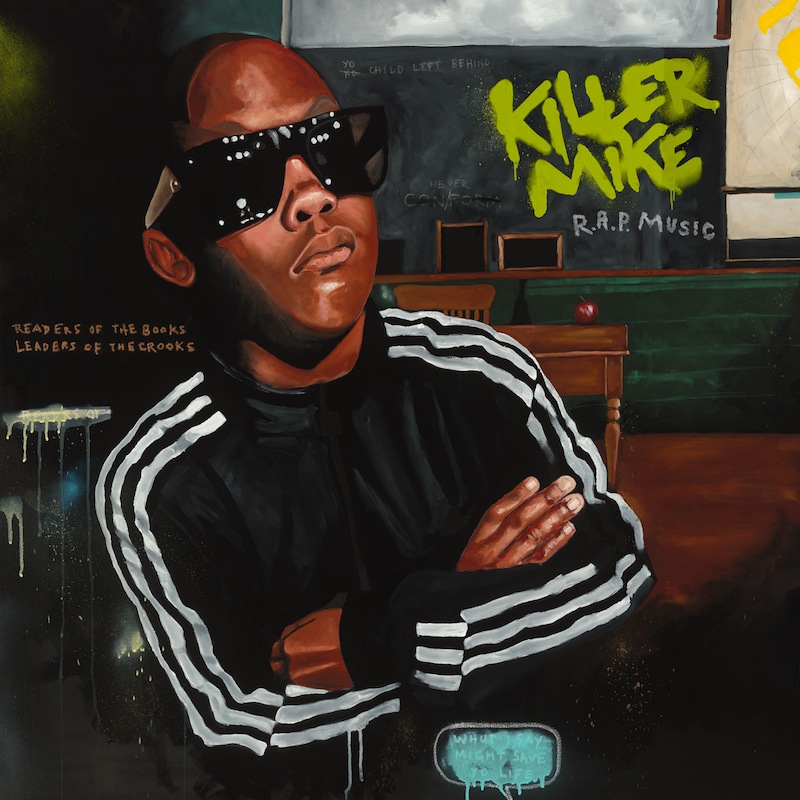
Killer Mike – R.A.P. Music (2012)
With El-P producing the monstrous backing tracks in a dry run for Run the Jewels, Killer Mike used this album to step out from the shadow of OutKast and put Atlanta rap on a whole ‘nother map. Mike rejected the “political rapper” label, and deft references to notable strip clubs and the drug trade certainly support his argument, but the social commentary he delivers repeatedly dips into the same potent inkwell. From NYC (“Anywhere but Here”) to the West Coast (“Untitled”), from DC’s corridors of power (“Reagan”) and back to the ATL’s darkside (“Big Beast”), he warns that there is no true safe haven for black men. It doesn’t hurt that in style and sound he also channels some of the nation’s master rap storytellers—Chuck D, Ice Cube, Slick Rick, Jay-Z—in relaying that somber message. – Adam Blyweiss
Listen: Spotify
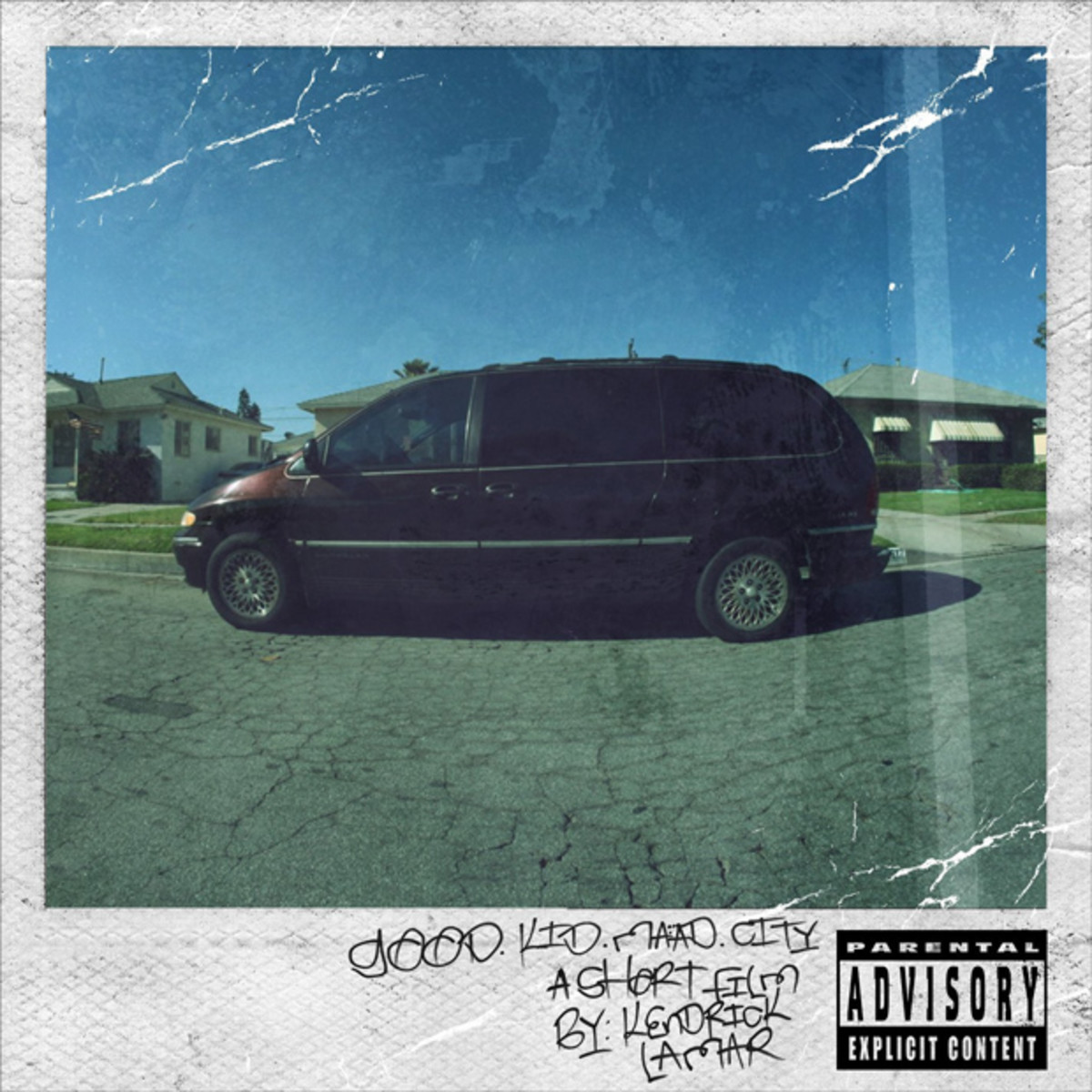
Kendrick Lamar – good kid, m.A.A.d. city (2012)
Few have managed to bridge commercial success with critical acclaim in recent years quite like Kendrick. A true megastar of popular culture, his ability to combine accessible rhythms and rhymes with compelling narratives have nonetheless garnered him widespread acclaim compounded in To Pimp A Butterfly and fully realized to actual Pulitzer levels in DAMN. But it was there for all to see early on, most notably good kid, m.A.A.d city. While not his first record, it was a true breakthrough regardless, the actualization of the potential shown in Section.80 and the platform from which his king status would launch. Heaving with intensely clever, confronting and darkly comedic lyricism, good kid, m.A.A.d city displayed Kendrick’s ability to simultaneously master the tropes of hip-hop while turning them inside out—something that would become a staple of his work. The definition of groundbreaking. – William Lewis
Listen/Buy: Spotify | Turntable Lab (vinyl)
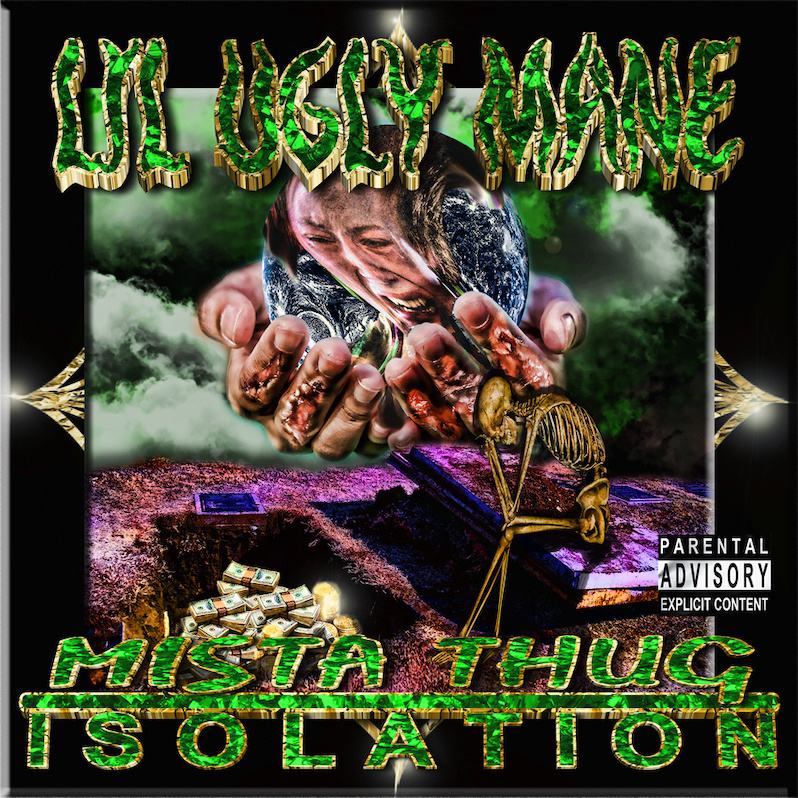
Lil Ugly Mane – Mista Thug Isolation (2012)
Richmond noise artist Travis Miller recorded a series of limited-release projects under a number of different names before trying his hand at a Three 6 Mafia-influenced Memphis rap mixtape (with some Houston-style chopped-and-screwed vocals) under the name Lil Ugly Mane. Given the pace at which he cycled through other ideas, Mane could have been a one-and-done curiosity, but his debut Mista Thug Isolation quickly caught fire online and made Miller into a cult sensation. Pairing eerie horrorcore trap sounds with a lush and detailed approach to production, Lil Ugly Mane brought a sense of gorgeous indulgence to a typically unsettling style of music, while retaining a darkness and menace that appealed to punks and heshers as much as the real heads. (To drive that point home, his next record, Oblivion Access, lent its name to a noise and metal festival in Austin.) But it’s hard to think of any other emcee/producer who could craft a mesmerizing headphone vibe layered with wildly violent imagery and call it “Bitch I’m Lugubrious.” – Jeff Terich
Listen/Buy: Bandcamp
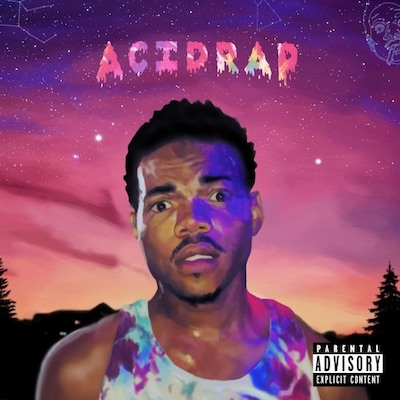
Chance the Rapper – Acid Rap (2013)
It’s not uncommon for us to attempt to critically canonize artists after only one major record, even if history has taught us to be patient. Great artists not always but at least often reveal themselves over time, and that kind of patience watching work over time, both older records and how they stand up and newer produced work, has rarely hurt an artist that should be acclaimed. That said, Chance the Rapper is the exception that proves the rule. There is something immediately and identifiably great about Acid Rap, an album that merges arthouse backpacker rap ideology of beats, production and the expansiveness available within hip-hop with mainstream approachable rhymes. It’s no wonder hearing the tape why Chance went from a buzzed-about underground rapper following 10 Day to someone cozying up with Kanye West and Beyonce; he managed to embed himself via clever wordplay and one hell of a delivery, honed after years of live performances, deep within the flesh of both mainstream and underground rappers. And he did so all while remaining unsigned, championing the same street-level attitude rap had during its shared birth in the same area and time-period of punk, which is both a testament to the quality of his record to overcome others with more money behind them and a credit to the rap community for so strongly embracing a self-released work, catapulting its creator to mega-stardom, a thing rock hasn’t done in well over two decades. – Langdon Hickman
Listen: Spotify
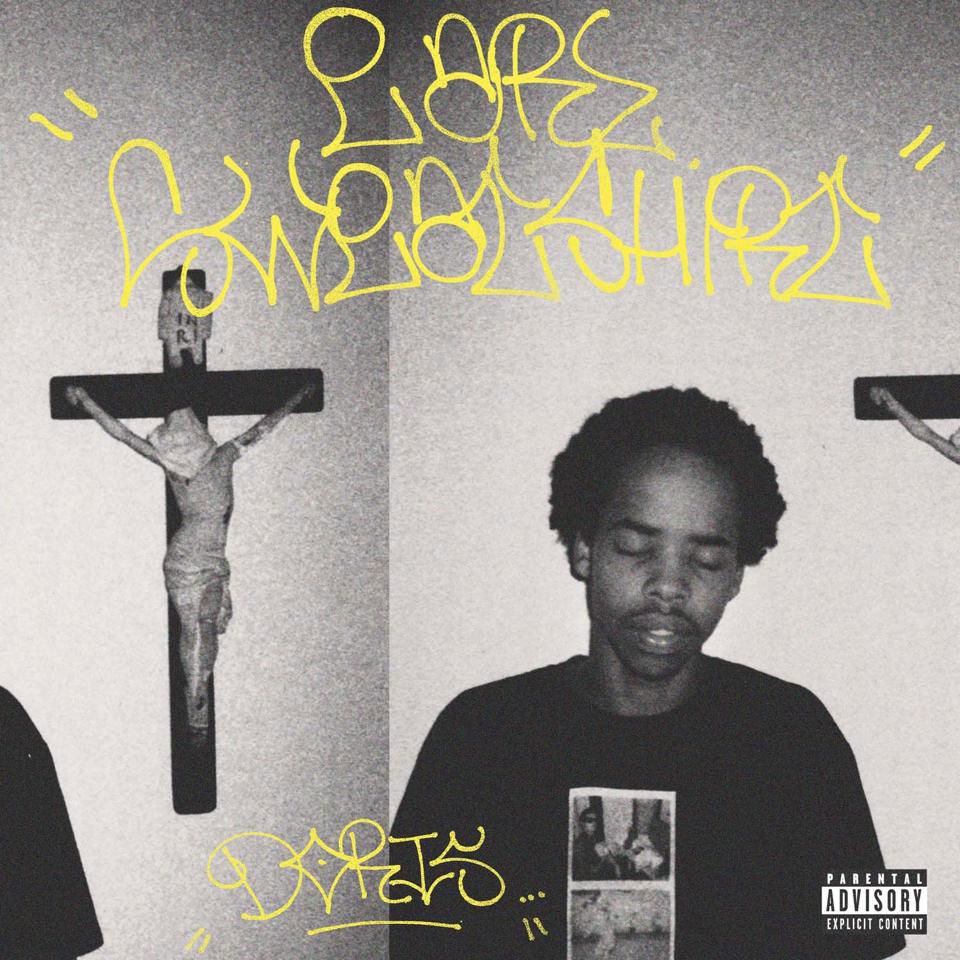
Earl Sweatshirt – Doris (2013)
Earl Sweatshirt might be in his “unc era,” but the road to some of his breeziest music to date winds through a brash teenage debut as part of the headline-grabbing Odd Future collective and a darkly introspective beginning to a new chapter—one that began a streak of great records that comprise some of the best rap of the 2010s. Only 19 at the time Doris was released, Earl swapped out the horrorcore antics of his debut for a more grounded yet frequently more unsettling series of meditations on grief, alienation and the fallout from the “Free Earl” campaign that only made things more complicated in his personal life. A lot to process? Definitely, but it sounds stunning in its ominous haze throughout, featuring production from Christian Rich, BadBadNotGood, RZA and The Neptunes, in addition to Earl himself, as well as offering an introduction of sorts to Vince Staples. And even at its darkest, Earl is a master wordsmith, rendering isolation and disillusionment with fine detail and effortless delivery. – Jeff Terich
Listen/Buy: Spotify | Turntable Lab (vinyl)
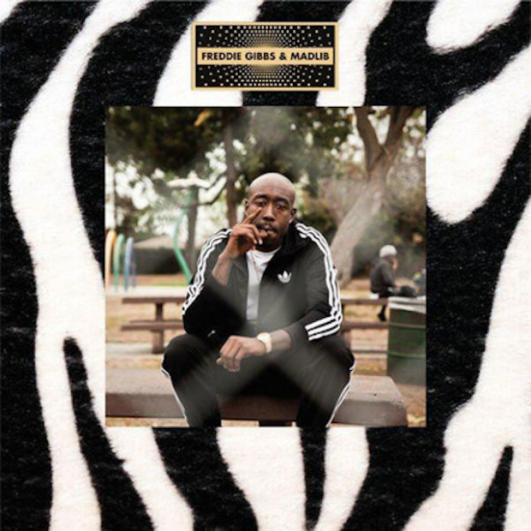
Freddie Gibbs & Madlib – Piñata (2014)
The Venn diagram of hip-hop fans who like Freddie Gibbs’ singular ground-level take on crime rap and also can’t get enough of Madlib’s abstract genre-hopping vinyl nerd production might seem small. But Gibbs and Madlib had a clearly aligned vision that paid off in spades: Piñata filters Gibbs’s highly detailed observations of life, love, sex, drugs, violence and, well, incredible fried chicken dinners (it is impossible to listen to “Harold’s” without getting hungry) through an immersive sonic tapestry of ’70s funk rhythms, languorous jazz and dozens of blaxploitation film samples. Earl Sweatshirt, Raekwon, Danny Brown, Scarface, the late Mac Miller and others show up to drop excellent guest verses, but rest assured, this is Freddie’s show. While the gangster narratives of “Thuggin” and “Supplier” are well within the Gary, Indiana MC’s wheelhouse, he also gets more intensely personal and vulnerable on songs like “Deeper” and “Lakers” than most rappers stylistically comparable to Gibbs ever do. – Laura D. Flowers
Listen/Buy: Spotify | Turntable Lab (vinyl)
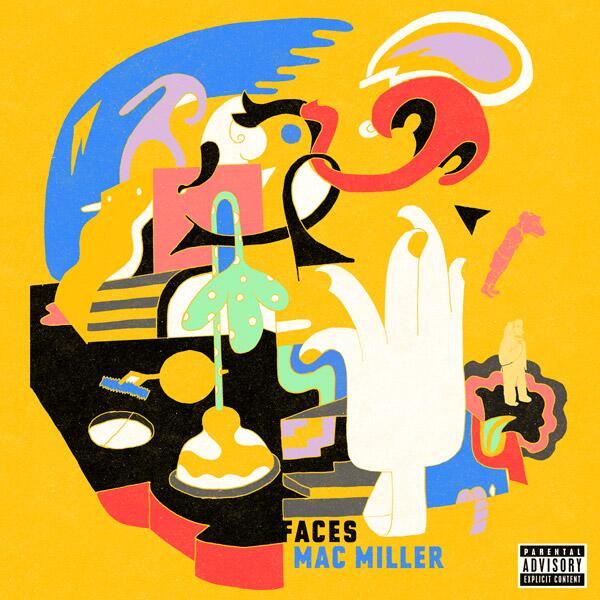
Mac Miller – Faces (2014)
“Shoulda died already,” is how Mac Miller begins Faces, and it doesn’t get any sunnier from there. In fact, this nearly 90-minute mixtape is the late rapper’s longest, loosest, bleakest project. Released four years before the fact, it features so many allusions to his own death from drugs that listening today feels like being party to a sick joke. But to linger on the tragic would be to misrepresent the mood: not only devilish but warm and inviting, heavy on the organ, jazzy, analog, and/or just plain strange. See: the celestial slow-burn “Colors and Shapes,” the chest-thumping “Here We Go,” or the hilarious “Friends,” in which Mac talks about meeting Kevin Hart over a Miles Davis sample. As painful as it is that we won’t see how Mac would have evolved, Faces is a gleeful embarrassment of riches. – Casey Burke
Listen: Spotify
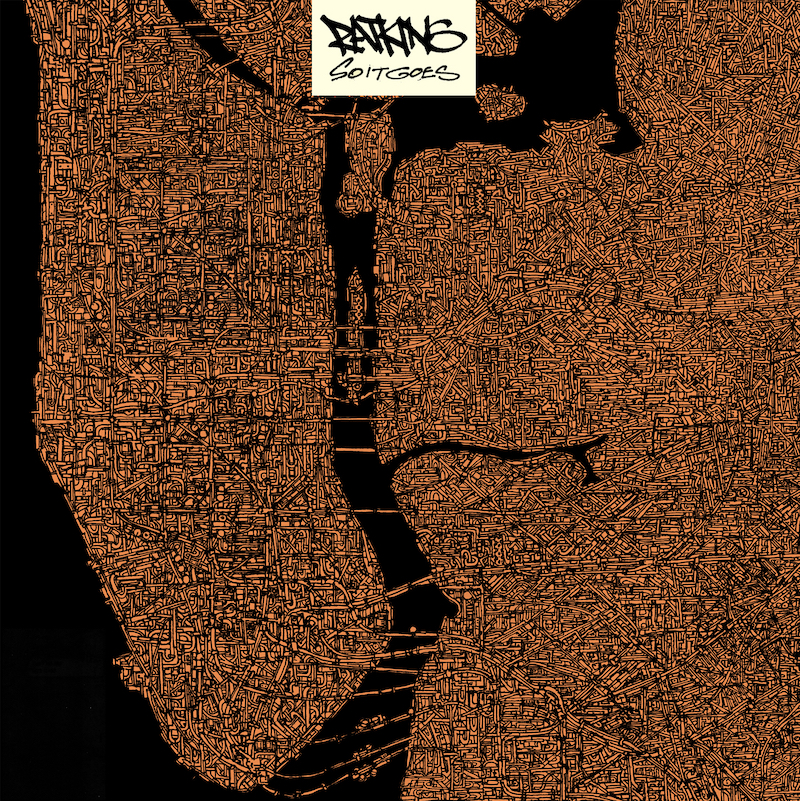
Ratking – So It Goes (2014)
Plenty of rap captures the grime or the glamour, the menace or the meanness of New York City, but few artists have so successfully captured the frantic pace, the sensory overload of it all like Ratking did with So It Goes. The sole full-length from the team of Wiki, Hak and Sporting Life, So It Goes is both harrowing and hypnotic, a sprint through a chaotic landscape of steam and steel, bitter cold and hot garbage fermenting on the sidewalk. You never quite know what’s under a manhole when you open it here—visions of Baphomet or hieroglyphic scriptures, or just another way to grow disoriented. – Jeff Terich
Listen: Spotify
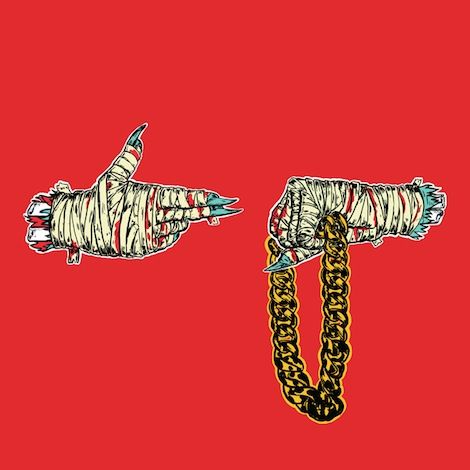
Run the Jewels – Run the Jewels 2 (2014)
After trading production, guest verses, and tour itineraries at the start of the 2010s, El-P and Killer Mike joined forces in the studio to get on some proper bullshit. Their first go-round as Run the Jewels in 2013 was fun and hard, but as a free download—and in the shadow of their work in the name of Adult Swim—it had more than a whiff of pranksterism. It was their second album that really set spinning the yin of El-P’s insular misbehavior and the yang of Mike’s seething, activist anger. El’s programming packs about as much digitized heat as anything else in his catalog, and the duo are just limber with their bars whether at double speed (“Oh My Darling Don’t Cry”) or from two converging points-of-view (the devastating “Early”). Lines from “All Due Respect” serve as the motto for Run the Jewels 2: “We the goddamn reason for Ritalin/In the back of the class, twitchin’ and fidgetin’.” The duo portray themselves not as mere antiheroes but as bullies, straight-up bad guys. They exist solely to crush, be it blunts or pussy, cops or conspiracy theories, your valuables or your vertebrae. – Adam Blyweiss
Listen/Buy: Bandcamp
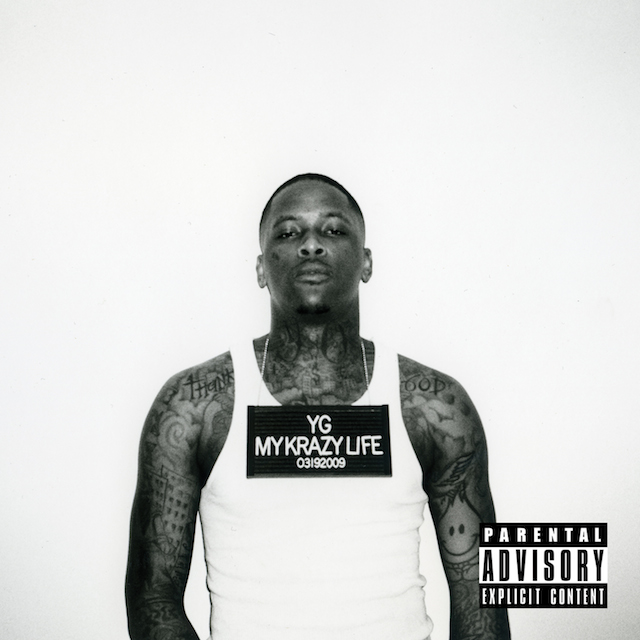
YG – My Krazy Life (2014)
Compton, California, that mythic swath of real estate, where Pirus and Crips lay claim to residential streets and neighborhood parks, might arguably be hip-hop’s most well known subdivision. Generations of rappers have declared their allegiance—shoutout NWA and Kendrick Lamar—but in 2014 YG delivered one of Hub City’s best debut albums ever. My Krazy Life, released on Def Jam, spins likea provincial Rosetta Stone articulating the culture, language and back alley politics of the region. And with just like the best of gangster rap it’s more than surface level machismo. His crime drama narratives also serving as socio-economic critiques, speaking truth to power, offering insight into what structural dysfunction looks like. Indeed, environment and the individual—a nature vs. nurture dissertation on tape, the strength of street knowledge, playing out over Mustard beats. – JS
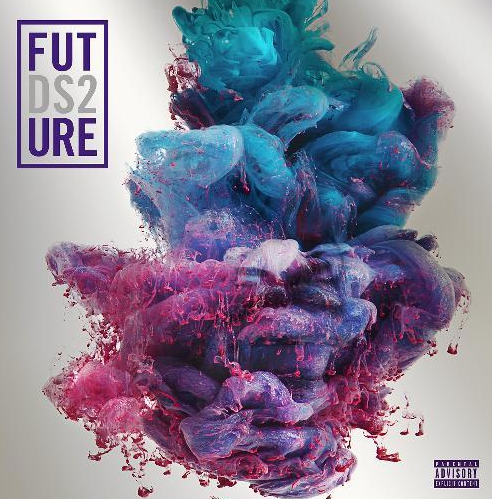
Future – DS2 (2015)
Few artists in modern rap are more mercurial and contradictory than Future: an MC with pop-song melodic instincts who intermittently flaunts and hates them, a relentless hedonist with enough clarity to periodically recoil in horror at his drug use, a misogynistic solipsist pondering suicide in the club. All of these facets are present on DS2, the third (and, thus far, best) studio album by Atlanta’s preeminent codeine dreamer. Often, the traits are at war with one another, as on “I Serve the Base”: He’s so fucking high his brain veers abruptly from dissection of his career (“Try to make me a pop star and they made a monster”) to what might be a haunted allusion to the NYPD murder of Eric Garner (“Say your last words, can’t breathe”) and back to drugs (“Full of so much chronic need a detox”). Problematic and grim though he often is, Future is also rarely less than compelling, and you sense the immense pain behind the bluster in songs like “Blood on the Money” and “Kno the Meaning.” Add a coterie of hallucinatory synths and skeletal trap drums from Southside, Metro Boomin and Zaytoven to the mix, and you have a recipe for hip-hop excellence. – Laura D. Flowers
Listen: Spotify
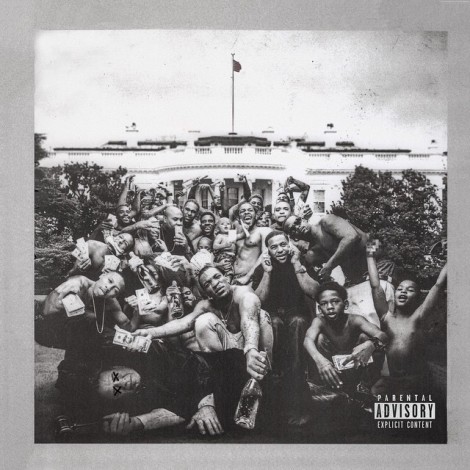
Kendrick Lamar – To Pimp a Butterfly (2015)
The road from Sherane’s house to a Pulitzer included a detour through a free-jazz and funk fantasy shot through with a nervous breakdown brought upon by the trappings of fame. Kendrick Lamar’s weirdest and most experimental record was only his third overall, and when it arrived it did so without much in the way of a warning from Kendrick himself. By this point, Lamar already had one masterpiece under his belt—2012’s good kid, m.A.A.d city, an autobiographical-of-sorts narrative of growing up in Compton painted with both gritty and fantastical tones. But having ubiquitous singles like “Swimming Pools (Drank)” and “Bitch Don’t Kill My Vibe” all over radio has its drawbacks, and within a few years K-Dot was beginning to ask the bigger questions about fame, Black fame in particular, and allusions to the likes of Richard Pryor, Tupac and Michael Jackson (and a winking reference to Bill Clinton) illustrate the perilous path that filled him with trepidation. But rather than become a recluse like Sly Stone, he made a groundbreaking psychedelic soul record…like Sly Stone. With guests such as Thundercat, Kamasi Washington, George Clinton and Snoop Dogg, Lamar opens the doors to a strange musical hallucination that’s both introspective and deeply funky. He talks to God who takes the form of a beggar, rewrites James Brown lyrics to take a jab at Drake, and released a single that came to be an anthem for the Black Lives Matter movement. There’s not a moment on this record, however peculiar, that doesn’t feel monumental.
When we first ran this list, ranked, in 2019, To Pimp A Butterfly was our number one album. It doesn’t seem that controversial, but of course it inevitably is: People are still debating it. At the time it was subject to “this album is overrated” essays. It was also a favorite of the President. No, not the current one—the one whose assertion of “I think we’ll be OK” on Anthony Bourdain’s Parts Unknown now feels like cold comfort in the face of a doom we brought upon ourselves. Things got worse after that. Things got worse after To Pimp a Butterfly. Everything except Kendrick’s own music, it seems. But when Pharrell takes the mic briefly to say “We gon’ be alright,” it’s not blind optimism but a statement of determination, and the enduring power of “Alright,” the optimism of “i,” the anger of “The Blacker the Berry,” and the jubilation of “King Kunta” prove Kendrick Lamar as a figure both inspirational and inquisitive. He’s the first to admit he doesn’t have the answer, but there’s something reassuring about him being right there with us. Is there a better rap album released in the past 20 years? Maybe—many of the album’s best moments don’t even involve rapping. But few collections of music are this powerful. – Jeff Terich
Listen/Buy: Spotify | Turntable Lab (vinyl)
Vince Staples – Summertime 06 (2015)
Vince Staples’ Summertime ’06, his first and best album, is an utterly restless and vital document, a hollow-point with no name on it. Vince’s narratives push him from dead-eyed to desperate and back again as he embodies every kid from Long Beach who got caught and drowned in the current. Its Part I (Summertime is a double album; Vince, ever a traditionalist) is breathless and shattering, half-drug nightmare and half-hood drama; it ends with the title track, the only moment of respite Vince allows himself. “This could be forever, baby,” he sings, searching, yearning for a better future that it might be wiser not to let himself hope for. Part II is colder, more ruthless, more committed to its bloodthirst, but Vince is never in control. On “Ramona Park Legend, Pt. 2,” old friend Earl Sweatshirt intones, “I’m a motherfucking legend”; on track 20 of 20, Vince is cut off mid-sentence. All is lost; all is impermanent. Love will tear us apart. – Ben Dickerson
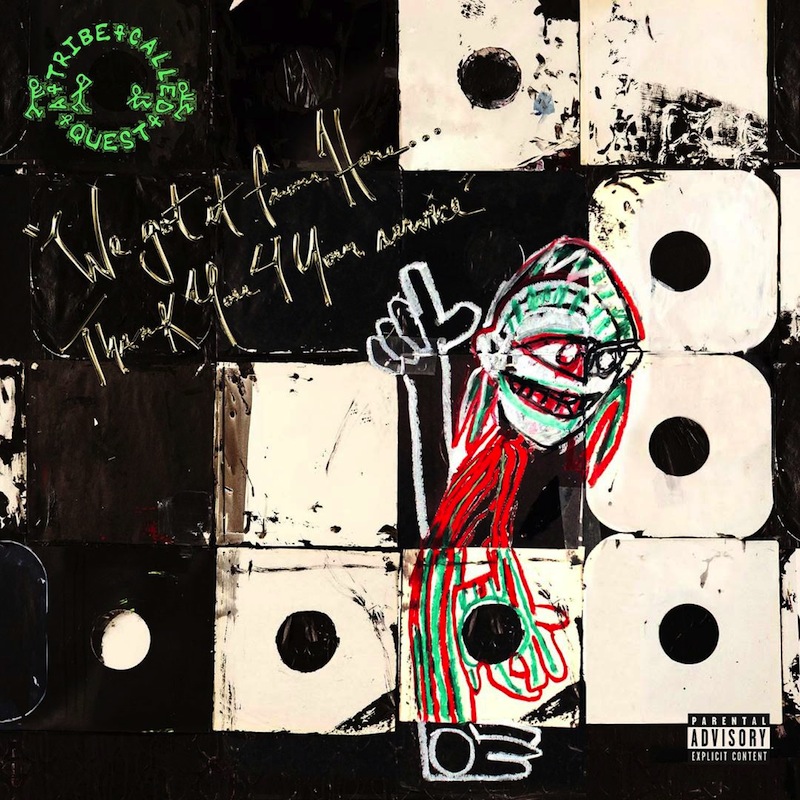
A Tribe Called Quest – We Got It From Here… Thank You 4 Your Service (2016)
Eighteen years, 18 years, you think you got nothing for 18 years, and then…poof! Conciliatory after a Tonight Show performance on the night of the 2015 Paris terror attacks, the most native of Native Tongues retreated to Q-Tip’s New Jersey studio for a year-long trek back to love and respect. They ended up shining light on the production skills of DJ Scratch and Blair Wells, and gave new relevance to longtime member/supporter Jarobi White in the absence left by Phife Dawg, whose death halfway through the process turned every song, video, and tour date into instant tribute. The resulting album and its biggest statements—“Ego,” “Dis Generation,” the frustration anthem “We the People…”—did for/with rock what The Low End Theory did for/with jazz. With liberal sprinkles of Can and Black Sabbath, Elton John and Jack White, the Tribe’s loose, vibrant grooves and lyrics posited black spiritual and cultural experiences against the growing spectre of the politics of separation. – Adam Blyweiss
Listen: Spotify
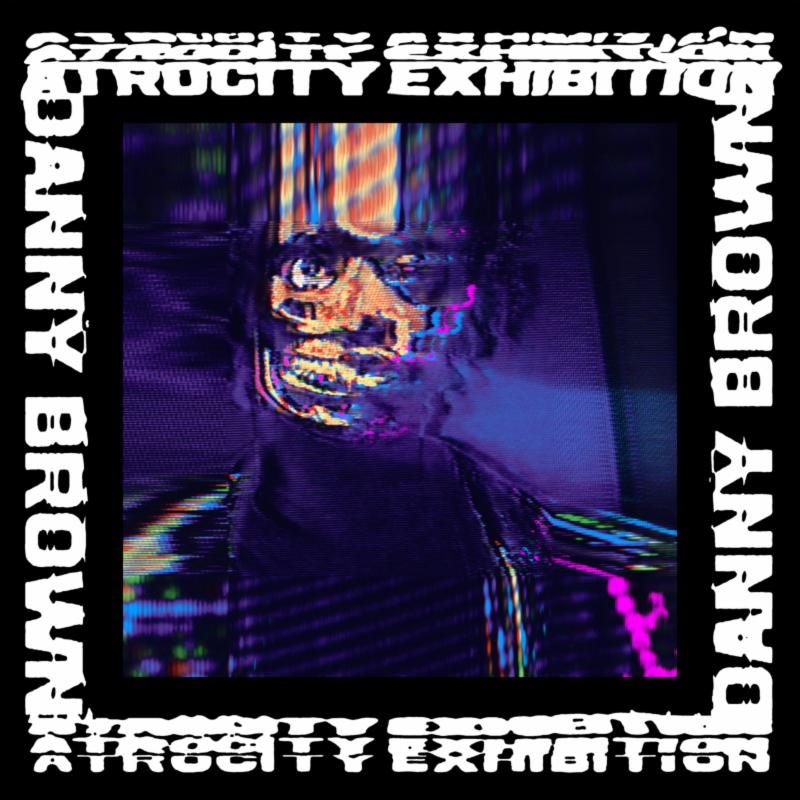
Danny Brown – Atrocity Exhbition (2016)
If any contemporary rapper was going to capture the bleak tones of Joy Division or the transgressive approach of J.G. Ballard, both referenced through the title of Atrocity Exhibition, it’s Danny Brown. Having already established himself as both a warts-and-all truth teller and hip-hop’s most reliable Jekyll-Hyde persona, Brown took his white-knuckle hardcore rap to newly psychedelic heights with his Warp Records debut. It has everything a great rap record should: the posse cut (“Really Doe”), the dancefloor banger (“When It Rain”), the veteran feature (“Get Hi”), and the mind-bending act of genre-busting (“Ain’t It Funny”), all slathered in the eerily stunning production of British beatmaker Paul White. True to its name, the album finds Brown as open and unapologetic as ever about excess, depression, addiction and the realities of the cutthroat world outside his front door. It’s a museum of scars, a showcase of traumas…you get the idea. – Jeff Terich
Listen/Buy: Bandcamp | Turntable Lab (vinyl)
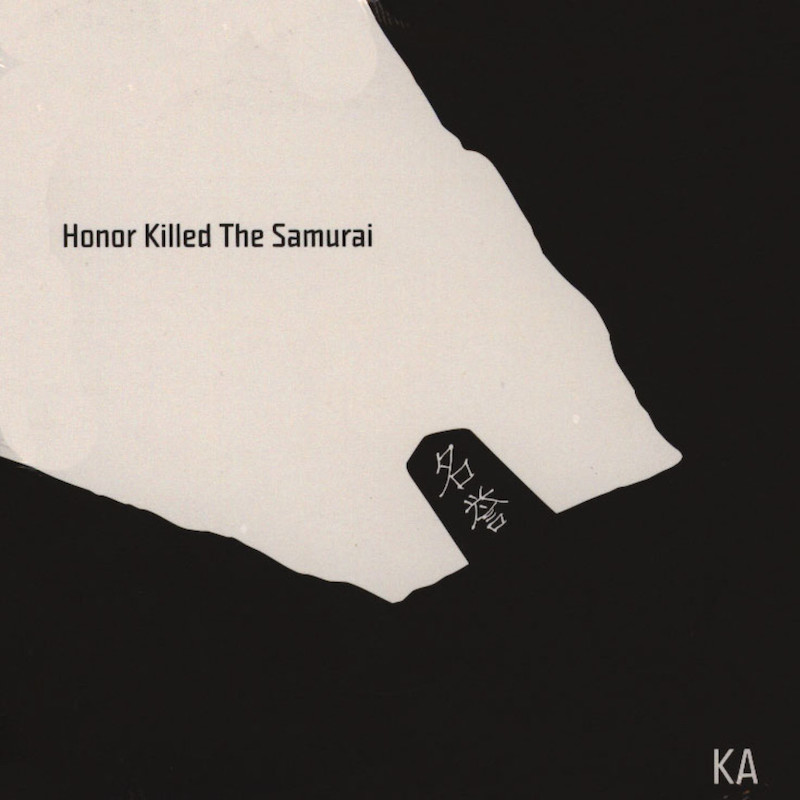
Ka – Honor Killed the Samurai (2016)
Ka used minimalism to such startling effect in his music that it seems almost odd to call it minimal. On Honor Killed the Samurai, his fourth and perhaps best album, songs like “That Cold and Lonely” and “Conflicted” ring out indelibly despite using just a few bluesy or jazzy samples with minimal drums and Ka’s steady, compelling flow. The samurai theme matches Ka’s dedication to creating hip-hop exactly as he wants it, with no mind paid to genre trends (and inspires some well-placed woodwind loops). “Some days wish I could save the children that we was,” he raps on “Ours,” “We need to spare their eyes from all the killings and the drugs.” Other songs make clear he knows this is impossible, especially when shifting perspectives from reluctant warrior to killer’s mindset on “Finer Things.” But he did what he could by giving life and dignity to the sort of everyday people often ignored even by similar street-level rap. With Kaseem Ryan’s untimely 2024 death, honor may have killed the samurai, but Ka’s music will endure. It holds untold riches for those who seek it out open-mindedly. – Laura Deadflowers
Listen: Spotify
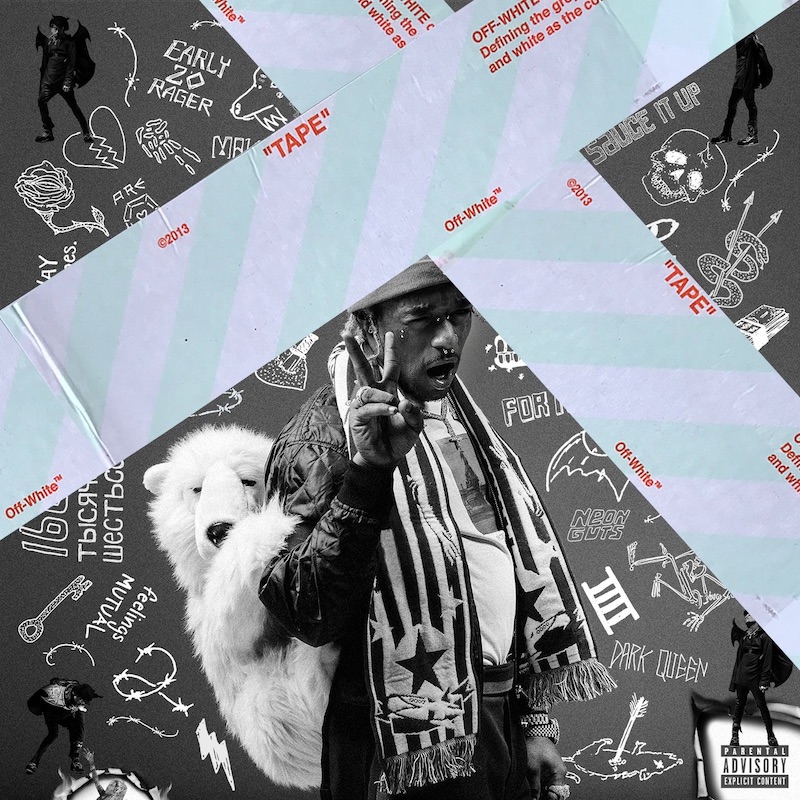
Lil Uzi Vert – Luv Is Rage 2 (2017)
If not for the pesky fact that they’re from Philly, Lil Uzi Vert would earn their spot on a Mt. Rushmore of new Atlanta trap with Future, Young Thug and Playboi Carti. But their debut studio album and fan favorite Luv is Rage 2 is when they really find their own voice. It’s anxious and effervescent, stylistically varied, damning and self-aware, thoughtfully sequenced. With its strong melodic focus, it’s not the best showcase for Uzi’s hyperkinetic rapping ability. But with the possible exception of Eternal Atake, it’s their peak as a songwriter, a blueprint they’ve tried and failed to replicate. – Casey Burke
Listen: Spotify
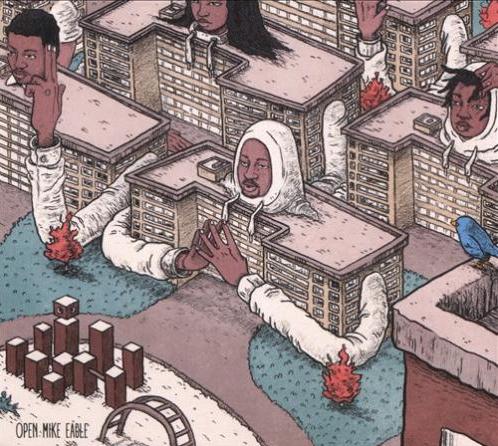
Open Mike Eagle – Brick Body Kids Still Daydream (2017)
Open Mike Eagle is a versatile rapper, having over the course of his career formed a group based around the idea of shuttered retail stores, made a standout song about being gaslit by Clark Kent and dropped a track full of punchlines including a flubbed rhythmic cue. His most conceptually cohesive record, Brick Body Kids Still Daydream, is rich in empathy more than laugh lines (though there’s still a few), building a song cycle around the demolished Robert Taylor Homes housing project in Chicago. Emphasizing the idea that all politics are both personal and local, Mike examines the people displaced from their homes, huddled around radios, daydreaming about slaying dragons, discovering that the neighborhood watering hole is permanently closed. Often understated in sound but weighing heavy with the human effects of gentrification, it’s a deeply affecting monument to a community left behind by the system. – Jeff Terich
Listen/Buy: Bandcamp
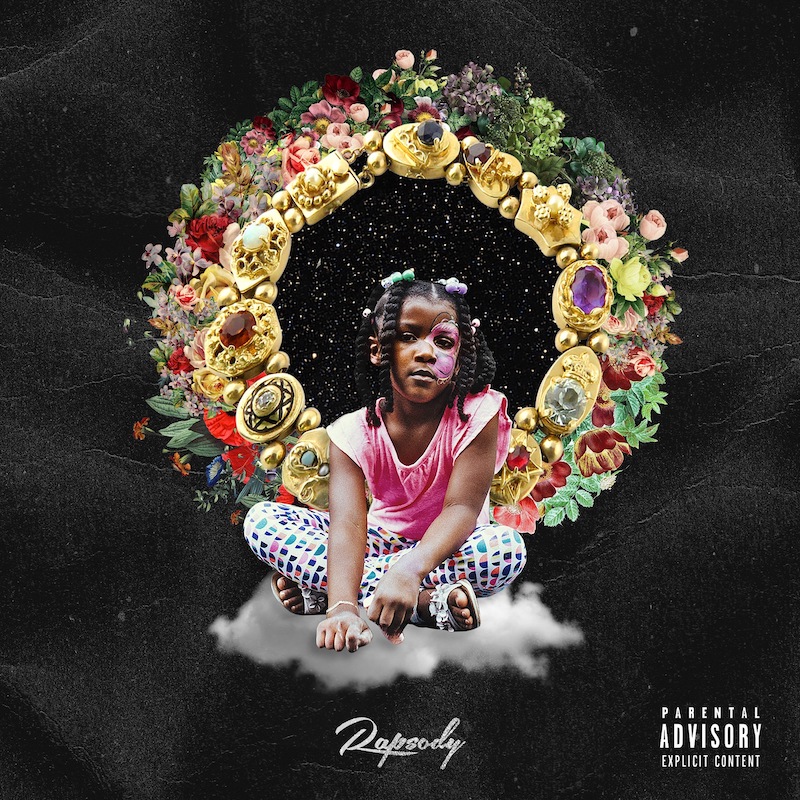
Rapsody – Laila’s Wisdom (2017)
Two years after Rapsody left her mark on Kendrick Lamar’s To Pimp a Butterfly, K.Dot returned the favor on her own lush and soulful standout album Laila’s Wisdom. As did Black Thought, Anderson .Paak and Busta Rhymes. But the starpower on Laila’s Wisdom is less with its big-name assists than its marquee emcee, the North Carolina rapper arriving with a gorgeously produced collection of tracks that intertwine affecting coming-of-age narratives with dazzling lyrical twists. Though it arrived five years after her debut, Marlanna Evans’ sophomore album is the moment where all the pieces come together, where her vision and skills all coalesce. “I been killing for a long time/My lawyer got a caseload.” – Jeff Terich
Listen: Spotify
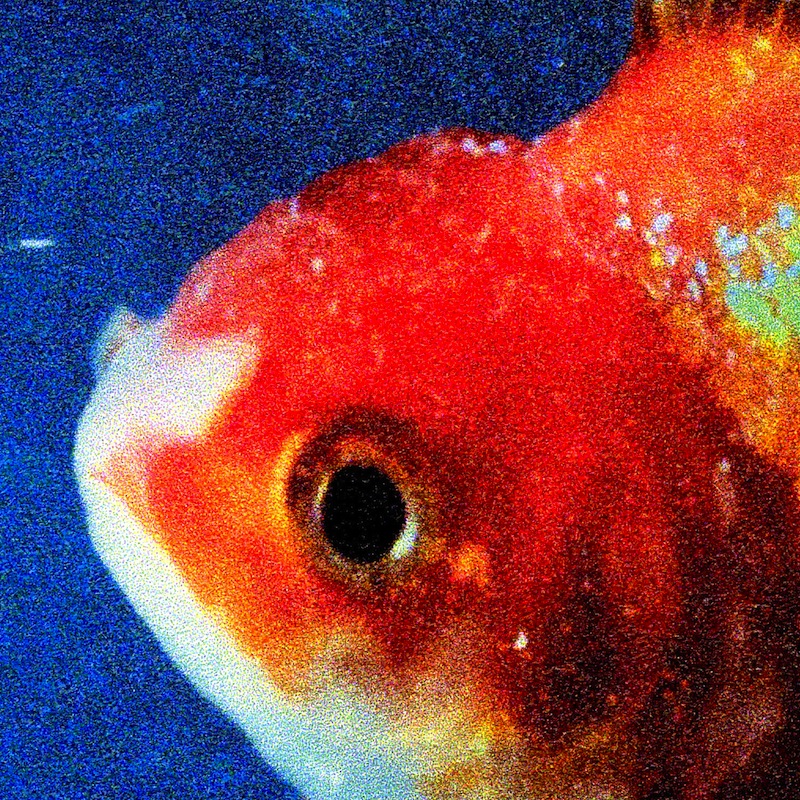
Vince Staples – Big Fish Theory (2017)
Vince Staples makes a pretty convincing case that he doesn’t give a shit. Criticizing “The Star Spangled Banner” because it doesn’t slap, setting up a GoFundMe retirement account—these are the actions of a man who is not here for your bullshit. And while that’s true, to an extent, he’s spent the past five years helping to bring hip-hop into a future that everyone else is still catching up to. After a staggering, dark double-album debut in the incredible Summertime 06, Staples went both electronic and oceanic with Big Fish Theory, an album every bit as chilling but wrapped in production that felt more urgent, physical and hedonistic. It’s a club album in the catacombs, the most introspective set of bangers hip-hop has produced in the past decade or so. To call this album “fun” might overlook how dark it is—death, suicide and paranoia are around every corner—but, well, it is pretty fun, and the meticulousness of its construction contradicts the idea that Vince doesn’t care. And, lest there be any doubt, it slaps. – Jeff Terich
Listen/Buy: Spotify
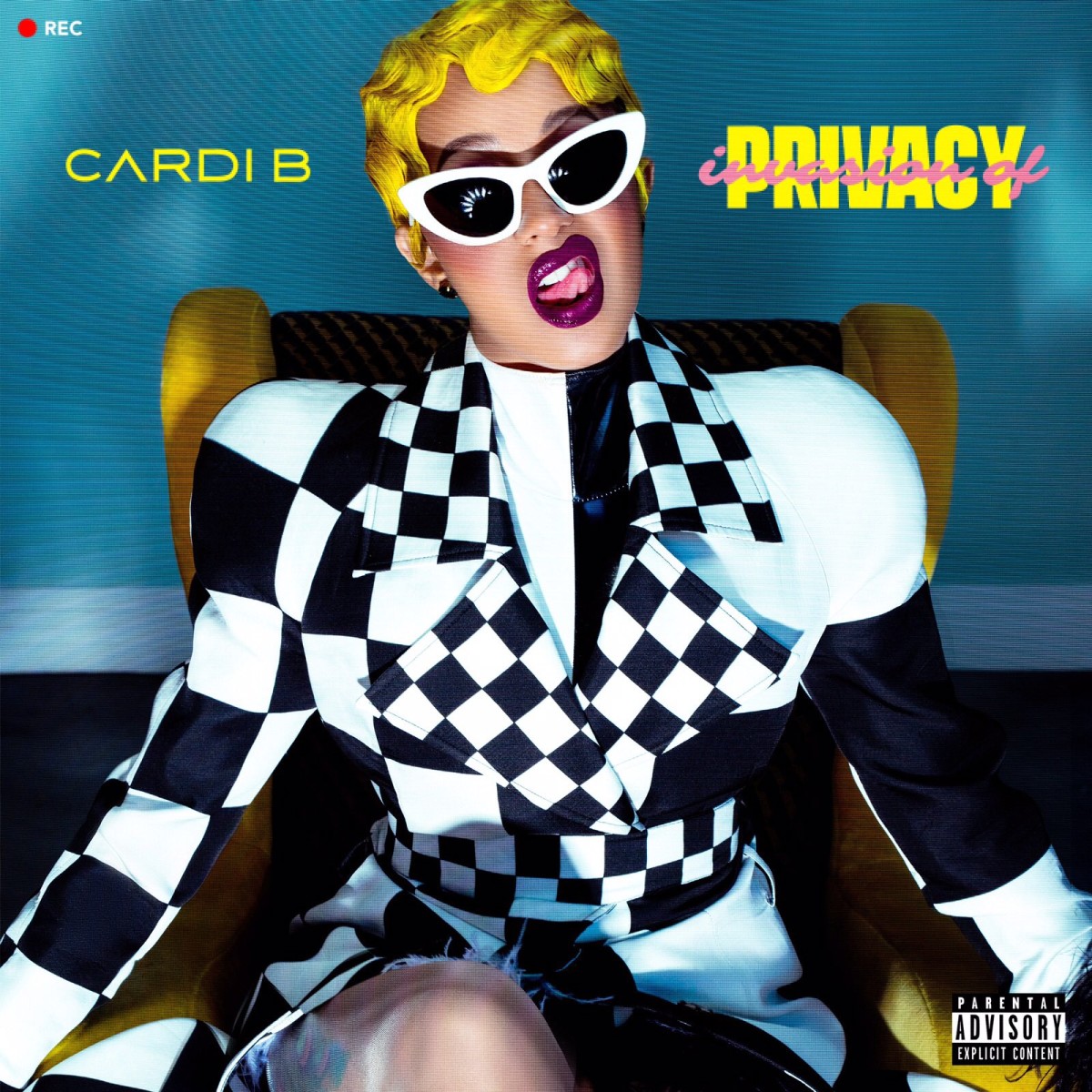
Cardi B – Invasion of Privacy (2018)
The numbers don’t lie, and they do bear repeating. Cardi B is the first female rapper to take a single to number one since Lauryn Hill and first female artist to chart 13 songs at once (all certified platinum) from the best-selling female rap album of the 21st century, not even to mention streams. The point is, people spun the shit out of this record. Those historic statistics might make Invasion of Privacy unignorable, but the music itself is what makes it outright undeniable. Cardi built her sound on a swaggering yet unpretentious confidence and an impeccable ear for hooks, which make for rhymes that are both approachable and anthemic. This is the sound of the new New York, dripped out and decadent. – Flora Arnold
Listen: Spotify
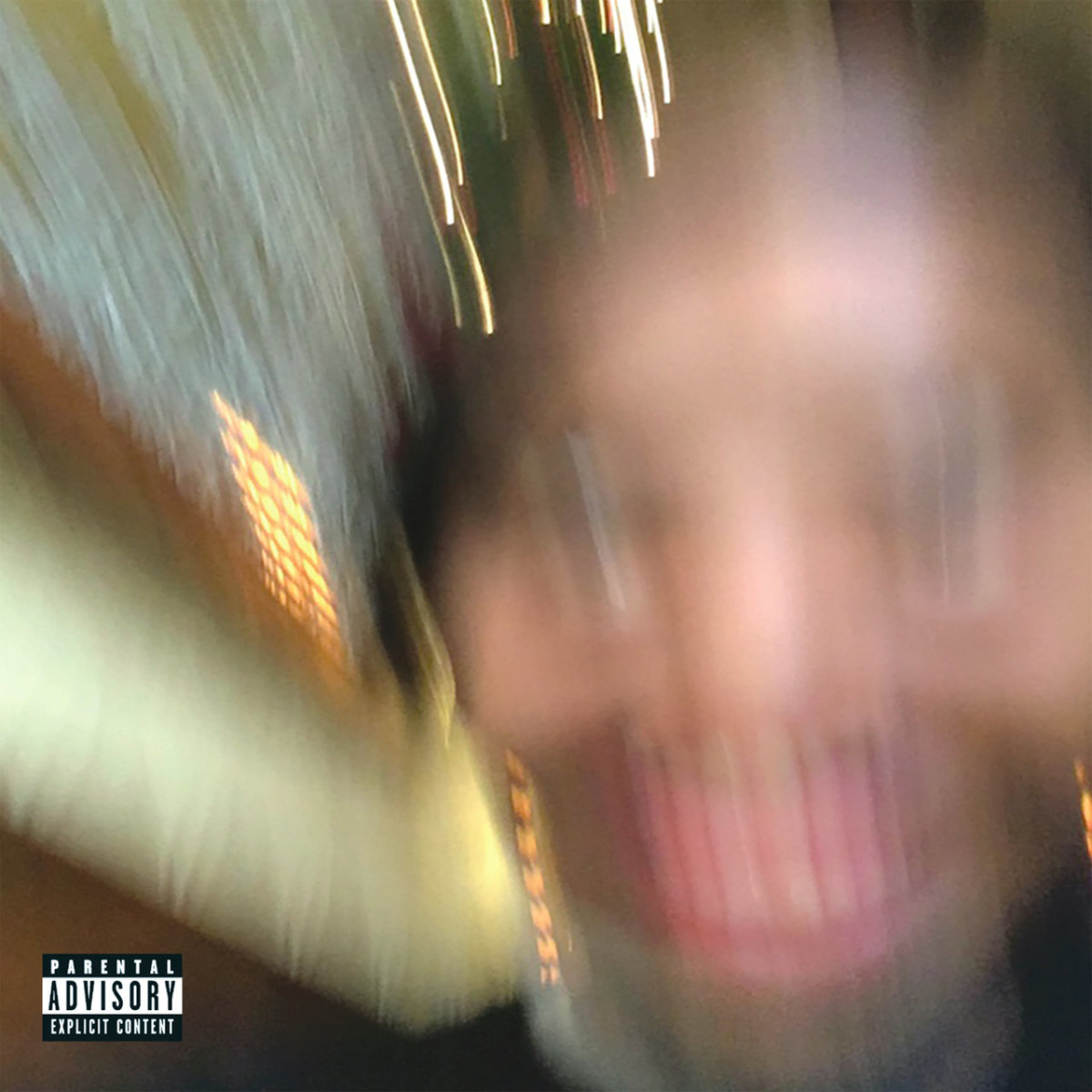
Earl Sweatshirt – Some Rap Songs (2018)
For the first few years after his return from exile, Earl Sweatshirt’s output felt like an attempt to sidestep the anvil-shaped myth hanging over his head. His first two albums, the feature-heavy Doris and the fleeting, claustrophobic I Don’t Like Shit, I Don’t Go Outside both felt like conscious retreats, attempts to deflate expectations that the former rap prodigy would deliver some definitive statement. Some Rap Songs is the first Earl record that feels relaxed and unselfconscious, intimate but not ponderous. Even without taking into account its unassuming title and iPhone-outtake album cover, listening to the album feels like flipping through a sketchbook, all rough edges and homemade warmth. For the first time, it felt like unfiltered Earl, not as he’d existed in our collective imaginations but as he actually is. – Sam Prickett
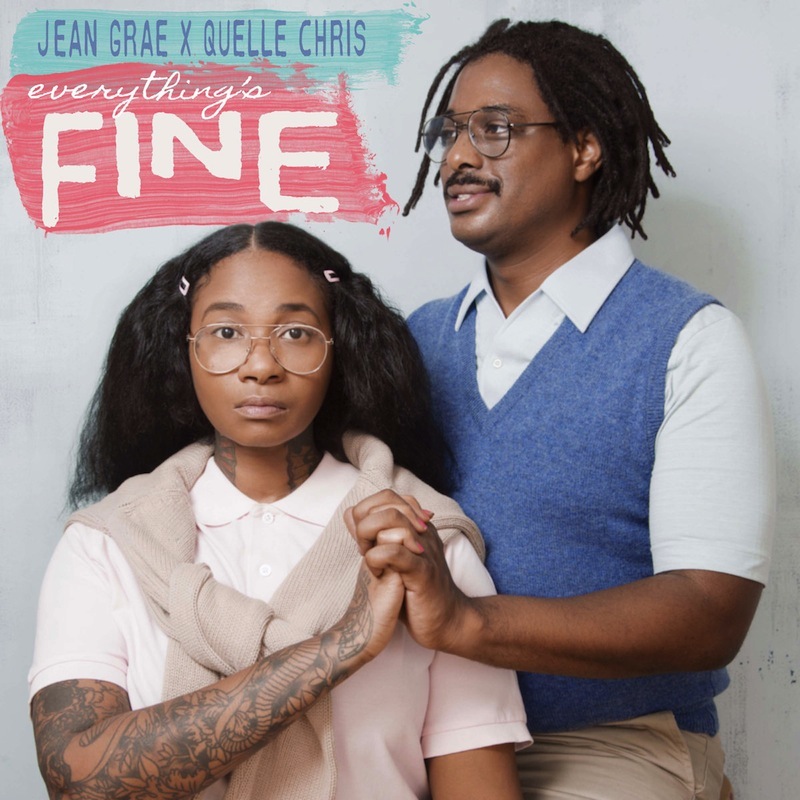
Jean Grae and Quelle Chris – Everything’s Fine (2018)
John Hodgman, Nick Offerman and Hannibal Buress all make appearances on Everything’s Fine, as does a recurring sample of Boris Badenov saying “whaaaat?” that makes me chuckle every time. But the laughs on Everything’s Fine—not that they aren’t legitimately funny—are often in the face of what otherwise might make us sob or huck our smartphones into a river. The clue’s in the title; Jean and Chris wrap hooks, rhymes and punchlines around 21st century frustrations that, well, aren’t exactly new—being caught in the gears of the capitalist machine, indifference to violence against people of color, and the increasing vapidness of a society with no higher aim than to get that bag. But there’s more than a little hope to go with those frustrations, particularly in the moving final track “River.” But in those moments when a silver lining proves elusive, sometimes all you can do is laugh. – Jeff Terich
Listen/Buy: Bandcamp
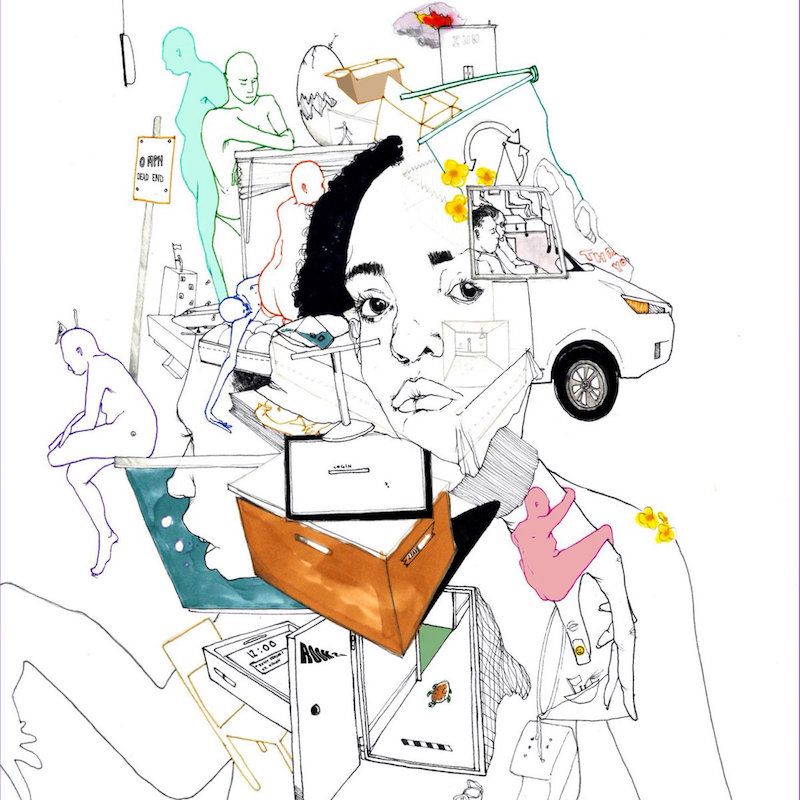
Noname – Room 25 (2018)
Chicago’s Fatimah Nyeema Warner revives a sonic bloodline first encountered two decades ago, as rap’s feminine side started to get poeticized and politicized by subtle, supple voices—Bahamadia, Erykah Badu, Jill Scott. Over string sections and loose drum parts that could have been lifted from a Björk album, the themes of Room 25 comprise a social media feed laid bare, as Noname describes her everyday struggles with sex, love, paying the rent, and gender inequality with conversational casualness. Her lines could be told over the dinner table or FaceTime, yet their vocabulary and deceptive speed expand to fill rooms. – Adam Blyweiss
Listen/Buy: Bandcamp
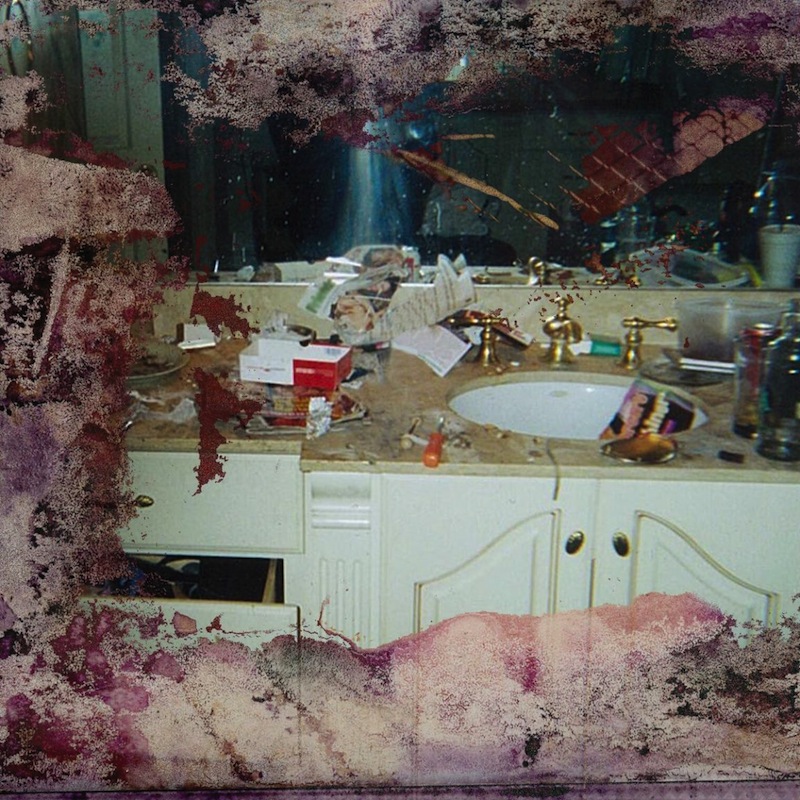
Pusha T – DAYTONA (2018)
I don’t know how many times I’ve listened to this album, but it’s a lot. Pusha’s third studio LP is a brutal narration of the drug economy in all its excess, with every verse measured with care and layered with an intensity that’s present throughout. Produced by longtime collaborator Kanye West, there’s not a second of DAYTONA that feels wasted. It’s a well-tuned piece of music, ruthlessly efficient and only concerned with moving forward. A stunning highlight of post-millennial hip-hop, DAYTONA is a gritty, uncompromising vision and Pusha’s best. – Brian Roesler
Listen/Buy: Spotify | Amazon (vinyl)
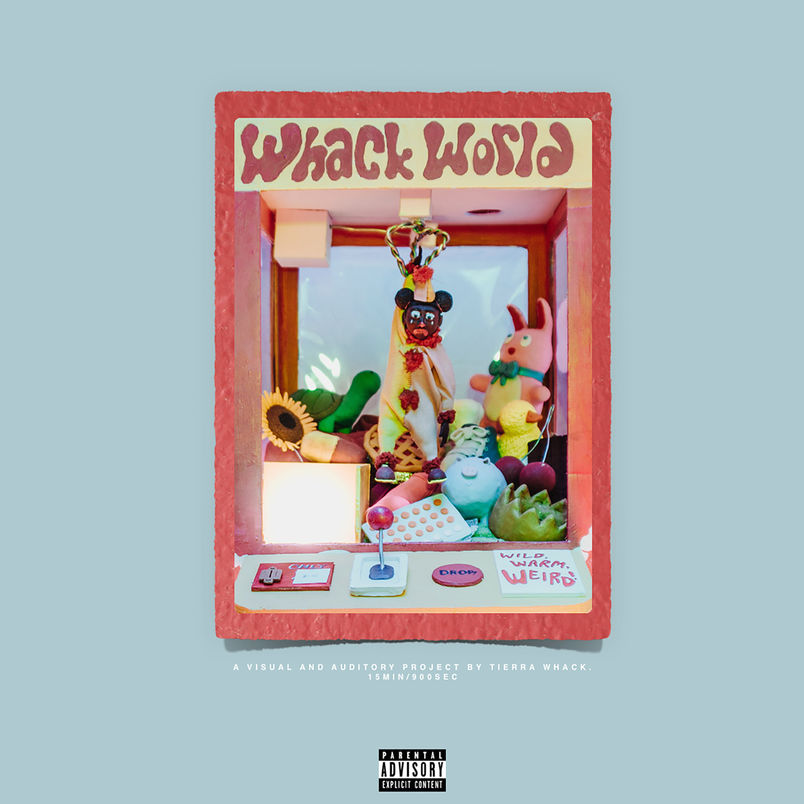
Tierra Whack – Whack World (2018)
Even without the spellbinding video, even without the unusual structure (15 songs, exactly one minute each), Whack World would be a persistent joy. Equal parts diary entry and album in miniature, it’s tightly scatterbrained, optimistic and colorful. And Philadelphia native Tierra Whack has the wellspring of talent to animate its fearless premise: not just hooky hip-hop, but hip-hop as only hooks. As she bounces from calling out shitty men to extolling ionized spring water and vegetables to gentle life affirmations, Whack World feels all at once like a collage, a long song, and a piece of art in a category all its own. – Casey Burke
Listen: Spotify
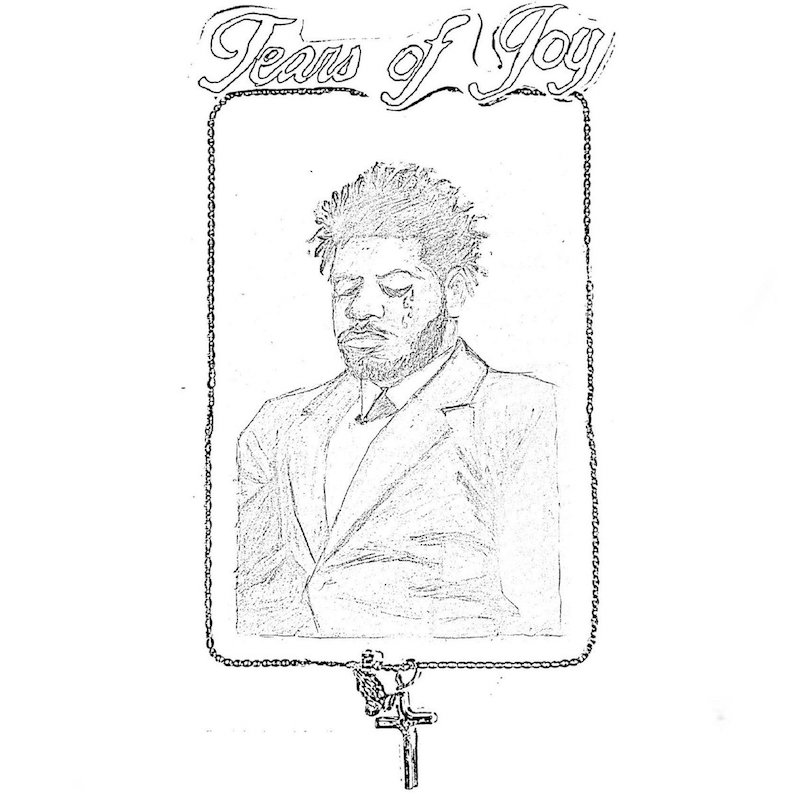
MIKE – Tears of Joy (2019)
New Jersey born Michael Jordan Bonema made a quick escalation from being one of the most promising young rappers of the 2010s to one of the most poignant. Written and recorded after his mother’s death, Tears of Joy is steeped in grief, an introspective journey through the echoing chasm of loss that the then-21-year-old filled with haunted but often richly immersive productions. It’s a curious irony that MIKE’s saddest record is also his most sonically dazzling, pairing a search for meaning with loops that shimmer and sparkle. But it’s as much about finding your way as it is about feeling lost, about healing as much as it is pain. “All my struggles set in stone, I wish they left the earth,” he says on “Whole Wide World,” “Everybody got a purpose, make your message work.” – Jeff Terich
Listen/Buy: Bandcamp
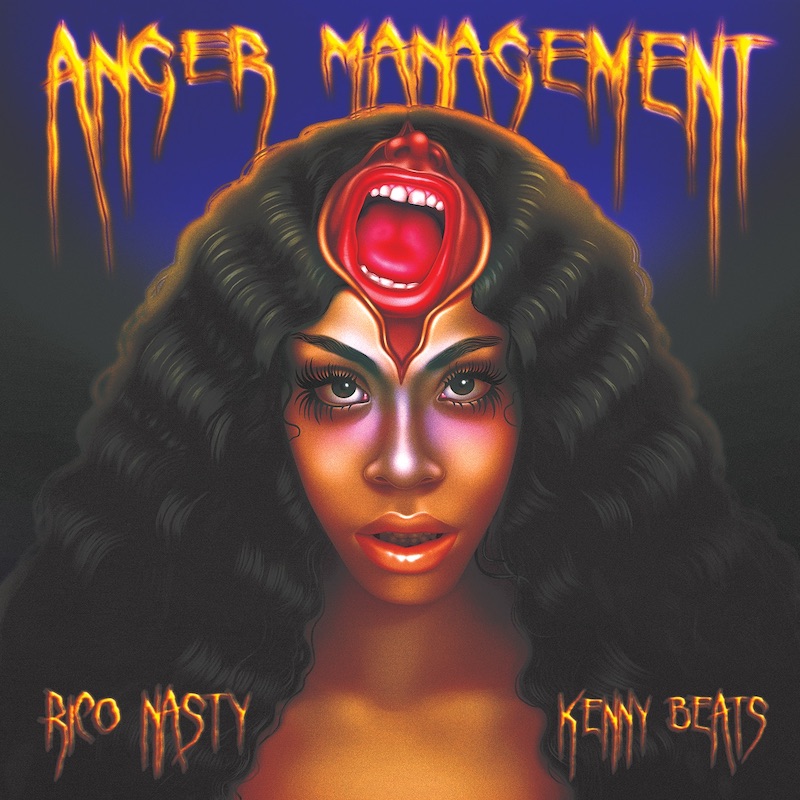
Rico Nasty and Kenny Beats – Anger Management (2019)
Anger Management goes hard. The screaming mouth on Rico Nasty’s forehead on the album’s cover tells you as much, but the Maryland rapper and producer Kenny Beats pull off one of the gnarliest and dirtiest sets of industrial-trap bangers in recent memory—or ever, really—through 19 minutes of sensory overload. Kenny’s a dynamo of a producer, stacking up one minefield of a beat after another, but they’re mostly obstacle courses for Rico to run wild through. She screams, she growls, but most importantly, she can rap. And she proves it again and again through eight selections of top-tier trash talk, and that includes putting anyone on notice who doesn’t recognize that. “Stop comparing me to bitches I’m better than,” she sneers. We would never. – Jeff Terich
Listen: Spotify
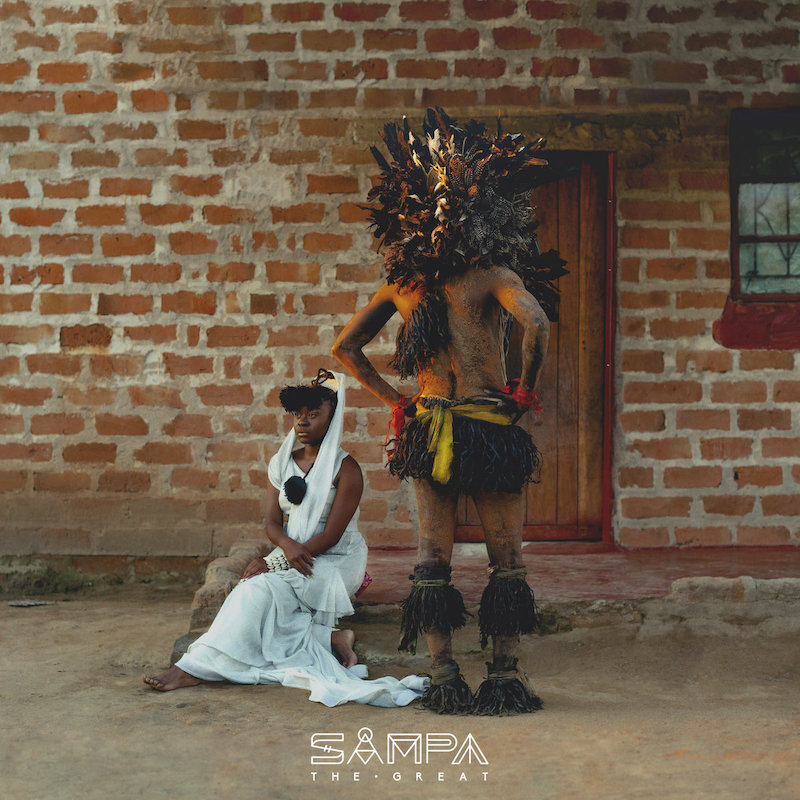
Sampa the Great – The Return (2019)
A Zambian-born artist living in Australia, Sampa the Great opens her debut album with a spiritual journey back to her home, backed with gorgeously rich production and a choir singing in Bemba on “Mwana.” “I guess I found my fortune/I don’t need home to feel important,” she says in her opening verse, but what unfolds throughout the album’s 77 minutes is an exploration of home and reconnecting with a piece of herself that’s thousands of miles away. That blend of cultures likewise informs the sound of The Return, which transitions from African polyrhythms one moment to neo-soul and lean, hard-hitting rap the next. It’s a rare debut album that arrives with this much ambition and spiritual depth, but The Return is a uniquely poignant arrival. – Jeff Terich
Listen/Buy: Bandcamp
Young Thug – So Much Fun (2019)
When asked to rank his own projects, Young Thug gave his debut studio album So Much Fun the number one slot. That rap’s most studious weirdo would bestow that honor on his poppiest project surprised me at first (not Barter 6, Jeffrey, or one of the Slime Season tapes?) But although the hooks are plentiful and the beats maximally worked over, So Much Fun is as nimble, wacky, and relentlessly whimsical as anything Thug put out before 2017. Like Graduation, Tha Carter III or Coloring Book, it’s the sound of an eccentric overhauling his sound without losing the thread, making a great pop album like it’s nothing. – Casey Burke
Listen: Spotify
Yugen Blakrok – Anima Mysterium (2019)
Anima Mysterium set the international (intergalactic?) stage for Yugen Blakrok to reign supreme as the premier sci-fi rapper of our time (affirmed by her appearances on the Black Panther and Cyberpunk soundtracks). The album is a true collaboration with beatmaker Kanif the Jhatmaster, whose production blends neo-futurist trip-hop nostalgia with a deeper boom bap timelessness to create the perfect vector for Blakrok’s transcendental mysticism. Myth and metaphor blur with direct exposition, which seems to affirm both the obviously magical nature of existence and also the untapped (or is it nefariously obstructed?) potential of more than human consciousness: “Open your eyes then the light will show you something / Worlds within words, universes spinning unseen.” – Flora Arnold
Listen/Buy: Bandcamp
clipping. – Visions of Bodies Being Burned (2020)
In some alternate universe, the soundtrack to Judgment Night paired Nine Inch Nails with Three 6 Mafia and Geto Boys with Lustmord. It only took two and a half decades, but Los Angeles trio clipping. made good on some faint, gossamer promise of industrial horrorcore with last year’s There Existed An Addiction to Blood, and delivered an even nastier second installment in this year’s Visions of Bodies Being Burned. The farthest thing from comfort listening, Visions is a response to America’s ongoing reckoning with institutionalized racism via horror-film and experimental hip-hop aesthetics, Daveed Diggs invoking the ’90s-era cult rentals Candyman and Scream while producers William Hutson and Jonathan Snipes dial up both the harsh noise and the bass-driven bops. Nothing here is autobiographical—it’s rooted in pop culture and lore—but it always connects back to something real, something we should face. Fuck, these songs slap though. – Jeff Terich
Listen/Buy: Bandcamp
Boldy James and Sterling Toles – Manger on McNichols (2020)
The elaborate sound of a complex and layered jazz-rap noir record like Manger on McNichols doesn’t come together overnight. The debut full-length collaboration from Sterling Toles and Boldy James took a full 13 years to complete—and it’s rich and immersive enough to make that baker’s dozen well worth the effort. Toles’ stunning production brings James’ bleak narratives to life through intricately layered samples, from sputtering scat vocals and hypnotic vibraphones to deep bass grooves, while Boldy’s deceptively stoic cool provides a deceptive facade to narratives steeped in desperation and regret. Though words like “cinematic” tend to be thrown around lightly, this is a hip-hop masterpiece worthy of the silver screen. -Jeff Terich
Listen/Buy: Bandcamp
Megan Thee Stallion – Good News (2020)
Megan Thee Stallion’s Good News is a high-octane declaration of unflinching self-confidence, regarded as one of her best albums for good reason. From the infectious swagger of “Savage” to the bracing punch of tracks like “Body,” the release fuses sharp wordplay and top-shelf beats that showcase the power of the Houston-bred icon. As with other great hip-hop records, Megan balances her bravado with moments of introspection, reflecting on fame as well as personal growth. She’s always been an artist who can represent her depth in anything she does. Propulsive production binds it all together, weaving trap, club-ready beats and melodic instrumentation into a cohesive, kinetic spotlight. Good News is the ultimate showpiece for Megan’s charisma, proving she has impressive command both the microphone and the listener’s attention to her lyrics and style. – Ernesto Aguilar
Listen: Spotify
Playboi Carti – Whole Lotta Red (2020)
Cold and bright, obscure and direct, deliberate and undercooked, primal and performative—Whole Lotta Red is a fountain of contradictions. Like the Slash-era punk music its cover art honors, the polarizing and massively influential third project from Atlanta’s self-described “King Vamp” doesn’t feel written as much as emitted. Carti mostly abandons his trademark “baby voice” for a palette of grunts, growls and mournful sobs, like early Lil Wayne by way of Robert Smith. And indeed, part of what keeps me coming back to Whole Lotta Red is that I do hear sobs beneath the rage. “Ever since my brother died / I been thinking ‘bout homicide,” Carti spits in “Stop Breathing,” battering grief into submission over faux-horror bwah! ad libs. But the last song is called “F33l Lik3 Dyin,” the text stylized as if to hide the truth of that statement. To some extent, Whole Lotta Red is the sound of a villain letting us in on his pain. Almost five years later, hip-hop is still feeling the ripples. – CB
Listen/Buy: Spotify | Turntable Lab (vinyl)

Armand Hammer – Haram (2021)
“Ladies and Gentlemen, I’m sorry to disturb your dancing and your enjoyment but…”—listen up, it’s time to pay attention. Armand Hammer cut through melody and abstraction to put anti-colonial politics front and center, yet this is no manifesto, not so much social commentary as critical theory. Haram is so densely constructed, tightly coiled in layers of biting cynicism and interrelated references, that it requires a rapt attention. This is rap for close reading, not between the lines or deciphering one true meaning but as a chaotically meditative refraction of the eternal post-revolutionary moment. Yet for how timely and needful this project is, there is no urgency or desperation here. The writing simply appears on the wall. It is up to us to read it. – Flora Arnold
Read More: 10 Essential Backwoodz Albums
Listen/Buy: Bandcamp
Backxwash – I Lie Here Buried With My Rings and My Dresses (2021)
After her earth-shaking breakout record, Backxwash doubled down on her blend of gothic horrorcore rap and industrial metal for the darker and heavier second act of a trilogy that reckons with religious violence through divine revelation. The beats hit harder, her vocals overflow with pain and rage, and even more elements of her indigenous Zambian culture infuse the music with moments of contemplation and reverence. There may not be much hope in the music itself, but the sheer fact that it exists is a kind of beacon. This album stands as a monument to the impossibility of taking vengeance against a vengeful God, but also a clarion call against the colonial structures that made that a problem in the first place. – Flora Arnold
Listen/Buy: Bandcamp
Injury Reserve – By the Time I Get to Phoenix (2021)
When people compare you to Lil Ugly Mane, Danny Brown and our beloved Armand Hammer, you know you’re doing good. Injury Reserve is admittedly less avant-garde than Shabazz Palaces, but they take a similar abstract approach, marrying heady prog-psych instrumentals to harder verses than you would instinctively pair them with. Phoenix is like if Death Grips learned to groove, the post-punk to that group’s punk rock approach to rap records. Hip-hop isn’t just a culture and pedigree but a potentiality, and these showcases of what its capable of will always be exciting. – Langdon Hickman
Listen/Buy: Bandcamp
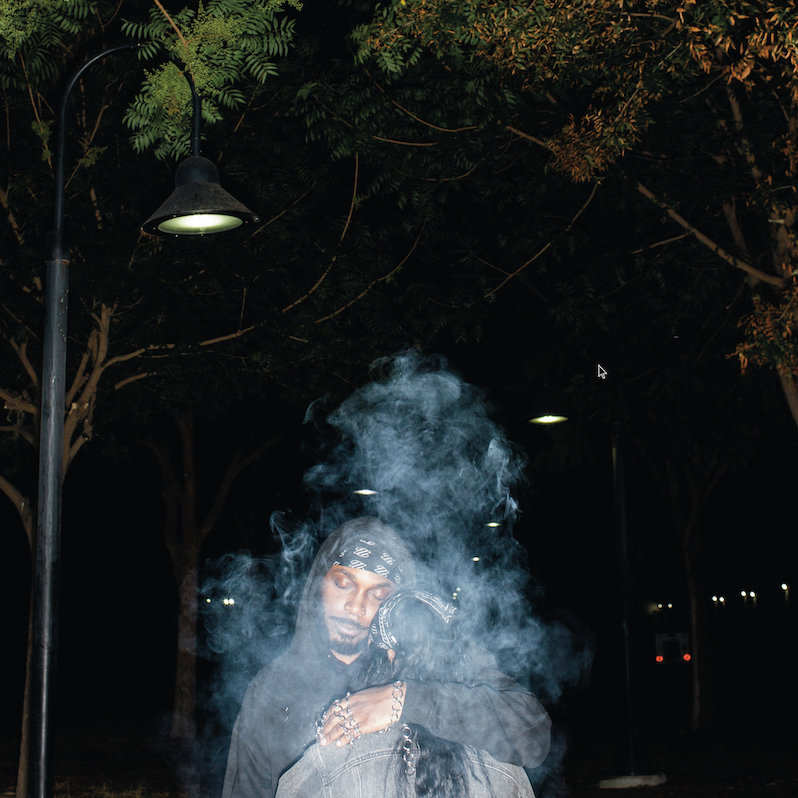
JPEGMAFIA – LP! (2021)
The long-term appeal of Peggy and his luxurious, maximalist brand of hip-hop can best be distilled by the profound work he did on this 18-track album. LP! combines rich samples, attractive beats, and a smooth flow that can move from languid to aggressive on a dime. Depending on the track, he can sound both sensitive and braggadocious without dipping into hackneyed cliches, and it’s all because he’s well-versed in the genre’s deep history. He’s an educated lyricist who can woo a lover, step on the neck of a hater, discuss the aesthetics of rap, and debate street philosophy with equal aplomb. Just check out cuts such as “Dirty!,” “What Kind of Rappin’ Is This?,” “Sick, Nervous, & Broke!,” and “Bald!” for the best of what he has to offer. – Adam P. Newton
Listen/Buy: Bandcamp
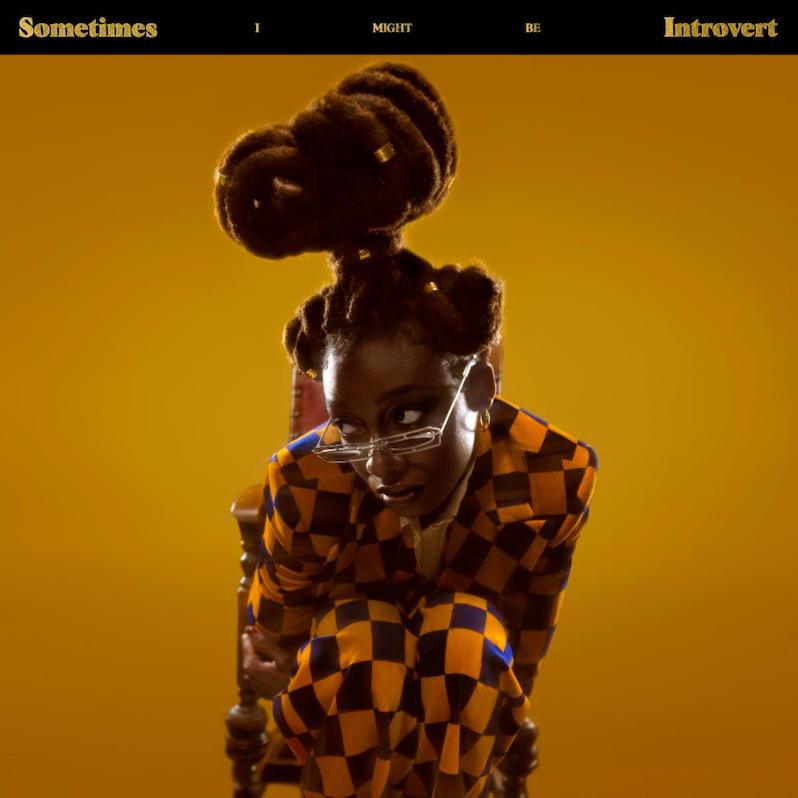
Little Simz – Sometimes I Might Be Introvert (2021)
Little Simz’s Sometimes I Might Be Introvert is one of those wonderful triumphs of hip-hop ambition and intimacy. It’s an album that balances sprawling orchestration with fierce storytelling, treating listeners to lush strings and brassy flourishes as well as minimalist yet driving beats. And each track underscores Simz’s mastery of breath, tone and timing, framing her reflections on identity, fame and the pressures of success. Fans know that her lyricism is always precise, unflinching and layered. And this release shifts almost effortlessly between raw vulnerability and furious defiance. The collaborations and interludes here enrich the narrative without ever overwhelming it, offering the record a sheen of cinematic yet grounded wax. It is a fitting recording for being included here because it greets you with new emotional and musical textures with each listen. Simz has long been praised as a visionary artist, and this album is a reminder of just how artfully she commands both your heart and mind with equal authority. – Ernesto Aguilar
Listen/Buy: Spotify | Turntable Lab (vinyl)
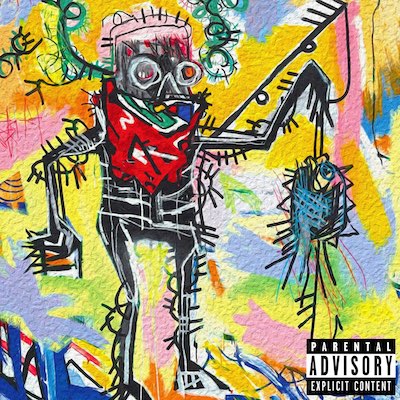
Mach-Hommy – Pray for Haiti (2021)
With over a half-dozen releases to his name before this album broke him into the hardcore hip-hop mainstream, Mach-Hommy had little to prove on Pray for Haiti. But no one told the Newark-by-way-of-Port-Au-Prince MC that. He announces his presence on “The 26th Letter” with a blistering barrage of labyrinthine rhymes: “Fuck what I did before, it’s bout to get demonic/Got … on retainer just like an orthodontist/On a island with my queen ordering tonics/Somewhere tropical like sticky fingers before ONYX.” Griselda’s most elusive member veers back and forth and back again from braggadocio to vivid storytelling (“Au Revoir”) within lyrics usually three times as dense as the sample above. Ace production from underground stalwarts including Conductor Williams, Camouflage Monk, and DJ Green Lantern grounds the album in fresh takes on the New York sound. – Laura Deadflowers
Listen: Spotify
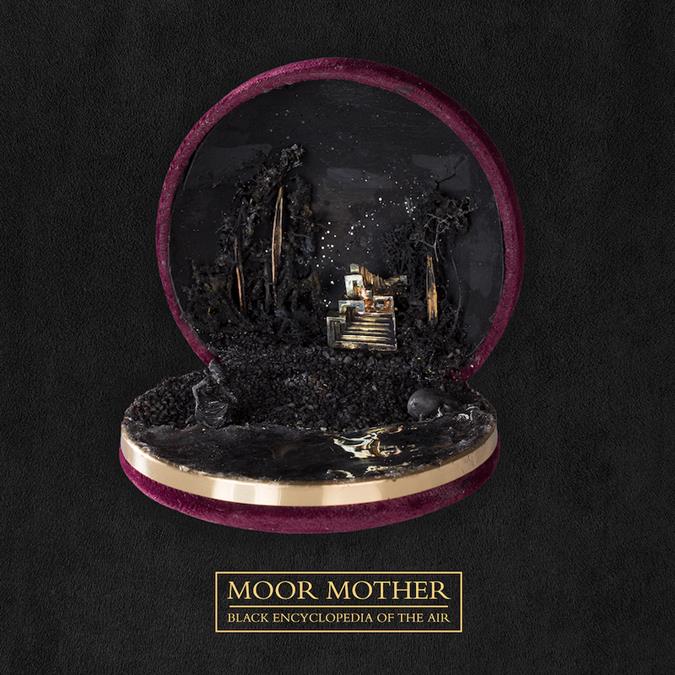
Moor Mother – Black Encyclopedia of the Air (2021)
Philadelphia has quietly developed multiple generations of poetic queens, from Bahamadia and Ursula Rucker to Eve and Jill Scott. The latest, most experimental rhymesayer in the bloodline is Maryland transplant Camae Ayewa, who shifted from hard beats to softer production on her fifth true solo LP as Moor Mother in as many years (sprinkled among other collaborative releases and named projects). Black Encyclopedia of the Air is as metaphorically accurate a title as she could concoct. Here she tackles the historical extremes of rap and its soundtracks—stretching back to political riffing with the punctuations of boho jazz, stretching forward to evoke electronic-heavy, bespoke-sampled, cunning linguists like ELUCID and Pink Siifu, both of whom are featured here. And at 29 minutes, it sparks curiosity about the other, deeper dives Moor Mother takes throughout her catalog. – Adam Blyweiss
Listen/Buy: Bandcamp
Tyler, the Creator – Call Me If You Get Lost (2021)
Watching Tyler evolve has been a real treasure. From hypertalented edgelord and shitbag antics to a deepening emotive queer icon, he’s managed to form a career marrying avant-garde, experimental and pop sonic approaches together into a somehow-approachable core. Call Me is the culmination of his maturing phase starting from Flower Boy; it takes the breezy and approachable soul-baring of that record and combines it with the forward-thinking avant-gardeisms of Igor to make a whole that is frankly the best of both worlds. – Langdon Hickman
Listen/Buy: Spotify | Turntable Lab (vinyl)
454 – Fast Trax 3 (2022)
The music of 454 is a homespun quilt of crystal synth and chipmunk soul. On every song he’s put out so far, the Florida cloud rapper (born Willie Wilson) has jacked his voice up to a cartoonish pitch, rapping and singing under psychedelic digital gloss. Animated by Miami bass, hyperpop, soul and R&B, he writes songs that speak to his experience—music, cars, skating, the Orlando suburbs of his childhood—and squares up to big topics with an open heart: losing family, growing up, looking back. Unlike Wilson’s equally brilliant debut 4REAL, Fast Trax 3 is a loosies compilation. The seams show, mixtape-style: woozy production, amorphous edges between songs, at least a few airhorns. But when Wilson raps he puts on an absolute clinic, keeping his head above water whether gleeful or reflective. He sounds like a veteran. – Casey Burke
Listen: Spotify
Conway the Machine – God Don’t Make Mistakes (2022)
Picking between the plethora of Griselda records, all of roughly equal superb quality, sure was a headscratcher for us, so we went with this one. But don’t get it twisted; this is as much a shout-out to the whole crew as it is to Conway in particular. Combining laid-back flow with sharp internal rhymes is harder than it sounds, obviously, and that this is his Shady Records debut is a testament to superlative rappers understanding what he’s doing. We may have better conceptual artists, but as bars-and-beats goes, this is near the top. – Langdon Hickman
Listen: Spotify
Denzel Curry – Melt My Eyez See Your Future (2022)
Melt My Eyez is a career-defining opus, a before-and-after moment. Denzel Curry’s voice alone tells a whole saga: There has always been a tinge of near-scream fry to the sing-song element of his delivery, which bursts here to new emotional heights, but is also complemented by precisely rhythmic, Memphis-inspired barrages and playful Auto-Tune passages. The beats are just as ambitious. Trap, Dirty South, and SoundCloud are all traceable here but molded into something distinct and personal. Regardless of where it places in his discography, the wide ranging diversity of vocal style and genre-blending production is a stunning masterwork that at once honors and transcends his roots. – Flora Arnold
Listen/Buy: Bandcamp
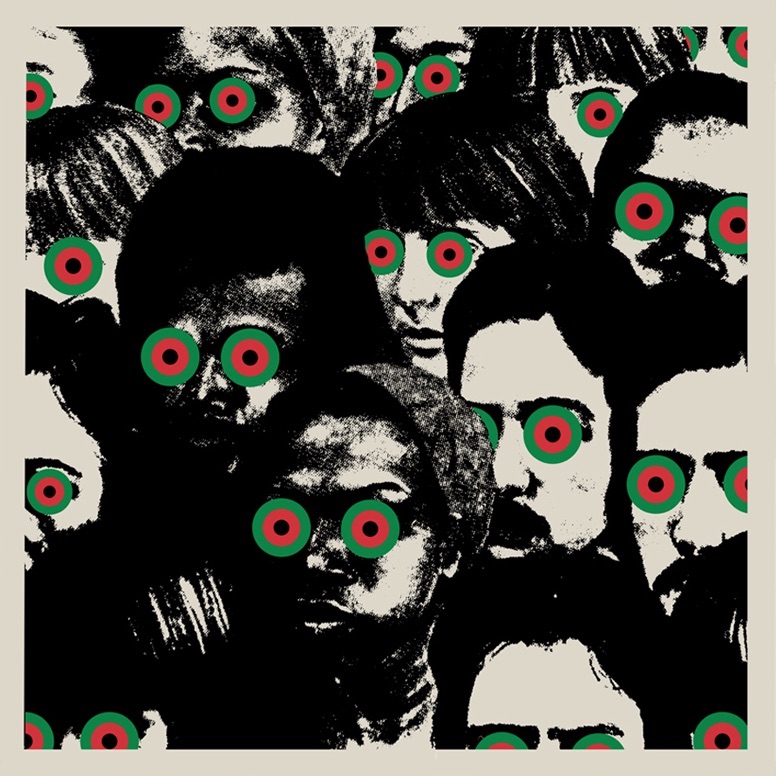
Danger Mouse and Black Thought – Cheat Codes (2022)
Cheat Codes. 12 joints in 38 minutes. Sparse, gully. Underproduced on purpose. Hitting you in the chest. They don’t make them like this that much anymore, because most MCs don’t have the pedigree or the wordsmith to carry the weight a sparse audio verse presents. Like Basquiat going back to the spray can, or Denzel walking those boards again on stage, with the theater temperature set to 55 to keep everyone crisp. That’s what Cheat Codes perfects; peep the funky bang-bang of “No Gold Teeth,” with Black Thought lyrically pressed up like an OG bluesman, tying everything up in a knot you can’t shake loose. Sure, we can get artful on “Belieze” with MF DOOM, but it’s the horns blowing the breeze with Black Thought pushing the direction, while those maudlin brass foreshadow something disappearing quietly off in the distance. With many features/collabs here featuring Raekwon, Joey Bada$$, and such—they up to the challenge. But the ultimate game here is Danger Mouse pitching a no-hitter and Black Thought covering all positions in the outfield, assuring the perfect game. Cheat Codes? Naah. Not even fair. – JPS
Listen/Buy: Spotify | Rough Trade (vinyl)
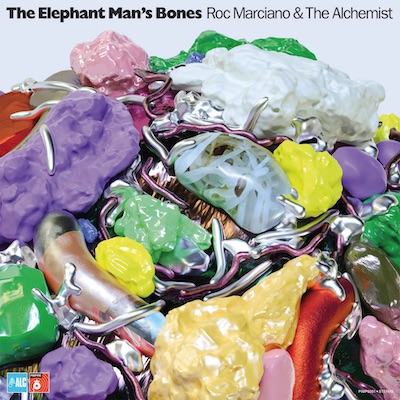
Roc Marciano & the Alchemist – Elephant Man’s Bones (2022)
Having proclaimed Roc Marciano his “favorite rapper” in the run-up to this album’s release, you knew The Alchemist had something special cooked up. He didn’t disappoint. Neither did Marci. Knowing each other’s tendencies from previous collabs scattered across Marci’s discography, the pair play to their established strengths but do so at a near-peerless level of execution. Alchemist uses low-mixed drums and foreboding minimal samples much like Marci does in his own productions. It’s some of his best work of the past decade. (That’s saying a lot.) Marciano’s rhymes often speak to his hard-earned luxury lifestyle, but he knows how poorly things go for most who lived his life: “Disappointed the snitch pointed/Feds kicked the door on my joint, brick was in the toilet,” he raps on “Deja Vu.” “No OGs to give us pointers/Been in corners/Shorty coulda been on the Hornets knocking down 3-pointers.” – Laura D. Flowers
Listen: Spotify
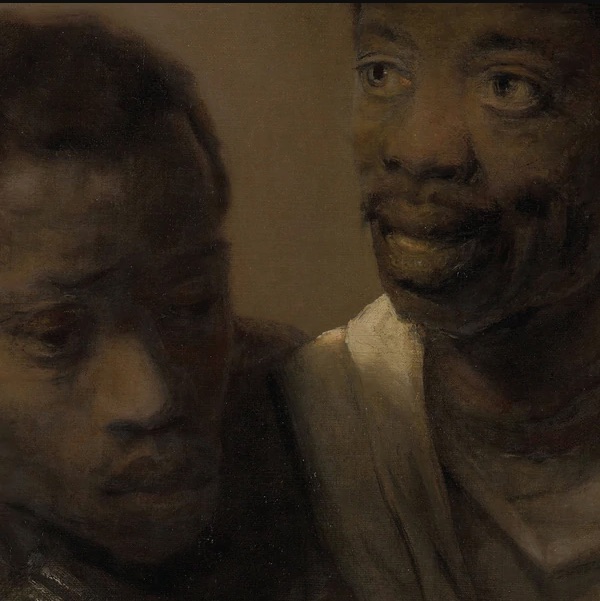
billy woods – Aethiopes (2022)
A righteous anger roils through Aethiopes. “I pay rent on the 10th like they stealin’,” billy woods raps on “No Hard Feelings,” a song ostensibly about an unconsummated hotel assignation but ultimately evoking a racist dystopian New York City. Samples from Ossie Davis’ film of Wole Soyinka’s acclaimed play Kongi’s Harvest anchor the album in an anti-neocolonialist mindset, but woods thrillingly takes his rhymes all over the map of subject matter. Aethiopes features everything from miniature history lessons on the birth of transatlantic slavery to memories of childhood violence and satirical-yet-horrific warnings of technology gone wrong. (A memorable example of the latter, from “NYNEX:” The future isn’t flying cars, it’s Rachel Dolezal absolved/It’s autonomous computers sendin’ shooters back in time at the behest of defunct message boards.”) Preservation crafts beats that evoke African and Eastern instrumentation (“Asylum,” “Haarlem”) as often as boom-bap (“Sauvage, “Heavy Water”). Fertile ground for woods to craft one of his best LPs. – Laura D. Flowers
Listen/Buy: Bandcamp
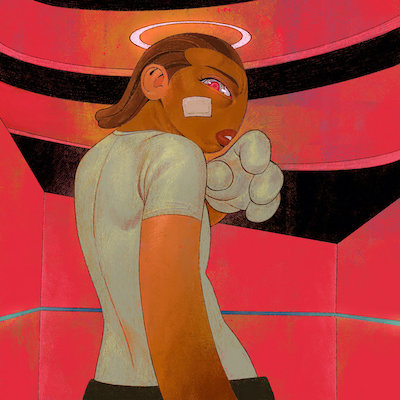
McKinley Dixon – Beloved! Paradise! Jazz!? (2023)
It’s no great exaggeration to say this might be one of the most beautiful albums on our list, a soulful and bright set of songs featuring live band arrangements, strings and horns and anchored by autobiographical details from the Richmond-raised, Chicago-based emcee. In just under a half-hour, Dixon offers not just a complete picture of who he is—joy, warmth, grief and frustration—but one that’s vivid and rich, told through breathtaking arrangements and infectious melodies. It’s an emotional journey but not an exhausting one, never anything less than enchanting. – Jeff Terich
Listen/Buy: Bandcamp | Turntable Lab (vinyl)

Doechii – Alligator Bites Never Heal (2024)
Doechii successfully walks the tightrope of homaging past hip-hop eras (specifically the golden-era ’90s) and embodying a thoroughly modern feminist perspective. Alligator Bites Never Heal, her second mixtape, justly sent her from viral outbreak to immense popularity, without any obvious compromises to the mainstream. The Swamp Princess’ beats are mostly East Coast boom-bap (except when they’re trap), the rhymes often battle-ready 16s (except when she’s showcasing her strong pipes)—and everyone from Gen Z fans with poppier tastes to old(er) heads like yours truly have listened to ABNH riveted at every turn. Doechii’s intelligence and self awareness are as important to her success as her obvious raw talent. You couldn’t have the self-effacing hits like “Denial is a River” and “Death Roll” without the spitfire rhymes of “Boiled Peanuts” and “Catfish”—and vice versa. – Laura D. Flowers
Listen/Buy: Spotify | Turntable Lab (vinyl)
ELUCID – Revelator (2024)
A forward-thinking rapper and producer who actively pushes the genre into fresh, new territories, ELUCID serves up breathtaking music that bends space-time and punches you right in the gut. On his immaculate 2024 solo album, Revelator, he fuses innovative soundscapes, fierce sociopolitical themes, and pissed-off energy to remarkable effect. He’s a strident street preacher delivering excoriating sermons from behind the pulpit of a ramshackle church threatening to collapse. Mesmerizing tracks like “CCTV,” “Instant Transfer,” “14.4,” and “XOLO” overflow with stridently spiritual lyrics, while the kick and snare pummel your ears into oblivion. May the Backwoodz Studioz stalwart continue to bless us with his talents. – Adam P. Newton
Read more: ELUCID speaks the truth
Listen/Buy: Bandcamp
billy woods – Golliwog (2025)
More than a few nightmares slipped through the floorboards to haunt billy woods albums prior to Golliwog, but only with this latest LP has it been delivered in the form of an audio horror film. Golliwog shivers with spine-tingling samples, from the clattering projector reel in “Jumpscare” to the creepy-as-hell child whispering at the end of “Make No Mistake” and the weeping woman that sobs throughout “Waterproof Mascara”—the most unsettling song I’ve heard in some time. Yet despite the presence of familiar tropes and a who’s-who of producers wallpapering the record with wobbly piano loops and dissonant strings, billy woods employs his singular narrative talents to home in on everyday horrors: the banal efficiency of drone warfare, the inevitability of death, the cruel indifference of capitalism. It’s not for the faint of heart, reinforced by a question asked in third-person midway through the album: “Is this as dark as it gets?” The implicit conclusion on Golliwog is that it can always get darker. – Jeff Terich
Listen/Buy: Bandcamp | Turntable Lab (vinyl)
Support our Site—Subscribe to Our Patreon: Become one of our monthly patrons and help support an independent media resource while gaining access to exclusive content, shirts, playlists, mixtapes and more.

No graduation or Get rich and die trying and Shouldn’t Big Fish Theory be ahead of DAMN since it was ranked the number Album of 2017? But otherwise nice list
We had a three-albums-max rule. So any subsequent Kanye was excluded.
Also: Ha, someone’s been paying attention to our year-end lists!
Are you guys going to do a Best Pop Albums Of The Millennium list?
Probably not, but you never know.
are you the same randolph that made heskey time
Where is Ta13oo by Denzel curry?
I think it landed somewhere in the sixties.
The fact that the MMLP was number 41 has discredited this list… But I’ll read on and make a collective opinion.
Agreed it shouldn’t be on there at all
That’s now 2! Diamond selling albums not reaching even the top 30 with Outkasts Speakerboxxx at 35… This isn’t looking good right now.
Sales didn’t factor into the voting.
Just reached the top 10 and WOW. Easily the most disagreeable list of top 50 let alone the top 10… Here’s mine for a readers reference and all need no introduction.
10.) Encore – Eminem
9.) Graduation – Kanye West
8.) The Blueprint – Jay Z
7.) Stankonia – Outkast
6.) D.A.M.N – Kendrick Lamar
5.) Madvillainy – MF DOOM
4.) Speakerboxxx/Love Below – Outkast
3.) The Eminem Show – Eminem
2.) MMLP – Eminem
1.) Get Rich or Die Tryin’ – 50 Cent
If you disagree with the order… Each to their own but there’s no denying these are the top 10.
Oliver, do you like Eminem? We get the impression you like Eminem.
No Nas Illmatic in the list of top 10s he must joking
that was the previous millennium. But obviously it’s amazing
Yes Jeff he’s the leading artist in hip hop of the last 20 years. The world likes him, his impact on the genre is unprecedented this millennium and has 2 diamond selling albums… You couldn’t write a list and not have Eminem and those 3 albums in the top 10 without out some criticism of the list.
does it have to be 3 eminem albums in the top ten? what about two? would our list be acceptable then?
Get rich or die trying is trash tho
Encore in a top 10 list is hilarious
nas-Illmatic?
This list covers 2000-2019. Illmatic came out in 1994.
Damn is definitely not top 10 all time. Good Kid Maad City and To Pimp a Butterfly (being his best) are significantly better. Graduation isn’t Kanye’s best project in my opinon. 3 Eminem project should be in a top 10 and Get Rich or Die Tryin’ is def not number one. It was good but it wasn’t the best.
No Stillmatic? Absolutely loved that album when it came out. Sure it was post 2000
God’s Son and Life is Good both almost made my list; can’t speak for other writers. i feel like stillmatic didn’t age well.
Seriously though, no Get Rich or Die Trying??…that’s just crazy (unless I missed it).
Where’s All Amerikkkan Bada$$, 1999, b4.da.$$ or summer knights? At least 2 of these should’ve been in the top 20 and one in the top 10.
Where is J. Cole and 2014FHD or 4YEO?
I’m wondering the exact same thing. Both are incredible albums. People still disregarding Cole smh. But other than that, I enjoyed this list.
I’d include “MY” somewhere in the title coz this list is lucking in depth.
No Dave – Psychodrama ? That should be top 5 at least, it’s on the level of tPaB and my beautiful dark twisted fantasy. This is not a real list, not just because of this btw
This list does not exist
Lol
Sad that the cunninlynguists discog. is basically unknown. A piece of strange is easily top 10 compared to the records on this list
No Atmosphere? At all? Anywhere? Hmm…
Ti > cannibal ox? Lmao the instrumentals and lyricism can’t even compete. The fact j dilla donuts was put on here as an instrumental album is rather amusing.
Just ’cause it’s instrumental doesn’t mean it’s not hip-hop…
U are so dead …why only 2-3 female albums
Really without, …
Cormega – The Realness
Cormega – The True Meaning
Prodigy – H.N.I.C.
Pop Da Brown Hornet – The Undaground Emperor
………
Not to forget, …
Screwball – Y2K
Screwball- Loyalty
M.O.P. – Warriorz
I think a majority of the list is rlly good and makes some rlly valid points … However I think no top 50 hip hop album list is complete without at least one A$AP Rocky album
No PAC snoop or big albums, and Mia gets
In?! How?
What bout Dr Dre chronic album?
Apologies if I missed them
The Chronic came out in 1992. This covers 2000-2019
This list covers 2000-2019. The Chronic came out in 1992 and Tupac and Biggie died in 1996 and 1997 respectively.
Biggie died in 1997 (not this millennium)
MIA album was groundbreaking AF, but there are a lot of folks on this list I find questionable too!
No Dre or snoop or PAC????
Definitely a bit of west coast bias here. For sure.
Women are less than 10% in the list …u must notice the discrimination first
Hey there, one of the authors here. I’m personally disappointed more women didn’t make the top 50 as well, but I can assure you it wasn’t for lack of nominations. Our writers liked the sounds that they liked, voted to their taste, and this is just how the math shook out.
FACTS.
This is so incorrect. Jay Z and Kanye”s Watch the Throne should be number 1. Like wtf!?
To Pimp a Butterfly is faaaaaaaaar better than Watch the Throne.
Wow I disagree with this wack list so many great albums not mention and a lot of mediocre albums on this list. Here’s 10 to check out, no particular order.
1-Cormega – The Realness
2-Beanie Sigel – The B. Is Coming
3- Sean Price – Mic Tyson
4- Pharoahe Monch – PTSD
5-Project Pat – Crook By Da Book
6- Cormega – The Testament
7- Styles P – The Green Ghost Project
8- Snoop Dogg – The Blue Carpet Treatment
9- Kool G-Rap – Riches, Royalty & Respect
10- Cormega – Hustler/Rapper
Illmatic? Broke With Expensive Taste?
Decent list, as it can’t be easy to make a top 50 list. I’m glad Saba was included! Care for me was my favourite album last year.
I’d switch Stankonia for Yeezus by Kanye West though. There are lots of Ye albums in this list already, but Yeezus might be his finest.
I would have included Like Water for Chocolate from Common as well. I think it’s released in 2000.
It was 2000! And a good album. I think it was bubbling under the top 50. As for Yeezus, we had a three albums per artist max rule, otherwise it would have been the fourth Ye album on the list.
Just a thought, Childish Gambino’s Because the Internet might have a place on the list
Not one NAS album? Maybe Stillmatic? For the culture…
Stankonia over ATLiens…? Mmmkay y’all. SMH.
ATLiens came out in the previous millennium.
So disappointed not to see quasimoto – the unseen
I’m mostly on board for that whole list, my gripes are fairly limited (aside from that fact that it should be called “English Speaking hip-hop albums”).
The ones I feel for the most are :
– there should be 2 Danny Brown entries, Old is a fantastic album (but on the other hand I’m happy Vince Staples got both his masterpieces in)
– I think I’ll Sleep When You’re Dead is better than Fantastic Damage
– Visions of Bodies Being Burned is meh, the lyrics could have been written by an edgy teen trying to impress his female goth classmate
– Unpopular opinion : Joey Valence & Brae – No Hands should be in there
If there’s no Yeezus and no Life of Pablo is no good. If the rules don’t allow, it’s the wrong rules.