

The Top 50 Albums of 2016

We already made our case that 2016 was a lousy year for everything but music in our Top 100 Songs of 2016 list. And there’s no point in reciting the bullet points over again. So let’s just go ahead and get to the part that didn’t suck: The music.
We present our list of the 50 albums we enjoyed most in 2016. They’re all albums that were released in 2016 or, in a couple cases, late 2015 entries that made their impact in 2016. In any case, these 50 albums are all outstanding. So let’s not put it off any longer: Here are our Top 50 Albums of 2016.
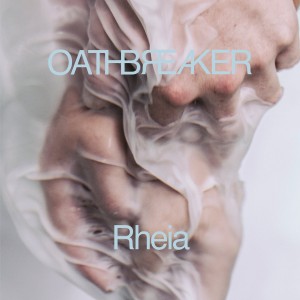
50. Oathbreaker – Rheia
(Deathwish Inc.)
Let’s forget genre designations for a moment and put aside any futile attempts to classify Oathbreaker within a singular aspect of metal. With Rheia Oathbreaker seems to be at a creative crescendo, reaching a comprehensive unity in terms of instrumentation and emboldened by vocalist Caro Tanghe’s explosive, passionate black metal wailing and haunting clean vocals. Rheia is above all a striking work of balance, of experimentation and at times refutation that metal can so easily classify. Like Deafheaven or Liturgy, Oathbreaker are relentlessly forward thinking in their intentions to shift the dynamics of genre toward unknown waters. Rheia is complex, thoughtful, and utterly brutal. – Brian Roesler
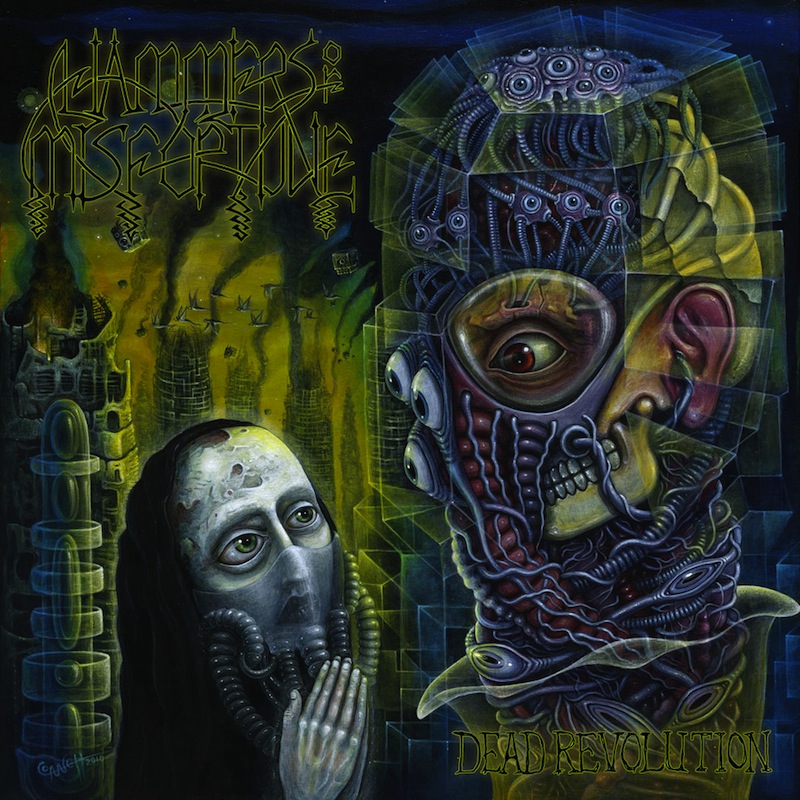
49. Hammers of Misfortune – Dead Revolution
(Metal Blade)
This one is a grower. I initially needed some time to warm to Dead Revolution in the weeks following its release, however, the riffs to songs such as “The Velvet Inquisition” and “The Precipice (Waiting for the Crash…)” clearly made the case for this monster of an LP. Part of the credit to Dead Revolution‘s success lies in the instrumentation; John Cobbett, Leila Abdul-Rauf, and Paul Walker are exceptional guitar players. Likewise, multiple types of percussion from Will Carrol and the piano and organ from Sigrid Sheie breathe unique light into Hammers of Misfortune’s music. On top of the catchy rhythms within Dead Revolution is Joe Hutton’s soaring vocals that give the entire album a feeling of progressive triumph. – Cody Davis
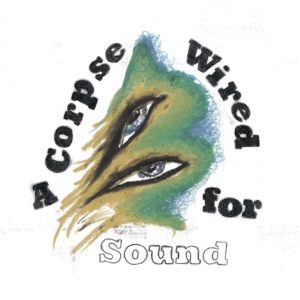
48. Merchandise – A Corpse Wired For Sound
(4AD)
Within Merchandise’s discography, A Corpse Wired For Sound isn’t a major departure from 2014’s After the End, which traded the band’s slightly lo-fi aesthetic for reverb-soaked rock that felt absolutely massive (think Echo and the Bunnymen, but with even more echo). A Corpse Wired For Sound takes that sound—and the hook-filled songwriting that accompanied it—and scuffs it up a little. Carson Cox’s distinctive baritone gets a little distortion on “End of the Week,” while the stadium-ready guitar solo that closes out “Crystal Cage” gives way to a chaotic swirl of synthesizers. And closer “My Dream Is Yours” takes the band’s gift for catchy, moody melody (also see: “Flower of Sex,” “Lonesome Sound”) and proceeds to let it disintegrate, closing the album on a note of rattling cacophony. For a band whose sound has jumped from gritty to polished, it’s exciting to see the pendulum swing back the other way. – Sam Prickett
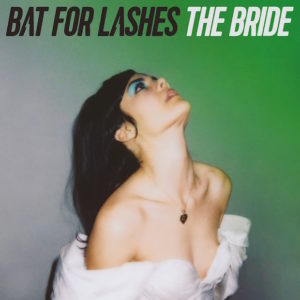
47. Bat For Lashes – The Bride
(Parlophone)
Natasha Khan’s voice is just as impressive as it was on The Haunted Man. She sticks close to the shadows on her fourth album, becoming more of an ethereal torch singer with a heavy influence from Kate Bush and Sinead O’Connor. Lyrically she might not carry the same edge as, say, Lana Del Rey, but aesthetically she’s in a class all her own. While there are fewer explicit surprises here than on her last album, it’s a more mature effort that yields its share of highlights. Think of this as her Sensual World.- Wil Lewellyn
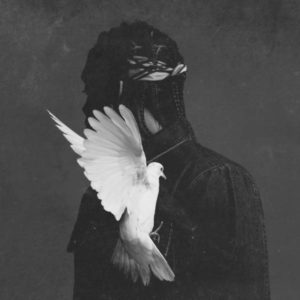
46. Pusha T – King Push: Darkest Before Dawn—The Prelude
(G.O.O.D. Music/Def Jam)
Supposedly a “prelude” to a more official 2016 release that never saw the light of day, King Push: Darkest Before Dawn is both a concise, minimalist hip-hop record and Pusha T’s most definitive statement to date. Gritty, genre-defying production from some of the best active producers in hip-hop plays a supporting role to verse after carefully executed verse from Push himself, with the few features on this record serving to highlight new talent rather than increase the profile of the tracks. And where Push’s previous solo work saw him dropping occasional truth bombs amid braggadocio-style trap talk, Darkest sees the performer step into more intentionally political realms, culminating in the Black Lives Matter inspired closer “Sunshine.” If that follow-up release ever does drop, it’s going to have some heavy lifting to do if it wants to live up to the prelude. – A.T. Bossenger
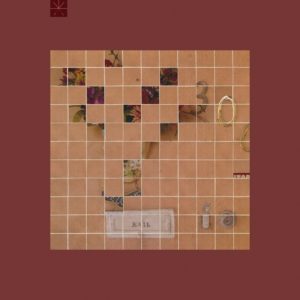
45. Touche Amore – Stage Four
(Epitaph)
Grief is a powerful theme. It creates a resonance that is often difficult to contemplate or connect with until you find a shared means to understand. Stage Four reference’s Jeremy Bolm’s mother’s death after a bout with cancer, and the album’s melodic and raw passion is an unyielding journey of discovery and acceptance. The themes of loss have run deep throughout the entirety of music this year, Bolm could capture it effortlessly in one line: “You left a hole in this Earth and you paid for it up front/ I had to fill it with dirt.” Stage Four is raw, honest and meticulously crafted. – Brian Roesler
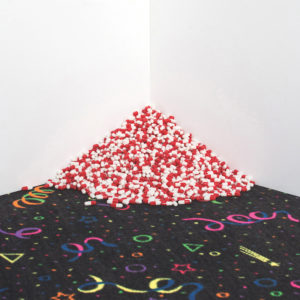
44. Pill – Convenience
(Mexican Summer)
While looking back on 2016, it almost seems as if Pill’s Convenience forecasted November’s political shitstorm a few months early. Unfortunately, the album’s sociopolitical commentary has become increasingly relevant since the last time I shared a few words on the Brooklyn quartet’s rock-solid debut. With clenched fists and a boiling temper, frontwoman Veronica Torres leads a no wave and post-punk charge against the patriarchy, sieging society’s social and political injustices beset on our nation and exacerbated by our president-elect. Sonically difficult to pinpoint, Convenience’s erratic tracklisting explores punk-laden dissonance on tracks like “100% Cute” while simultaneously laying more accessible, bass-founded cornerstones on tracks like “Fetish Queen” and “Medicine.” As a whole, Pill successfully develops a sense of evolution from the start to finish of Convenience, signaling a call for action through steadfast resilience against corruption. – Patrick Pilch
43. Maxwell – blackSUMMERS’night
(Columbia)
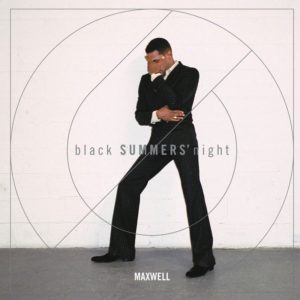
Maxwell Rivera is, at this stage, only slightly more prolific than one Michael Eugene Archer, but what they share in common is an ability to make the sounds of classic R&B sound not only fresh but vitally of the present. Following his 2009 album BLACKsummersnight, the beginning of a trilogy that could still be some years before Maxwell ends up completing it, blackSUMMERS’night emphasizes the middle word of the series’ recurring phrase and thus the warm feelings in its deep grooves. The three components are inseparable, however; though this might be the more summery of the three planned albums, it’s soul music for late nights, preferably after a few drinks. It’s sumptuous and sensual, rich and beautifully arranged. It’s an album of subtlety and nuance, but it’s performed immaculately. If it takes another six years to yield something this wonderful, it’ll be worth it. – Jeff Terich
42. Future – EVOL
(Epic)
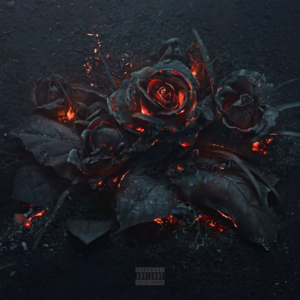
The Atlanta emcee brought his hustle in a dark yet infectious and sometimes playful manner on EVOL. His verses are fluid against the repetitious chants of the choruses to create a consistently strong listen. There is something about how Future emotes his lyrics even when the purple juice is hitting him in the vocal booth that gives these songs something genuine that pretenders just can’t summon. And let’s not forget Metro Boomin’s production contributions, which was a crucial element to making this album the success that it is. – Wil Lewellyn
41. The Body – No One Deserves Happiness
(Thrill Jockey)
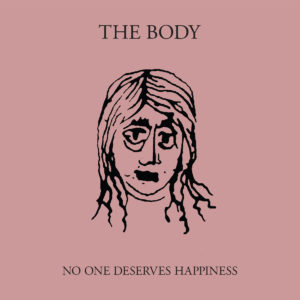
The Body decided to invert the standard order, releasing two collaborative LPs over the past twelve months that explore the hyper abrasive directions typically found on their studio albums, freeing them up to pursue the doom/sludge/industrial/electronic music hybrid they explored on their collaboration with Haxan Cloak from a few years back. This album sees them landing squarely in HEALTH and Youth Code territory, but coming from the other direction; while those groups are electronic groups who are fans of abrasive music moving closer to those evil and ugly sounds, The Body is a group learning to shape and temper the inherent violence of their noise into progressively more palatable shapes. As a result, their experiments in these ugly-yet-danceable sonics feel somewhat more perverse, subversive, and ultimately sickly. There is a future here, black and pink and ugly. – Langdon Hickman

40. Pinegrove – Cardinal
(Run For Cover)
When I listen to Cardinal, I can’t help but remember the feeling of a bus ride. The feeling of nostalgia that comes with an ending trip lingering and mixing with the anxiety and tired resignation of travel, of a time in the near future where my mind will be firing around everyday needs and worries that were briefly left behind but for now a last moment of reprieve. I am nowhere, suspended between point A and B. That is not to say that the memory is unpleasant (or Cardinal, for that matter) but nameless, existing in undefined spaces. On “Cadmium,” Evan Stephens Hall sings “Say what it is / It’s so impossible / But if I just say what it is / It tends to sublimate away.” This essence, this impossibility, the ephemeral, this is what Cardinal is concerned with exploring. It may seem futile at first—how can you capture the uncapturable?—but it manifests as a strikingly beautiful and vulnerable collection, a meditation on distance both physical or temporal. On “Size Of The Moon,” Hall is a ghost haunting a bedroom (and there’s probably a dozen youtube videos of him playing an acoustic version in one) filled with desperate questions and regret, “Old Friends” and “New Friends” to people forward facing and in the past, “Visiting” a longing to inhabit the same space as someone again. Perhaps it is no coincidence that when I picture this bus ride I am always moving through New Jersey, not too close but not far from home, near where Hall is from. Perhaps something lies in the mixture of car lights and street lamps refracting through windows, planes above and stars higher even, forest obscured in shadows just beyond the road. – Matt Perloff
39. Esperanza Spalding – Emily’s D+Evolution
(Concord)
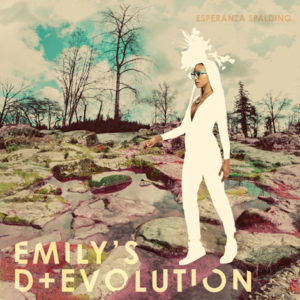
Spalding’s fifth album is her masterpiece. The prodigious, multiple-Grammy winner has long been one of the leading lights of the contemporary jazz world, but on Emily’s D+Evolution she is working as if she’s never heard of musical genre. At certain points, you can trace ’70s R&B, progressive rock, jazz fusion and 21st century dream pop all working together simultaneously, and yet it doesn’t sound like any of the above. More instructive comparisons would be with other artists that have reached equivalent levels of independent discovery —think, perhaps of late ’70s Joni Mitchell, or Prince at the peak of his ’80s powers. It may be the result of her flirtations with mainstream success in the past that she has adopted an alter-ego to perform through on this album—namely Emily, which is her middle name—but this is unmistakably the same Esperanza that we already knew, just with a few more years of exponential learning and growth. It is every bit as forward focused as anything being produced by Flying Lotus, Janelle Monae or Kendrick Lamar, and she is deserving of the same success. – Max Pilley
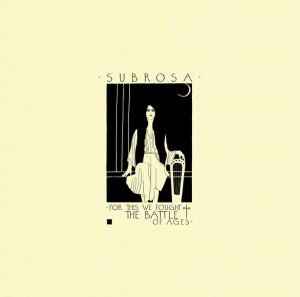
38. SubRosa – For This We Fought the Battle of Ages
(Profound Lore)
At turns intimate, grandiose, bucolic, melancholy, bitter, dour, and rapturous, SubRosa’s newest record For This We Fought The Battle Of Ages shows all the potential colors of doom and post-metal. Not many bands have survived the great collapse of post-rock and post-metal and those that have had to find some other, greater transcendent thing to justify their survival; for SubRosa, it is not the oft-cited violin in their musical repertoire, but instead how developed, evocative and dynamic their arrangements prove to be. This is as powerful and angry and forlorn and wicked and lovely as any metal record has any right to be and proves, again, the creative capacity for extreme and heavy music. Let’s see if they can top a masterwork like this. – Langdon Hickman
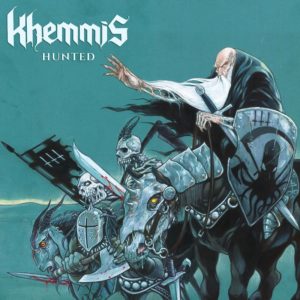
37. Khemmis – Hunted
(20 Buck Spin)
Hunted is electrifying. On their second album, the Denver doom metal quartet channeled classic rock and metal titans such as Thin Lizzy and Iron Maiden, and in turn gave rise to the year’s most infectious riffs and melodies. Hunted was the result of a total group effort from Phil, Ben, Zach, and Dan during the album’s creation, and it’s wonderfully reflected in its five songs. Every moment is focused, exacted and executed in breathtaking fashion. – Cody Davis
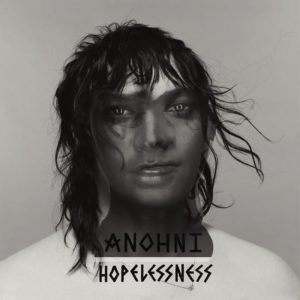
36. Anohni – HOPELESSNESS
(Secretly Canadian)
Anohni has built a noteworthy catalog around desolate, minimally accompanied piano ballads, often focusing on her personal struggles with depression and gender identity. Needless to say, her move to an electronics-based solo project was quite a shock. But even more electrifying was her success within the genre as she co-produced jarringly innovative electro-pop alongside Hudson Mohawke and Oneohtrix Point Never. The result is something akin to a sci-fi film soundtrack, but with soaring choruses and breathtaking vocal performances from the evocative singer. HOPELESSNESS also finds Anohni pushing herself as a lyricist, using her platform to critique patriarchal governments, climate change deniers, neo-liberalism and societal ills. It’s a heavy listen, but with some of the most beautiful and engaging sounds I’ve heard on a pop album, making one of the bleakest albums of the year one of its most inspiring as well. – A.T. Bossenger
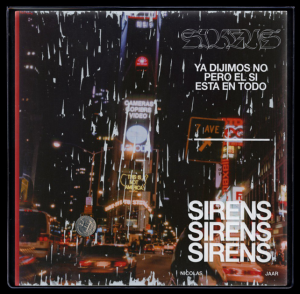
35. Nicolas Jaar – Sirens
(Other People)
Nicolas Jaar burst into the internet music bubble in 2011 with Space Is Only Noise, a statement of intent album that immediately put him among the most sought-after electronic producers in the world. But he retreated, with his collaboration with Dave Harrington as Darkside the only major work he committed to for the following few years. Five years on, Sirens marks his return, and things have changed. He is hard to pin down—there are political statements on tracks like “History Lesson,” but they are alongside a bizarrely haunting downtempo doo-wop arrangement. There are beautiful piano pieces like 11-minute opener “Killing Time,” but which also include lyrics like, “I think we’re just out of time/Said the officer to the kid/Ahmed was almost fifteen and handcuffed.” Sometimes Jaar sings in English, other times in Spanish. Sometimes he is channelling rockabilly (“Leaves”), other times quite an aggressive form of post-punk (“Three Sides of Nazareth”). Each one of the six tracks on Sirens offers its own surprises, and represents an entirely different strand of musical history. Jaar is one of few who is comfortable to move among them all so freely, knowing that through his prism they will become something alluring and original. – Max Pilley
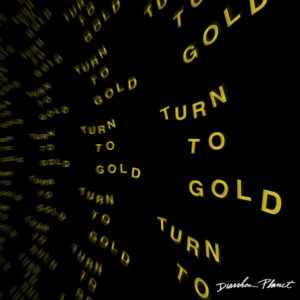
34. Diarrhea Planet – Turn to Gold
(Infinity Cat)
Certain things hold true for rock music forever: 1) The louder the better; 2) Distortion is a good thing; and, most importantly, 3) electric guitars are holy. Too often rock of the indie persuasion can err away from these truths, which we find to be self-evident, preferring instead a folk- and pop-indebted literary air. There is nothing necessarily wrong with this, but Diarrhea Planet reveals the power of reversing course on that matter, employing four guitars and a nearly constant bevy of lead guitar work, both harmonized and not. In doing, they reveal that guitars don’t have to lose a melodic or emotional sensibility, and that the power of music has always been in sound and not in words; the lyrics and vocals, they’re good, Replacements-style robust indie rock, but it’s the music where Diarrhea Planet let it shine, unflinchingly, for the duration. May more bands learn the power of this lesson. – Langdon Hickman
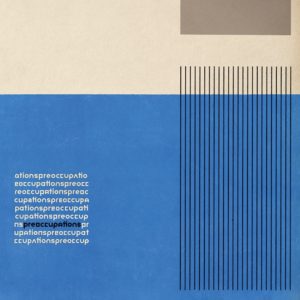
33. Preoccupations – Preoccupations
(Jagjaguwar)
The biggest news about Preoccupations early on in 2016 was that they had changed their name from the previous, more controversial moniker Viet Cong, first, and that they had released a new album, second. After shaking off the remnants of the bad press they’d received from a poorly chosen name, however, Preoccupations earned the opportunity to have a fresh start, offering a reminder of their prowess as a darkly innovative post-punk group. Their self-titled sophomore album (debut? It’s getting confusing…) is a step forward from their Viet Cong debut, mired less in intense shards of noise as it is a compelling blanket of gloom, as well as a newfound sense of pop accessibility. “Anxiety” and “Degraded” are among the band’s most immediate tracks to date, while the 11-minute “Memory” showcases their outsized ambition. It’s the bleakest of viewpoints packaged into a punk dance party. “We’re all dead inside,” sings Matt Flegel on “Stimulation. “We’re all gonna die.” That shouldn’t sound like a hit song, but here we are. – Jeff Terich
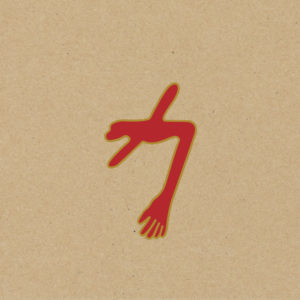
32. Swans – The Glowing Man
(Young God)
I admire The Glowing Man. As the final chapter in a trilogy which has long escaped words—if I were a religious person, I’d call it the voice of God—it has the burden of being the definitive entry. And, although it may not be that (not that I doubt their ability, but that’d be quite the task!), if you need an argument for why it’s still worth every merit you can throw, try “The Cloud of Forgetting” into “The Cloud of Unknowing” for the most breathtaking experience. – Ben Braunstein
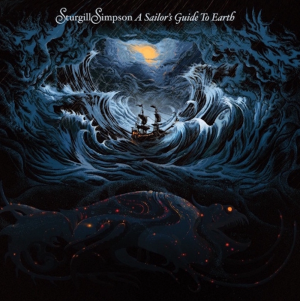
31. Sturgill Simpson – A Sailor’s Guide to Earth
(Atlantic)
Sturgill Simpson can no longer be reductively analyzed by a quick comparison to the classic country acts to which his music bears surface similarities. His sound, while maintaining certain genre traditions in instrumentation, takes on a broader range of influences (soul, chamber pop) on his third album A Sailor’s Guide To Earth. And the songwriting is deep-cutting, introspective and occasionally uncomfortable in a way that both Nashville and the alt-country Simpson is often associated with rarely achieve. Case in point: While numerous country acts could’ve written a rip-roarer like “You Can Have The Crown” from Simpson’s debut High Top Mountain, many couldn’t manage the Sailor’s Guide track “Breaker’s Roar,” a steel-guitar hymn about the fear of clinical depression.
The two conceptual conceits behind this album—Simpson’s longform message to his newborn son and a focus on ocean/nautical imagery stemming from his Navy service—give its nine songs a uniting cohesion that previous works lacked. From the tearjerker string-laden opening of “Welcome to Earth (Pollywog)” to the furious fuck-authority message of “Call to Arms,” Sailor’s Guide makes for a potent exploration of family, the daily labor required to maintain love (in various forms), and the fear of losing it. This is music for grown-ass men and women—a welcome surprise from the man plenty of music writers pegged as “the LSD country guy.” – Liam Green
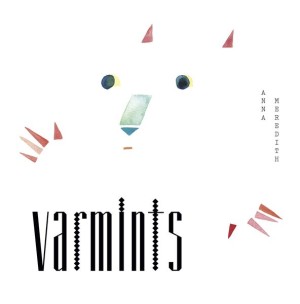
30. Anna Meredith – Varmints
(Moshi Moshi)
Already a wildly accomplished classical musician, composer, and producer, Anna Meredith is no stranger to success. She’s written music for MRI scanners, collaborated with beatboxer Shlomo (not to be confused with producer Shlohmo), and has served as composer in residence with the BBC Scottish Symphony orchestra for several years. By adapting her prestigious musical education as a conduit to electronic music, the multifaceted creative has streamlined her success into the production of 2016’s Varmints. Meredith’s superhuman sense of rhythm recurs across the album, but most notably during the percussive breakdowns of tracks like “The Vapours” and “Shill.” A later-wave of Merriweather Post Pavillion influence gleams on cuts “Dowager” and “Scrimshaw,” with the latter’s concluding minute specifically evoking “Brother Sport.” All in all, Varmints is a neo-classical triumph transcending genre boundaries and sonic palates alike. – Patrick Pilch
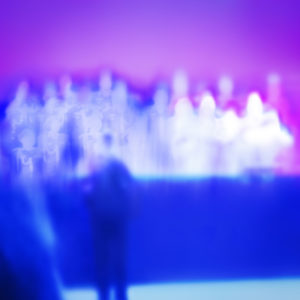
29. Tim Hecker – Love Streams
(4AD)
Tim Hecker’s 2013 album Virgins was inspired by Abu Grahib and sounded like phantoms becoming horrifically corporeal. His follow-up, Love Streams, was inspired by “liturgical aesthetics after Yeezus” and sounds like a robot learning what it is to be human. Divorced from context, it might not be so obvious from which concepts either album was born, but in a sense, all Hecker albums ultimately feel a bit like that idea of a man-made creation becoming sentient and gaining the blessed curse of feeling. On Love Streams, the operative instrument is the human voice, but at no point does it ever feel human. These feel like broadcasts from outer dimensions—a serenade through a swirling vortex, via buzzing and distorted channels. Are these the messages of the divine? Or just the sublime aesthetics of a clever engineer of the ethereal, borrowing a verse from the book of Ye. – Jeff Terich
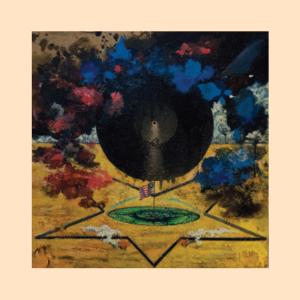
28. Big Ups – Before a Million Universes
(Exploding In Sound)
Jagged, angular, taut: like a modern Slint, caught somewhere between the micro-King Crimsonisms of Tweez and the longer post-rock/punk dirges of Spiderland. It may seem reductive to compare them to another band so directly, but with so many seeking to ape this sound, only Big Ups (and, at times, Bosse-de-Nage) have found themselves capable of replicating it, not just sonically but spiritually, updated for 21st century anxieties of self-becoming in a world of rising fascism and collapsing resistance. Sometimes it’s not so much about originating as it is executing, and Big Ups executes better than almost any other band this year. – Langdon Hickman
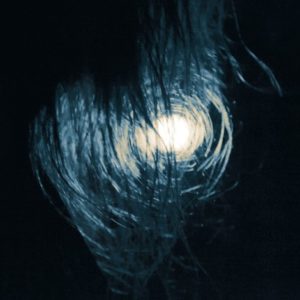
27. Oranssi Pazuzu – Värähtelijä
(20 Buck Spin/Svart)
The title of Oranssi Pazuzu’s fourth album roughly translates to “oscillator,” or “resonator”—or if you want to go there, “vibrator.” But as the band explained in an interview earlier this year, the resonance in the title track refers to an alien symbiosis growing inside of a human body, creating a horror both psychological and corporeal. That’s a pretty apt metaphor for what happens while experiencing the album. It definitely sounds alien, but once it gets its tentacles in, the experience becomes visceral rather than just a surface-level curiosity. It’s an hour spent exploring the vast expanses of metal’s farthest-out limits and at no point does it ever lose its sense of wonder or terror. It’s the most fun you’ll have with a metal album this year, or it might drive you to madness. Best case scenario: Both are true. – Jeff Terich
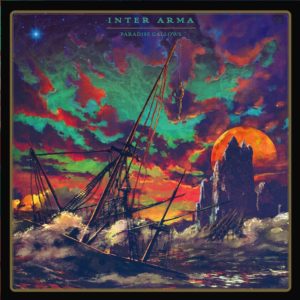
26. Inter Arma – Paradise Gallows
(Relapse)
It’s long past cliche to find revelation in the journey over the destination. It’s also usually bullshit—spend the better part of a 24-hour cycle packed into a coach airline seat and tell me you won’t be ready to put your feet back on the goddamn ground. And yet, Richmond doom metal innovators Inter Arma have proven on the second album in three years that the journey—a particularly slow and often unforgiving one—can be far more satisfying than racing straight toward the finish line. Three of the four best tracks on Paradise Gallows are the ones that surpass 10 minutes apiece, the longest and most triumphant being the gorgeous title track, which rises and falls along their most elegantly performed melody to date. So much about Paradise Gallows is about reveling in the moment and savoring the sumptuous atmosphere that it sometimes doesn’t even feel like a metal album—not until that pummeling blast beat starts up again. – Jeff Terich
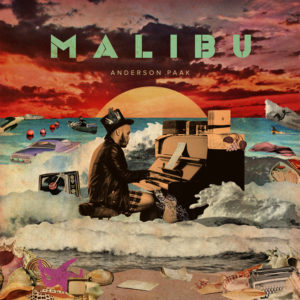
25. Anderson .Paak – Malibu
(Steel Wool)
At least somebody’s having a good time. Anderson .Paak sounds positively exuberant on Malibu, his second solo album (and his first album of 2016, including NxWorries’ Yes Lawd!). For most of the record, .Paak is a cheeky seductor, self-assured in his abilities (“Your Heart Don’t Stand a Chance”). But he’s even more interested in connection—even “Silicon Valley,” a song which for some reason included the decision to use the term “tig-ol-bitties,” is about understanding the person on the other side of a hookup. There’s a little room for introspection on the record—examining his childhood on “The Bird,” and his newfound fame on “The Waters”—but mostly Malibu stays almost aggressively rooted in the moment. On the album’s best tracks—the sexy club cut “Am I Wrong,” or the carpe-diem anthem “Celebrate”—.Paak just seems happy to be here, which makes Malibu a refreshingly joyful listen.- Sam Prickett
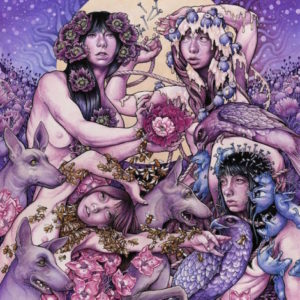
24. Baroness – Purple
(Abraxan Hymns)
The fourth album by Baroness came out at the very end of December 2015, after Treble’s lists for that year had already been filed. But Purple is a monumental work, and it would’ve been silly of us, as a publication that takes some pride in our metal coverage, not to grant it the praise it deserves. It functions as a culmination of everything explored on the Savannah band’s first three records without ever sounding derivative of them. Considerably heavier than most of Yellow and Green, it nonetheless retains the deft faculty with melody the band added to their repertoire on that album.
As you might expect, the bus crash that Baroness survived while on a tour of England in 2012 hangs over Purple. First single “Chlorine & Wine” all but telegraphs this with its talk of doctors and pills, and the pain of recovery may well be a “surprise” that frontman John Baizley is cursing himself for wishing for on the terrific “Shock Me.” But as dark as the proceedings may get, as on the achingly beautiful “If I Had To Wake Up (Would You Stop The Rain?),” the drive to triumph over pain of the body and mind is ever-present. Few moments in rock music during the past few years are as thrilling and uplifting as the climactic riffs and harmony that closes out “Chlorine & Wine”—and Purple is absolutely packed with similar peaks. – Liam Green
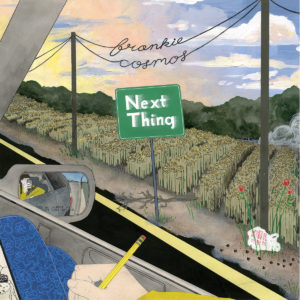
23. Frankie Cosmos – Next Thing
(Bayonet)
Greta Kline’s simple songs are infectious. Frankie Cosmos’ finest talent is their ability to take the mundane and minute and make it speak volumes. Songs cycle from longing to subway rides, posting pics to loneliness, even seeing ghosts of relationships past in a C Town. Next Thing is certainly about moving on (its hand-drawn cover is that of a car driving into the sunset) but in its examination of the past, we are also brought into Kline’s present. These mostly short and seemingly simple songs offer snapshots of what it feels/felt like to make the move toward early adulthood, as society confronts you to cement your place in the world or to find purpose. Are you a listless early twenty-something, it asks. Are you experiencing symptoms of tiredness, chronic lost-feeling, general apathy, or laying in bed all day watching cartoons? Then you might need Next Thing, which doesn’t pretend to present answers but at the very least, you might find comfort in its solidarity. – Matt Perloff
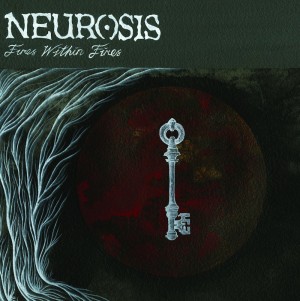
22. Neurosis – Fires Within Fires
(Neurot)
Even within the fine art of musical devotion, is anything really objective? Is it? My interest in metal has been waning for years now, but my love for veteran Bay Area atmospheric sludge pioneers Neurosis has not. I don’t care to investigate why; this isn’t the place. My point is that this band has touched me. What more do I need to say? As a writer, I believe in what we do—that I can express some kind of sentiment, idea, purpose, with the right words. But, at the end of the day, they are just words. I love this album—certainly one of the best in their epic canon—and yeah, I’m pretty biased. Maybe you’ll love it, too. – Ben Braunstein

21. Emma Ruth Rundle – Marked for Death
(Sargent House)
Emma Ruth Rundle’s made some powerful statements as a player in a greater whole, as a member of Marriages and Red Sparowes. Her third album as a solo artist is the one that carries the heaviest weight, however, its eight songs mired in both emotional devastation and ominous beauty. Recorded during the winter in the California desert, its chilling and often stark atmosphere reflects the surroundings in which it was made. Her songs evade easy categorization—gothic folk with a side of doom metal perhaps, as displayed in the haunted rise and fall of the title track or the skeletal ballad “Real Big Sky,” which closes the album on an emotional gut punch that leaves an even deeper and more painful mark than the album’s loudest songs—which are devastating in their own right. Marked For Death gains its power from hopelessness and transforms it into eerie, sometimes crushingly heavy beauty—wounded clarity in the eye of a storm of swirling guitars. – Jeff Terich
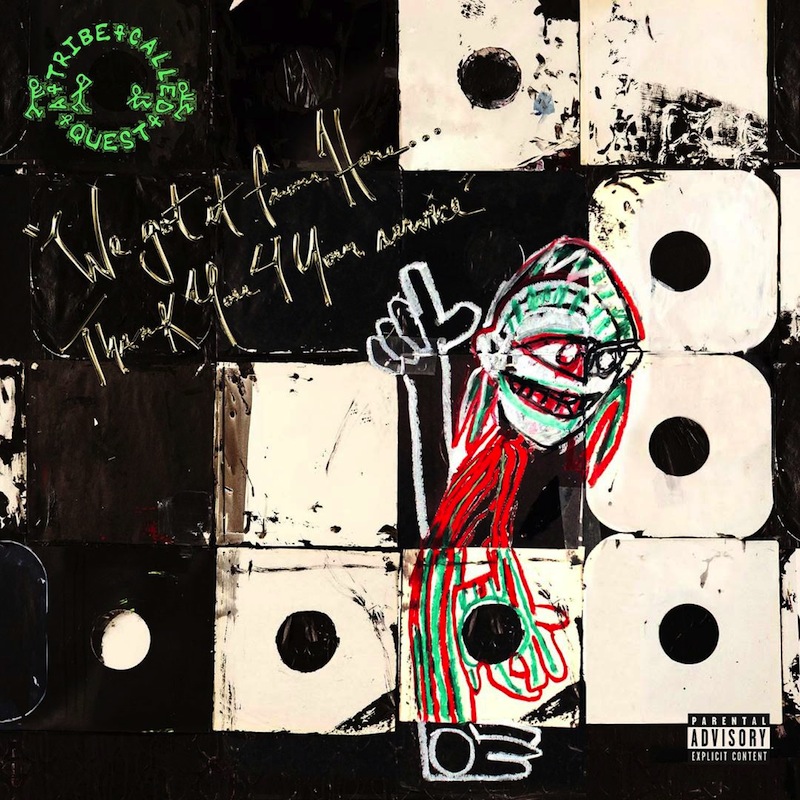
20. A Tribe Called Quest – We Got It From Here…Thank You 4 Your Service
(Epic)
To the untrained eye, relationships in this rap group hadn’t been completely repaired before vocal co-lead Phife Dawg died this past March. That meant 1999’s The Love Movement was ostensibly the Tribe’s final movement. But after reuniting on The Tonight Show Starring Jimmy Fallon on the night of the November 2015 terrorist attacks in Paris, all wrongs were secretly righted. Phife, Q-Tip, Ali Shaheed Muhammad and Jarobi White threw themselves headlong into writing and recording sessions, and the results? The release of this album in early November was at least on the level of both surprising existence and sky-high expectations as The Avalanches’ Wildflower this summer. For my money, the vibe of the Tribe straight up crush the thunder from Down Under. The timing and eloquent messaging of We Got It were perfect, repeatedly pondering the place of minorities and rap in American society days after Donald Trump won the Presidential election. And its sprawling construction and interwoven performances—from the main players as well as guests ranging from Andre 3000 to Elton John—made this album a modern conscious block party, one that feels like an impossibly larger posse LP put out by, say, Odd Future or Wu-Tang Clan. Math and the calendar conspire to leave Quest here on our countdown instead of at some higher rank. Don’t doubt that We Got It is on par with their 1990s masterpiece The Low End Theory and, with time, should similarly polish to a crown jewel of the genre. – Adam Blyweiss
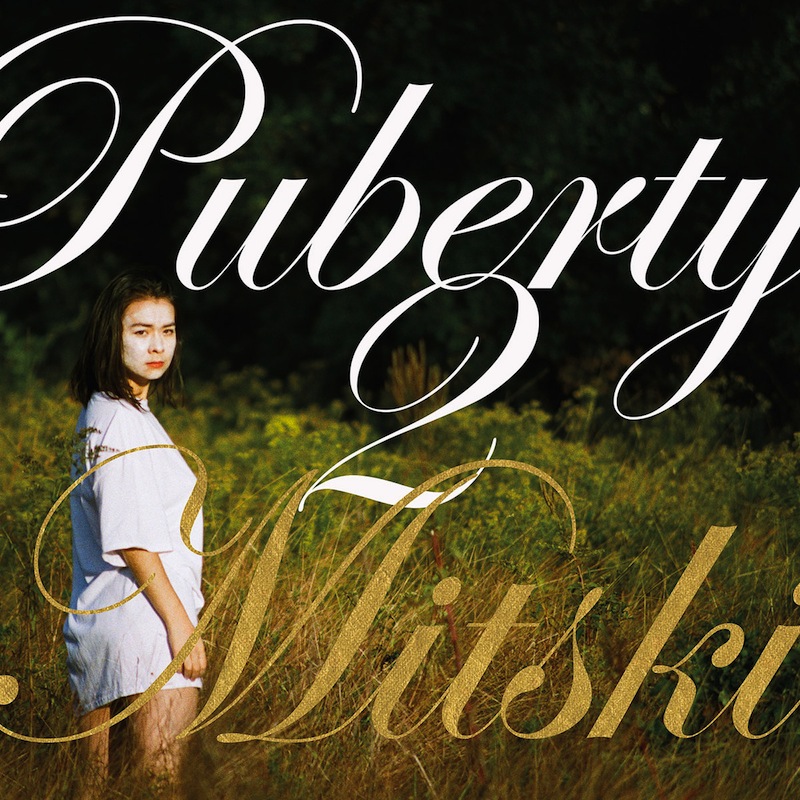
19. Mitski – Puberty 2
(Dead Oceans)
Mitski’s the kind of songwriter who can equate eye contact during sex with having “someone to watch me die,” and actually leave you wondering which she’d rather happen. Puberty 2, her excellent fourth album, is a masterful high-wire act. It’s morbid without being maudlin, depressive without being self-piteous, humorous without being trivial. The album’s title, for instance, slyly undercuts the bloodletting that Mitski undergoes across its half-hour running time. But that tendency toward self-deprecation is part of what Puberty 2 so excellent. It’s an unsparing look inside the singer-songwriter’s head, a tour through her insecurities, fixations, romances and depression. It veers from numbness (“Fireworks,” the best song on the album) to acceptance and renewal (“A Burning Hill”). And then there’s “My Body’s Made of Crushed Little Stars,” a song that manages to be both suicidal and hilarious. “I better ace that interview,” she repeats. “I should tell them that I’m not afraid to die.” If Puberty 2 is that interview, consider it aced. – Sam Prickett
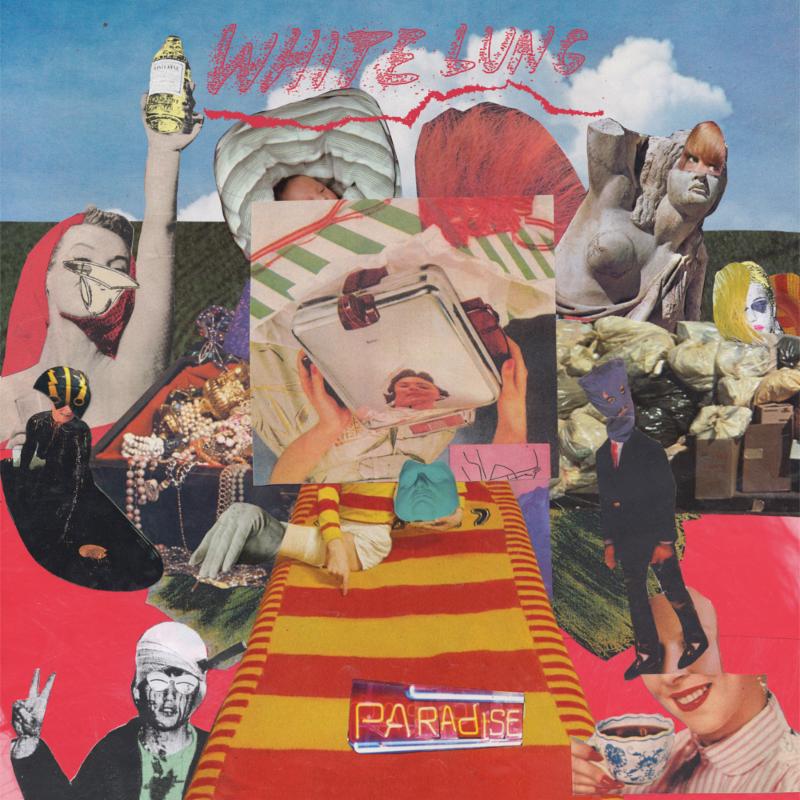
18. White Lung – Paradise
(Domino)
Paradise is a loyal and dogged album. It’s 28 minutes of fitful zeal, defending its kin like a scrappy resistance fighter, lobbing a Molotov cocktail at the opposition and writhing in muck. In essence, White Lung does what they’re great at, and somehow does it even better this time. The album flies at a loud and frantic pace, yet keeps itself grounded and tight with tribal, family-centric lyric themes and tangibly gross imagery. “Kiss Me When I Bleed” maintains this family circle especially, with lyrics like “They say I split my pride in two / when I became a bride for you / but what do they know?” Mish Barber-Way’s forceful, matter-of-fact vocals dull the shock of lines like “stuff me full of septic” and “I’ll fight back like a full blown rotten cancer.” Lines like these draw the listener closer into the dingy places where White Lung finds solace; indeed, the album closes with a track called “Paradise”: “This is all I want / So desolate / So desolate.”
In the midst of nine other tracks packed with turbulent guitar wails and fisticuff drumming is a reprieve, “Below,” the closest White Lung has ever crept to something melodious and soft. Other standout tracks include “Sister,” “Kiss Me When I Bleed,” and “Narcoleptic,” but “Below” is the turning point, instilling faith in me that even if White Lung leaves their punky roots for a gentler sound, they’ll absolutely kill it anyways. – Paula Chew
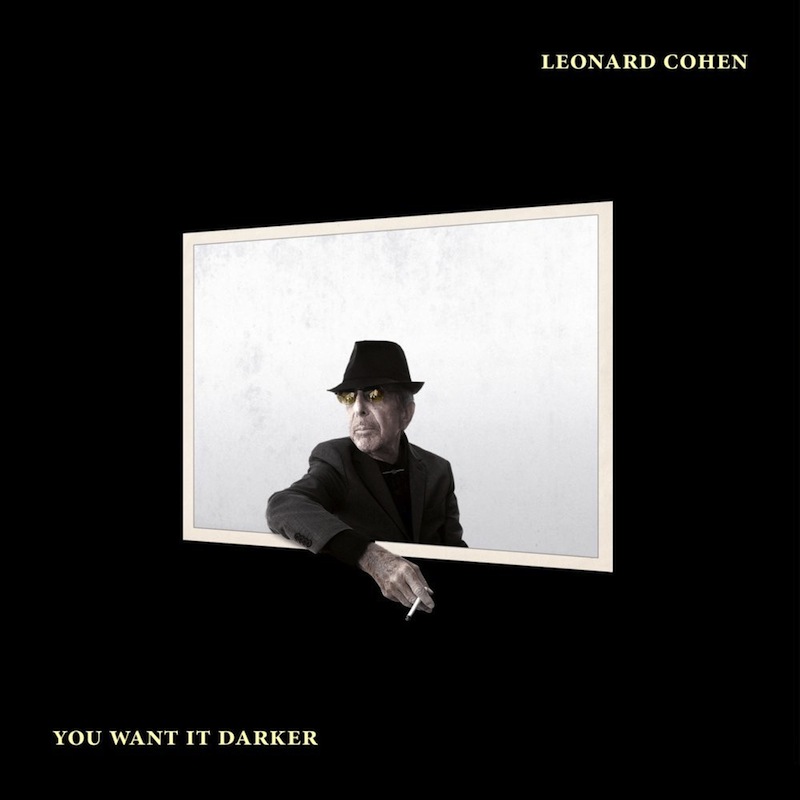
17. Leonard Cohen – You Want It Darker
(Columbia)
It’s a fascinating coincidence that not one, but two of 2016’s best albums are reflections on mortality by iconic artists who would die soon after the albums were released. David Bowie’s penchant for the theatrical secrecy gave Blackstar a retrospective, puzzle-box quality after his surprising death. But that’s never been Leonard Cohen’s style. An October New Yorker profile of the 82-year-old songwriter had him proclaiming that he was “ready to die,” and You Want It Darker doesn’t make any attempt to hide it. The title track opens with mournful chants and Cohen declaring, “I’m ready, my Lord.” In many ways, You Want It Darker feels like the process of Cohen getting his affairs in order. He expresses regrets to a former lover in “On the Level.” He settles old scores in “Leaving the Table.” “Treaty,” meanwhile, is the culmination of at least seven years of writing—and, with its dense religious metaphors, stands the greatest chance of entering the popular canon alongside “Hallelujah.” Like the rest of the album, its instrumentation is minimal, mostly funereal—but the focus is on Cohen’s craggy voice, which feels impossibly cavernous. And now, impossibly timeless.- Sam Prickett
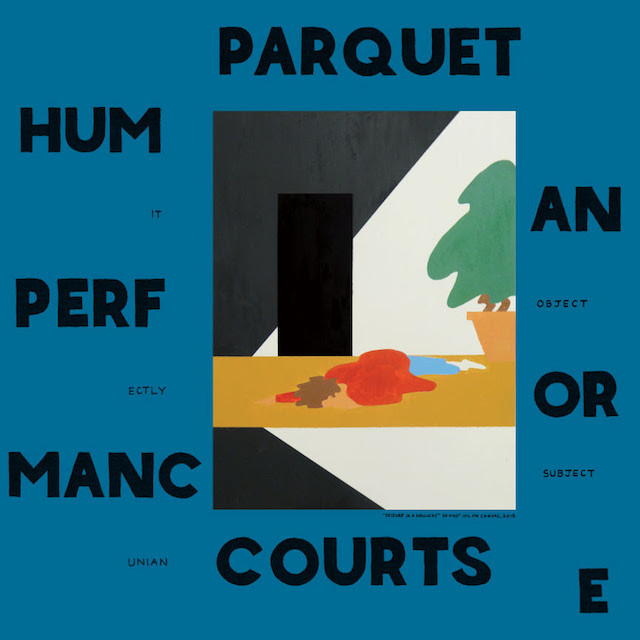
16. Parquet Courts – Human Performance
(Rough Trade)
Alongside cutting edge acts such as Ought and Protomartyr, Parquet Courts have piloted a jet of post-punk revival at rapid release pace, crafting what seems to be a stream of effortless projects layering incisive lyrics over captivating melodies. The band’s “anti-reverb” approach gives a musical face-value to illustrate their artistic frankness. It’s tight, intelligent, and presented with no strings attached. Human Performance is no exception to the band’s incredibly consistent and impressive run since 2011’s American Specialties. The sheer breadth of compositional variety between each track is astounding, as the group has once again found a way to stitch the experimental and conventional across the LP’s tracklisting. From the angular arrangement of “I Was Just Here” to the galloping Americana riffs of “Berlin Got Blurry,” and the conclusive carnivalesque percussions on “It’s Gonna Happen,” Human Performance is a well-informed and expertly executed production. – Patrick Pilch
15. Kendrick Lamar – untitled unmastered
(Top Dawg/Aftermath)
Is untitled unmastered an album or an EP? A mixtape? A collection of b-sides? Maybe all of the above. This collection of tracks that didn’t quite make it onto last year’s To Pimp A Butterfly resonates similarly to that record on a lyrical level, summoning energy from Black Lives Matter, prison reform, Compton history and Lamar’s own past to weave the kind of tongue-twisting tapestries we’ve grown to expect from the wordsmith. But they also showcase a different side of Lamar and the creative process behind TPAB. The tracks on untitled unmastered lack the finished production of the full-length record, pushing hard enough into the realm of jazz that one could argue this is more of a jazz record than a hip-hop release. To this degree, it’s also a perspective into how the unique sound of TPAB was released, giving us a glimpse at the full-band dynamics that were later manipulated and re-mixed to create that record’s more psychedelic tone. It’s a window into one of the most creative minds alive, and—at its highest moments—some of Lamar’s best work to date. – A.T. Bossenger
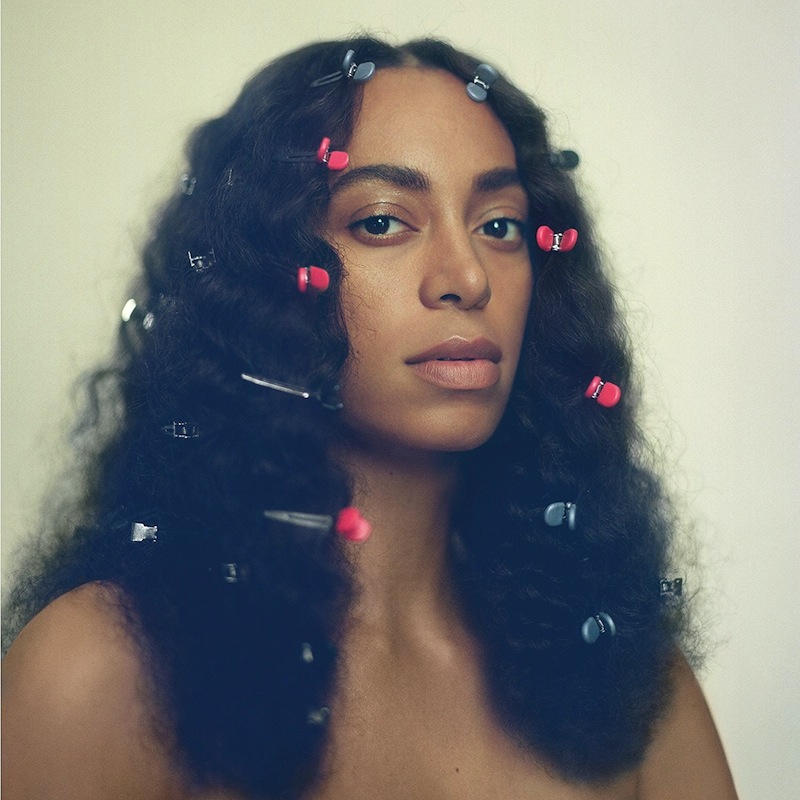
14. Solange – A Seat at the Table
(Saint)
A Seat at the Table isn’t an album for everyone. It’s honest; it’s sophisticated; it’s generously full of smooth-as-silk beats and impeccably curated interludes, and Solange’s delicate vocals make for comfortable listening. But it’s also intensely political, bookending every track with a firsthand account of one of the facets of black life. Some tracks, like “F.U.B.U.,” are beacons of solidarity, couched in dreaminess. Some, like “Cranes In the Sky,” are personal and mellow. In the end, though, A Seat At the Table makes clear exactly who it was made for: “If you don’t understand us and understand what we’ve been through, then you probably wouldn’t understand what this moment is about. This is home.” – Paula Chew
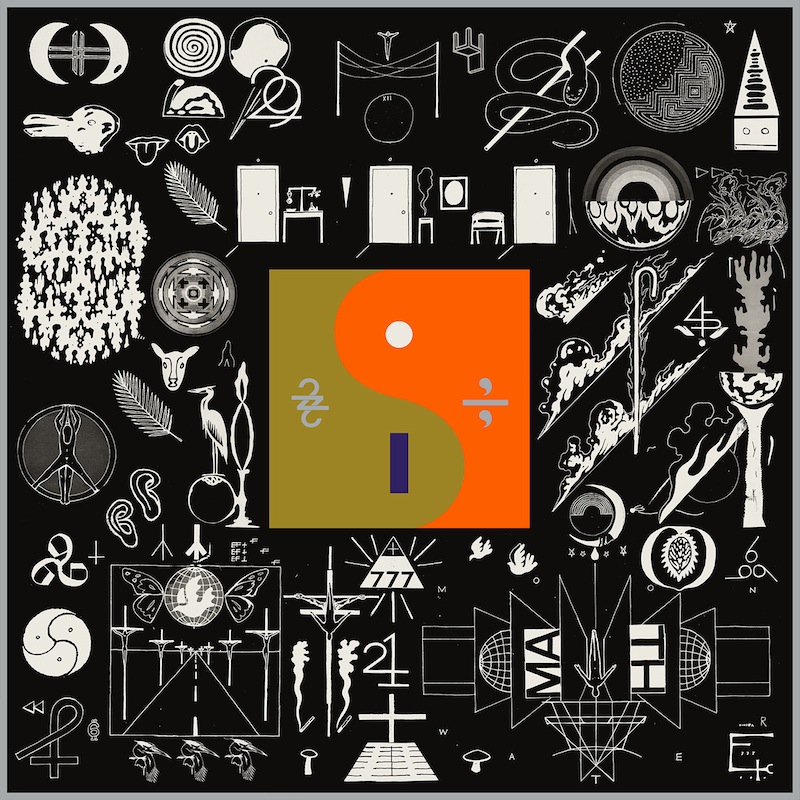
13. Bon Iver – 22, A Million
(Jagjaguwar)
Rare are the moments when something in traditional chamber-based musical forms—your classical symphonies and concertos, your operas, even your self-contained jazz releases and suites—rises to the level of a “hit.” You have centuries of these musics and only a handful of songs, or portions of these compositions, that you can name off the top of your head. Everything in its right place, right? The third Bon Iver album cribs liberally from that playbook. No way in hell would I peg any of its tracks as single-ready or radio-friendly, but taken as a whole 22, A Million is a fascinating indie-pop statement. Naysayers might find that Justin Vernon’s reliance on Auto-Tune, vocoders and his own handcrafted manipulations rubs off too much from past collaborator Kanye West. Rather, let’s look at this as a Dylan-goes-electric moment: Bon Iver goes electronic, streams of data taking on the form of streams of his consciousness. 22, A Million is an outsized version of an artist at work, Vernon sitting with guitar in one hand and tech in another, Photoshopping song structures beyond recognition and endlessly editing his folk-music themes of loss, existence, and faith. Trying to enjoy any one track out of context disrupts the album’s flow, makes the whole thing fall apart. I won’t do it; you shouldn’t either. – Adam Blyweiss
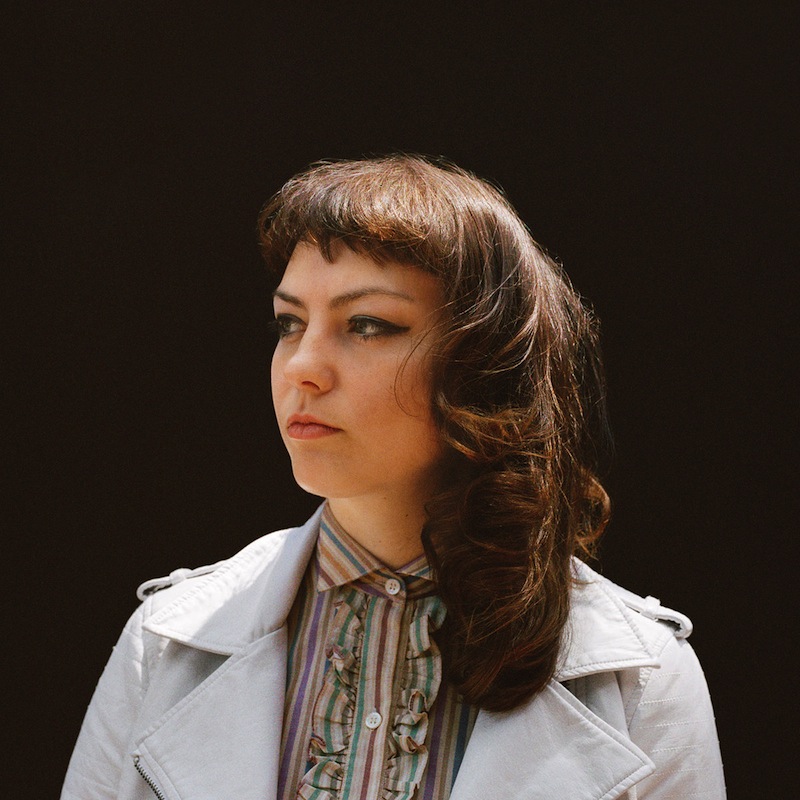
12. Angel Olsen – My Woman
(Jagjaguwar)
It’s almost too perfect that there’s a song on Angel Olsen’s third album, My Woman, called “Those Were the Days.” It’s impossible not to romanticize a kind of nostalgic ideal when listening to My Woman. It’s an album steeped in what was and what could have been—break-ups, regrets, love lost and love slipping through one’s fingers, or at the very least stuck in neutral, as is the case in “Shut Up Kiss Me.” And Olsen delivers those backward- and inward-looking narratives via arrangements both warm and ragged—they sound like they could have been recorded by Fleetwood Mac or Crazy Horse or The Velvet Underground, depending on where you drop the needle.
Yet My Woman has another vintage quality about it that makes it seem of another time altogether: It’s a proper album, sequenced to be heard on two separate sides. And those two sides heavily contrast, like those of Rust Never Sleeps or Low. Side A, with the exception of the electronic driven intro track “Intern,” is all fuzz and fury. Side two is where Olsen keeps the slow burners—the dream-haunting standouts, “Sister” and “Woman.” Side two is also the one that’ll break your heart into a million pieces. On closing track “Pops,” Olsen asks “What is it a heart’s made of?” The answer is embedded in My Woman, an album that delivers an aesthetic and emotional experience that belongs to no era. – Jeff Terich
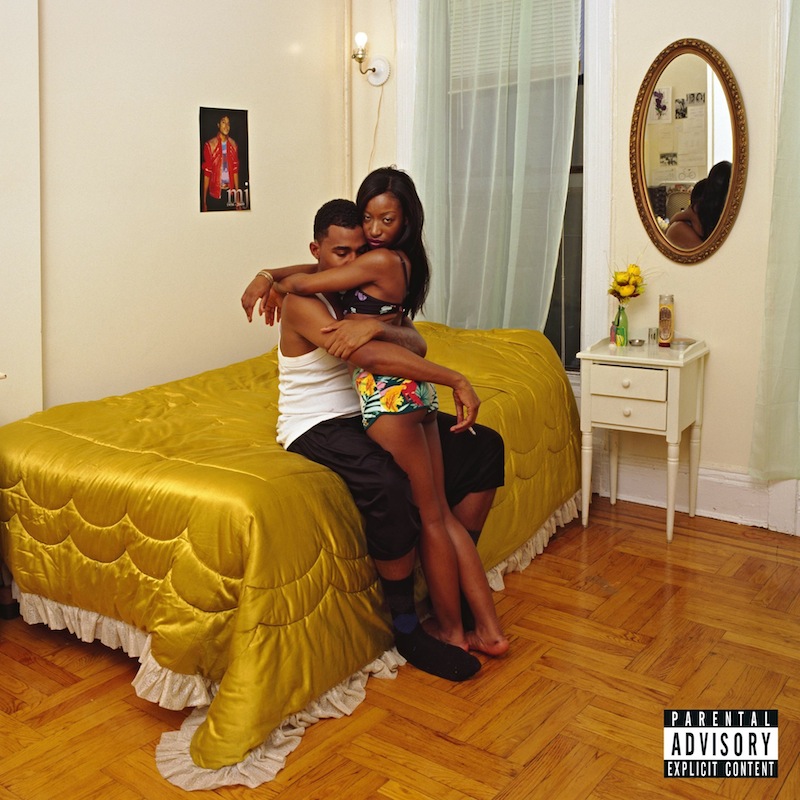
11. Blood Orange – Freetown Sound
(Domino)
This was a politically fraught year. A year that saw the U.K. vote to leave the European Union. That saw the U.S. vote to preserve and embolden White Supremacy (through both subtle and blatant ways). That saw Colombia reject a peace deal that would have formalized the end of five decades of war within the country. This year was a continuous reeling from shocking news and for those of us who are different, who are not white, straight, Christian, cis-gendered, able-bodied men, we feel precarious. We feel scared. Freetown Sound was made before many of these charged events occurred but it does feel strangely prescient. When the album was released, Dev Hynes posted on Instagram stating that the album was intended for those who have been told that they were “not black enough, too black, too queer, not queer the right way.” In other words, for the vulnerable, for everyone who is part of a larger community, who also fears letting individuality and weirdness to truly flourish. Above all Freetown Sound is an exploration of what it is to be Black, using excerpts and poetry to broaden and shed light on different facets of Black culture. And while the album features ruminations on systemic oppression, like his frequent collaborator Solange, Dev Hynes has created an album that feels less like a treatise and more like a sustained conversation within himself. That he not only is trying to make safe spaces for expression for others, but as importantly for himself. – Jackie Im
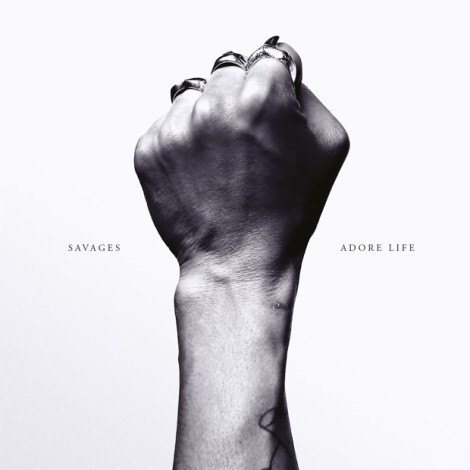
10. Savages – Adore Life
(Matador)
Savages’ 2013 debut Silence Yourself was one of the best debuts rock had seen for a long time, combining stirring, goth-rock vibes with angular post-punk dynamics and vocalist Jehnny Beth’s particularly modern and often feminist lyrics. (Not to mention her alluringly haunting performance.) But the Savages of Adore Life puts their former selves to shame. Where the pressure of a sophomore album often finds a band putting out more of the same or forcing themselves into uncomfortable niches, the London band’s latest record found them expanding sonically, technically and thematically, presenting an even more fleshed out and immersive record than before. Adore Life is still goth-leaning post-punk at its heart, but Beth, Hassan, Milton and Thompson incorporate tiny aspects of post-rock, black metal and pop to construct a genre-defying sound that is hard rocking as frequently as it is just plain gorgeous. But even though it’s a dark, monstrous record, it’s an uplifting one as well, with Beth’s lyrical themes circling around a concept of embracing love and upholding the best aspects of life, even in the shittiest of circumstances. Melancholy and introspection have never felt this damn triumphant. – A.T. Bossenger
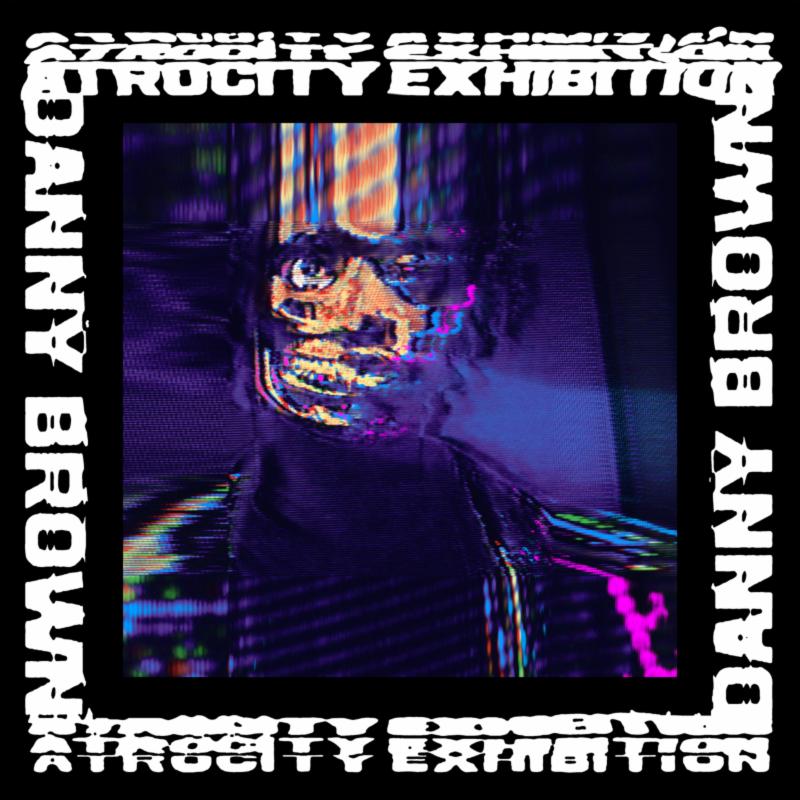
9. Danny Brown – Atrocity Exhbition
(Warp)
Some albums serve as such acutely detailed explorations of personal pain and neuroses that it feels intrusive to listen to them—Daisy by Brand New, the entire discography of Lullaby for the Working Class, Pharmakon’s Bestial Burden. The fourth album by Danny Brown fits squarely in this category. From the ruminations over spare jazz on “Downward Spiral” to the defiant mantra that wraps up “Hell For It,” Atrocity Exhibition shows us the logical conclusion of ceaseless hedonism being interspersed with crushing bouts of depression and drug consumption that’s gone way, way past any kind of fun.
It should be noted that this is not the best hip-hop album of the year solely for the relentless power of its subject matter. Danny Brown’s rapping has become virtuosic in every sense, from his phrasing and cadences to his command of language running the full breadth of the gamut between profound and profane. Much of Atrocity Exhibition, save for undeniable bangers like “Pneumonia” and “Really Doe,” doesn’t sound like hip-hop—the production, much of it by Paul White, evokes EDM, noise, post-punk, industrial and more. But Brown never sounds anything other than at home above it, and its oft-chaotic sounds mirror the mental state of a man trying his damnedest not to fall apart. – Liam Green
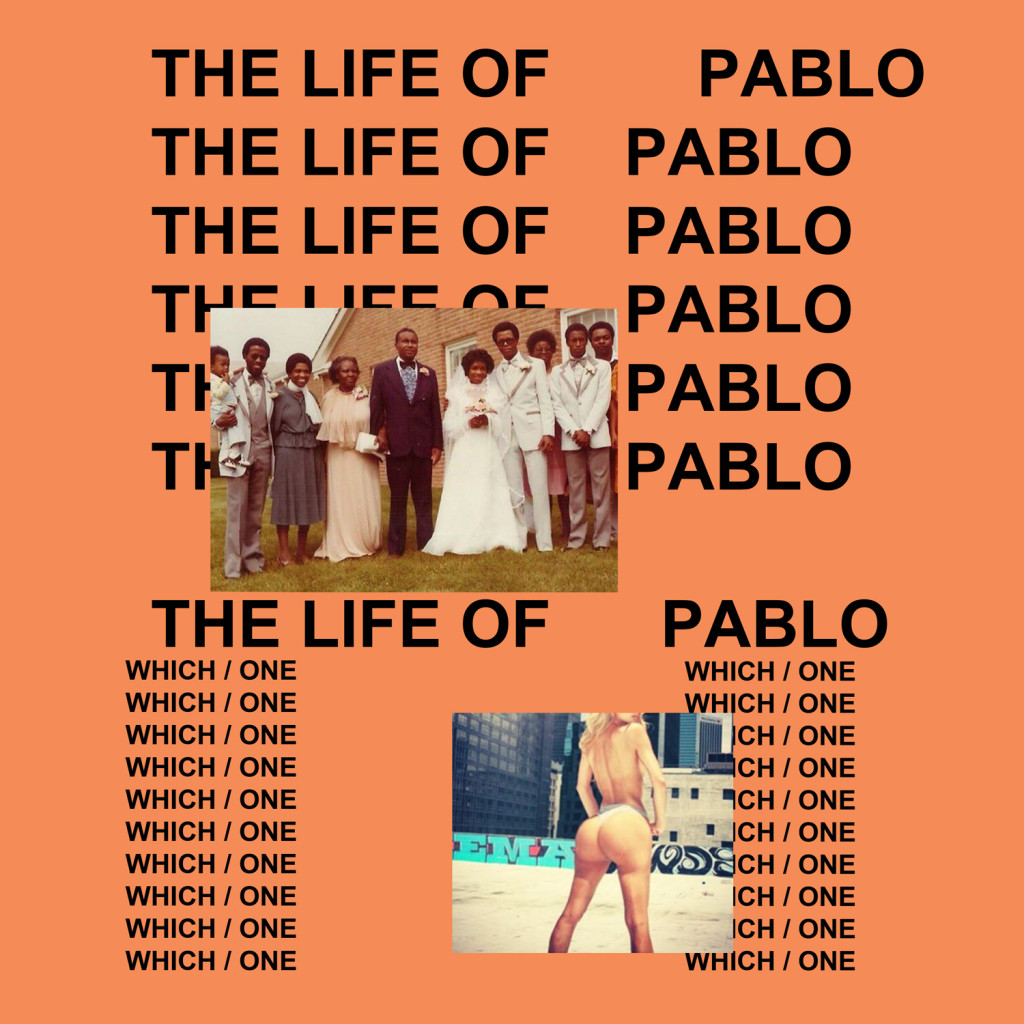
8. Kanye West – The Life of Pablo
(G.O.O.D. Music/Def Jam)
The Life of Pablo is Kanye West’s permanent work in progress. Mr. West has been tinkering with the album, his seventh, ever since its February release, with new vocals, verses and even songs being added in the weeks and months following its unveiling. While the album may never truly be “done,” even in its unfinished state it provides everything we’ve come to expect from Kanye: braggadocio, killer guest spots, hooks, world class production, controversy, more braggadocio, and an unfiltered view into West’s psyche. Hell, the song “Famous,” with its lyric “I feel like me and Taylor [Swift] might still have sex/Why? I made that bitch famous” and its appearance by Rihanna, contains all of those components by itself. In a way, The Life of Pablo takes everything Ye has presented us on his first six albums and condenses it into one sprawling hour-plus listen. The record also proves once and for all that while West is at his best as a producer and all around music-maker, he really can rap, as evidenced by his ability to go toe-to-toe with the unimpeachable Kendrick Lamar on the track “No More Parties in LA.” As he has in the past though, Kanye is also more than willing to let his guests shine, as Chance the Rapper does on the religious-themed opening track “Ultralight Beam,” perhaps the strongest song on the album. For all the bravado on the album, songs like “Ultralight Beam” illustrate that, ultimately, The Life of Pablo is concerned with the spiritual. As with all of Kanye’s work, the album is at times unsettling, but it’s ultimately uplifting. In its own strange and at times egocentric way, it’s gospel. – Adam Ellsworth
7. Nick Cave and the Bad Seeds – Skeleton Tree
(Bad Seed Ltd.)
Skeleton Tree is an album carved from loss. During its recording, Nick Cave’s 15-year-old son Arthur died after accidentally falling from a cliff, and even though most of the album had been written beforehand, Cave’s grief hangs over it like a spectre. It’s hard not to read into the significance of some of the album’s lyrics—opener “Jesus Alone,” for instance, starts with the line, “You fell from the sky / Crash landed in a field.” The grief is at its most explicit on the track “I Need You,” in which Cave declares that “Nothing really matters / when the one you love is gone.” And Cave’s vocals, half-spoken, half-sung, sound absolutely drained against a sparse musical backdrop. Skeleton Tree is claustrophobic in its minimalism, forcing listeners to confront Cave’s bereavement, even as it’s something few of us will ever truly understand. It’s not an easy listen, but that doesn’t mean it’s not worthwhile. – Sam Prickett
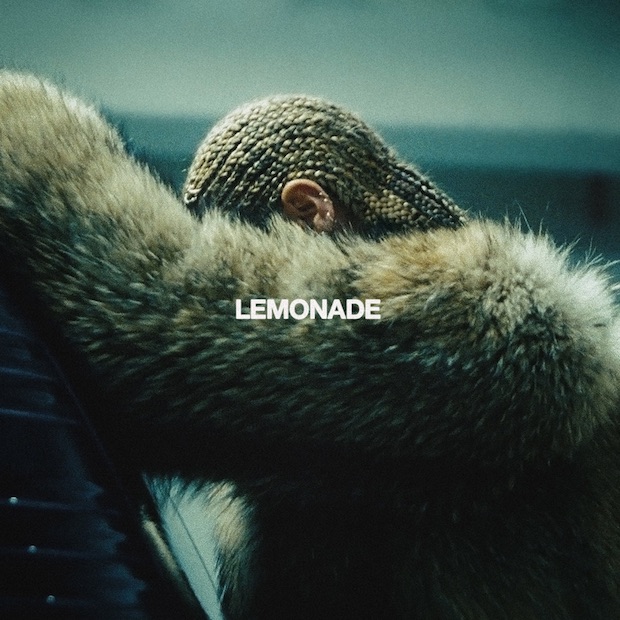
6. Beyonce – Lemonade
(Columbia)
We all knew something was up. A television event on HBO with Beyonce?! Short of Beyonce herself destroying all of the White Walkers and bringing Hodor back from the dead (sorry), Lemonade was everything and more. A visual album that seemed to publicly drag her husband, relishing in her clapback, while also a beautiful celebration of Black women, of Black mothers, daughters and sisters. Beyonce is ever careful of her image—she knows that fans will dissect everything she posts or shares—Lemonade feels private and at times voyeuristic, like we’re getting a peek at the private lives of her and her family. Whether what we glean is genuine or a narrative that she has cleverly spun around our collective speculation, in the end it doesn’t really matter because what we have is a glorious album about rage (“Sorry”,” Don’t Hurt Yourself”), forgiveness (“Sandcastles”), love for a partner, family and self (“All Night”). Regardless of whether or not it’s “real,” there is nuance to it that invites further questions while also inviting the listener to simply lose oneself in it. – Jackie Im
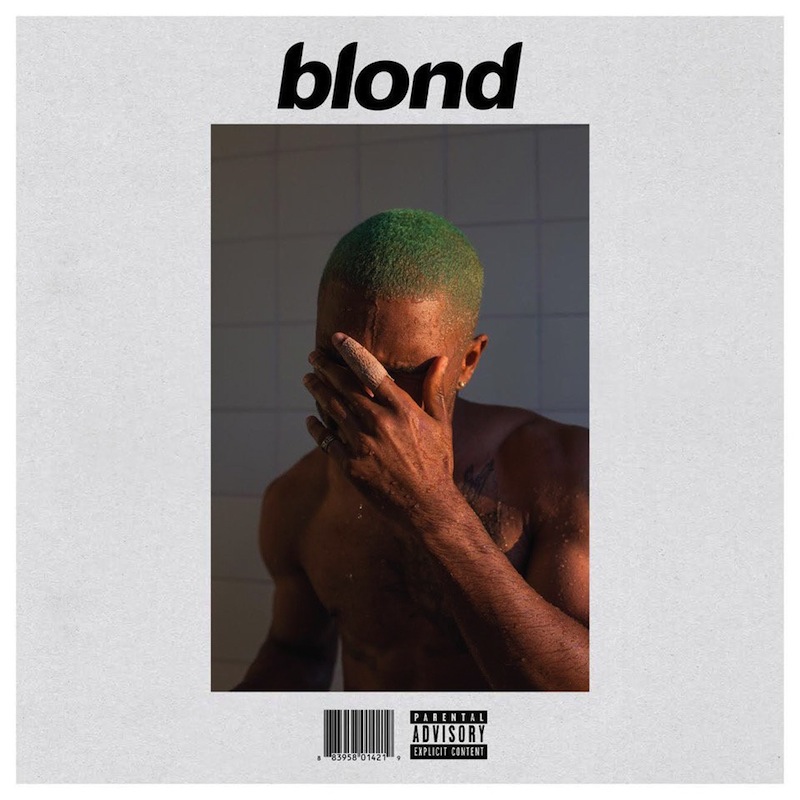
5. Frank Ocean – Blonde
(Def Jam)
Perhaps the most hyped surprise album in a period of pop music partly defined by the surprise album, Frank Ocean’s Blond(e) was fascinating enough from a release standpoint alone. The once untitled record was originally announced for a July 2015 release and, when it was finally dropped over a year later, it was preceded by a red herring video album just days before, supposedly a sly move to get Ocean out of his record deal before dropping his actual sophomore release. Add to that a couple other slick digital campaigns and you have a lot of energy and speculation for Blonde, which can be great or painful depending on the quality of the actual product.
In Blonde’s case, another year’s wait would have been worth it. Ocean’s voice and signature songwriting are the stars here, but the minimal, often ambient production is also a real treat, featuring an all-star cast of instrumentalists and interpolations/samples from names as big as the Beatles and Elliott Smith. But Ocean doesn’t use samples as all-star referencing grooves, choosing instead to collaborate with historic melodies and themes in order to extend themes of youth, sexuality, doubt and hope. This is Boyhood the album, an introspective autobiography that skirts the details of Ocean’s life in favor of giving us a clear window into the sorts of emotions that formulated one of the most talented and elusive songwriters currently working the industry. – A.T. Bossenger
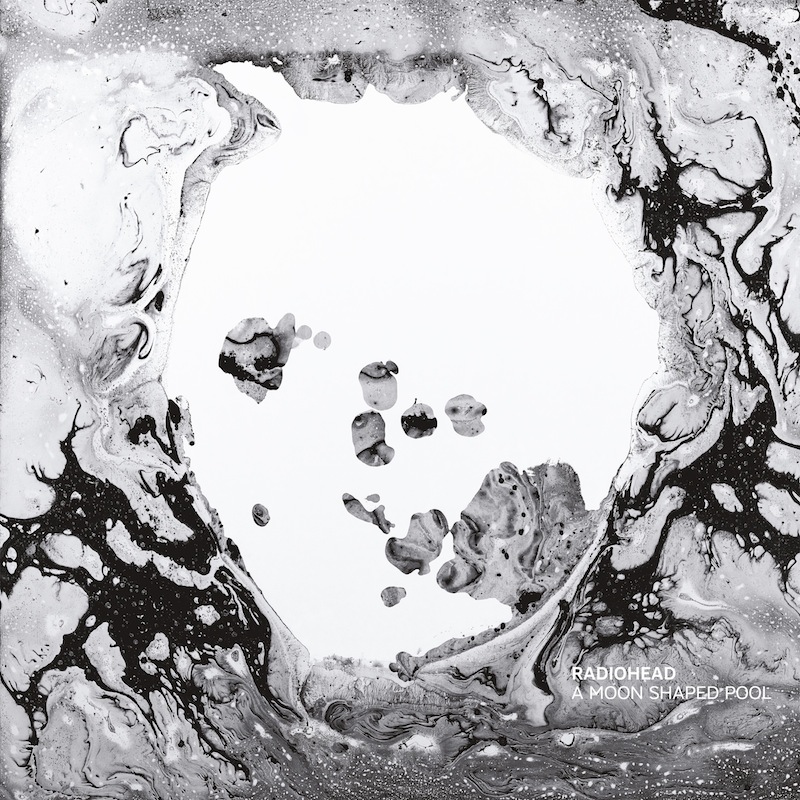
4. Radiohead – A Moon Shaped Pool
(XL)
The only time I saw Radiohead in concert was their headlining set at Lollapalooza 2008. The most exciting part of it was Chicago’s planned summer fireworks going off behind their Grant Park stage, during “Pyramid Song” if I recall. Many fans thought it was part of the act; I wish it had been. It was the only real highlight in an otherwise dour show from Thom Yorke and company, a disappointing taste I still haven’t washed from my mouth. I expect big fest performers to go into these things making some sort of grand statement, or at least an exciting one. You wanna rain on 75,000 fans’ parade? Do it with gusto, with meaning. On that Friday night in August, Radiohead just felt sad with no purpose. With A Moon Shaped Pool they try to right that wrong, wherever it might have been committed.
Pundits and fans have canonized Radiohead many times over through their career, so I guess it makes sense for the band to take on the reverent tasks of chasing ghosts and exorcising foul spirits. The five-plus years since The King of Limbs (their longest break between albums) brought great pain for the band: their lead singer Thom Yorke parted ways with longtime lover Rachel Owen, and their go-to producer Nigel Godrich lost his father. This period also featured great discovery: four of the five players continued solo and spinoff work, and in their time back together rebuilt the all-hands-on-deck sound they seemed to abandon on The King of Limbs. Sad, with purpose, Radiohead buttress new work with fleshed-out and reclaimed ephemera hinted at throughout their career in demos, in concert, even just in print. It’s difficult music played with such skill as to come across as effortless, turning on a dime from krautrock to bossa nova to clear echoes of OK Computer.
And when I say “difficult,” let’s not kid ourselves. The band is singularly obsessed here with people as ragdolls, as prey, under the watchful eyes of aliens and Cheshire Cats. Songs such as “True Love Waits” and “Ful Stop” offer chilling takes on love’s easy difficulties. “Glass Eyes” and the propulsive “Burn the Witch” address isolation and panic, each featuring string sections very likely informed by Jonny Greenwood’s growing film-score resumé. Shit, any number of tracks on here could be avatars for climate change. A Moon Shaped Pool has its lively moments; it’s anything but life-affirming. Indeed, this is an album borne on many deaths: physical form, emotional connection, creative inspiration and progress. Ultimately it’s the death of trust, not just in these grand and common structures but in each other, our leaders and neighbors, at a time when we could use more of it. Radiohead ponder the sad possibility that their exorcism will fail, that they—we—can’t live up to some ideal purpose. – Adam Blyweiss
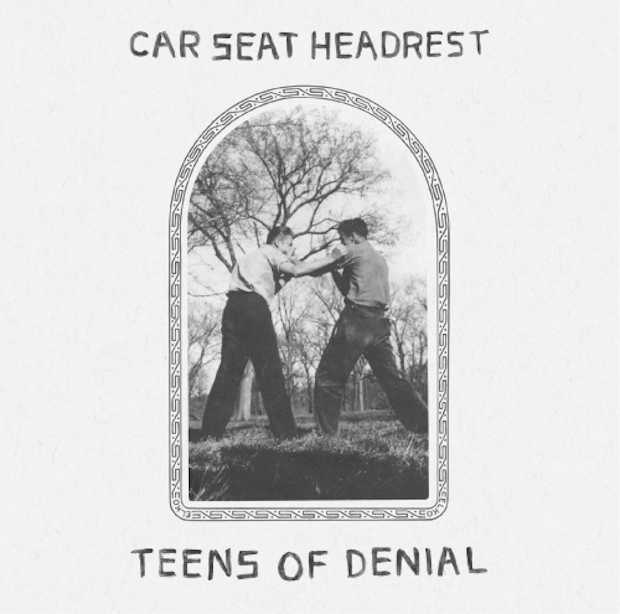
3. Car Seat Headrest – Teens of Denial
(Matador)
Will Toledo had a lot to say this year. In 12 tracks, in the first proper full-band full-length with Car Seat Headrest, Toledo covered love, loss and ignoring your responsibilities. His latest is fueled through spats of reluctance and questioning, begging for answers to the questions young adults are forced to swallow. The instrumentals are piled on to create a filling effect, as twangy guitars lead us from one song to the next. Toledo shows us his softer side, on tracks like “Not What I Needed” and “Drunk Drivers/Killer Whales,” both of which feel like outtakes from 2013’s Nervous Young Man. The album acts as a guide to twenty-somethings, or anyone feeling rather directionless in a disheartening society. Toledo offers his two cents, simultaneously quieting our nerves about being alone in our confusion. Teens of Denial is like a cup of coffee for the soul—consume for instant energy. – Virginia Croft
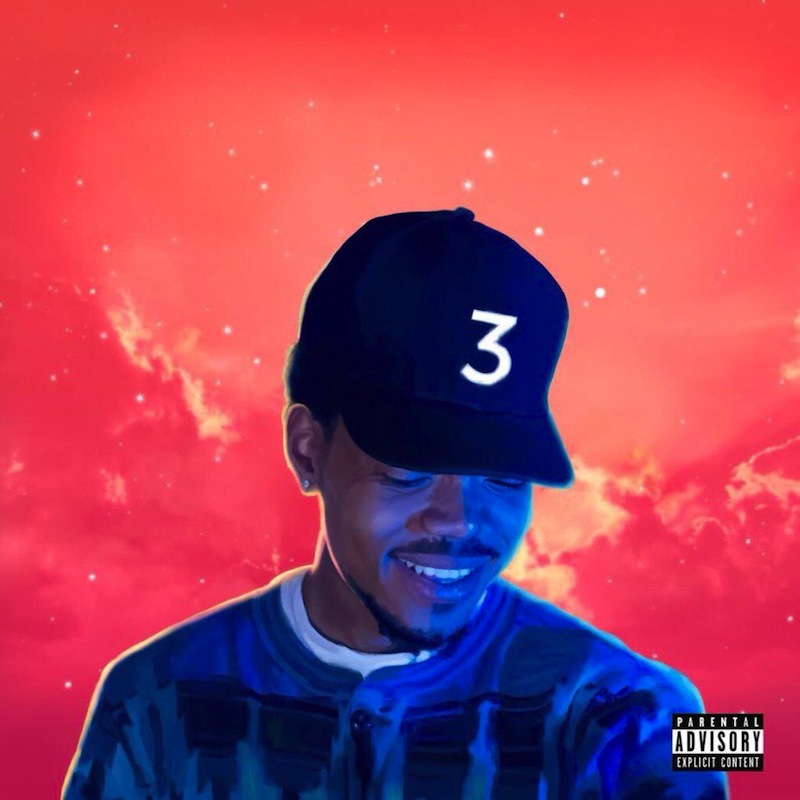
2. Chance the Rapper – Coloring Book
(Self-released)
Coloring Book is an album about confronting adulthood. Throughout the album Chance references The Lion King, Peter Pan, Harry Potter, Dragon Ball Z and other childhood touchstones, but instead of scarfing down Member Berries and dwelling in the past, Chance uses these as avenues to explore present challenges such as violence and drug addiction. In the exceptional “Summer Friends,” Chance gives us a sketch of growing up in the South Side of Chicago, of watching friends die, but of also mowing lawns and watching movies. Rather than simply portraying only trauma, Chance shows us the ways that it is lived, that joy lives besides pain, that sometimes you’re “the boy who lived.” A few months ago, I saw a short-film by Thai filmmaker Apichatpong Weerasethakul. It took place on a boat traveling down the Mekong River, the people on the boat were all friends and family members there to spread the ashes of a loved one in the river. What was profound was how, in a moment that we identify as being sad and upsetting, there were times where people were singing, laughing, playing with kids and dogs. Weerasethakul’s film showed the complexity of human emotions, how we are capable of more than just tragedy or joy in one moment. In a weird way it brought me back to Coloring Book. By combining playfulness, happiness, pain, and suffering, Chance understands that life is often a complex mix of emotions, that sometimes things blur, but it’s all real and powerful. – Jackie Im
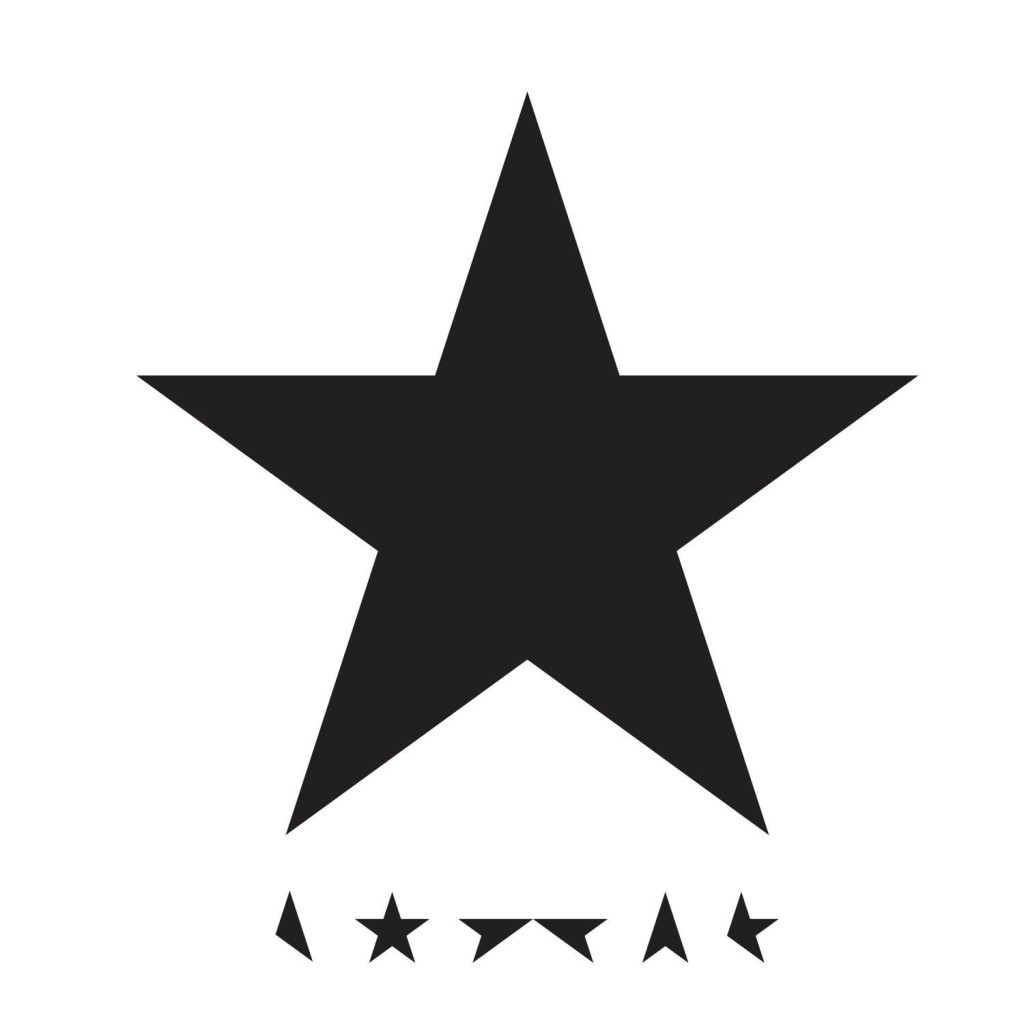
1. David Bowie – Blackstar
(ISO/Columbia)
On January 8, 2016—his 69th birthday—David Bowie released Blackstar, his 25th album and boldest musical statement in decades. On January 10th, Bowie was dead, succumbing after a long fight with liver cancer. He knew it was coming. Producer Tony Visconti, with whom Bowie had fostered a fertile musical partnership since the early 1970s, confirmed that the album was a “parting gift” to his fans, one last work of artful beauty before left his terrestrial body and returned to the distant colony on Mars with all the other Spiders. Blackstar is David Bowie saying “goodbye.”
As farewells go, it’s a statement that very much confronts death and refuses to look away. Indeed, Bowie seemingly documented his own illness on the album, “blackstar” being a reference to a cancerous lesion, while the opening line of “Lazarus” finds him singing, “Look up here, I’m in heaven.” There’s a darkness and intense sense of mortality to Blackstar that makes it an intense record to listen to, but it’s also the most artfully constructed, most musically adventurous statement from Bowie in the 21st century. With noir jazz arrangements provided by saxophonist Donny McCaslin, there are few moments that recall Bowie’s glam days, instead finding Bowie reinventing himself one last time in a strange musical realm where Scott Walker meets David Lynch.
Were Bowie to have left us seven tracks this good as his final duty on earth, he would have left on a high note. But he did more than that; he shared a piece of his own vulnerable self in the form of a mystery to be decoded, complete with starry-sky reveal album artwork. Before he made his exit, Bowie took the opportunity to blow our minds one last time. – Jeff Terich

Best album of 2016: Daisy House “Western Man”
https://daisyhouse.bandcamp.com/album/western-man
Hopefully Blackstar is named the album of the decade as well
Guess we’ll find out a little less than a year from now…
What’s your pick for Album of The Decade mine is Blackstar(as I’ve said above) My pick for Song of the decade is Alright by Kendrick Lamar
Me personally? Probably To Pimp a Butterfly.
But I can’t speak for the whole staff. Though that’ll pretty easily be in the top 5, I’d imagine.
TPAB is second for me third is Yeezus by Kanye 4th Ultraviolence by Lana Del Rey and 5th would probably be either Run the Jewels 2 or Blonde by Frank ocean depending on my mood